
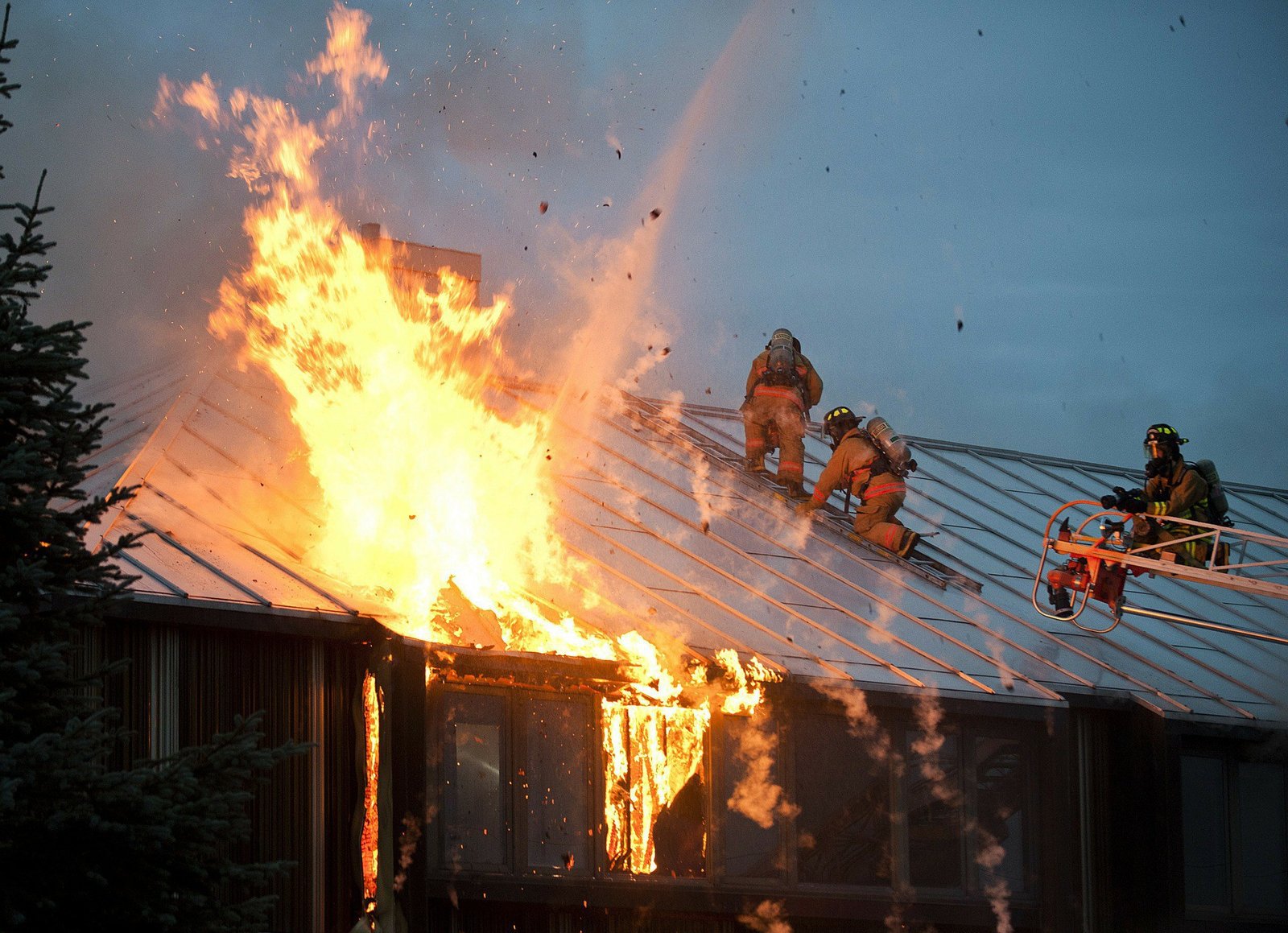
Wildfires can spread quickly, especially during periods of dry weather, strong winds, and high temperatures. Although large wildfires are often associated with forests and rural areas, homes located near dry vegetation or open land can also face serious risks. Good preparation can reduce the chance of a fire reaching a property and can give families more time to respond safely.
For homeowners in Pakistan, wildfire preparedness should be considered as part of a wider home fire-safety plan. A reliable fire alarm system in Pakistan can provide early warning when smoke or heat is detected, but alarms are only one part of a complete safety strategy. The Pakistan Engineering Council’s Building Code of Pakistan Fire Safety Provisions includes requirements for fire detection and alarm arrangements in applicable occupancies.
Understanding Wildfire Risk Around the Home
Wildfires do not affect every property in the same way. Risk depends on factors such as surrounding vegetation, weather conditions, building materials, access roads, nearby structures, and the availability of firefighting resources.
Homes close to grassland, agricultural areas, forests, hills, or undeveloped land may have greater exposure to an approaching vegetation fire. Dry leaves, branches, grass, and other combustible materials around a property can also increase the opportunity for fire to spread.
Homeowners should therefore look beyond the walls of their house. Fire safety begins with understanding what surrounds the property and identifying conditions that could make an emergency more difficult.
Why Early Fire Detection Matters
Early detection is one of the most important parts of fire safety. A fire that is discovered quickly provides occupants with more time to react, leave the building, and contact emergency services.
A modern alarm system can use smoke detectors, heat detectors, control panels, sounders, and other notification devices to identify signs of fire and alert occupants. Professional systems can be designed according to the building’s size, layout, occupancy, and risk profile. Flame Defender provides conventional and addressable fire alarm solutions for residential, commercial, and industrial properties across Pakistan.
For a home, the exact alarm arrangement should be selected according to applicable standards and the property’s characteristics. The important principle is simple: an alarm should provide warning early enough for people to respond safely.
Fire Alarms Are Only One Layer of Protection
It is important not to treat an alarm as the complete answer to wildfire risk.
An alarm can warn people about smoke or fire, but it does not prevent an outdoor wildfire from approaching a property. A complete plan can include:
- Reliable smoke and fire detection
- Properly maintained alarms
- Clear escape routes
- Emergency communication
- Safe outdoor areas around the house
- Appropriate fire protection equipment
- Emergency contact information
- A family evacuation plan
- Regular safety reviews
This layered approach means that different safety measures support one another rather than relying on a single device.
Keep Vegetation Away From the Home
The area immediately surrounding a house can influence how easily an outside fire reaches the building. Dry grass, dead leaves, branches, and other combustible materials should not be allowed to accumulate unnecessarily around the property.
Regular outdoor maintenance can include removing dead vegetation, keeping pathways clear, and managing plants near structures. Trees and shrubs should also be maintained appropriately so that dry material does not build up against walls, roofs, windows, or other vulnerable areas.
The objective is not to eliminate all vegetation. Instead, homeowners should manage the immediate surroundings so there is less readily available combustible material close to the building.
Pay Attention to Roofs and Gutters
The roof is an important part of wildfire preparedness because burning vegetation can produce embers that travel through the air.
Leaves, twigs, and other dry debris should not be allowed to accumulate in gutters and roof areas. Regular inspection can help identify damaged roofing materials or areas where debris collects.
Windows, vents, and other openings should also be considered when reviewing a property’s vulnerability. Homeowners can ask qualified professionals whether additional protective measures are appropriate for their particular building.
Keep Outdoor Areas Organized
Outdoor items can become additional fuel during a fire. Cardboard, dry waste, large quantities of combustible materials, and other unnecessary items should not be stored immediately against the house.
Garden equipment and other household items should be stored responsibly, especially during periods of high fire risk. The aim is to keep the immediate area around the building orderly and reduce avoidable hazards.
This is a basic but useful part of wildfire preparation because preventing unnecessary combustible materials from accumulating around a home can support broader fire-safety efforts.
Maintain the Fire Alarm System
Installing an alarm is only the beginning. Fire detection equipment needs appropriate inspection, testing, and maintenance to remain dependable.
Dust, environmental conditions, component ageing, electrical problems, or other faults can affect system performance. Professional maintenance can help identify problems before an emergency occurs.
Flame Defender notes that its fire alarm services include installation, testing, maintenance, system upgrades, and assessment of existing systems. Its solutions include smoke detectors, heat sensors, control panels, and different types of fire alarm systems.
Homeowners should follow the manufacturer’s maintenance requirements and applicable safety standards rather than assuming that an alarm will work indefinitely without attention.
Choose the Right Detection Solution
Different properties may require different approaches to fire detection.
A smaller residential property may have a relatively straightforward alarm arrangement, while a larger building may benefit from a more comprehensive system. Conventional systems can be suitable for certain smaller or simpler properties, whereas addressable systems can provide more specific information about the location of an activated device in larger buildings.
The choice should be based on factors such as:
- Property size
- Building layout
- Occupancy
- Fire risks
- Number of rooms and levels
- Required coverage
- Applicable standards
- Future expansion requirements
Professional assessment is preferable to selecting equipment solely because it is inexpensive or readily available.
Create a Family Emergency Plan
Every household should know what to do if a fire emergency occurs.
A family plan should identify safe ways to leave the home and establish a meeting point away from immediate danger. Everyone should understand that when an alarm sounds or authorities issue an evacuation warning, the priority is to move to safety rather than investigate the source of the fire.
Children should receive simple, age-appropriate instructions. They should know that smoke or fire is an emergency and that they should immediately follow the instructions of responsible adults.
Families should also consider how they will communicate if members are separated.
Consider Family Members Who May Need Extra Assistance
Some people may require additional support during an evacuation. Young children, older adults, and people with mobility or communication difficulties may need extra planning.
A household should identify who will assist them and make sure that evacuation arrangements remain practical.
This planning should be reviewed whenever the household changes or when someone develops a new accessibility need.
Know the Local Emergency Information
Wildfire preparedness is not only about equipment inside the house. Families should know which emergency services to contact and how official warnings are communicated in their area.
During an active wildfire, people should follow instructions from relevant emergency authorities. If evacuation is ordered, leaving promptly is generally more important than attempting to protect possessions.
Do not approach a wildfire to observe it or attempt to deal with a spreading outdoor fire yourself. Fire emergencies can change rapidly, and trained emergency personnel should handle dangerous fire conditions.
Keep Emergency Information Accessible
Important information can be difficult to remember during a stressful emergency. Households can keep essential contact details somewhere accessible.
Useful information may include:
- Local emergency contacts
- Family contact numbers
- Important medical information
- Insurance details
- Property information
- Emergency meeting location
- Contact information for relatives
Important documents should also be stored securely so that they are protected as much as reasonably possible from fire and other emergencies.
Fire Protection Should Be Professionally Planned
A home located in a higher-risk area may benefit from a professional review of its fire protection arrangements.
Professional fire-safety providers can assess the property and consider detection, alarm notification, suppression, evacuation, and other protective measures. Flame Defender states that it provides fire protection services across Pakistan and offers fire alarm installation for residential properties as well as commercial and industrial facilities.
For more information about fire protection services, homeowners can visit .
Do Not Ignore Maintenance
A fire protection system that is not maintained may not perform as expected when it is needed.
Maintenance can involve checking detection devices, alarm notification equipment, control panels, power supplies, wiring, and other system components. The appropriate inspection and testing schedule depends on the system design, manufacturer requirements, applicable standards, and building circumstances.
The Building Code of Pakistan Fire Safety Provisions 2016 includes maintenance and testing provisions for fire-safety systems and emphasizes keeping required systems in operating condition.
Regular maintenance is therefore a safety responsibility rather than simply a technical formality.
Consider the Entire Property
Wildfire preparation should cover more than the main living area.
Homeowners can review:
- Roof and gutters
- Exterior walls
- Windows and doors
- Vents and openings
- Outdoor storage
- Vegetation
- Access routes
- Electrical equipment
- Detection systems
- Emergency exits
A property review can identify small problems before they become more serious concerns.
Prepare for Power or Communication Problems
Severe fire emergencies can sometimes affect electricity, communications, transportation, or normal access to services.
Households should consider how they will receive emergency information if normal communication methods are disrupted. Emergency lighting and charged communication devices may also be useful components of a broader household preparedness plan.
The specific supplies required will vary depending on the household, location, climate, and likely emergency conditions.
Review Your Plan Regularly
A wildfire safety plan should not be created once and forgotten.
Review it periodically, especially before seasons when hot and dry conditions are more common. Check that alarms are functioning, escape routes remain accessible, emergency contacts are current, and household members understand what to do.
A change in home layout, family members, property use, or surrounding vegetation may also require the plan to be updated.
Building a Complete Home Fire-Safety Strategy
Wildfire safety works best when several protective measures operate together.
A dependable fire alarm system in Pakistan can provide early warning inside the home. Outdoor maintenance can reduce unnecessary combustible material around the property. Clear evacuation planning can help people leave safely. Professional inspection can identify weaknesses in fire protection arrangements.
For larger or higher-risk properties, additional systems may also be appropriate. Fire suppression solutions can be designed for particular hazards and environments, although their suitability depends on the building and risk assessment. Flame Defender describes suppression solutions for commercial and industrial applications across Pakistan, including water-based, clean-agent, and other systems.
The most important principle is that no single product should be viewed as a complete wildfire solution.
A Simple Wildfire Safety Checklist
Homeowners can use the following checklist as a starting point:
- Check that smoke and fire alarms are functioning.
- Arrange professional maintenance when required.
- Keep escape routes clear.
- Remove unnecessary dry vegetation near the property.
- Keep gutters and roof areas free from accumulated debris.
- Store combustible materials responsibly.
- Discuss an emergency plan with household members.
- Establish a safe meeting location.
- Keep emergency contacts accessible.
- Follow official evacuation instructions.
- Review the home’s fire risks regularly.
- Seek professional advice for complex fire protection requirements.
Conclusion
Wildfire safety begins long before smoke or flames are visible. Preparing the property, maintaining fire detection equipment, managing outdoor hazards, and creating a clear evacuation plan can all contribute to a safer home.
For homeowners in Pakistan, a properly selected and maintained fire alarm system in Pakistan can be an important part of early warning and overall fire preparedness. However, the best protection comes from combining reliable detection with good property maintenance, emergency planning, professional assessment, and responsible evacuation decisions. Pakistan’s Building Code provides a formal framework for fire-safety provisions, while professional fire protection companies can help property owners assess and maintain appropriate systems.
FAQs
1. Why is a fire alarm important for wildfire safety?
A fire alarm can provide early warning when smoke or other signs of fire are detected inside a property. This can give occupants more time to respond and evacuate safely.
2. Does every home need the same fire alarm system?
No. The appropriate system depends on factors such as the home’s size, layout, occupancy, risks, and applicable safety requirements. A professional assessment can help determine suitable protection.
3. Is installing a fire alarm enough to protect a home from wildfire?
No. An alarm is only one part of wildfire preparedness. Property maintenance, vegetation management, clear escape routes, emergency planning, and following official evacuation instructions are also important.
4. How often should a home fire alarm system be maintained?
Maintenance should follow the equipment manufacturer’s requirements and applicable fire-safety standards. Professional inspection and testing can help identify faults before an emergency.
5. Can professional companies install fire alarm systems in Pakistan?
Yes. Fire protection providers such as Flame Defender offer fire alarm installation, maintenance, testing, and upgrade services for residential and other properties across Pakistan.