
- Home
- Services
- About Company
- Fire Equipments
- Safety Equipments
- Safety Equipments
- Fire Safety Suits
- Breathing Apparatus
- Road Safety Equipment
- 3M Anti-Shatter Film
- Armorcoat Anti-Shatter Film
- Forest Fire Control System
- Emergency Window Escape Chute System
- Fire Blanket
- Security Equipment
- Blog
Fire Hydrant System
- Home
- Fire Hydrant System
Fire Hydrant Systems
Equip your facility with an industrial-grade, heavy-duty external defense perimeter. We design, hydraulically model, and construct full-scale fire hydrant networks with high-volume standpipes, landing valves, and durable outdoor landing cabinets engineered to combat massive industrial and commercial thermal emergencies across Pakistan and the UAE.
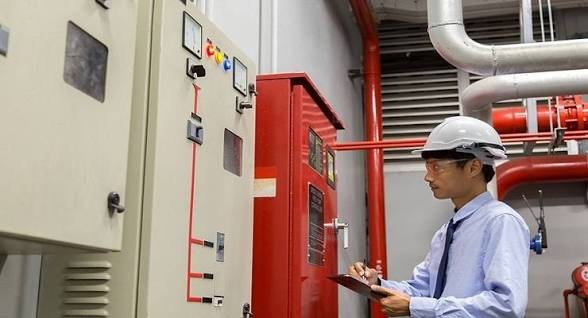
What Is a Fire Hydrant System?
A fire hydrant system is a network of pipes, valves and outlets, connected to a dedicated water supply and pumps, that provides water to firefighters at various points inside and around a building or site. Hose lines are connected to the hydrant outlets, and water is delivered to the fire through nozzles or monitors.
A complete fire hydrant system generally consists of:
- Water source: underground or overhead fire water tanks, reservoirs, or a reliable municipal supply
- Fire pump set: electric main pump, diesel standby pump and a jockey pump to keep the system pressurized
- Piping network: a looped underground ring main around the site, with branches to hydrants and buildings, and risers inside the buildings
- Valves: isolation valves, check valves and control valves to allow sections to be shut off for maintenance
- Hydrant outlets: external hydrants and internal landing valves
- Accessories: hose pipes, couplings, branch pipes, nozzles, hose boxes, hydrant keys and signage
- Fire brigade connections: inlets that allow the fire brigade to pump water into the system from outside
- Monitoring and controls: pressure switches, pump controllers, flow tests connections and, where required, links to the fire alarm system
Unlike a sprinkler system, which operates automatically, a hydrant system is operated manually by trained people, normally the fire brigade or the building’s trained emergency team. It supports the active firefighting that takes place once a fire has grown beyond the control of first-aid tools.
Why Fire Hydrant Systems Matter in Pakistan
Municipal water cannot be relied upon
In most Pakistani cities, municipal water pressure and supply are inconsistent, and street hydrants, where they exist, may be out of service or lack adequate pressure. A private hydrant system, with its own storage tank and pump set, gives a building or site a firefighting water supply that it controls.
Fire brigade access can be delayed
Traffic congestion, narrow roads and distance can delay the arrival of fire tenders. When they arrive, they need water immediately. Having hydrants on site means firefighters do not waste valuable minutes searching for water sources or running long hose lines from distant supplies.
Large and complex sites
Factories, industrial estates, warehouses, universities, hospitals, ports and housing societies have large grounds and many buildings. A fire in one part may need water from several directions. A ring main with hydrants located around the buildings provides this coverage.
High-rise buildings
In tall buildings, firefighters cannot lay hoses from the ground to the upper floors quickly. Internal risers with landing valves on each floor give them water close to the fire, saving time and effort, and protecting firefighters.
Support for sprinklers and other systems
The same tanks and pumps often serve sprinklers, hose reels and hydrants. A well-designed hydrant system therefore strengthens the whole fire protection strategy of a building.
Protecting lives, assets and business continuity
Fires in industrial and commercial buildings can cause huge financial losses and loss of jobs. Water available in quantity, at the right pressure, near the fire, is the single most important factor in preventing a major loss.
Insurance and compliance
Insurers and authorities usually expect industrial, commercial, institutional and high-rise buildings to have hydrants, risers and fire pumps appropriate to the building. A properly designed, tested and documented hydrant system supports approvals, occupancy and insurance requirements.
Types of Fire Hydrant Systems
1. External (Yard) Fire Hydrant Systems
External hydrants are installed outdoors, around buildings and along the site’s roads, supplied by an underground ring main. They allow fire tenders to connect hoses and deliver water to the building or to adjacent areas.
Common external hydrant types
- Pillar (above-ground) hydrants: visible, easy to reach and operate, widely used in industrial sites, campuses and housing societies. They have one or more outlets, and a control valve operated with a hydrant key or wheel.
- Underground (pit) hydrants: installed below ground level in a pit with a cover, used where above-ground structures would obstruct traffic or appearance. They need a standpipe to connect.
- Wet barrel hydrants: the barrel is always full of water, with separate valves at each outlet. They suit places that are not subject to freezing, which includes most of Pakistan.
- Dry barrel hydrants: the main valve sits below the frost line, and the barrel remains empty until opened, preventing freezing. They are suitable for very cold areas, which might include some high-altitude parts of the country.
Ideal for: factories, industrial estates, warehouses, universities, hospitals, large commercial complexes, ports, and housing societies.
2. Internal Fire Hydrant Systems (Landing Valves and Risers)
Inside buildings, hydrants take the form of landing valves located on each floor, typically in stairwells or lobbies, connected to vertical pipes called risers. Firefighters or trained staff connect hoses to the landing valve and advance to the fire.
Wet riser systems A wet riser is permanently filled with water and kept under pressure by pumps. Water is available instantly when the landing valve is opened. Wet risers are standard in tall buildings and are designed with a pump set and tank.
Dry riser systems A dry riser is an empty vertical pipe that is charged with water only when the fire brigade connects their pump to the inlet at the ground floor. Dry risers are used in medium-height buildings where a permanent wet riser is not required.
Down-comer systems In some buildings, water is supplied from a rooftop tank to floors below by gravity, though these require careful design for adequate pressure.
3. Hose Reel and Hydrant Combined Systems
Many buildings use the same pump and tank for both hose reels and hydrants, with separate pipe systems and pressure control. This gives occupants a first-aid firefighting tool (hose reels) and firefighters the larger hydrants.
4. Standpipe and Hose Systems
Under NFPA 14, standpipe systems are classified by how they are used:
- Class I: for use by fire departments and trained responders, with larger hose connections
- Class II: for use by trained building occupants, with smaller hose stations and hoses
- Class III: combination of both
The class selected depends on the building size, height, occupancy and local regulations.
5. Fire Pump and Tank Systems for Hydrants
Underground and overhead tanks, electric and diesel pumps, and jockey pumps form the supply backbone. In Pakistan, where electrical supply is unreliable, a diesel-driven main or standby pump is essential for hydrant systems.
6. Fire Monitor Systems
For high-hazard areas, such as fuel storage, chemical plants and large warehouses, fixed or portable monitors (water cannons) connected to the hydrant network provide long-range, high-volume water streams.
Main Components of a Fire Hydrant System
Fire Water Storage Tanks
Tanks hold the water reserve that the system will use during a fire. Their capacity is set by the hazard and the duration for which the system must operate, based on the applicable standard and design calculations. They may be underground reinforced concrete tanks, or overhead and ground-level steel or concrete tanks. They need properly designed inlets, outlets, level indicators, overflow arrangements, drain valves, vortex protection at the suction, and a provision for refilling that does not compromise the fire reserve.
Fire Pump Set
The pump set boosts water pressure and flow to the hydrants. A typical arrangement includes:
- Electric main pump for normal operation
- Diesel engine-driven pump that works if power fails, which is critical given load-shedding
- Jockey pump to hold the system at its working pressure and compensate for small leaks, so the main pumps do not start unnecessarily
- Pump controllers and panels to start pumps automatically on pressure drop
- Test header, flow meter and relief arrangements for performance testing
- Pump room provisions: ventilation, drainage, lighting, fuel storage for the diesel pump and safe access
The design and installation of fire pumps follow NFPA 20.
Underground Ring Main
A loop of buried pipe around the site gives water to hydrants from more than one direction. If one section is damaged or isolated, the rest of the system keeps working. Typical materials include ductile iron, HDPE, GRP or other approved piping, laid with proper bedding, thrust blocks, depth and corrosion protection. Design and installation follow NFPA 24 principles.
Hydrant Valves and Landing Valves
External hydrant valves control water to the outlets, and internal landing valves are installed at each floor or level on risers. They are usually gunmetal or other approved material with standard couplings, and fitted with caps and chains to protect threads.
Hose Pipes and Hose Boxes
Hoses used with hydrants are larger than those of hose reels, often lay-flat or rubber-lined types in standard lengths, with couplings at both ends. They are kept in hose boxes or cabinets next to hydrants and landing valves, together with branch pipes (nozzles) and hydrant keys, so that equipment is ready to use.
Branch Pipes (Nozzles)
Branch pipes control the water stream. Different types give straight jets, spray or fog patterns.
Fire Brigade Inlet (Breeching Inlet)
An inlet connection on the outside of the building allows the fire brigade to pump water into dry risers, or to supplement wet risers and sprinkler systems, from fire tenders or other water sources.
Isolation and Control Valves
Valves allow sections of the system to be isolated for maintenance or repair. They must be supervised or secured in the open position to avoid being left closed accidentally.
Signage and Marking
Hydrants should be identified by signs and, where used, by color coding. In many fire protection practices, hydrants are painted in standard colors, and the bonnet or cap color may show the available flow, which helps firefighters plan their operations.
How We Design Your Fire Hydrant System
Step 1: Site Survey and Hazard Assessment
We study the site layout, building heights, access roads, occupancy types, storage hazards, existing water sources and authority requirements.
Step 2: Water Demand Calculation
Using the applicable standards and the hazards present, we determine the required flow rate, pressure and duration of supply. This takes into account the number of hydrants expected to operate at the same time, hose stream allowances for firefighting, and any demand from sprinkler or hose reel systems that share the same supply.
Step 3: Tank and Pump Sizing
We size the fire water tank and select pumps (electric, diesel and jockey) to meet the required flow and pressure with an appropriate safety margin, and design the pump room.
Step 4: Hydrant Layout and Ring Main Design
Hydrants are placed so that every part of the buildings and yard is within reach of hoses from at least one, and often two, hydrants, with locations that fire tenders can reach easily and that are protected from traffic damage. The ring main is arranged to give redundancy, with isolation valves positioned to limit the impact of repair work.
Step 5: Internal Risers and Landing Valves
For buildings, we design risers, landing valve locations, hose cabinet positions and fire brigade inlets, ensuring that firefighters can reach all areas of each floor with the available hose lengths, and that pressure at the highest outlet is adequate. For tall buildings, we include pressure zoning and pressure reducing arrangements where needed.
Step 6: Integration with Other Systems
Where the same tanks and pumps serve sprinklers and hose reels, we design the system so that demands are coordinated, and connect pump status and flow signals to the fire alarm system.
Step 7: Drawings and Documentation
We produce layout drawings, hydraulic calculations, equipment schedules and specification documents for approvals, consultants and insurers.
Standards and Compliance
NFPA 14: Installation of Standpipe and Hose Systems
Covers the design of internal risers, landing valves, hose connections, pressure and flow requirements, and testing.
NFPA 24: Installation of Private Fire Service Mains and Their Appurtenances
Covers underground piping, hydrants, valves, thrust blocks, flushing and testing of the site ring main.
NFPA 20: Installation of Stationary Pumps for Fire Protection
Covers the selection, installation, testing and acceptance of fire pumps, drivers, controllers and accessories.
NFPA 25: Inspection, Testing and Maintenance of Water-Based Fire Protection Systems
Defines how hydrants, valves, risers, pumps and tanks should be inspected, tested and maintained after installation.
NFPA 291: Recommended Practice for Fire Flow Testing and Marking of Hydrants
Describes how to measure the flow available from hydrants, and how to mark them according to their capacity.
BS 9990 and Other Recognized Practices
Where relevant, we also refer to British practice such as BS 9990 for non-automatic firefighting systems in buildings (wet and dry risers), and manufacturers’ guidance for hydrants, valves and pumps.
Pakistan Building Code and Local Requirements
Fire safety provisions of the Pakistan Building Code, with rules of development authorities such as CDA in Islamabad, RDA in Rawalpindi, LDA in Lahore, KDA and SBCA in Karachi, and PDA in Peshawar, along with requirements from Rescue 1122 and insurers, apply to different building categories. They vary with building height, area and use, and may be updated, so we confirm the exact needs of each project.
Approved Equipment
We supply hydrant valves, hoses, fittings, valves and pumps from recognized manufacturers, with approvals, test certificates and documentation as required by the project.
Industries and Buildings We Protect
Factories and Industrial Estates
Large production halls, raw material stores, finished goods warehouses and utilities are protected by yard hydrants around buildings, with hose boxes at strategic locations and pumps sized for the highest hazard.
Warehouses, Godowns and Logistics Hubs
High storage and large floor areas require strong water supply for firefighting, combining hydrants, monitors and sprinklers.
High-Rise Buildings and Residential Towers
Wet risers or dry risers with landing valves on each floor, a fire brigade inlet at the ground level, and tank and pump arrangements designed for the building height.
Shopping Malls, Plazas and Commercial Complexes
Internal landing valves and external hydrants, with hose cabinets arranged to cover all tenants and common areas.
Hospitals and Clinics
Reliable internal and external water supply for firefighting, with hydrants positioned for easy access and minimum interference with emergency vehicles.
Hotels and Resorts
Hydrants around the property, internal landing valves in corridors and stairs, and a reliable pump room.
Schools, Colleges and Universities
Yard hydrants across campuses, hostels and academic blocks, designed to reach all buildings.
Housing Societies and Residential Complexes
Ring mains and hydrants within the society, particularly for apartment clusters and commercial centers.
Oil, Gas, Fuel and Chemical Facilities
High-flow hydrants and monitors, often combined with foam systems, and with pumps and tanks designed for the highest hazard.
Power Plants, Substations and Utilities
Hydrants, monitors and water spray systems to protect critical equipment.
Ports, Airports and Large Public Facilities
Extensive hydrant networks with reliable water supply and multiple access points.
Government and Institutional Buildings
Hydrant and riser systems designed to the standards required by authorities.
Fire Hydrant System Installation in Our Core Cities
Fire Hydrant System in Lahore
Lahore has large industrial estates, warehouses, universities, hospitals, shopping centers and tall commercial towers. Flame Defender provides fire hydrant systems in Lahore for:
- Factories and industrial estates, with ring mains and yard hydrants
- Commercial towers and malls, with wet and dry risers and pump sets
- Universities and hospitals, with campus-wide hydrant networks
- Warehouses and logistics centers
- Housing societies and residential towers
Fire Hydrant System in Karachi
Karachi’s factories, ports, warehouses and high-rise towers need large-capacity firefighting water systems. Flame Defender provides fire hydrant systems in Karachi for:
- Industrial zones such as SITE, Korangi, North Karachi and Port Qasim
- Port-related storage and logistics facilities
- High-rise towers, malls and hotels
- Hospitals, universities and corporate campuses
- Fuel, chemical and energy facilities
Karachi’s coastal environment accelerates corrosion, so we pay particular attention to the selection of pipe material, coatings, valves and pump room equipment, and recommend a regular maintenance program. Because water supply and power can be unreliable, a dedicated fire water tank and diesel-driven pump are strongly recommended.
Fire Hydrant System in Rawalpindi
Rawalpindi has commercial plazas, hospitals, schools, housing societies and growing industries. Flame Defender provides fire hydrant systems in Rawalpindi for:
- Commercial plazas, markets and shopping centers
- Hospitals and educational institutions
- Hotels, marriage halls and housing society buildings
- Workshops, warehouses and factories
Fire Hydrant System in Islamabad
Islamabad has government buildings, corporate towers, embassies, hotels, hospitals, universities and modern residential developments, where approval processes and design standards are typically strict. Flame Defender provides fire hydrant systems in Islamabad for:
- Corporate and commercial towers
- Government and institutional buildings
- Hotels, hospitals and educational campuses
- Residential apartment complexes and mixed-use developments
Fire Hydrant System in Peshawar
Peshawar’s plazas, hospitals, universities, hotels, markets and industrial areas need dependable water for firefighting. Flame Defender provides fire hydrant systems in Peshawar for:
- Plazas and commercial buildings
- Hospitals, medical colleges and clinics
- Universities, schools and hostels
- Hotels, marriage halls and industrial units
Where buildings are in colder or higher areas, we consider dry barrel hydrants or freeze protection as needed.
Other Cities
We also support projects in Faisalabad, Multan, Gujranwala, Sialkot, Hyderabad, Quetta and other cities across Pakistan.
Our Process: From Survey to Lifetime Support
Step 1: Consultation and Site Survey
We visit your site, review drawings, study access roads, buildings, water sources and hazards, and discuss your requirements and budget.
Step 2: System Design and Hydraulic Calculation
We prepare the design for tanks, pumps, ring main, hydrants, risers and accessories, backed by calculations.
Step 3: Approval Support
We provide drawings and documentation for consultants, authorities and insurers.
Step 4: Supply of Equipment
We supply pumps, pipes, hydrants, valves, hoses and accessories that meet the specifications.
Step 5: Installation
Our trained teams install underground and above-ground piping, hydrants, risers, pump sets, controllers and hose boxes, coordinating with civil, mechanical and electrical trades.
Step 6: Flushing and Pressure Testing
Pipes are flushed to remove dirt and debris, and then pressure-tested to verify that joints and pipework are sound, in line with the applicable standard.
Step 7: Flow Testing and Commissioning
Pumps are tested for performance, hydrants are flow-tested, controls and alarms are verified, and the whole system is commissioned and recorded.
Step 8: Handover and Training
We deliver as-built drawings, manuals, test certificates and training for your staff on pump operation, valves, hydrant use and routine checks.
Step 9: Maintenance and Support
Our maintenance service keeps the system reliable, in line with NFPA 25 practice.
Hydrant Flow Testing
A hydrant system is only valuable if it delivers the water you expect. Flow testing measures the actual performance of hydrants and the water supply behind them.
What is measured
- Static pressure: the pressure in the system when no water is flowing
- Residual pressure: the pressure remaining while water is flowing from one or more hydrants
- Flow rate: the volume of water flowing from the hydrant outlet, measured with a pitot gauge or flow meter
These readings are used to determine the available flow at a given pressure, and show whether the system can meet the design requirements.
Why it matters
- Confirms the system works as designed after installation
- Shows deterioration over time, such as blocked pipes, closed valves or weak pumps
- Reveals the effect of changes in supply, new connections or added demand
- Supports hydrant marking by flow capacity
- Provides data for insurers, consultants and fire brigades
Hydrant color coding by flow
Many fire protection practices, such as NFPA 291, suggest marking hydrants by the flow available, so that firefighters can immediately tell how much water they can expect:
| Color | Typical Available Flow (approximate) |
|---|---|
| Blue (very good) | 1,500 gpm and above |
| Green (good) | 1,000 to 1,499 gpm |
| Orange (marginal) | 500 to 999 gpm |
| Red (inadequate) | Below 500 gpm |
Color codes and values are used as a guide, and requirements for your site depend on the standard, the authority and the design.
Fire Hydrant Inspection, Testing and Maintenance
Hydrant systems can sit unused for years, and then must work perfectly in a crisis. They need regular attention, and NFPA 25 is the main reference for how to do it.
Typical inspection and testing routine
| Frequency | Typical Activities | Responsibility |
|---|---|---|
| Weekly / Monthly | Visual check of hydrants, landing valves, hose boxes and signage; check that hydrant caps are in place and access is clear; check pump room conditions, fuel level, battery and gauge readings; run the pumps as required | Building staff / maintenance team |
| Quarterly | Inspect hydrants, valves and hose boxes in more detail; operate valves; check for leaks, corrosion and damage; test alarms and supervisory devices | Qualified technician |
| Six-monthly | Test and exercise landing valves and hydrant valves; check hose condition; test pump automatic starts | Qualified technician |
| Annually | Full hydrant flow test; pump performance test (no-flow and flow); full valve exercise; inspection of tank, pipework and supports; hose and branch pipe inspection; written report | Qualified fire protection contractor |
| Every 5 years | Internal pipe and valve condition checks, and other long-interval requirements | Qualified fire protection contractor |
| After use or repair | Drain, inspect, test and return to service | Qualified technician |
Exact intervals can differ by system type and the edition of the standard in force, so we prepare a tailored schedule for each client.
Typical hydrant checks include
- Hydrant body, outlets and threads are undamaged and free of corrosion
- Caps and chains are in place and can be removed
- Valves open and close smoothly, and are left in the correct position
- No leakage from the barrel, stem, gland or outlets
- Hydrant is not obstructed by vehicles, stored goods, plants, walls or other structures
- Hydrant is drained, where applicable, and no water remains in dry barrel types
- Hose, branch pipes, hydrant keys and couplings in hose boxes are complete and in good condition
- Signage and identification are visible and legible
- Landing valves on each floor operate properly and are not blocked
Common problems we find
- Closed or partially closed valves that reduce or stop flow
- Blocked or covered hydrants hidden by vehicles, stock, vegetation or construction
- Seized valves and stuck caps from lack of use or corrosion
- Leaking glands, barrels and outlets
- Damaged, stolen or missing hoses, nozzles and keys
- Corroded pipes and fittings, especially in humid or coastal conditions
- Low flow and pressure due to pump problems, blocked strainers, scale or insufficient tank levels
- Diesel pump failures from flat batteries, empty fuel tanks or poor maintenance
- Pump controllers left in the wrong mode, such as manual instead of automatic
- Low water level in tanks because of leaks or diverted use
- Out-of-date inspection tags and records
Impairment management
When any part of the system must be shut off for repair or work, it is called an impairment. During impairments, a clear procedure should be followed: inform the relevant people, limit the duration, provide alternative protection such as a fire watch or temporary connections, and restore the system promptly. We help clients to set up this process.
Annual Maintenance Contracts (AMC)
Flame Defender offers AMCs for hydrant systems, fire pumps and related equipment, with scheduled inspections, flow tests, pump runs, repairs, priority emergency response and complete reports in Lahore, Karachi, Rawalpindi, Islamabad, Peshawar and other cities. AMCs can be combined with sprinkler systems, fire alarms, hose reels and extinguishers.
Fire Hydrant System Price in Pakistan: What Affects the Cost?
People often search for “fire hydrant system price in Pakistan.” There is no single price, because a hydrant system for a small building and one for a large industrial estate are completely different projects. Prices also vary with exchange rates, steel and equipment availability. The key factors are:
- Site size and layout: length of ring main, number of hydrants, building heights and the number of risers.
- Water demand: higher hazards need more flow, larger pipes, bigger pumps and larger tanks.
- Water storage: the size and construction of tanks, including civil works, can be a major part of the cost.
- Pump sets: electric, diesel and jockey pumps, controllers and the pump room.
- Piping materials: ductile iron, HDPE, GRP, steel or other approved pipes, with different cost and installation requirements.
- Excavation and civil work: soil conditions, road crossings, depth of burial and restoration of surfaces.
- Number and type of hydrants and landing valves.
- Hose boxes, hoses and accessories.
- Integration: connection to sprinkler systems, hose reels and fire alarm systems.
- Approvals and documentation.
- Maintenance contract.
The cheapest quotation is not always the best. A poorly designed hydrant system, with undersized pipes, inadequate water storage or unreliable pumps, may not deliver the water that firefighters need. Compare quotations on design basis, calculations, equipment quality, experience and after-sales support, not just on price.
Why Choose Flame Defender for Fire Hydrant Systems?
Complete fire protection partner. Hydrants, sprinklers, fire pumps, hose reels, extinguishers, alarms and suppression systems from one team, so everything works together.
Engineered, not guessed. Every project starts with a survey, hazard assessment and hydraulic calculation, and we size tanks, pumps and pipes properly.
Standards-based design. Our work follows NFPA 14, NFPA 24, NFPA 20 and NFPA 25 principles, with reference to Pakistan fire safety requirements.
Reliable equipment. We supply quality hydrants, valves, hoses, pumps and accessories, with documentation and test certificates.
Built for Pakistani conditions. We account for unreliable power and water supply, hot and humid climates, coastal corrosion and the realities of local construction.
Testing and documentation. Flushing, pressure tests, flow tests and complete records are part of our standard handover.
Trained engineers and technicians. Design, installation, testing and maintenance are done by skilled professionals.
Presence in Pakistan’s key cities. We serve Lahore, Karachi, Rawalpindi, Islamabad and Peshawar, and understand local approvals and conditions.
Long-term support. We continue to support you after installation through maintenance contracts, upgrades and responsive service.
Frequently Asked Questions
What is a fire hydrant system? It is a network of pipes, valves and outlets connected to a dedicated water supply and pumps, which provides water to firefighters at hydrants and landing valves around and inside a building or site.
What is the difference between a fire hydrant and a hose reel? A hose reel is a small, permanently connected hose mounted on a reel, designed for building occupants to tackle small fires. A hydrant outlet connects to larger hoses, usually used by trained firefighters, delivering a much greater volume of water.
What is the difference between a hydrant system and a sprinkler system? A sprinkler system operates automatically when heat opens a sprinkler head, and discharges water directly onto the fire. A hydrant system is operated manually by trained people who connect hoses to hydrants and direct water at the fire. They work well together.
What is the difference between a wet riser and a dry riser? A wet riser is permanently filled with water and pressurized by pumps, so water is available immediately. A dry riser is empty until the fire brigade pumps water into it through an inlet, and is suited to medium-height buildings.
Do I need a fire pump for my hydrant system? In most buildings in Pakistan, yes. Municipal supply is rarely reliable enough, so hydrant systems normally need a dedicated tank and pump set, including a diesel-driven pump for power failures.
How much water storage do I need? It depends on the hazard, the design flow rate and the required duration of supply, determined by the applicable standard and hydraulic calculations. We calculate the exact tank capacity for your site.
How many hydrants does my site need? It depends on the size of the site, building layout, hazard and standard in force. Hydrants are placed so that all buildings can be reached by hoses from nearby hydrants, with suitable access for fire tenders. We determine the number and location through design.
How often should hydrants be tested? Staff should do visual checks weekly or monthly, with periodic tests by a qualified contractor, and a full flow test and pump test at least once a year, in line with NFPA 25 and your authority or insurer. We prepare a tailored schedule.
What is a hydrant flow test? It measures static pressure, residual pressure and flow from hydrants to determine how much water is actually available, and shows whether the system performs as designed.
Are hydrant systems required by law in Pakistan? Fire safety provisions of the Pakistan Building Code and local authority rules require firefighting water systems in many categories of buildings, especially high-rise, commercial, industrial and institutional buildings. Requirements vary by city, height and use, so check with your authority or ask us to confirm for your project.
Can you add hydrants to an existing building or site? Yes. We assess your existing water supply and pipework, and design extensions or upgrades with minimal disruption.
Can you test and maintain hydrant systems installed by others? Yes. We can inspect, test and maintain hydrant systems regardless of who installed them.
Who can use fire hydrants? Hydrants are intended for use by the fire brigade and by people trained in their operation. Untrained use can be dangerous because of the high pressure and flow, so staff training is important.
What happens if the hydrant system has low pressure? Common causes include pump problems, closed valves, blocked strainers, low tank level, corroded or undersized pipes, or increased demand. A flow test and system inspection will identify the cause, and we can repair or upgrade the system.
How much does a fire hydrant system cost in Pakistan? The cost depends on the size of the site, water demand, tanks, pumps, pipe materials, civil works and building height. We provide a detailed quotation after a site survey.
Make Sure the Water Is There When Firefighters Arrive
When a large fire breaks out, firefighters need one thing above all: water, in quantity, at pressure, right next to the fire. A well-designed, properly tested and carefully maintained fire hydrant system gives them exactly that.
Speak to the Flame Defender team about a free site survey and a tailored fire hydrant solution for your building or site in Lahore, Karachi, Rawalpindi, Islamabad, Peshawar or anywhere in Pakistan. We will assess your needs, explain your options in plain language, and deliver a system that you can rely on.
Frequently Asked Questions (FAQs)
Find quick answers to common queries regarding our fire safety & security solutions.
A fire hydrant system is a fixed fire protection system that provides a reliable water supply for firefighting through hydrant outlets, hose reels, landing valves, pipes, and fire pumps. It enables trained personnel and firefighters to quickly control and extinguish fires.
A fire hydrant system provides immediate access to high-pressure water during a fire emergency. It helps protect lives and property, supports fire brigade operations, reduces fire damage, and assists buildings in meeting fire safety requirements.
Fire hydrant systems are commonly installed in:
- Commercial Buildings
- High-Rise Buildings
- Factories
- Warehouses
- Shopping Malls
- Hospitals
- Hotels
- Schools and Universities
- Industrial Plants
- Oil & Gas Facilities
- Residential Complexes
- Airports
A typical fire hydrant system includes:
- Fire Water Storage Tank
- Fire Fighting Pump
- Jockey Pump
- Diesel Fire Pump (where required)
- Fire Hydrant Valves
- Landing Valves
- Hose Reels
- Fire Hoses
- Branch Pipes and Nozzles
- Hydrant Pillars
- Pipe Network
- Fire Pump Control Panel
The cost of a fire hydrant system depends on the building size, pipe network, number of hydrant points, fire pumps, water storage capacity, and installation requirements. Flame Defender provides customized system designs and competitive quotations for projects across Pakistan.
A fire hydrant system is primarily operated manually by trained personnel using hoses and nozzles to fight fires. A fire sprinkler system operates automatically, with sprinkler heads activating individually when exposed to heat. Many commercial and industrial buildings use both systems together for comprehensive fire protection.
Fire hydrant systems should be inspected regularly to ensure all components remain operational. Professional testing should include hydrant valves, hose reels, fire pumps, water pressure, and flow performance at scheduled intervals, with comprehensive servicing typically performed annually.
Our fire hydrant system services include:
- Site survey
- Fire protection system design
- Hydraulic calculations
- Supply of hydrant equipment
- Pipe network installation
- Fire pump installation
- Pressure and flow testing
- Commissioning
- Preventive maintenance
- Annual inspection and servicing
Yes. Flame Defender can design and install fire hydrant systems for both new and existing buildings. Our engineers evaluate your facility and develop a solution that meets your fire protection requirements while minimizing disruption to operations.
Yes. Flame Defender provides professional fire hydrant system design, supply, installation, testing, commissioning, inspection, repair, and maintenance services across Karachi, Lahore, Islamabad, Rawalpindi, Faisalabad, Multan, Peshawar, Quetta, Sialkot, Gujranwala, Hyderabad, and Sukkur. We deliver reliable fire hydrant solutions for commercial, industrial, and residential projects in accordance with recognized fire safety standards.
Do you need help?
If you have any question,
Feel free to call us
Call Us Today At +971 58 209 8776 We are available to help 9am to 7pm.
Secure Your Commercial & Industrial Projects with Certified Systems
From high-rise buildings in UAE to industrial plants across Pakistan, we engineer NFPA-compliant Fire Alarms, Hydrant Systems, and Walkthrough Security Gates. Get full compliance and smooth approval from Civil Defence authorities.
Request a Technical Proposal
Direct WhatsApp Query ✉️ Email RFP / DrawingsAverage response time for technical estimates: < 2 Hours
Flame Defender
Trusted name in fire safety equipment, installation, and maintenance. Certified solutions for homes, offices, factories and commercial buildings since 2010.
Our Locations
-
Head Office:
Dubai, UAE
Call: +971582098776 -
Branch:
Islamabad, Rawalpindi
Call: 923114233334
Our Services
Get In Touch
- Email:
sales@flame-defender.com
info@flame-defender.com
- Mon - Sat: 9:00 AM - 7:00 PM