
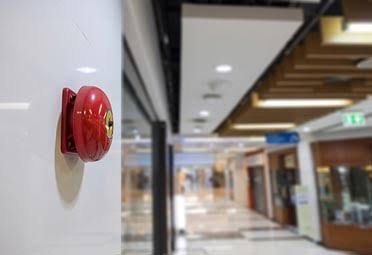
A shopping mall is more than a collection of retail stores. It is a busy commercial environment where shoppers, employees, security personnel, cleaners, contractors, restaurant workers, and delivery staff share the same building. From clothing shops and supermarkets to food courts, cinemas, offices, and entertainment areas, every part of a mall has its own fire risks.
A fire emergency in a shopping mall can affect hundreds or even thousands of people. Smoke may spread beyond the original location, visitors may be unfamiliar with emergency exits, and crowded corridors can make evacuation more difficult. Businesses may also suffer property damage, interrupted operations, financial losses, and reputational harm.
That is why mall fire safety should never be treated as the responsibility of only the building owner or security department. Every business operating inside a mall has a role in preventing fires, maintaining safe premises, and supporting emergency procedures.
In Pakistan, where shopping malls are important commercial destinations in major cities, effective fire-safety planning is essential. The Building Code of Pakistan Fire Safety Provisions 2016 provides an important national reference for building fire safety. Businesses should also understand the requirements of their relevant local authorities.
Here are the key reasons every business needs to take mall fire safety seriously.
1. Protecting Customers, Employees, and Visitors
The most important purpose of mall fire safety is protecting human life. Shopping malls welcome people of different ages and abilities, including children, older adults, and people who may need assistance during an emergency.
Unlike employees, customers usually do not know the building’s layout. They may not know where emergency exits are located, which stairways are designated for evacuation, or where to gather after leaving the building.
A suitable fire-safety programme helps reduce confusion by providing clear warnings and evacuation arrangements.
Early Detection and Warning
Fire detection systems are designed to identify signs of fire and alert occupants. Depending on the building’s design and risk assessment, these systems may include smoke detectors, heat detectors, manual call points, alarm panels, and audible or visual warning devices.
A properly designed fire alarm system in Pakistan can help provide early notification in shopping malls and other commercial buildings. However, equipment alone is not enough. It must be suitable for the building, professionally installed, tested, and maintained.
Mall management should ensure that warning signals can reach relevant areas, including:
- Retail shops and department stores.
- Food courts and restaurant kitchens.
- Corridors and common areas.
- Cinemas and entertainment facilities.
- Offices and staff rooms.
- Storage and service areas.
- Parking and other occupied spaces where required.
Alarm arrangements should also consider people who may not hear an audible warning clearly. Visual notification and other appropriate communication methods may be necessary in certain areas.
Clear Emergency Exits
Customers should be able to identify safe exit routes without needing detailed knowledge of the building.
Emergency exits, stairways, corridors, and access routes must remain clear. Shops should not place promotional displays, cartons, furniture, or other items where they obstruct escape routes.
Exit signs and emergency lighting should be maintained according to the building’s design and applicable requirements.
Every business should understand which exits are available to its employees and customers and should never assume that visitors will automatically know where to go.
2. Reducing Fire Risks in Different Types of Businesses
A shopping mall contains many types of businesses, and each may create different fire hazards. A restaurant kitchen has different risks from a clothing shop, electronics store, supermarket, or cinema.
For this reason, mall fire safety should consider the activities taking place in every unit rather than applying a single general approach to all tenants.
Restaurants and Food Courts
Restaurants may use cooking equipment, electrical appliances, gas installations, extraction systems, and combustible packaging.
Poor maintenance, unsuitable storage, and unsafe working practices can increase fire risk. Restaurant operators should follow appropriate kitchen-safety procedures, arrange professional inspections, and keep relevant equipment maintained.
Staff should understand the restaurant’s emergency arrangements and know how to respond when the building’s alarm activates.
Clothing and Textile Shops
Clothing stores may contain fabrics, cardboard packaging, plastic wrapping, and display materials. These products can contribute to fire growth.
Retailers should maintain organised storage areas, avoid unnecessary accumulation of packaging, and keep electrical equipment in suitable condition.
Electronics Stores
Electronics shops may contain display equipment, charging devices, electrical connections, and battery-powered products.
Businesses should follow manufacturers’ instructions for product storage, charging, and maintenance. Damaged equipment should be reported and assessed by qualified personnel.
Supermarkets and Department Stores
Large retail spaces may have storage rooms, refrigeration equipment, electrical installations, and delivery areas.
Good housekeeping and clear access routes are important. Staff should also know how emergency announcements and evacuation instructions are communicated.
Cinemas and Entertainment Areas
Entertainment facilities may have enclosed spaces, seating arrangements, lighting systems, and large visitor numbers. Their emergency arrangements should account for visitors who may be unfamiliar with the premises.
A business-specific risk assessment helps identify these differences and determine suitable precautions.
3. Preventing Property Damage and Financial Losses
A fire inside a shopping mall can cause extensive damage to more than the shop where it starts. Smoke, heat, and firefighting operations may affect neighbouring businesses, shared facilities, stockrooms, electrical installations, and common areas.
For an individual retailer, even a small incident can mean damaged inventory, temporary closure, repair expenses, and lost sales. For mall management, the consequences may include damage to shared infrastructure and disruption across the entire property.
Protecting Stock and Business Assets
Retail businesses often keep valuable goods on display and additional inventory in storage rooms. Products may include clothing, furniture, electronics, paper packaging, cosmetics, and other materials that can contribute to fire growth.
Businesses should maintain sensible storage arrangements and avoid unnecessary accumulation of combustible packaging. Stockrooms should remain organised, and access to electrical panels and safety equipment should not be obstructed.
Business owners should also keep important records backed up where practical. Inventory information, supplier details, financial records, and insurance documents can help an organisation manage recovery after an incident.
Business Interruption Can Affect Everyone
A serious fire may force a shop or an entire section of a mall to close. This can affect:
- Retailers who cannot serve customers.
- Employees whose workplaces become unavailable.
- Suppliers whose deliveries are delayed.
- Customers who cannot collect or purchase products.
- Mall management responsible for repairs and reopening arrangements.
Fire prevention and emergency planning help businesses reduce avoidable risks and prepare for possible disruption.
Insurance Is Not a Replacement for Prevention
Businesses should review their insurance arrangements with qualified advisers and understand what their policies cover. However, insurance does not prevent injuries, protect every asset, or guarantee that operations will resume quickly.
The better approach is to combine appropriate insurance with preventive maintenance, safe working practices, suitable fire protection, and an emergency plan.
4. Meeting Safety Responsibilities and Supporting Regulatory Compliance
Mall fire safety is also important because building owners, mall operators, and individual businesses have responsibilities for maintaining safe premises.
A shopping mall contains shared spaces and privately operated units. Mall management may oversee common corridors, central alarm arrangements, emergency exits, and building-wide protection systems. Individual businesses are responsible for maintaining safe conditions within their own premises and following the mall’s emergency procedures.
These responsibilities should be coordinated rather than treated separately.
Pakistan’s Building Fire-Safety Framework
The Building Code of Pakistan Fire Safety Provisions 2016 is an important national reference for building fire safety. It includes provisions addressing fire protection in mercantile occupancies and mall buildings. The code includes requirements for approved automatic sprinkler protection in mall buildings and anchor buildings, subject to the relevant provisions and approval arrangements.
Punjab Civil Defence also identifies several fire-safety measures considered during inspections of industrial, commercial, and high-rise premises. These include:
- Fire detection and alarm systems.
- Firefighting arrangements.
- Fire-safety plans.
- Emergency fire control rooms.
- Emergency exits and evacuation plans.
- Ventilation and air-conditioning arrangements.
These inspection details relate to Punjab. Requirements and enforcement arrangements can differ in other provinces and local jurisdictions. Mall owners and businesses should confirm the rules applicable to their premises with the relevant authority.
Keep Safety Documentation Up to Date
Businesses should understand the mall’s emergency procedures and maintain any records relevant to their own operations.
Useful documentation may include:
- Equipment inspection and maintenance records.
- Staff safety-training records.
- Relevant electrical inspection reports.
- Emergency contact information.
- Internal hazard-reporting records.
- Copies of applicable safety procedures.
Mall management should communicate changes to emergency arrangements, such as revised evacuation routes or changes to alarm procedures.
Compliance should not be treated as a one-time activity. Safety arrangements need to remain suitable as the building, tenants, and business activities change.
5. Building Customer Confidence and Protecting Business Reputation
Customers expect shopping malls to provide an environment where they can shop, eat, work, and spend time with their families without unnecessary safety concerns.
A business that takes fire safety seriously demonstrates responsibility towards its employees, customers, and the wider community.
Safety Is Part of Customer Experience
Customers may not notice a well-maintained alarm panel or a clearly organised service area during an ordinary visit. However, they benefit from the planning and maintenance behind these arrangements.
Visible exit signs, unobstructed corridors, orderly shops, and staff who understand emergency procedures contribute to a more organised shopping environment.
Businesses should also avoid practices that create unnecessary hazards, such as blocking shared walkways with promotional displays or storing packaging in unsuitable areas.
Reputation Can Be Difficult to Rebuild
A fire incident can attract public attention and raise questions about whether safety arrangements were adequate. Even businesses that were not responsible for the original incident may experience reduced customer confidence if the entire mall is affected.
Responsible fire-safety management supports trust by showing that businesses take their duties seriously.
Safety should therefore be considered part of business quality, not simply a technical requirement.
Common Fire Hazards in Shopping Malls
Understanding the five reasons for mall fire safety is important, but businesses should also recognise common hazards that may exist in their own units.
Electrical Equipment and Installations
Retail spaces use lighting, display screens, computers, refrigerators, cash registers, charging equipment, and other electrical devices.
Damaged cables, unsuitable connections, overloaded circuits, and neglected maintenance can increase fire risk. Electrical installations should be inspected and maintained by qualified professionals.
Employees should report damaged equipment and avoid unauthorised repairs.
Cooking and Food Preparation
Restaurants and food outlets may use cooking appliances, extraction systems, electrical equipment, and gas installations.
These businesses should follow suitable kitchen-safety procedures, maintain equipment, and ensure that staff understand the outlet’s emergency arrangements.
Combustible Stock and Packaging
Clothing, paper goods, cardboard cartons, plastic wrapping, and wooden display materials may add to the combustible contents of a shop.
Businesses should manage stock carefully and remove unnecessary packaging rather than allowing it to accumulate in storage or work areas.
Maintenance and Renovation Work
Repair and renovation activities can introduce additional risks, particularly when work affects electrical systems or involves temporary equipment.
Mall management and contractors should ensure that maintenance activities follow approved safety procedures and that affected areas are managed appropriately.
Blocked Emergency Routes
Promotional stands, delivery cartons, furniture, and temporary displays can obstruct corridors or exits.
Businesses should keep their own entrances and internal routes clear and report problems in shared areas to mall management.
The Role of Fire Detection and Alarm Systems in Shopping Malls
Shopping malls often have multiple floors, large common areas, different tenant spaces, and high visitor numbers. A suitable fire detection and alarm arrangement is therefore an important part of the building’s overall safety strategy.
The system should be designed according to the building’s layout, occupancy, applicable requirements, and professional fire-risk assessment.
Depending on the design, it may include:
- Automatic smoke or heat detectors.
- Manual alarm call points.
- Audible warning devices.
- Visual notification devices where appropriate.
- Central alarm monitoring and control equipment.
- Suitable power and backup arrangements.
- Connections with other approved building safety systems where required.
The alarm should be maintained so that warning signals can reach the relevant occupied areas. Mall management should also coordinate system testing with tenants and ensure that staff know how to respond to an alarm.
A building-wide system requires professional design and maintenance. Individual businesses should not alter, disconnect, cover, or interfere with shared detection or alarm equipment.
Why Evacuation Planning Matters
A shopping mall may contain people who have never visited the building before. This makes clear evacuation arrangements especially important.
Mall management should maintain an emergency plan that explains how occupants will be warned, which routes they should use, where they should assemble, and how relevant staff will coordinate the response.
Keep Emergency Exits Accessible
Emergency exits and corridors should remain clear. Shops should not use shared escape routes as temporary storage areas.
Make Signs Easy to Understand
Exit signs should be visible and maintained. Emergency lighting should be provided where required so that routes remain identifiable if normal lighting is affected.
Train Employees
Employees should know the mall’s alarm signals, evacuation instructions, and assembly arrangements. New staff should receive appropriate information before taking up their duties.
Consider People Who Need Assistance
Emergency planning should account for children, older visitors, people with disabilities, and anyone who may need assistance during evacuation.
Coordinate Between Tenants and Management
A shop’s internal arrangements must support the mall’s overall emergency plan. Tenants should know whom to contact if they identify a hazard or need clarification about evacuation procedures.
If an emergency warning sounds, occupants should follow the building’s instructions, leave by the designated safe routes, and avoid using lifts unless the approved emergency plan specifically provides otherwise.
No one should return to the building until emergency authorities or responsible officials confirm that it is safe.
A Practical Mall Fire-Safety Checklist for Businesses
Every business can use the following checklist to review its basic safety arrangements. It is a starting point, not a substitute for a professional assessment or an inspection by the relevant authority.
| Safety Area | What Businesses Should Check |
|---|---|
| Electrical equipment | Arrange suitable inspections and report damaged equipment |
| Storage | Keep stock and packaging organised |
| Emergency exits | Keep shop exits and access routes clear |
| Alarm awareness | Make sure employees recognise the warning signal |
| Shared systems | Never interfere with mall detection or alarm equipment |
| Staff training | Explain emergency procedures to employees |
| Visitors | Follow mall instructions for customer evacuation |
| Housekeeping | Remove unnecessary waste and packaging |
| Maintenance | Report faults and keep relevant records |
| Emergency plan | Understand evacuation routes and assembly arrangements |
Businesses should review these points regularly and whenever their layout, equipment, or activities change.
What Mall Management and Individual Businesses Should Do Together
Effective mall fire safety requires cooperation. Mall management may be responsible for shared infrastructure, but individual businesses influence the safety of their own units and the wider building.
A coordinated approach should include:
- Clear communication: Management should share emergency procedures and important safety updates with tenants.
- Regular inspections: Common areas and individual premises should be reviewed for hazards.
- Equipment maintenance: Shared fire protection and alarm systems should be inspected and maintained by qualified professionals.
- Staff awareness: Tenants should make sure their employees understand evacuation instructions.
- Emergency exercises: Mall management should organise appropriate drills and coordinate participation.
- Hazard reporting: Businesses should report blocked exits, damaged equipment, or other safety concerns promptly.
- Plan reviews: Emergency arrangements should be reviewed when building layouts or occupancy conditions change.
This cooperation helps prevent gaps between the responsibilities of mall management and individual retailers.
Conclusion
Mall fire safety is essential for every business because a shopping mall is a shared environment where the actions of one tenant can affect many other people. Proper safety planning helps protect customers and employees, reduce property damage, limit business disruption, support regulatory responsibilities, and maintain customer confidence.
Businesses should understand their own fire risks, maintain electrical equipment, organise stock safely, keep exits clear, and make sure employees know what to do when an alarm sounds. Mall management must also maintain shared protection systems and coordinate emergency procedures across the building.
A suitable fire alarm system in Pakistan can provide an important early warning, but it must be supported by professional maintenance, clear evacuation arrangements, staff awareness, and cooperation between tenants and building management.
Fire safety is not only the responsibility of the mall owner. Every business has a part to play in creating a safer shopping environment.
Frequently Asked Questions (FAQs)
1. Why is fire safety important in shopping malls?
Fire safety protects customers, employees, visitors, and property. Shopping malls contain many businesses and shared spaces, so an incident in one area can affect people and operations throughout the building.
2. What are common fire hazards in shopping malls?
Common hazards may include electrical faults, cooking equipment, combustible stock and packaging, poorly maintained equipment, and blocked emergency routes. The risks vary according to the activities and layout of each business.
3. Who is responsible for fire safety in a shopping mall?
Mall management is generally responsible for coordinating building-wide safety arrangements and shared facilities. Individual businesses must also maintain safe conditions within their premises, train their employees, and follow the mall’s emergency procedures. Exact legal responsibilities depend on applicable regulations and agreements.
4. Does a shopping mall need a fire alarm system?
The required detection and alarm arrangements depend on the building’s classification, size, occupancy, design, and applicable fire-safety provisions. Mall owners should consult qualified fire-safety professionals and the relevant authority to determine the appropriate system.
5. What should employees do when a mall fire alarm sounds?
Employees should follow the mall’s approved emergency instructions, guide customers towards designated safe exits where appropriate, and proceed to the assembly area. They should not use lifts unless the emergency plan specifically permits it, investigate the source of the alarm, or re-enter until authorities confirm it is safe.
References
- Pakistan Engineering Council – Building Code of Pakistan: Fire Safety Provisions 2016 — includes provisions for mercantile occupancies and mall buildings. PEC
- Punjab Civil Defence – Inspection of Fire Safety Measures — lists fire detection, alarm, firefighting, and evacuation measures considered during inspections in Punjab. Punjab Civil Defence
- Punjab Emergency Service – Building Safety — information about the Punjab Community Safety Act and Building Safety Regulations. Rescue 1122
- Dawn – Owners of High-Rise Buildings Told to Get Fire Safety Certificates — reporting on fire-safety arrangements for commercial buildings in Rawalpindi. Dawn