
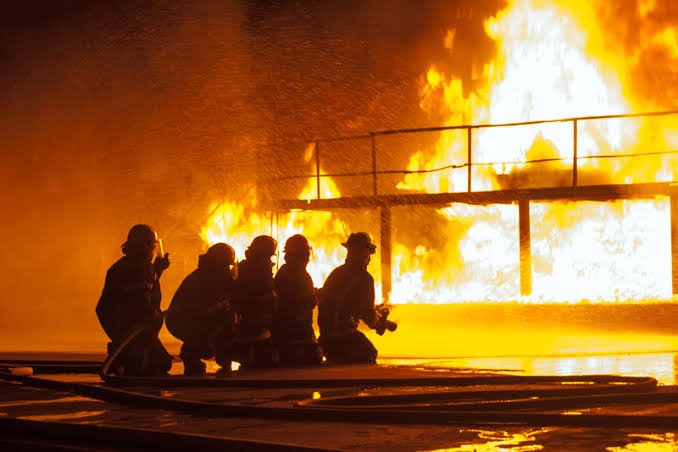
Fire emergencies can happen in homes, schools, offices, factories, shopping centres, and other buildings. Although fire alarms and safety equipment play an important role in protecting people, knowing how to respond when an alarm sounds is equally important. This is where fire drills become valuable.
A fire drill is a planned exercise that helps people practise the actions they should take during an emergency. It familiarises occupants with warning signals, evacuation routes, assembly points, and their responsibilities. It also helps building managers identify problems in emergency arrangements before a real incident occurs.
Despite their importance, fire drills are often misunderstood. Some people believe they are unnecessary interruptions, while others think they are only useful in schools or large commercial buildings. These misunderstandings can reduce participation and weaken emergency preparedness.
For buildings in Pakistan, fire drills should be considered an important part of a wider fire-safety programme. Here are five common myths about fire drills and the facts that explain why they matter.
Myth 1: Fire Drills Are Only Necessary in Schools
One of the most common misunderstandings is that fire drills are mainly designed for students and teachers. Schools do need regular evacuation practice, but fire drills are also relevant to many other types of buildings.
Offices, factories, warehouses, hospitals, hotels, shopping centres, restaurants, and residential buildings may all have different emergency risks. The people inside these buildings need to understand how to respond if a fire alarm activates.
Why This Myth Is Incorrect
Different buildings have different layouts, occupants, and operational activities.
For example:
- Offices: Employees may work across several floors, meeting rooms, and departments.
- Factories: Workers may operate machinery or work in areas with background noise.
- Warehouses: Large storage areas can make it difficult to identify the nearest suitable exit.
- Hospitals: Patients may require assistance from trained staff during evacuation.
- Shopping centres: Visitors may be unfamiliar with the building’s emergency exits.
- Hotels: Guests may not know the layout or evacuation arrangements.
- Restaurants: Employees and customers may be spread across kitchens, dining areas, and other spaces.
A fire drill helps people become familiar with the arrangements relevant to their environment.
The Importance of Workplace Fire Drills
In workplaces, emergency responsibilities should be clearly explained. Employees should know how to recognise the alarm, where to go, and whom to follow during an evacuation.
New employees should receive appropriate emergency information when they join an organisation. Existing workers should also receive updated guidance when procedures, equipment, or building layouts change.
The UK government’s workplace fire-safety guidance recommends carrying out at least one fire drill annually and recording the results. This is an example of international guidance, not a universal legal requirement for every Pakistani workplace.
The appropriate frequency in Pakistan should be determined by the building’s risk assessment and applicable local requirements.
Myth 2: Fire Drills Are a Waste of Time and Reduce Productivity
Some business owners and employees view fire drills as interruptions to normal work. They may believe that leaving workstations for a practice exercise wastes valuable time.
However, this viewpoint overlooks the purpose of emergency preparation.
Why This Myth Is Incorrect
A fire emergency can interrupt business operations far more seriously than a planned drill.
Without practice, people may become confused about which exit to use, where to assemble, or how to respond to an alarm. Uncertainty can create delays and make an emergency more difficult to manage.
Fire drills allow organisations to review whether their procedures are understandable and practical.
Fire Drills Support Better Workplace Planning
A planned exercise can help management identify problems such as:
- Emergency exits that are difficult to locate.
- Exit routes blocked by furniture or stored materials.
- Alarm signals that cannot be heard clearly in certain areas.
- Unclear responsibilities among designated staff.
- Assembly points that are unsuitable or poorly identified.
- Difficulties accounting for visitors and contractors.
- Evacuation arrangements that do not consider people who need assistance.
These findings can help organisations improve their safety arrangements.
Productivity and Safety Should Work Together
A well-organised drill can be scheduled to reduce unnecessary disruption while still involving the people who need to participate.
The goal is not to make employees leave work as quickly as possible. The main objective is to help everyone understand the correct emergency procedure.
The National Fire Protection Association’s employee evacuation guidance highlights that orderly evacuation is more important than simply achieving the fastest evacuation time.
Fire drills should therefore be treated as a workplace safety activity rather than an unnecessary interruption.
Myth 3: Installing a Fire Alarm System Means Fire Drills Are No Longer Needed
Modern fire detection and alarm technology can provide important early warnings. Some buildings have interconnected alarms, automatic detectors, manual call points, and central monitoring arrangements.
Because of these systems, some building owners assume that regular fire drills are unnecessary.
This is a misunderstanding of how fire protection works.
Why This Myth Is Incorrect
A fire alarm system can notify occupants of a possible emergency, but it cannot automatically ensure that everyone knows how to respond.
People still need to understand:
- What the warning signal means.
- Which routes are designated for evacuation.
- Where the assembly point is located.
- Who is responsible for coordinating the evacuation.
- How visitors should receive assistance.
- How people with mobility or other support needs will be accommodated.
An alarm provides a warning. A fire drill helps people practise their response to that warning.
Equipment and Human Preparedness Work Together
A complete fire-safety programme combines suitable equipment with clear procedures and regular maintenance.
Depending on the building’s requirements, this may include:
- Smoke or heat detectors.
- Manual call points.
- Audible and visual alarm devices.
- Emergency lighting.
- Clearly identified escape routes.
- Appropriate firefighting equipment.
- Written emergency procedures.
- Staff awareness and evacuation exercises.
The selection and arrangement of equipment should be based on the building’s design, occupancy, and fire-risk assessment.
A properly designed fire alarm system in Pakistan can support early warning in residential, commercial, and industrial buildings. However, its effectiveness depends on suitable installation, testing, maintenance, and integration with an emergency plan.
A building with modern equipment but no practical evacuation preparation may still have serious weaknesses.
Myth 4: People Already Know What to Do During a Fire
Another common myth is that people will automatically know how to respond when an emergency occurs.
Some individuals assume that leaving through the nearest door is always enough. Others believe that they will remember the safety instructions displayed around their workplace.
In reality, unfamiliarity with the building and uncertainty about emergency procedures can make a real incident confusing.
Why This Myth Is Incorrect
People may react differently when an unexpected alarm sounds. They may hesitate, look for instructions, or become unsure about where to go.
Visitors and temporary workers may be especially unfamiliar with the building’s layout.
A fire drill gives occupants an opportunity to practise the procedures they have been taught.
What People Should Learn Before an Emergency
Everyone who regularly occupies a building should understand its basic emergency arrangements.
These include:
Alarm recognition: People should know which sound or signal indicates an evacuation warning.
Exit locations: Occupants should be familiar with suitable exits and alternative escape routes.
Assembly areas: Everyone should know where to gather after leaving the building.
Communication: Workers should understand how emergency information will be shared.
Accountability: A designated person should know how occupants will be accounted for after evacuation.
Special assistance: Arrangements should be made for people who may need help leaving the building.
The Importance of Clear Instructions
Emergency instructions should be simple, accessible, and suitable for the people using the building.
For example, a hospital evacuation plan may require arrangements for patients who cannot move independently. A shopping centre may need procedures for visitors who are unfamiliar with the exits. A factory may need to consider noisy work areas and shift-based staffing.
Fire drills help organisations review whether their instructions are practical for these different situations.
Myth 5: One Fire Drill Is Enough for the Entire Year or Forever
Some organisations conduct one fire drill and then assume their emergency preparation is complete.
Although an annual exercise may form part of a basic programme in some settings, one drill does not automatically address every future change in a building.
Employees leave, new workers join, storage arrangements change, and buildings may undergo renovation. These changes can affect emergency procedures.
Why This Myth Is Incorrect
Emergency plans need to remain relevant to the actual building and its occupants.
For example, a company may introduce new machinery, change the location of storage areas, or modify its office layout. These changes could affect evacuation routes or introduce different hazards.
A drill conducted before these changes may no longer reflect the current situation.
Review Drills and Procedures Regularly
Organisations should consider additional training or exercises when:
- New employees join.
- Emergency responsibilities change.
- A building’s layout is modified.
- New equipment or processes are introduced.
- Storage arrangements change.
- New hazards are identified.
- An earlier drill reveals problems that require further practice.
The Occupational Safety and Health Administration (OSHA) recommends reviewing emergency plans when employees’ responsibilities or workplace conditions change. It also advises evaluating practice drills to identify strengths and weaknesses.
Learn From Every Exercise
A fire drill should not end when everyone reaches the assembly point.
After the exercise, responsible personnel should review what happened and identify improvements.
Useful review questions include:
- Did everyone recognise the warning signal?
- Were the designated exits accessible?
- Were evacuation instructions understood?
- Did people reach the correct assembly area?
- Could all occupants be accounted for?
- Were visitors and people needing assistance considered?
- Were any communication problems identified?
The purpose of this review is to improve preparedness, not to blame individuals.
What Makes a Fire Drill Effective?
Understanding common myths is only the beginning. Organisations also need to know what a useful fire drill should include.
A well-planned exercise should reflect the building’s actual emergency arrangements and the needs of its occupants.
1. A Clear Emergency Plan
Before conducting a drill, management should establish a written emergency plan.
It should identify warning methods, evacuation routes, assembly points, communication procedures, and responsibilities.
The plan should be accessible to relevant employees and reviewed whenever important workplace conditions change.
2. Suitable Warning Arrangements
Occupants need to recognise the emergency signal.
Where a fire alarm system is installed, its warning devices should be appropriate for the building and its occupants. Audible warnings may need to be supported by visual notification in areas where sound alone may not be sufficient.
Alarm testing and maintenance should be handled according to applicable standards and manufacturer instructions.
3. Clear Escape Routes
Emergency routes should remain accessible and clearly identified.
Doors, corridors, stairways, and exits should not be obstructed by stored products, furniture, or equipment.
Building managers should regularly check that emergency arrangements remain suitable.
4. Designated Responsibilities
Some workplaces appoint trained fire wardens or evacuation coordinators.
Their responsibilities may include supporting communication, directing occupants towards designated exits, and helping account for people at the assembly point.
These roles should be clearly defined, and backup arrangements should be available.
No employee should be expected to enter a dangerous area or take unnecessary personal risks.
5. An Appropriate Assembly Point
After leaving the building, occupants should gather at a designated safe location.
The assembly point should be away from the building and should not block emergency vehicle access.
A suitable accountability process helps responsible personnel identify whether anyone may be missing and share that information with emergency responders.
6. A Review After the Exercise
A drill should produce useful information.
Management should document the exercise, record any problems, assign responsibility for improvements, and review whether those improvements have been completed.
Fire Drills in Pakistan: Why Local Awareness Matters
Fire safety is important across Pakistan’s homes, schools, offices, factories, hospitals, shopping centres, and commercial buildings.
The Building Code of Pakistan Fire Safety Provisions 2016 is an important national reference for building fire safety. It addresses topics related to fire protection, detection, and safe evacuation.
In Punjab, Civil Defence identifies several measures considered during fire-safety inspections of industrial, commercial, and high-rise premises. These include fire detection and alarm systems, firefighting arrangements, fire-safety plans, emergency control rooms, emergency exits, and evacuation plans.
Requirements and enforcement may differ according to the province, building classification, and relevant authority. Building owners should confirm which rules apply to their premises.
The National Disaster Management Authority (NDMA) also publishes preparedness guidance and educational material. Its school-safety resources highlight the value of regular drills and practical emergency awareness.
For organisations, these resources reinforce an important point: emergency preparedness should be part of routine safety management rather than something considered only after an incident.
Common Mistakes to Avoid During Fire Drills
Even organisations that conduct regular exercises can overlook important details.
Some common mistakes include:
Treating the Drill as a Race
The objective should be an orderly evacuation, not competition over who exits first.
Ignoring Visitors
Visitors, contractors, and temporary workers should be included in suitable emergency arrangements.
Forgetting Shift Workers
A drill involving only daytime employees may not prepare workers who operate at night or during other shifts.
Blocking Emergency Routes for Practice
A drill should not create unnecessary hazards. Escape routes should remain safe and accessible.
Failing to Record Results
Without records, management may forget what problems were identified and whether corrective actions were completed.
Ignoring People Who Need Assistance
Evacuation plans should account for people with disabilities, mobility limitations, or other support needs.
Failing to Update the Plan
A drill based on an outdated building layout may not reflect current conditions.
Avoiding these mistakes makes fire drills more meaningful and helps strengthen the organisation’s overall emergency arrangements.
A Simple Fire Drill Review Checklist
Organisations can use the following checklist after an exercise:
| Review Area | Question |
|---|---|
| Alarm awareness | Did occupants recognise the warning? |
| Evacuation routes | Were designated exits accessible? |
| Exit signs | Were signs visible and understandable? |
| Staff awareness | Did people understand their responsibilities? |
| Visitors | Were visitors included in the arrangements? |
| Assistance | Were people needing support considered? |
| Assembly point | Did occupants gather at the correct location? |
| Accountability | Could responsible staff account for occupants? |
| Communication | Were instructions clear? |
| Improvements | Were problems recorded and assigned for action? |
The checklist should be adapted to the building’s actual risks and emergency plan.
Conclusion
Fire drills are much more than routine exercises. They help people understand emergency procedures, recognise warning signals, locate safe exits, and become familiar with assembly arrangements.
The five myths discussed in this article show why organisations should not underestimate their value. Fire drills are not limited to schools, they are not a waste of time, and they cannot be replaced simply by installing modern alarm equipment. People should not be expected to know every emergency procedure without practice, and one exercise does not eliminate the need for ongoing review.
For organisations in Pakistan, a reliable fire-safety programme should combine suitable detection and alarm arrangements, clear evacuation procedures, employee awareness, equipment maintenance, and regular exercises.
A fire alarm system in Pakistan can provide an important early warning, but people must understand what to do when that warning sounds. By treating fire drills as an essential part of safety management, building owners and employers can improve preparedness and help protect lives.
Frequently Asked Questions (FAQs)
1. What is the main purpose of a fire drill?
The main purpose of a fire drill is to help people practise the actions they should take during a fire emergency. It familiarises occupants with warning signals, evacuation routes, assembly points, and emergency responsibilities.
2. How often should fire drills be conducted?
The appropriate frequency depends on the building’s risk assessment, occupancy, applicable regulations, and organisational procedures. Some workplace guidance recommends at least one drill annually, while higher-risk environments may require more frequent exercises.
3. Are fire drills necessary if a building has a fire alarm system?
Yes. A fire alarm provides a warning, but it does not automatically teach people how to evacuate. Drills help occupants understand the emergency plan and practise responding to the alarm.
4. Should visitors participate in fire drills?
Visitors should be considered in a building’s emergency arrangements. Depending on the setting, organisations may include them in exercises or provide clear instructions about alarms, exits, and assembly areas.
5. What should happen after a fire drill?
Responsible personnel should review the exercise, identify problems, record observations, and assign corrective actions. The emergency plan should be updated when necessary so that future exercises reflect current building conditions.