
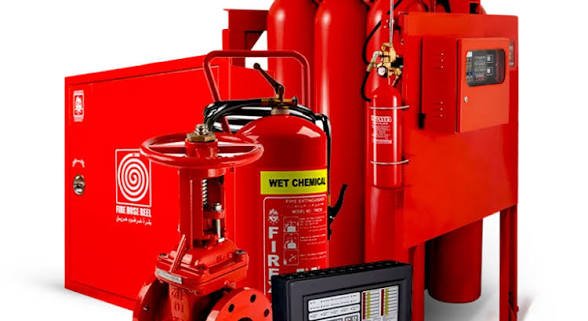
Fire safety is an important subject for homes, offices, schools, shops, factories, apartments, and other buildings across Pakistan. Yet many people still rely on common fire-safety myths instead of verified safety information.
A myth can sound convincing because it has been repeated for years. The problem is that incorrect information can create a false sense of security during an emergency. Knowing what is true and what is not can help people make better decisions before a fire occurs.
Fire safety should be based on reliable information, appropriate equipment, professional advice, and the requirements that apply to a particular building. Pakistan’s Building Code of Pakistan Fire Safety Provisions 2016 provides fire-safety provisions for buildings, while international references such as NFPA standards provide additional technical guidance on fire protection, alarm systems, extinguishers, and life safety.
This article examines some common fire-safety myths and explains what people in Pakistan should understand instead.
Why Fire Safety Myths Can Be Dangerous
A fire emergency is not the right time to discover that an assumption was wrong.
For example, someone may believe that a fire alarm gives plenty of time to collect belongings. Another person may think that a single smoke alarm is enough for an entire house. Someone else may assume that a fire extinguisher can handle any type of fire.
These beliefs can delay evacuation or lead to inappropriate decisions.
The purpose of correcting myths is not to create fear. It is to encourage preparation. A good fire-safety plan combines prevention, early warning, appropriate equipment, clear escape routes, and training.
Myth 1: A Small Fire Is Always Easy to Control
A small fire can sometimes be dealt with using suitable firefighting equipment, but its size can change quickly.
Portable extinguishers are intended as a first line of defense for fires of limited size, according to NFPA 10. Their suitability depends on the type of fire and the equipment selected.
The safer principle is to recognize when evacuation is the priority.
If smoke is spreading, the fire is growing, the escape route is threatened, or a person is not trained to use the available equipment, attempting to fight the fire may create additional danger.
People should never put themselves in danger simply to protect property.
Myth 2: One Smoke Alarm Is Enough
One alarm does not necessarily provide adequate warning throughout an entire home or building.
NFPA recommends smoke alarms inside sleeping rooms, outside separate sleeping areas, and on every level of a home. It also recommends interconnected alarms so that when one alarm sounds, others can sound as well.
The exact requirements for a particular property can depend on its design, occupancy, and applicable regulations.
The important lesson is that smoke detection should be planned according to the building rather than based on the assumption that one device will protect every area.
Myth 3: Fire Alarms Are Only Necessary in Large Buildings
Fire detection is not only a concern for large commercial buildings.
Homes, apartments, offices, schools, shops, warehouses, and other properties can all benefit from appropriate early-warning measures.
The type and extent of fire alarm protection depend on the property’s characteristics. A professional assessment can determine what type of detection and notification arrangement is appropriate.
A fire alarm system in Pakistan can include different components depending on the design, such as detectors, manual call points, control equipment, notification devices, and other system elements.
NFPA 72 provides a recognized framework for fire alarm and signaling systems, including installation, inspection, testing, and maintenance.
Myth 4: Fire Alarms Do Not Need Regular Maintenance
Installing an alarm does not mean the job is finished.
Fire alarm equipment needs appropriate inspection, testing, and maintenance so that faults can be identified and the system can remain capable of performing its intended function.
Dust, physical damage, ageing components, electrical problems, building alterations, and other issues can affect equipment.
Maintenance should follow applicable requirements and the manufacturer’s instructions. Records of inspections and maintenance can also help building owners and managers track the condition of their safety systems.
Myth 5: You Can Ignore a Fire Alarm if It Happens Often
Repeated false or unwanted alarms can make people less responsive over time.
This creates a dangerous habit: people may hear an alarm and assume that nothing is wrong.
A fire alarm should always be taken seriously unless occupants have been clearly informed that the system is undergoing an authorized test or maintenance activity.
NFPA educational guidance emphasizes knowing the sound of the alarm and responding appropriately rather than becoming complacent because of previous alarms.
Building managers should investigate recurring alarm problems instead of allowing occupants to become accustomed to them.
Myth 6: You Have Plenty of Time After the Alarm Sounds
Many people imagine that they can hear an alarm, get dressed, collect valuables, and then leave.
That is not a safe assumption.
NFPA explains that fire can spread rapidly and that people may have only a short amount of time to escape safely after a smoke alarm sounds.
The better approach is to plan in advance.
Know where the exits are. Keep escape routes clear. Understand the alarm signal. Decide where people will meet outside. Practice the plan where appropriate.
Preparation reduces the amount of decision-making required during an emergency.
Myth 7: You Should Always Use the Elevator During a Fire
Elevators should not automatically be treated as emergency escape routes.
The correct response depends on the building’s emergency plan and the instructions provided by emergency authorities or building management.
People in multi-story buildings should understand where approved exit stairs and other designated escape routes are located. NFPA’s life-safety guidance places significant importance on safe means of egress, and its educational material for multi-unit buildings emphasizes knowing available exit stairs and building exits.
Residents and employees should learn the building’s evacuation procedure before an emergency occurs.
Myth 8: Fire Extinguishers Can Put Out Any Fire
Different fires present different hazards.
NFPA 10 is specifically concerned with portable fire extinguishers and their use as a first line of defense against limited-size fires.
The Pakistan Building Code also addresses extinguisher classifications and selection according to the type of hazard.
This means an extinguisher should not simply be selected because it is available or inexpensive.
The correct equipment depends on the hazards present in the area. Businesses should obtain professional advice when selecting fire-protection equipment for specialized environments.
Myth 9: Fire Safety Is Only the Landlord’s Responsibility
Property owners and building managers have important responsibilities, but occupants also have a role.
Renters, employees, students, customers, and visitors should know basic emergency procedures and avoid creating unnecessary hazards.
For example, occupants should not block emergency exits, damage fire doors, disable alarms, or ignore obvious safety problems.
The Building Code of Pakistan Fire Safety Provisions 2016 addresses responsibilities involving building owners, operators, lessees, and occupants.
Fire safety works best when everyone understands their responsibilities.
Myth 10: Closing Doors Does Not Make Much Difference
A closed door can help slow the movement of smoke, heat, and fire.
NFPA specifically identifies closed doors as an important part of home fire safety because they may slow fire and smoke spread and provide additional time for escape.
Fire doors in buildings are also part of a broader fire-protection strategy and should not be damaged, removed, or improperly held open.
The exact performance of a door depends on its design and installation, so ordinary doors should not automatically be assumed to provide a specific level of fire protection.
Myth 11: Fire Drills Are a Waste of Time
A fire drill may seem unnecessary when nothing has gone wrong for years.
However, emergency situations can create confusion. People may not remember which exit to use or where they should assemble.
Planning and practice help people understand what to do.
NFPA recommends practicing a home fire escape plan twice a year.
For workplaces, schools, apartment buildings, and other properties, drills should follow the appropriate emergency plan and applicable requirements.
The objective should be preparation, not fear.
Myth 12: Fire Safety Equipment Never Needs to Be Replaced
Fire-safety equipment does not last forever.
Detectors, alarms, batteries, extinguishers, emergency lighting, control equipment, and other components can age or become damaged.
NFPA’s smoke-alarm guidance recommends replacing smoke alarms when they reach 10 years of age.
Other equipment has its own maintenance and replacement requirements.
Building managers should follow manufacturer instructions, applicable standards, inspection findings, and professional recommendations instead of waiting for equipment to fail during an emergency.
Myth 13: Electrical Problems Are Too Small to Report
A burning smell, damaged cable, unusual overheating, repeated electrical faults, or other warning signs should not be ignored.
Electrical problems can become serious when they are left unresolved.
People should not attempt unsafe repairs themselves. Problems with permanent electrical installations should be reported to the responsible building manager or addressed by an appropriately qualified professional.
Good fire prevention often begins with noticing a problem before it becomes an emergency.
Myth 14: Fire Safety Is Only About Fire Extinguishers
Extinguishers are useful, but they are only one part of a broader protection strategy.
A complete approach may include:
- Smoke detection
- Fire alarm systems
- Emergency notification
- Fire extinguishers
- Fire doors
- Emergency lighting
- Exit signs
- Safe electrical systems
- Clear escape routes
- Emergency plans
- Staff or occupant training
- Regular inspections and maintenance
NFPA’s fire and life-safety resources emphasize multiple layers of protection rather than relying on a single safety measure.
Myth 15: Fire Safety Information on Social Media Is Always Reliable
Social media can spread useful safety information, but it can also spread incomplete or incorrect advice.
A short video or post may leave out important conditions. Advice that is appropriate for one building or fire situation may not apply to another.
When researching fire safety in Pakistan, look for information from recognized authorities, qualified professionals, established fire-safety organizations, equipment manufacturers, and applicable building regulations.
For technical decisions, professional assessment is more reliable than following an unverified online tip.
Where Can People Find Reliable Fire Safety Information in Pakistan?
People looking for fire-safety information should begin with credible sources.
The Pakistan Engineering Council’s Building Code resources are useful for understanding applicable building and fire-safety provisions. International organizations such as NFPA also publish educational material covering smoke alarms, escape planning, extinguishers, fire alarm systems, and life safety.
For equipment selection, installation, inspection, or maintenance, businesses and property owners should seek assistance from qualified fire-safety professionals.
Suppliers and service companies can also provide information about available fire-protection equipment, but technical recommendations should be matched to the actual building and its hazards.
For professional fire-protection services in Pakistan, you can learn more about Flame Defender.
How to Identify a Fire Safety Myth
Before accepting a fire-safety claim, ask a few simple questions:
Is the source credible?
Look for recognized authorities, established safety organizations, building codes, standards, or qualified professionals.
Does the advice apply to your situation?
A recommendation for a private house may not be suitable for a high-rise apartment, factory, hospital, or commercial building.
Is the information current?
Safety requirements and standards can change. Check the relevant current requirements before making major decisions.
Does the advice encourage prevention and evacuation?
Good fire-safety information should prioritize protecting people and reducing risk rather than encouraging unnecessary exposure to danger.
Is professional assessment needed?
If the issue involves building design, electrical systems, fire alarm design, suppression systems, or other technical matters, professional advice may be appropriate.
Building a Myth-Free Fire Safety Plan
A practical fire-safety plan does not have to be complicated.
Start with the basics.
First, identify hazards. Look at electrical equipment, kitchens, storage areas, heating equipment, batteries, fuel sources, and other potential hazards.
Second, establish early warning. Make sure appropriate smoke detection and alarm arrangements are in place.
Third, protect escape routes. Keep doors, corridors, stairs, and designated exits accessible.
Fourth, provide suitable equipment. Select fire extinguishers and other protection according to the hazards present.
Fifth, train occupants. Everyone should understand what an alarm means and where to go.
Sixth, maintain everything. Inspection and maintenance should be part of the normal safety program.
Fire Safety in Pakistan: A Practical Approach
Pakistan contains a wide range of building types, from single-family homes and small shops to high-rise apartments, offices, schools, factories, hospitals, and large commercial buildings.
Because these properties have different hazards and layouts, fire protection should not be based on a single generic solution.
A fire alarm system in Pakistan should be selected and designed according to the building’s characteristics, applicable requirements, fire risks, and professional assessment.
Likewise, extinguishers, emergency exits, detection devices, emergency lighting, and other safety features should be appropriate for their intended environment.
The goal is not simply to have more equipment. The goal is to have the right protection, correctly installed, properly maintained, and understood by the people who use the building.
Final Thoughts
Fire-safety myths can create unnecessary risk because they replace preparation with assumptions.
The safest approach is to question common claims, check information against reliable sources, and obtain professional advice when technical decisions are involved.
Remember the fundamentals: maintain appropriate alarms, keep escape routes clear, understand emergency procedures, use suitable fire-protection equipment, report hazards, and practice evacuation plans where appropriate.
Fire safety is not about expecting a disaster. It is about being prepared if one happens.
For Pakistan’s homes and businesses, reliable information and properly maintained fire-protection systems can form an important part of a safer environment.
Frequently Asked Questions
1. What is the biggest fire-safety myth?
One common myth is that there will always be plenty of time to escape after a fire starts. Fire can spread quickly, so people should plan escape routes and respond promptly when an alarm sounds.
2. Is one smoke alarm enough for a house?
Generally, one alarm should not be assumed to protect an entire home. NFPA recommends smoke alarms inside sleeping rooms, outside sleeping areas, and on every level.
3. Can every fire be put out with an extinguisher?
No. Extinguishers are designed for specific types and limited sizes of fires. Equipment should be selected according to the hazards present, and people should not attempt firefighting when doing so would put them at risk.
4. Does a fire alarm system need regular maintenance?
Yes. Fire alarm systems should be appropriately inspected, tested, and maintained. NFPA 72 provides guidance covering these areas for fire alarm and signaling systems.
5. Where can I get reliable fire-safety information in Pakistan?
Start with recognized sources such as the Pakistan Engineering Council’s applicable building and fire-safety provisions, established fire-safety organizations, equipment manufacturers, and qualified fire-protection professionals. Avoid relying solely on unverified social-media claims.