
Renting a home, apartment, portion, or room gives people a place to live without owning the property, but renters still have an important role in fire safety. A safe rental is not only the responsibility of the landlord. Tenants also need to understand the building, identify possible hazards, keep escape routes clear, and know what to do if a fire alarm sounds.
Fire emergencies can become dangerous quickly. Early warning, a clear escape route, and a simple emergency plan can make a major difference. The National Fire Protection Association (NFPA) recommends planning escape routes in advance, keeping exits accessible, and practicing the plan regularly.
For renters in Pakistan, fire safety is especially important in apartments, rented houses, hostels, offices converted into living spaces, and multi-story residential buildings. The right precautions can help protect people, property, and valuable time during an emergency.
Why Fire Safety Matters for Renters
Renters usually have less control over the building than property owners. They may not be able to change electrical wiring, install permanent fire-protection equipment, modify doors, or alter the building structure.
However, renters can still take several important safety measures.
They can:
- Learn where the emergency exits are.
- Keep doors and corridors clear.
- Check that smoke alarms are present and working.
- Report electrical or gas-related hazards.
- Understand the building’s fire alarm procedure.
- Prepare an escape plan.
- Know where to meet after leaving.
- Keep important emergency contacts available.
- Report damaged fire-safety equipment to the landlord or building management.
The key is to understand which responsibilities belong to the renter and which require the landlord, building manager, or qualified professional.
Understand Your Rental Building
Before moving into a rental property, take a few minutes to understand its fire-safety features.
Look for:
- Main and alternative exits
- Stairways
- Fire alarm devices
- Smoke detectors
- Fire extinguishers
- Emergency lighting
- Exit signs
- Fire doors
- Electrical panels
- Gas or fuel equipment
- Designated assembly areas
In an apartment or multi-story building, also learn whether the building has a centralized fire alarm system and what residents are expected to do when it activates.
The Building Code of Pakistan Fire Safety Provisions 2016 includes requirements concerning building evacuation and states that occupants should leave when a fire alarm system is activated unless an approved evacuation plan provides otherwise, such as during authorized testing or maintenance.
Never Ignore a Fire Alarm
A fire alarm should always be treated seriously.
Renters sometimes become familiar with occasional alarms caused by testing or other situations. This can create a dangerous habit of assuming that every alarm is false.
Unless building management has clearly announced a scheduled test, an activated alarm should be treated as an emergency. Follow the building’s approved evacuation procedure and leave using the safest available route.
Do not wait to see smoke before taking an alarm seriously.
A properly designed fire alarm system in Pakistan can provide early warning, but its effectiveness also depends on proper installation, inspection, testing, maintenance, and occupant response.
NFPA 72 is a major reference for fire alarm systems and covers areas including installation, inspection, testing, and maintenance.
Check Smoke Alarms
Smoke alarms provide early warning and are an important part of residential fire protection.
NFPA recommends smoke alarms inside sleeping rooms, outside separate sleeping areas, and on every level of a home. It also recommends that alarms be maintained and that residents understand their warning signals.
Renters should check whether smoke alarms are installed in appropriate locations when moving into a property.
If an alarm is missing, damaged, repeatedly malfunctioning, or producing a low-battery warning, inform the landlord or responsible building manager according to the rental agreement.
Do not remove a smoke alarm simply because it is inconvenient or produces occasional nuisance alarms. The underlying problem should be addressed appropriately.
Know Who Is Responsible for Maintenance
One common issue for renters is uncertainty about responsibility.
The landlord or property manager may be responsible for permanent fire-safety equipment, while tenants may have responsibilities for reasonable day-to-day care and reporting problems. The exact arrangement can depend on the rental agreement, property type, and applicable local requirements.
Before assuming that someone else will fix a problem, report it.
Examples include:
- Missing smoke alarms
- Damaged alarm devices
- Blocked exits
- Faulty emergency lights
- Damaged fire doors
- Missing or inaccessible extinguishers
- Unsafe electrical outlets
- Damaged wiring
- Gas or fuel-related concerns
Written reporting can also help create a record that a safety problem was identified.
Keep Escape Routes Clear
A clear escape route can be just as important as an alarm.
Do not place boxes, furniture, bicycles, shoes, storage items, or other belongings in corridors, stairways, doorways, or other designated escape paths.
Windows that are intended to serve as emergency exits should also remain accessible where applicable.
NFPA recommends checking escape routes in advance and making sure doors and windows that form part of the escape plan can be opened as intended.
For apartment buildings, residents should also know whether a particular stairway is designated as an emergency exit and whether there are alternative routes.
Create a Renter’s Fire Escape Plan
Every renter should have a simple plan.
Walk through the property and identify the safest available way out from bedrooms, living areas, kitchens, and other regularly occupied spaces.
Where practical, identify more than one possible escape route. NFPA recommends identifying at least two ways out of every room where possible and practicing the plan twice a year.
Your plan should answer simple questions:
- What will I do if the alarm sounds?
- Which exit will I use?
- What is my alternative route?
- Where will I meet others?
- How will I contact emergency services?
- What should I do if my normal exit is blocked?
A good plan should be simple enough to remember during a stressful situation.
Learn Your Building’s Evacuation Procedure
Not every rental property operates in exactly the same way.
A small rented house may have a straightforward exit directly outside. An apartment building may have several floors, shared stairways, fire doors, alarms, and designated assembly areas.
Ask the landlord or building management about the property’s emergency procedure.
If the building has an approved evacuation plan, residents should understand it before an emergency occurs.
Pakistan’s Building Code also provides for emergency egress and relocation drills in occupancies where they are required, with drill arrangements and records addressed by the code.
Be Careful With Electrical Equipment
Electrical safety is an important part of rental fire prevention.
Renters may use televisions, computers, chargers, refrigerators, fans, air conditioners, cooking appliances, and other electrical devices every day.
Avoid using visibly damaged cables, plugs, or equipment. Do not ignore repeated electrical problems such as sparks, overheating, burning smells, or frequently tripping protection devices.
Never attempt to repair building wiring yourself. Electrical problems should be reported to the landlord or handled by an appropriately qualified professional.
Also avoid unnecessary overloading of outlets and power strips.
Keep Kitchens Safe
Kitchen areas require particular attention because cooking equipment can generate significant heat.
Renters should keep combustible materials away from heat-producing appliances and follow the manufacturer’s safety instructions for appliances.
Do not leave cooking equipment operating when it is unsafe to do so. If a cooking-related emergency occurs, follow the property’s emergency procedure and prioritize getting people to safety.
Kitchen safety should be especially important in rented apartments where multiple families or tenants may share building services.
Treat Gas and Fuel Hazards Seriously
Some rental properties use gas appliances, cylinders, generators, or other fuel-related equipment.
Renters should never attempt to repair, modify, or service gas systems themselves. If there is a suspected gas-related problem, move away from the suspected hazard and notify the responsible adult, landlord, building management, or qualified professional as appropriate.
Do not ignore unusual smells or suspected equipment damage.
The safest approach is to report concerns early rather than waiting for a visible emergency.
Do Not Block Fire Doors
Fire doors are designed as part of a building’s fire and smoke protection strategy.
Renters should not wedge fire doors open, remove door-closing hardware, or make unauthorized changes to them.
If a fire door is damaged, does not close properly, or appears to have been altered, report the issue to building management.
Small changes to a building can affect how fire and smoke move through it, which is why fire-protection features should be maintained rather than treated as ordinary doors.
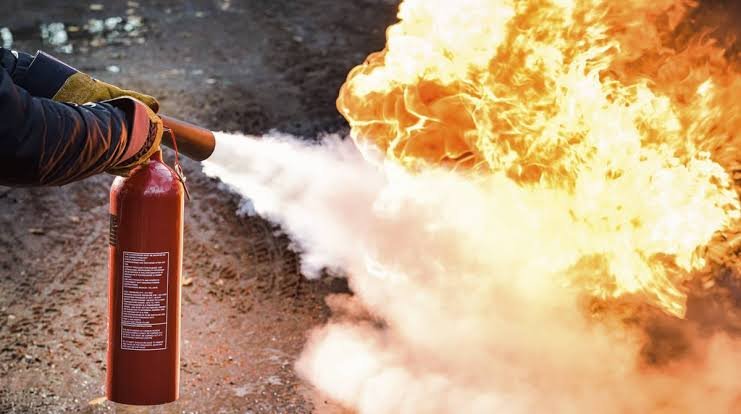
Understand Fire Extinguishers
Fire extinguishers can provide first-line protection against certain limited fires, but they are not a replacement for evacuation.
Pakistan’s Building Code identifies portable fire extinguishers as an element of fire protection and explains that selection should be based on the type and size of the expected fire and other relevant conditions.
Renters should know where the building’s extinguishers are located and make sure they are not blocked.
However, people should not put themselves at risk trying to fight a developing fire. If a fire is growing, smoke is spreading, the escape route is threatened, or the person is not trained, leaving the building and calling emergency services is the safer priority.
Prepare for Apartment and High-Rise Emergencies
People living in multi-story buildings should pay particular attention to escape arrangements.
Learn the location of the approved stairs and exits. Do not assume that an elevator is an emergency escape route.
NFPA’s escape-planning guidance notes that residents of high-rise and apartment buildings may have building-specific strategies, so residents should understand their property’s approved emergency procedure.
Building management should communicate emergency procedures clearly, while renters should take the time to learn them.
Keep Important Information Accessible
During an emergency, people may have difficulty remembering basic information.
Renters can keep important contacts readily available, including:
- Local emergency services
- Landlord or property manager
- Building security
- Maintenance contact
- Family or trusted adult contacts
The exact emergency number and response arrangements depend on location, so residents should know the appropriate local emergency contact before an incident occurs.
What to Do When a Fire Alarm Sounds
When an alarm sounds, remain calm but act promptly.
Follow the building’s emergency procedure and leave using the safest available exit. Avoid collecting unnecessary belongings.
Once outside, move to the designated assembly area or another safe location. Do not return to the building simply to collect property.
NFPA’s escape guidance emphasizes the principle of getting out and staying out.
Pakistan’s Building Code also states that people should not fail to leave a building when a fire alarm is activated unless an approved evacuation plan provides otherwise.
Never Re-Enter a Burning Building
Personal belongings can be replaced. Lives cannot.
After leaving, stay outside and follow instructions from emergency responders or building authorities.
If someone is missing, tell emergency personnel rather than going back inside yourself. Trained emergency responders have the equipment and procedures needed for rescue operations.
Report Fire Hazards Early
Renters are often the first people to notice problems inside their homes.
A tenant might notice a damaged socket, blocked stairway, missing alarm, faulty emergency light, damaged door, or other safety concern before property management does.
Reporting these issues early can help prevent a small problem from becoming a serious emergency.
Keep communication clear and specific. Describe the location and nature of the problem and follow up if a serious safety issue is not addressed.
Fire Safety Checklist for Renters
A simple checklist can help renters review their property.
Before Moving In
- Locate emergency exits.
- Check for smoke alarms.
- Identify fire extinguishers where provided.
- Learn the building’s evacuation procedure.
- Ask about emergency contacts.
- Check that escape routes are accessible.
During Your Tenancy
- Keep exits clear.
- Report damaged electrical equipment.
- Do not tamper with smoke alarms.
- Keep fire doors functioning as intended.
- Avoid unsafe electrical practices.
- Keep combustible materials away from heat sources.
- Report fire-safety equipment problems.
Every Few Months
- Review your escape plan.
- Make sure everyone in the household knows the plan.
- Check that exits remain accessible.
- Review emergency contacts.
- Confirm that reported safety issues have been addressed.
- Participate in building drills when applicable.
The Role of a Fire Alarm System in Rental Properties
A properly designed fire alarm system in Pakistan can be an important part of a building’s overall safety strategy.
In larger rental properties, the system may include detectors, manual alarm points, control equipment, audible or visual notification devices, and other components depending on the building design and applicable requirements.
However, an alarm system works best as part of a complete safety program. Detection must be supported by maintenance, accessible exits, emergency procedures, appropriate fire-protection equipment, and informed occupants.
NFPA 72 identifies installation, inspection, testing, and maintenance as important aspects of fire alarm system safety.
Final Thoughts
Renters may not own the building, but they still have an important role in fire safety.
The most effective approach is simple: understand the property, know the exits, keep escape routes clear, report hazards, take alarms seriously, and have an emergency plan before anything happens.
Landlords and building managers are responsible for maintaining applicable building systems and addressing property-related safety issues, while renters should cooperate with safety procedures and report problems promptly.
For properties that require professional fire alarm installation, inspection, or maintenance, renters and property owners can learn more about fire-protection services from Flame Defender.
Fire safety is most effective when everyone in a building understands their role. A few minutes spent preparing today can make an important difference during an emergency.
Frequently Asked Questions
1. What is the most important fire-safety step for renters?
Knowing how to leave the property safely is one of the most important steps. Renters should identify available exits, keep escape routes clear, and understand what to do when an alarm sounds.
2. Should renters test smoke alarms?
Renters should understand the testing and maintenance arrangements for their property and follow the rental agreement and manufacturer’s guidance. Problems with permanently installed alarms should be reported to the responsible landlord or property manager.
3. Do renters need a fire alarm system?
Requirements depend on the property type, size, occupancy, building design, and applicable regulations. Larger residential buildings may have centralized fire alarm arrangements, while individual homes may rely on smoke alarms and other protective measures.
4. What should I do when the building fire alarm sounds?
Treat the alarm seriously, follow the property’s emergency procedure, use the safest available exit, and move to the designated safe location. Do not return to the building unless emergency personnel or authorized officials tell you it is safe.
5. Who is responsible for fire safety in a rented property?
Responsibility can be shared. Landlords or building managers generally have responsibilities for building systems and property-related hazards, while renters have responsibilities such as following safety rules, keeping exits clear, and reporting problems. The exact responsibilities depend on the property, rental agreement, and applicable requirements.