
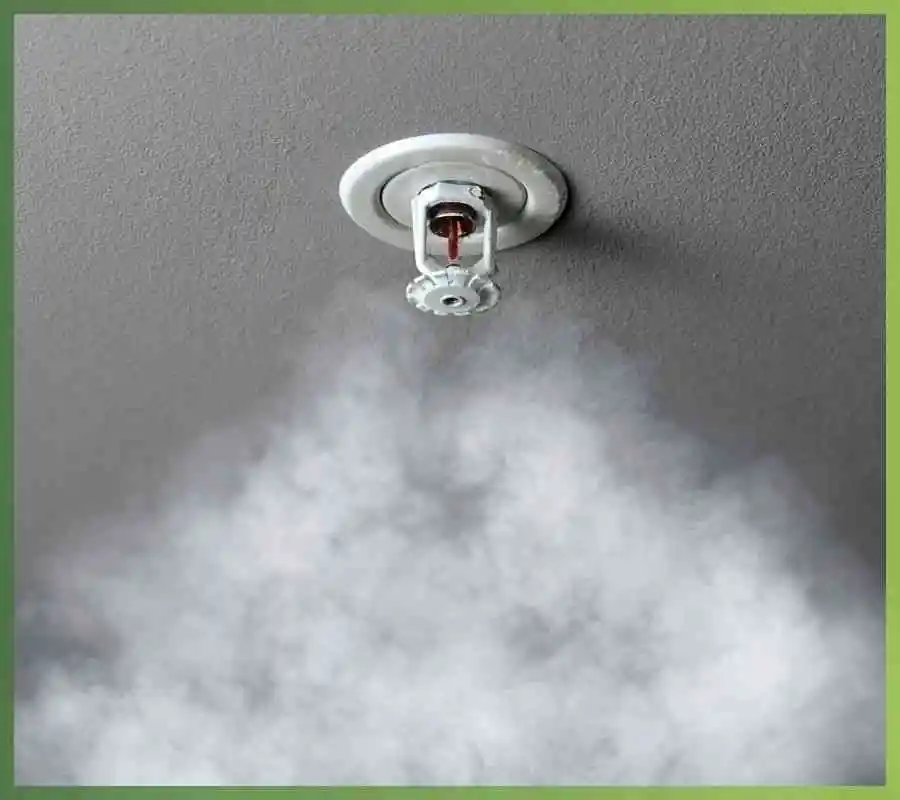
Fire safety is a vital consideration for residential buildings, offices, shopping centres, factories, warehouses, hospitals, hotels, and other commercial properties. A fire can spread quickly, damaging property, disrupting business operations, and putting lives at risk. While fire extinguishers and alarms play important roles in emergency preparedness, automatic fire sprinkler systems provide another layer of protection by releasing water when the conditions at a sprinkler head activate it.
For property owners and facility managers in Pakistan, choosing the right sprinkler system involves more than finding a supplier and comparing prices. The equipment must suit the building’s layout, fire hazards, water supply, and applicable safety requirements. Professional design, installation, testing, and maintenance are equally important.
Several companies in Pakistan supply fire sprinkler equipment or provide complete fire protection services. Some focus on individual components, such as sprinkler heads and valves, while others offer site assessments, engineering calculations, installation, commissioning, and ongoing maintenance.
Understanding these differences can help buyers make informed decisions. A suitable fire alarm system in Pakistan, coordinated with an appropriately designed sprinkler system, can also improve a building’s overall fire protection strategy by providing an early warning while the sprinkler system helps control a developing fire.
This guide explains where to look for fire sprinkler systems in Pakistan, what to consider before purchasing, how sprinkler systems work, and how to evaluate a supplier.
1. What Is a Fire Sprinkler System?
A fire sprinkler system is a fixed fire protection arrangement designed to release water automatically when the conditions at one or more sprinkler heads reach their activation requirements.
A typical system includes a network of pipes connected to a suitable water supply. Sprinkler heads are installed in selected locations throughout the protected building. When a sprinkler head activates, water is discharged over the intended area to help control the fire.
In many conventional automatic sprinkler systems, individual sprinkler heads activate in response to heat. The entire building’s sprinkler heads do not necessarily activate at once; operation depends on the system design and the conditions at each head.
A complete installation may contain:
- Sprinkler heads: Release and distribute water when activated.
- Pipes and fittings: Carry water through the building.
- Control valves: Regulate and isolate sections of the system.
- Water supply: Provides the required quantity of water.
- Fire pumps: Supply the necessary flow and pressure where required.
- Alarm and water-flow devices: Indicate system operation and may communicate with the building’s alarm system.
- Pressure gauges and monitoring components: Help assess system conditions.
- Supporting equipment: Includes other components required by the approved design.
Not every building needs the same configuration. The appropriate arrangement depends on the building’s occupancy, fire hazards, size, construction, and applicable regulations.
2. Where to Buy Fire Sprinkler Systems in Pakistan
Buyers can explore specialist fire protection companies, engineering contractors, authorised distributors, and suppliers of firefighting equipment. The best choice depends on whether the project requires individual components or a complete installed system.
The following are examples of suppliers whose published websites describe relevant products or services. They are starting points for enquiries, not an independent ranking or guarantee of quality. Buyers should verify current availability, credentials, product approvals, and service coverage before making a decision.
NIXCO
Website: https://nixco.pk/products/fire-fighting/sprinkler-systems/
NIXCO describes its fire sprinkler services as including system design, equipment supply, installation, testing, and commissioning. Its published information also refers to sprinkler head layouts, hydraulic calculations, control valves, and coordination with pumps and water storage.
The company lists a head office in Rawalpindi and a manufacturing facility in Islamabad, with services advertised across Pakistan.
This may be a useful starting point for commercial or industrial projects requiring an integrated design and installation service.
Fire Management System
Website: https://fmsystems.com.pk/
Fire Management System lists sprinkler equipment and related fire protection products, including sprinkler heads, control valves, alarm check valves, flow switches, and associated pipework. Its website also describes other firefighting systems.
The company lists an address on Multan Road in Lahore.
Buyers can enquire about component availability, project-specific supply, installation services, and maintenance arrangements.
Metron International Pumps Division
Website: https://metron.com.pk/product-category/fire-fighting/fire-sprinkler-system-accessories/
Metron lists sprinkler system accessories, including different types of sprinkler heads, test and drain valves, sprinkler cabinets, pressure relief valves, and alarm valve components.
Its published contact information identifies a location in Lahore.
This supplier may be worth considering when a project requires particular sprinkler components or replacement parts. Confirm that any selected components are compatible with the existing system and suitable for the intended application.
MA Engineering Services
Website: https://www.maengs.com/fire-fighting-systems
MA Engineering Services describes fire protection services involving automatic sprinklers, hydrants, fire pumps, hose reels, suppression systems, and related equipment. Its website also refers to design, installation, testing, and maintenance.
This may be relevant for projects that need a coordinated fire protection package rather than separate equipment purchases.
Safety Fire Solutions
Website: https://www.safetyfiresolution.com/
Safety Fire Solutions lists fire sprinkler systems alongside fire alarms, hydrants, suppression systems, and other firefighting equipment. The company describes a head office in Lahore and additional locations in Pakistan.
Potential buyers should contact the company to confirm its current sprinkler system offerings, project coverage, installation arrangements, and after-sales support.
Important: The companies above are examples identified through their published websites. Always conduct your own due diligence and confirm that the proposed equipment and services meet the requirements of your project.
3. Should You Buy Individual Components or a Complete System?
Before contacting suppliers, determine the scope of your purchase.
Buying individual components
A buyer may need individual sprinkler heads, valves, fittings, or replacement parts for an existing installation. This approach can be appropriate when the system has already been designed and the exact specifications are known.
However, compatibility is essential. A component that looks similar to an existing part may have a different rating, connection, operating characteristic, or approval status.
Replacement parts should be selected with guidance from the system designer, manufacturer, or competent service provider.
Buying a complete sprinkler system
A new building or major renovation may require a complete system, including engineering design, pipework, sprinkler heads, water supply arrangements, pumps where needed, valves, monitoring devices, installation, and commissioning.
A complete project service can help coordinate the individual components and ensure that the installation is assessed as one system.
For a new commercial or industrial building, it is generally sensible to request a site assessment and written technical proposal before finalising a purchase.
Choosing the right option
The decision should be based on the project’s needs rather than the lowest initial price. Buying components separately may not be appropriate when hydraulic calculations, specialist installation, or formal commissioning are required.
4. Which Buildings May Need Sprinkler Protection?
Automatic sprinkler systems can be suitable for many different types of buildings, but the exact requirements vary according to the applicable code and the building’s characteristics.
Commercial buildings
Offices, retail premises, and commercial plazas may contain furniture, paper products, electrical equipment, and other combustible materials. The building’s size, occupancy, layout, and fire risk influence the required protection.
Shopping centres
Shopping centres can accommodate large numbers of visitors, tenants, and employees. Sprinkler protection, where required, should be coordinated with alarms, escape routes, emergency lighting, and evacuation procedures.
Warehouses
Warehouses may store substantial quantities of goods in racks or stacks. Storage height, packaging, commodity type, ceiling height, and arrangement can influence the sprinkler system design.
A standard layout should not be assumed suitable for every warehouse.
Factories and industrial facilities
Manufacturing environments can include machinery, packaging, raw materials, and specialised hazards. Some processes may require additional or alternative fire suppression arrangements.
The design must reflect the actual industrial activity rather than simply the building’s floor area.
Hospitals, hotels, and residential buildings
These premises may have occupants who are sleeping, unfamiliar with the layout, or in need of assistance during an emergency. The required protection depends on occupancy classification and applicable building regulations.
Owners should obtain a professional assessment to determine whether sprinklers are required and what type of system is suitable.
5. Understanding Different Types of Fire Sprinkler Systems
The appropriate system depends on the building’s conditions, hazards, and design requirements.
Wet-pipe systems
Wet-pipe systems keep water in the sprinkler piping during normal operation. When a sprinkler head activates, water is discharged from the operating head.
These systems are common in buildings where the conditions are suitable for water-filled pipework.
Dry-pipe systems
Dry-pipe systems generally keep pressurised air or another approved gas in the piping until activation allows water to enter. They may be appropriate in locations where water-filled pipes could freeze, subject to the design requirements.
Pre-action systems
Pre-action systems use additional detection or control arrangements before water is admitted to the sprinkler piping, depending on the system configuration. They may be considered for areas where accidental water discharge could cause significant damage.
Deluge systems
Deluge systems use open discharge devices and a specialised valve arrangement to release water over a designated area when the system activates. They are used for certain higher-risk applications requiring rapid, broad-area discharge.
These systems are not interchangeable. Selection should be based on a competent fire protection design and the hazards present.
6. How to Choose a Reliable Fire Sprinkler Supplier
Finding a supplier is only the first step. Buyers should evaluate the company’s technical ability, product documentation, installation experience, and support after handover.
Verify business and technical credentials
Ask for the company’s legal business details, relevant experience, technical team information, and references from comparable projects. Where engineering services are required, confirm the qualifications and registrations appropriate to the work.
Do not assume that a supplier is authorised or certified simply because its website uses terms such as “approved” or “international quality.”
Request product documentation
Ask for technical data sheets, manufacturer information, applicable approvals or listings, operating specifications, warranties, and installation instructions.
Where the project specification calls for particular product approvals, confirm the exact model and documentation rather than relying on a general brand claim.
Review previous projects
Experience with similar buildings can be useful. A warehouse sprinkler system, for example, may require different design expertise from a small office installation.
Request references or project documentation where appropriate, and verify them before making a commitment.
Confirm installation and commissioning services
A sprinkler system must be installed and tested correctly. Ask whether the supplier provides design, hydraulic calculations, installation, acceptance testing, commissioning, drawings, and handover documentation.
If different companies will supply and install the equipment, clearly define who is responsible for compatibility, testing, and correcting defects.
Check after-sales support
Ask about maintenance visits, response arrangements for faults, availability of replacement parts, and the recommended inspection schedule.
A supplier’s ongoing support can matter just as much as its initial quotation.
7. Why Proper Design and Hydraulic Calculations Matter
Sprinkler heads and pipes must be arranged so that the system can provide the required water flow and pressure under the design conditions.
Hydraulic calculations assess how water moves through the piping network and help determine pipe sizes, pressure losses, and the performance required from the water supply and pumps.
An inadequate design may result in insufficient water reaching parts of the protected area. Incorrect head spacing, unsuitable components, obstructions, or poor coordination with building services can also affect performance.
Professional design should consider:
- Building occupancy and fire hazard classification.
- Ceiling height and construction.
- Sprinkler type and spacing.
- Storage arrangements and potential obstructions.
- Water supply capacity and reliability.
- Pump requirements, where applicable.
- Pipework layout and pressure losses.
- Applicable codes and approval requirements.
Do not rely on a rough estimate based only on the building’s total area. The design should be supported by appropriate calculations and documentation.
8. Fire Sprinklers and Fire Alarm Systems Work Together
A sprinkler system and a fire alarm system perform related but different functions.
An automatic sprinkler system is designed to discharge water when the relevant sprinkler heads activate. A fire alarm system is designed to notify occupants of a fire or other detected emergency through appropriate warning devices.
Depending on the installation, water-flow switches or other monitoring components can communicate sprinkler system operation to the fire alarm system.
This coordination can help occupants receive an alarm while the sprinkler system is operating. However, the exact arrangement must be specified and tested as part of the complete installation.
When evaluating a fire alarm system in Pakistan, property owners should consider how the alarm will coordinate with sprinklers and other safety systems. Detection, notification, water-based suppression, emergency exits, and evacuation procedures should be considered together.
A sprinkler system does not eliminate the need for an alarm or an evacuation plan. Likewise, an alarm alone does not provide the same fire control function as an automatic sprinkler system.
9. Understanding the Cost of Fire Sprinkler Systems in Pakistan
There is no single price that applies to every sprinkler installation. The total cost depends on the building, system design, components, labour, and required supporting infrastructure.
Important cost factors include:
- The area and height of the building.
- The occupancy and fire hazard classification.
- The number and type of sprinkler heads.
- Pipe material, sizes, and routing.
- Water storage and supply requirements.
- Fire pump capacity and associated equipment.
- Control valves, alarm devices, and monitoring components.
- Installation complexity and access conditions.
- Testing, commissioning, documentation, and maintenance.
A small replacement order may involve only a few components, while a complete industrial installation can require substantial engineering and construction work.
How to compare quotations
Ask suppliers to provide an itemised quotation that explains what is included and excluded. Compare the proposed system design, component specifications, product documentation, installation scope, testing, warranty, and maintenance terms.
A low initial quotation may exclude essential services or supporting equipment. A higher quotation may include more complete design and commissioning services, so the figures should be compared on an equivalent basis.
The best purchasing decision balances cost, technical suitability, compliance, reliability, and long-term support.
10. Fire Safety Requirements in Pakistan
The Building Code of Pakistan (Fire Safety Provisions 2016) is an important national reference for fire prevention, life safety, and fire protection in buildings. The Pakistan Engineering Council lists these provisions among its published building codes. <Cite refs={[“turn946891search0″,”turn946891search26”]} />
The provisions address matters such as occupancy classification, automatic sprinklers, fire pumps, water supply, detection and alarm systems, and means of escape. The specific requirements depend on the building and the applicable provisions.
Local and provincial authorities may also impose approval, inspection, or certification requirements. Buyers should confirm which rules apply to their property before finalising a system design.
A supplier’s assurance that equipment meets a particular standard does not, by itself, establish that the complete building installation complies with all applicable requirements.
Ask the responsible building control or fire safety authority and the project engineer to confirm the required specifications and approval process.
11. Installation, Testing, and Commissioning
Purchasing suitable equipment does not complete a fire sprinkler project. The system must be installed according to the approved design and tested before being placed into service.
The installation process may include pipework installation, fitting sprinkler heads, connecting control valves, integrating water supply and pumps, and installing relevant monitoring devices.
After installation, competent personnel should carry out the tests required by the design and applicable standards. The commissioning process should confirm that the system’s components operate as intended and that identified defects have been resolved.
At handover, the owner should receive appropriate documentation, which may include:
- Approved design drawings and as-built drawings.
- Equipment schedules and product information.
- Test and commissioning records.
- Operation and maintenance instructions.
- Warranty details.
- Inspection and maintenance recommendations.
- Details of system controls and relevant isolation points.
Building managers should understand how the system is monitored and how to arrange professional servicing.
12. Maintenance After Purchase
Regular maintenance helps keep a sprinkler system ready for an emergency. Even a well-designed system can be compromised by corrosion, leaks, accidental damage, closed valves, changes to storage, or inadequate water supply.
Building owners should establish an inspection and maintenance programme based on the applicable standards, system design, manufacturer instructions, and authority requirements.
Maintenance arrangements should address the condition of sprinkler heads, visible pipework, valves, water supply, pumps, monitoring devices, and other relevant components.
Avoid painting, covering, hanging items from, or otherwise obstructing sprinkler heads. Do not make changes to the piping network or close system valves without following the proper procedures and ensuring that required safety arrangements are in place.
Any fault should be investigated by competent personnel. Keep maintenance records and document corrective work so that the building’s responsible staff can track the system’s condition over time.
Conclusion
Finding the right place to buy fire sprinkler systems in Pakistan begins with understanding the building’s fire risks and the scope of the required installation. Specialist suppliers can provide individual components, complete system packages, engineering design, installation, testing, and ongoing maintenance.
Before choosing a provider, verify its technical capabilities, request product documentation, compare itemised quotations, and confirm that the proposed design meets the requirements applicable to your building. A reliable supplier should be able to explain the system’s specifications and provide appropriate documentation for installation and handover.
Fire sprinklers are most effective as part of a coordinated fire safety strategy that also considers alarms, evacuation routes, emergency planning, and maintenance. A suitable fire alarm system can provide early warning, while an appropriately designed sprinkler system can help control a developing fire.
For building owners and businesses, the priority should be a technically sound, properly installed, and regularly maintained system—not simply the lowest purchase price.
Frequently Asked Questions (FAQs)
1. Where can I buy fire sprinkler systems in Pakistan?
You can contact specialist fire protection companies, engineering contractors, and equipment distributors. Examples with publicly listed sprinkler products or services include NIXCO, Fire Management System, Metron, MA Engineering Services, and Safety Fire Solutions. Confirm current offerings, service coverage, credentials, and product documentation directly with each company.
2. How much does a fire sprinkler system cost in Pakistan?
The cost depends on building size, hazard classification, sprinkler types, pipework, water supply, pumps, installation complexity, testing, and commissioning. Request an itemised quotation based on a site assessment and appropriate technical design.
3. Are fire sprinkler systems required in Pakistan?
Requirements depend on the building’s occupancy, design, applicable building code provisions, and the authority responsible for approvals. The Building Code of Pakistan (Fire Safety Provisions 2016) is an important reference, but owners should confirm the exact requirements for their property.
4. Can I install a fire sprinkler system without professional assistance?
A complete sprinkler installation requires appropriate design, hydraulic calculations, suitable components, correct installation, and testing. Qualified fire protection professionals should be involved to help ensure that the system performs as intended and meets applicable requirements.
5. What is the difference between a fire sprinkler system and a fire alarm system?
A sprinkler system releases water to help control a fire when the relevant sprinkler heads activate. A fire alarm system warns occupants about a fire or suspected emergency. The two systems can be coordinated, but they perform different functions and should be designed, tested, and maintained appropriately.