
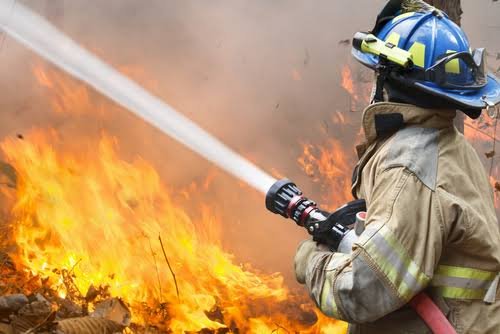
Summer brings longer days, warmer weather, outdoor activities, and increased demand for electricity. However, it can also create additional fire safety challenges for homes, offices, factories, warehouses, farms, and public buildings. High temperatures, dry vegetation, overloaded electrical systems, and the careless handling of combustible materials can combine to increase the risk of fire.
In Pakistan, summer fire safety deserves particular attention because many regions experience intense heat, while homes and businesses often depend heavily on fans, air conditioners, refrigerators, water pumps, and other electrical appliances. When electrical installations are poorly maintained or equipment is used beyond its intended capacity, the possibility of a fire-related emergency can increase.
Outdoor environments also require attention. Dry grass, fallen leaves, crop residue, and other vegetation can provide fuel for fires, allowing flames to spread under unfavourable weather conditions. A small fire that begins in an open area can threaten nearby buildings, vehicles, farms, and communities.
Understanding summer fire hazards is the first step towards preventing emergencies. A well-maintained fire alarm system in Pakistan, suitable firefighting equipment, clear evacuation routes, and regular safety checks can help homes and businesses prepare for unexpected incidents.
This guide explains common summer fire hazards, why they occur, how to reduce risks, and what people should know about responding safely when a fire breaks out.
1. Understanding Summer Fire Hazards
Summer fire hazards are conditions or activities that increase the likelihood of a fire starting or spreading during hot weather. They may occur indoors, outdoors, or in workplaces where heat, electricity, combustible materials, and equipment are present.
The main hazards include:
- Electrical faults caused by damaged wiring or overloaded circuits.
- Excessive use of cooling appliances and electrical equipment.
- Dry vegetation that can ignite and allow outdoor fires to spread.
- Unsafe storage of flammable products near heat sources.
- Cooking accidents and unattended heating equipment.
- Poor maintenance of machinery, generators, and electrical installations.
- Inadequate fire detection, warning, or evacuation arrangements.
High temperatures do not automatically cause every fire, and the causes of individual incidents vary. However, hot weather can contribute to conditions that make some fire risks more difficult to manage.
For example, increased electricity demand may place additional pressure on poorly maintained installations. Dry vegetation can allow outdoor fires to spread more readily, while cluttered storage areas can provide fuel for flames.
Recognising these hazards allows property owners, families, and businesses to take preventive action before an emergency occurs.
2. Electrical Overloading During Summer
Electrical safety is one of the most important parts of summer fire prevention in Pakistan.
During hot weather, households and workplaces may run air conditioners, fans, refrigerators, water pumps, and other appliances for extended periods. If electrical circuits are poorly designed, damaged, or overloaded, wiring and connections can overheat.
Faulty electrical installations may also produce sparks or ignite nearby combustible materials.
Common electrical fire risks
Several conditions can increase electrical hazards:
- Connecting too many high-power appliances to one outlet or extension.
- Using damaged plugs, cables, sockets, or adapters.
- Ignoring repeated circuit-breaker trips.
- Operating equipment with loose or overheating connections.
- Using unsuitable electrical accessories for high-power appliances.
- Allowing unqualified people to carry out electrical repairs.
How can electrical risks be reduced?
Have electrical installations assessed and repaired by qualified electricians. Ensure that circuits and protective devices are appropriate for the electrical load, and replace damaged cables or accessories.
Avoid overloading sockets and extension leads. Repeated tripping of a circuit breaker should be investigated rather than treated as a minor inconvenience. Never bypass a protective device to keep equipment running.
Electrical appliances should be used according to their manufacturers’ instructions. Where equipment becomes unusually hot, produces a burning smell, or shows other signs of damage, stop using it if it is safe to do so and arrange professional inspection.
For commercial buildings, scheduled electrical maintenance and documented inspections can help identify hazards before they develop into emergencies.
3. Air Conditioners, Fans, and Other Cooling Equipment
Cooling equipment is essential for comfort in many Pakistani homes and workplaces during summer. Nevertheless, damaged appliances, unsuitable electrical connections, poor maintenance, and incorrect installation can create safety concerns.
Air conditioners may operate for long periods, while fans and refrigerators may remain switched on throughout the day. This makes it important to keep appliances in good condition and ensure that their electrical supplies are suitable.
Important precautions
- Arrange installation and repairs through qualified technicians.
- Keep air conditioner filters and components maintained according to manufacturer instructions.
- Avoid using damaged power cords or unsuitable extension leads.
- Keep appliance ventilation openings clear.
- Follow the manufacturer’s guidance for safe operation.
- Switch off and isolate faulty equipment when it is safe to do so.
- Arrange an electrical inspection if breakers trip repeatedly or wiring shows signs of overheating.
Cooling equipment should not be left operating when it is known to be defective. Unusual noises, burning smells, smoke, or visible damage should be treated seriously.
A maintained electrical system helps reduce preventable hazards and supports safer use of cooling appliances throughout the summer season.
4. Dry Vegetation and Outdoor Fires
Summer weather can dry out grass, leaves, shrubs, crop residue, and other vegetation. These materials may ignite when exposed to an ignition source, and fire can spread more easily when dry fuel is abundant.
Outdoor fires can threaten homes, agricultural land, storage buildings, roadside vegetation, and nearby communities. Wind and changing weather conditions may make an incident harder to control.
Pakistan’s National Disaster Management Authority (NDMA) publishes seasonal hazard guidance and forest fire awareness information to support preparedness and risk reduction. Its guidance emphasises reporting fires, following official instructions, and evacuating when authorities advise it. <Cite refs={[“turn544434search23″,”turn544434search2”]} />
Reducing outdoor fire risks
Property owners and communities can help by keeping suitable areas around buildings free of accumulated dry vegetation and combustible rubbish. Waste should be handled through safe, authorised disposal methods rather than being burned carelessly.
Avoid discarding burning materials in dry grass or leaving open flames unattended. Outdoor cooking and similar activities should be managed in accordance with local restrictions and safe practices.
If a vegetation fire is discovered, report it promptly to the relevant emergency services. Do not approach the flames or attempt to cross a burning area. If the fire threatens a building or community, follow official evacuation instructions.
Outdoor fire prevention is a shared responsibility involving residents, landowners, businesses, and relevant authorities.
5. Kitchen and Cooking-Related Fire Hazards
Cooking remains a common source of preventable fires throughout the year. Summer can add challenges when homes are busy, windows are open, or people are distracted by other activities.
In kitchens, fires may involve cooking oil, food, gas appliances, electrical equipment, or nearby combustible materials. Unattended cooking and unsafe handling of gas equipment can make incidents more likely.
Practical kitchen safety measures
Keep cooking areas clean and remove accumulated grease where appropriate. Store paper, cloth, plastic packaging, and other combustible materials away from cooking surfaces.
Do not leave cooking unattended, particularly when heating oil. Keep children away from hot appliances and ensure that gas equipment is installed and maintained by competent professionals.
If a cooking fire occurs, do not throw water onto burning oil or grease. This can spread the fire and make the situation more dangerous. Raise the alarm, move away, and evacuate if there is any uncertainty about whether the fire can be controlled safely.
Where an appropriate fire blanket or extinguisher is provided, it should be used only in accordance with its instructions and by someone who is trained and has a safe escape route. Never allow firefighting efforts to delay evacuation.
6. Fire Risks in Factories, Warehouses, and Commercial Buildings
Summer fire hazards are not limited to homes. Industrial and commercial premises may contain machinery, electrical equipment, packaging, fabrics, cardboard, chemicals, fuels, or other materials that can contribute to a fire.
Factories may operate equipment for long periods, while warehouses can store large quantities of combustible goods. Offices and retail premises may have crowded electrical outlets, storage rooms, kitchens, and equipment areas.
A small ignition source can become a serious incident when combustible materials are poorly managed or the building lacks suitable detection and evacuation arrangements.
Workplace prevention measures
Businesses should identify the fire hazards associated with their particular operations and implement appropriate controls. These may include:
- Maintaining electrical installations and machinery.
- Keeping combustible waste under control.
- Storing flammable materials in designated, suitable areas.
- Keeping corridors, exits, and access to firefighting equipment clear.
- Maintaining fire detection and alarm equipment.
- Providing appropriate extinguishers and other required protection.
- Training employees on emergency procedures.
- Recording inspections, repairs, and maintenance activities.
In Pakistan, Punjab Civil Defence lists fire detection and alarm systems, firefighting arrangements, fire safety plans, emergency fire control rooms, and emergency exits among the measures considered during inspections of relevant premises. Specific obligations depend on the location, building type, and applicable regulations. <Cite refs={[“turn544434search0”]} />
Businesses should consult the relevant authority to establish which requirements apply to their premises.
7. The Role of Fire Alarm Systems During Summer
A fire alarm system is an important part of building safety because it can warn occupants of a fire or suspected fire. Early warning gives people an opportunity to recognise the danger, follow emergency procedures, and leave the building.
Depending on the design, a system may include smoke detectors, heat detectors, manual call points, audible alarms, visual warning devices, and a central control panel.
During summer, electrical equipment may be used more heavily, and some workplaces may store materials or operate machinery that presents additional fire risks. A suitable alarm system can help provide warning if a fire develops in an area where people might not immediately notice it.
What should property owners consider?
A fire alarm system should be selected according to the building’s size, layout, occupancy, hazards, and applicable requirements. Installation should be completed by competent professionals, and the system should be commissioned and maintained correctly.
Building managers should ensure that alarms can be heard or otherwise perceived by the people who need to respond. Where required, visual warning devices and accessible alert arrangements should also be considered.
Regular testing and maintenance are essential. Defective detectors, disabled circuits, damaged warning devices, or unresolved faults may reduce the system’s effectiveness.
Businesses searching for a fire alarm system in Pakistan should consider the complete safety requirements of their building rather than choosing equipment solely on price.
A fire alarm is not a substitute for electrical maintenance, fire prevention, suitable firefighting equipment, or safe exits. It works best as part of a coordinated fire safety plan.
8. Fire Extinguishers and Other Protection Equipment
Fire extinguishers can provide an initial response to certain small fires when the equipment is suitable and the user is trained. However, not all extinguishers work on all types of fire.
For example, water can be dangerous around energised electrical equipment and may spread burning flammable liquids. The correct equipment depends on the hazard and the instructions provided by the manufacturer.
Essential equipment checks
Building owners and facility managers should ensure that required firefighting equipment is:
- Appropriate for the identified risks.
- Installed in designated and accessible locations.
- Clearly identified with suitable signage.
- Inspected and serviced according to applicable requirements.
- Free from visible damage or obstruction.
- Supported by suitable training and emergency procedures.
Other equipment may include fire hose reels, hydrants, sprinklers, emergency lighting, and smoke detection systems, depending on the building’s design and applicable requirements.
Do not assume that having an extinguisher on the premises automatically makes a building safe. Equipment must be appropriate, maintained, and available when required.
9. Creating a Summer Fire Safety Plan for Your Home
A household fire safety plan helps family members understand what to do if smoke or flames are discovered.
Begin by checking potential ignition sources, including electrical sockets, cooking appliances, chargers, fans, air conditioners, and other equipment. Remove combustible clutter from areas where it could contribute to a fire, and ensure that electrical repairs are completed by qualified professionals.
Check whether suitable smoke alarms are installed and maintained according to the manufacturer’s instructions and applicable requirements.
Plan escape routes
Identify safe exits from bedrooms, living areas, and other occupied rooms. Ensure that doors and passageways can be used without delay and that keys or other arrangements will not prevent escape.
Choose an outdoor meeting point where family members can gather after leaving the building. Everyone should understand that they must not re-enter to retrieve belongings.
Discuss how to alert emergency services and how to assist younger children or anyone who may need additional help. Review the plan periodically, especially after changes to the home’s layout.
Preparedness should focus on leaving safely rather than expecting family members to fight a fire.
10. Preparing Offices and Businesses for Summer
Businesses can reduce seasonal risks by reviewing their fire safety arrangements before periods of high electrical demand or intense heat.
Facility managers should arrange inspections of electrical systems and equipment, confirm that alarm systems are functioning, and check that required firefighting equipment is accessible.
Storage practices also matter. Combustible materials should be kept away from unsuitable heat sources, and waste should be removed through safe procedures.
Employees should receive clear information about the alarm signal, designated exits, assembly points, and the process for reporting hazards. New employees, contractors, and temporary staff should be included in relevant safety briefings.
A simple workplace checklist
- Review electrical equipment and repair identified defects.
- Check that fire alarms and warning devices are maintained.
- Confirm that exits and escape routes are unobstructed.
- Check required firefighting equipment and its service status.
- Review emergency contact details and evacuation procedures.
- Provide staff with suitable fire safety training.
- Record inspections and follow up on outstanding issues.
The checklist should be adapted to the actual workplace and should not replace a professional fire risk assessment where one is required.
11. What to Do When a Fire Breaks Out
The priority during a fire is to protect people, raise the alarm, and evacuate safely.
If you discover a fire, alert others and activate the building’s alarm if it is safe to do so. Contact the local emergency services and provide the location and nature of the incident.
Leave through the nearest safe exit, avoiding smoke-filled corridors and areas affected by flames. Do not use lifts unless they are specifically designed and authorised for emergency evacuation.
Do not stop to collect belongings or attempt to extinguish a fire that is spreading, producing heavy smoke, or threatening your escape route. Only a trained person should consider using suitable firefighting equipment on a small fire when conditions are safe and a clear exit remains available.
Once outside, move to the designated assembly point and remain there. Do not re-enter the building until emergency responders say it is safe.
For a suspected fire in an outdoor area, report it promptly, keep away from smoke and flames, and follow official evacuation instructions. In Punjab, Rescue 1122 provides fire and other emergency response services; the appropriate contact arrangements may differ by jurisdiction. <Cite refs={[“turn544434search14″,”turn544434search18”]} />
12. Building a Stronger Culture of Fire Prevention
Fire prevention becomes more effective when safety is treated as an everyday responsibility rather than a seasonal activity.
Households can reduce hazards through safe appliance use, electrical maintenance, sensible storage, and family emergency planning. Businesses can strengthen safety through risk assessments, employee awareness, equipment servicing, and clear procedures.
Property owners should also pay attention to the requirements of relevant authorities and arrange suitable professional assessments where needed.
Public awareness is particularly important for outdoor fires. Communities can help by reporting fires early, avoiding careless burning, following official alerts, and keeping people away from dangerous areas.
No single measure can eliminate every fire risk. However, prevention, early warning, preparation, and safe evacuation can help reduce the likelihood and consequences of serious incidents.
Conclusion
Summer fire hazards can affect homes, offices, factories, warehouses, farms, and public spaces across Pakistan. Electrical overloading, faulty appliances, dry vegetation, unsafe cooking practices, and poor storage can all contribute to preventable emergencies.
Reducing these risks requires regular maintenance, responsible use of electrical equipment, suitable storage practices, and awareness of outdoor fire dangers. Buildings should also have appropriate alarm systems, firefighting equipment, and clear evacuation arrangements according to their needs and applicable requirements.
A properly maintained fire alarm system can provide an important early warning, but it must work alongside prevention measures, safe escape routes, and emergency planning.
The most important principle is simple: prepare before an emergency occurs, respond promptly when a fire is detected, and always prioritise human safety over property or equipment.
Frequently Asked Questions (FAQs)
1. Why can summer increase fire risks in Pakistan?
Summer can bring intense heat, increased use of electrical appliances, and dry vegetation. These conditions may contribute to electrical overheating or faster outdoor fire spread, particularly when maintenance and prevention measures are inadequate.
2. What are the most common summer fire hazards?
Potential hazards include overloaded electrical circuits, damaged wiring, poorly maintained appliances, unattended cooking, unsafe storage of combustible materials, and dry vegetation exposed to an ignition source. The specific risks depend on the building and its activities.
3. How does a fire alarm system help during summer?
A fire alarm system can alert occupants to a fire or suspected fire, helping them recognise the danger and begin evacuation. Its effectiveness depends on suitable design, correct installation, functioning warning devices, and regular maintenance.
4. How can businesses prevent summer fire incidents?
Businesses should maintain electrical installations and machinery, manage combustible materials, keep exits clear, inspect required firefighting equipment, maintain alarm systems, and train staff on emergency procedures. A fire risk assessment can help identify the controls needed for each workplace.
5. What should people do if a fire starts during hot weather?
Raise the alarm, contact emergency services, and evacuate using a safe exit. Avoid smoke and flames, do not use lifts unless authorised for emergency evacuation, and never delay leaving to protect belongings. Follow official instructions and do not re-enter until the building or area is declared safe.