
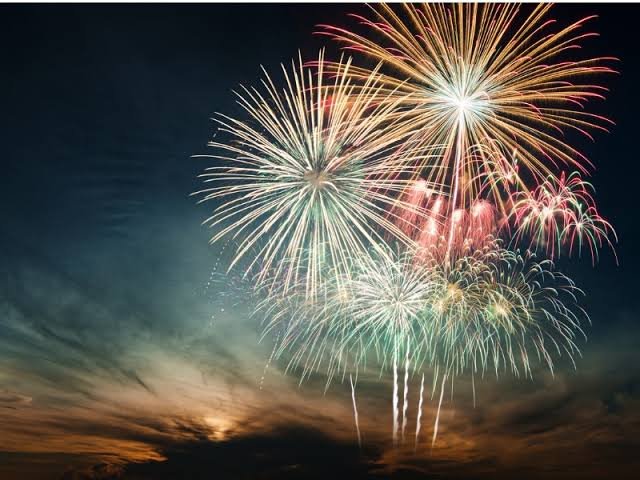
Fireworks are often associated with celebrations, weddings, festivals, national occasions, and other public events. However, they can also create serious safety risks, including fires, burns, property damage, and injuries. A celebration should never put guests, workers, nearby residents, or emergency responders in danger.
In Pakistan, fireworks safety deserves particular attention because celebrations may take place in crowded neighbourhoods, commercial areas, wedding venues, and open public spaces. Before making arrangements for an event involving fireworks, organisers should understand the relevant legal requirements, assess the venue, confirm professional supervision, and make sure suitable emergency arrangements are in place.
The phrase fireworks safety is not simply about choosing a product or following a few precautions. It involves planning, legal compliance, responsible supervision, fire prevention, and protecting everyone who may be affected.
This guide explains the important safety checks to consider before arranging a fireworks display. It focuses on prevention and responsible event planning rather than instructions for purchasing, handling, or setting off fireworks.
1. Understand the Legal Requirements in Pakistan
The first consideration should always be whether fireworks are permitted for the intended event and location.
Fireworks are regulated under Pakistan’s explosives framework. The Explosives Rules, 2010 contain provisions concerning the licensing of fireworks-related activities, including possession and sale from shops and public displays. The rules also identify licensing requirements and conditions that apply to authorised activities.
In July 2026, the Government of Pakistan issued S.R.O. 1167(I)/2026, introducing amendments to the Explosives Rules, 2010. These changes include updates to licensing provisions and the authorities responsible for certain approvals. Event organisers should therefore check the latest applicable rules instead of relying on old information.
Local restrictions may also apply. A district administration or other competent authority may impose restrictions or prohibit fireworks in particular places or during certain periods. Requirements can differ according to the location and nature of an event.
Before making arrangements, organisers should:
- Confirm whether fireworks are currently permitted at the proposed location.
- Check applicable federal and local licensing requirements.
- Confirm whether a public-display licence or other approval is required.
- Obtain written permission where required.
- Follow any conditions imposed by the relevant authorities.
Never assume that fireworks are permitted simply because similar celebrations have taken place nearby.
2. Confirm That the Event Has Qualified Professional Supervision
A public fireworks display should not be treated as an ordinary entertainment activity. It involves specialist materials and risks that require appropriate professional knowledge and legal authorisation.
One important check is whether the person or organisation responsible for the display has the necessary licence, qualifications, and experience.
Organisers should verify the professional’s identity and credentials with the relevant licensing authority. They should also establish who is legally responsible for supervising the display and coordinating safety arrangements.
A responsible professional should be able to explain:
- Which licences and permissions apply.
- Who is responsible for safety supervision.
- What emergency arrangements will be available.
- How spectators and workers will be protected.
- How the event will comply with local restrictions.
Do not rely on informal promises or verbal assurances. Important responsibilities should be confirmed in writing.
Children and untrained guests should never be involved in handling fireworks or supervising a display. These responsibilities belong to authorised adults and qualified professionals.
3. Assess the Venue Before Making Event Arrangements
The location can significantly affect the safety of a fireworks display. A venue that appears spacious may still have nearby buildings, overhead electrical lines, vehicles, trees, or other hazards.
Organisers should arrange a professional site assessment before approving any display. The assessment should consider the surrounding environment, access for emergency services, the number of spectators, and the venue’s evacuation arrangements.
Particular attention should be given to:
- Nearby residential buildings and commercial properties.
- Hospitals, schools, and other sensitive locations.
- Roads and areas used by pedestrians.
- Vehicles and temporary structures.
- Electrical infrastructure.
- Trees, dry vegetation, and other combustible surroundings.
- Emergency vehicle access.
Pakistan’s Explosives Rules include conditions relating to public displays, including requirements concerning spectator safety and certain nearby locations. The precise conditions must be checked against the current rules and the relevant licence.
If a qualified professional or competent authority identifies an unacceptable risk, the display should not proceed at that venue.
4. Check the Venue’s Fire Detection and Alarm Arrangements
Fire detection is an important part of overall event safety. A fire can develop unexpectedly, particularly where temporary decorations, electrical equipment, generators, or other combustible materials are present.
Before an event, organisers should confirm that the venue has suitable fire detection and alarm arrangements. These systems should be appropriate for the building, its occupancy, and the risks identified during the safety assessment.
A suitable fire alarm system helps occupants receive an early warning so they can follow the evacuation plan. However, an alarm system cannot prevent every fire or replace professional supervision.
In Pakistan, the Punjab Civil Defence Department lists fire detection and alarm systems among the fire safety measures inspected in industrial, commercial, and high-rise premises. Its guidance also identifies firefighting arrangements, fire safety plans, emergency exits, and evacuation plans as important measures.
For an event venue, organisers should confirm that:
- The fire alarm system is suitable for the premises.
- The system is maintained and inspected by competent personnel.
- Guests can hear or otherwise receive emergency warnings.
- Emergency exits are clearly identified.
- Escape routes are not obstructed.
- Responsible staff understand the venue’s emergency procedures.
A properly maintained fire alarm system in Pakistan can contribute to safer buildings and public venues, but it must be part of a wider fire safety plan.
5. Review Fire Prevention and Emergency Arrangements
An event safety plan should explain how the organisers will protect people if an emergency occurs.
Before approving a display, organisers should ask whether the venue has an appropriate emergency response plan and whether the relevant authorities have been consulted.
The plan should identify:
- Who is responsible for contacting emergency services.
- How guests will receive emergency instructions.
- Where people should assemble after evacuation.
- How emergency exits will remain accessible.
- How staff will assist people who need additional support.
- How emergency vehicles can reach the premises.
The venue should also have suitable fire safety equipment maintained by competent personnel. Equipment requirements depend on the premises and the risks identified by qualified professionals.
Guests should not be expected to manage a fireworks-related emergency themselves. If a fire or other dangerous situation develops, people should move away from the danger, follow the venue’s evacuation instructions, and contact emergency services.
6. Consider Weather and Environmental Conditions
Weather can influence the safety of outdoor events. Wind, dry conditions, poor visibility, and other environmental factors may increase risks to spectators and surrounding properties.
Organisers should ensure that the responsible professional monitors relevant weather information and follows the conditions set by the licensing authority.
An event should be postponed or cancelled if conditions make the planned activity unsafe. The decision should be based on professional assessment and applicable permissions, not pressure to continue a celebration.
Environmental considerations also matter. Smoke and noise can affect residents, children, older people, and individuals with respiratory sensitivities. Fireworks may also disturb animals and create litter in public spaces.
A responsible event plan should consider nearby communities and minimise unnecessary environmental disturbance.
7. Check Crowd Management and Guest Protection
Large gatherings can become difficult to manage if guests are not given clear information or if movement around the venue is poorly organised.
Crowd management should be planned before the event. Organisers should work with venue management and qualified security or event-safety personnel to protect spectators.
Important considerations include:
- Keeping the audience in designated safe areas.
- Preventing unauthorised access to restricted areas.
- Maintaining clear walkways and exits.
- Providing visible emergency information.
- Avoiding overcrowding.
- Making arrangements for children and guests requiring assistance.
Guests should receive clear instructions about where they may go and what to do if an emergency announcement is made.
Children must remain under responsible adult supervision. They should not handle fireworks, approach restricted areas, or attempt to investigate unexploded or damaged items.
8. Review Storage and Transport Compliance
Storage and transportation of fireworks are regulated activities. They should not be treated as ordinary event supplies.
Pakistan’s Explosives Rules include requirements relating to licensed premises, storage conditions, authorised activities, and transportation. The applicable conditions depend on the type of activity and the relevant licence.
Event organisers should confirm that any professional responsible for these arrangements complies with current legal requirements.
They should not accept informal storage arrangements or materials kept in unsuitable locations. Fireworks should never be stored alongside ordinary event decorations, food supplies, or other combustible materials.
Members of the public, particularly children and untrained workers, should not be asked to move, inspect, or store fireworks.
If there is uncertainty about the legality or safety of storage and transportation arrangements, the organisers should seek guidance from the relevant authority before proceeding.
9. Consider Electrical Safety at the Venue
Electrical problems can create fire risks at events. Temporary lighting, sound systems, generators, extension cables, and decorative installations may increase the electrical load.
A qualified electrician or competent technician should assess the venue’s electrical arrangements before the event.
Organisers should confirm that:
- Electrical installations are suitable for the expected load.
- Damaged cables and equipment are not used.
- Temporary wiring is properly protected.
- Generators are positioned and managed according to professional safety requirements.
- Electrical equipment does not obstruct emergency routes.
- The venue’s electrical safety procedures are understood by responsible staff.
Electrical safety should be considered separately from fireworks supervision. Both are important parts of a complete event risk assessment.
10. Check Insurance and Responsibility for Emergencies
Another important consideration is responsibility. Organisers should understand who is accountable for different parts of the event and what protection is available if an incident occurs.
Depending on the venue and event, relevant insurance may include public liability coverage and other suitable policies. Organisers should ask their insurer whether the planned activity is covered and whether any exclusions or special conditions apply.
Written agreements should clearly identify responsibilities for:
- Venue safety.
- Professional supervision.
- Legal permissions.
- Crowd management.
- Emergency communication.
- Insurance and incident reporting.
Insurance does not replace safety precautions or legal compliance. It is an additional consideration in responsible event planning.
11. Understand the Role of Fire Safety Training
Staff members and event volunteers should know their responsibilities before guests arrive.
Training should cover emergency communication, evacuation procedures, recognising alarm signals, keeping exits clear, and directing people towards safe areas.
Only appropriately trained and authorised personnel should perform specialist safety duties. Children and ordinary guests should never be expected to respond to a fireworks incident by handling equipment or attempting to control a fire.
For venues in Pakistan, fire safety awareness is particularly important where events involve large numbers of people. Staff should know how to raise the alarm and contact the appropriate emergency services.
Regular training and practice can help reduce confusion during an unexpected incident.
12. Avoid Common Fireworks Safety Mistakes
Even well-organised events can become unsafe when basic precautions are overlooked. Common mistakes include:
Ignoring local restrictions: Organisers may assume that a display is allowed without checking current government orders or licence conditions.
Choosing an unsuitable venue: Nearby buildings, roads, electrical infrastructure, or crowded surroundings may create unacceptable risks.
Using unqualified supervision: Informal arrangements cannot replace legally authorised and professionally managed services.
Ignoring the fire alarm system: A venue’s alarm may be poorly maintained, difficult to hear, or not included in the event’s emergency planning.
Blocking emergency exits: Decorations, furniture, equipment, and temporary structures should never obstruct escape routes.
Overlooking crowd safety: Guests need clear information and sufficient space to move safely.
Failing to plan for cancellation: Organisers should be prepared to postpone or cancel an activity when legal, weather, or safety conditions are unsuitable.
Avoiding these mistakes requires planning well before the event begins.
13. Why Fire Alarm Systems Matter for Event Venues in Pakistan
A fire alarm system is an important part of a building’s overall fire protection arrangements. It detects signs of fire and alerts occupants so they can respond according to the emergency plan.
For hotels, wedding halls, restaurants, shopping centres, and other public venues, reliable alarm arrangements are particularly important because many people may be unfamiliar with the building.
A suitable system should be selected according to the building’s layout, occupancy, and fire risk. It should also be installed and maintained by qualified professionals.
The Building Code of Pakistan Fire Safety Provisions 2016 provides a national reference for fire safety in buildings. The requirements applicable to a particular property should be confirmed with the relevant authority and qualified building professionals.
A fire alarm system in Pakistan should not be viewed as a substitute for legal permissions, professional supervision, fire prevention, or evacuation planning. It is one part of a coordinated safety approach.
14. A Practical Checklist for Responsible Event Organisers
Before approving an event involving fireworks, organisers should review the following points with the venue management and qualified professionals:
- [ ] Current legal restrictions and permissions have been checked.
- [ ] Required licences and approvals have been verified.
- [ ] The responsible professional’s credentials have been confirmed.
- [ ] The venue has undergone an appropriate safety assessment.
- [ ] Nearby buildings and sensitive locations have been considered.
- [ ] Fire detection and alarm arrangements have been reviewed.
- [ ] Emergency exits and evacuation routes are accessible.
- [ ] Crowd management arrangements are in place.
- [ ] Emergency services can access the venue.
- [ ] Weather and environmental conditions are being monitored.
- [ ] Electrical safety has been assessed.
- [ ] Staff understand their emergency responsibilities.
- [ ] Insurance and written responsibilities have been reviewed.
- [ ] A clear postponement or cancellation decision can be made if conditions are unsafe.
If important checks remain incomplete, organisers should not proceed until the issues have been resolved.
Conclusion
Fireworks may be associated with celebration, but public safety must always come first. Before arranging a display, organisers in Pakistan should check current legal requirements, confirm professional supervision, assess the venue, review fire alarms, and establish clear emergency procedures.
Responsible planning also means protecting children, managing crowds, considering nearby communities, and being willing to postpone an event when conditions are unsuitable.
A reliable fire alarm system in Pakistan can help provide early warning in public buildings, but it works best alongside proper maintenance, trained staff, accessible exits, and a complete fire safety plan.
The most successful celebration is one in which guests can enjoy the occasion without being exposed to avoidable risks.
Frequently Asked Questions (FAQs)
1. Why is fireworks safety important in Pakistan?
Fireworks can create fire hazards, injuries, noise, and property damage. Safety planning helps protect guests, workers, nearby residents, and public property while supporting compliance with applicable laws.
2. Are fireworks regulated in Pakistan?
Yes. Fireworks-related activities are covered by Pakistan’s explosives laws, including the Explosives Rules, 2010 and subsequent amendments. Licensing and other requirements may apply to possession, sale, storage, transportation, and public displays.
3. What should event organisers check before arranging a fireworks display?
They should check current permissions, professional authorisation, venue suitability, crowd management, fire detection and alarm arrangements, emergency exits, and emergency response planning.
4. Why does a venue need a fire alarm system?
A suitable fire alarm system provides early warning when signs of fire are detected. It helps occupants follow evacuation procedures and is an important part of a wider fire safety strategy.
5. What should guests do if a fireworks-related emergency occurs?
Guests should move away from the danger, follow instructions from responsible event staff, and evacuate using the designated safe routes when directed. They should not approach, touch, or attempt to handle fireworks or other dangerous materials.