
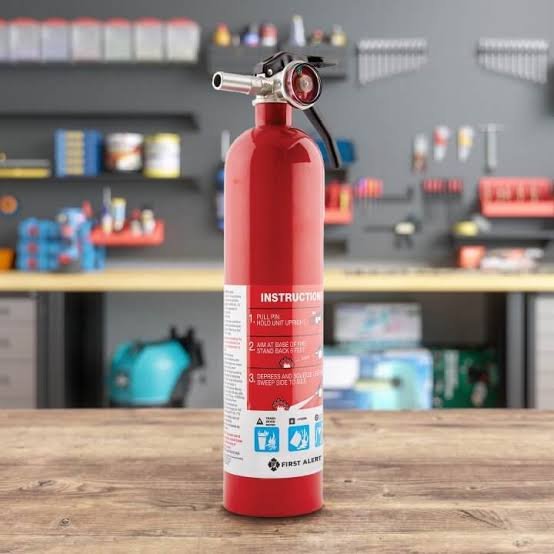
A garage is often treated as a simple storage or parking area, but it can contain several potential fire hazards. Cars, motorcycles, electrical equipment, tools, cardboard boxes, paints, cleaning products, and other stored materials may all be present in the same space. If these items are not managed properly, a small incident can become a serious emergency.
Garage fire safety is especially important when the garage is attached to a house. A fire that begins in this area may threaten nearby rooms and affect the safety of everyone living inside. Even a detached garage can present risks to neighbouring properties, vehicles, and stored belongings.
Many homeowners focus on fire safety in kitchens and living rooms but overlook their garages. This is a mistake. Every household should understand the hazards associated with garages and make sure suitable prevention, detection, and emergency arrangements are in place.
In Pakistan, where homes may contain vehicles, generators, electrical tools, and additional storage areas, garage safety deserves regular attention. A suitable fire alarm system in Pakistan can contribute to a wider home fire-safety plan, but equipment must be selected and installed according to the building’s needs.
This guide explains why garage fire safety matters, common hazards to recognise, and practical ways households can improve their preparedness.
1. Why Garage Fire Safety Is Important
A garage may look separate from the main living area, but it is often connected to the house through an internal door or shared structure. This connection can make a garage fire particularly concerning.
Garages may contain combustible materials, electrical equipment, vehicles, and products used for household maintenance. These items can introduce risks that are not normally present in bedrooms or living rooms.
According to the United States Fire Administration (USFA), garage fires can spread farther and cause more injuries and property losses than fires starting in other areas of a home. This highlights why garages should be included in household fire-prevention planning.
Protecting People Inside the Home
When a garage is attached to a house, an incident in the garage may affect the rooms next to it. Smoke and heat can create dangerous conditions, especially if the household is unaware of the emergency.
Suitable detection arrangements, a properly maintained separation between the garage and living areas, and a clear household evacuation plan can help reduce the risks.
Protecting Vehicles and Property
A garage may contain vehicles, bicycles, tools, spare parts, and household equipment. Damage to these items can create significant financial difficulties.
A well-organised garage, suitable electrical maintenance, and responsible storage practices help reduce avoidable hazards.
Protecting Neighbouring Properties
Detached garages may still be close to other buildings, boundary walls, or shared spaces. A fire can affect nearby properties, particularly where buildings are close together.
Garage fire safety is therefore not only a personal responsibility. It can also contribute to the safety of the surrounding community.
2. Understanding Common Garage Fire Hazards
The first step towards improving garage safety is recognising what can create a fire risk.
Every garage is different, but several common hazards deserve attention.
Electrical Equipment and Wiring
Garages often contain lighting, power outlets, battery chargers, refrigerators, power tools, and other electrical equipment.
Damaged cables, overloaded outlets, poor-quality connections, and neglected electrical installations can increase fire risk.
Homeowners should arrange appropriate inspections by qualified electricians and avoid using damaged electrical equipment.
Important precautions include:
- Do not overload electrical outlets.
- Replace damaged cables and plugs through qualified personnel.
- Keep electrical panels accessible.
- Use equipment according to manufacturer instructions.
- Avoid unsafe temporary wiring arrangements.
- Report unusual heat, burning smells, or electrical faults to a responsible adult.
Electrical work should never be attempted by someone without the appropriate training and supervision.
Flammable Household Products
Some garages contain paints, varnishes, cleaning products, adhesives, and other materials that may be flammable.
These products should remain in their original labelled containers and be stored according to their instructions. They should be kept away from heat sources and unsuitable storage conditions.
Always follow the product label and safety information. Do not transfer chemicals into unlabelled bottles or leave them where children can access them.
Vehicles and Fuel-Related Hazards
Cars and motorcycles contain components and materials that require appropriate maintenance. A vehicle with an electrical or mechanical fault may create additional safety concerns.
Vehicles should be maintained according to manufacturer recommendations. Any unusual smell, visible damage, or suspected fault should be assessed by a qualified mechanic.
Fuel-related products should never be stored casually in a garage. Follow local requirements and product safety instructions for any permitted storage.
Clutter and Combustible Materials
Cardboard, paper, old furniture, fabrics, and packaging materials can accumulate in garages.
Excessive clutter makes the area harder to maintain and may add combustible material to the space.
Regular housekeeping helps keep the garage organised and makes it easier to identify hazards.
3. Safe Storage Practices Make a Difference
A garage often becomes a convenient place to keep items that do not fit elsewhere in the house. Over time, this can lead to crowded shelves, stacked boxes, and poorly organised storage.
Good storage practices are an important part of fire prevention.
Keep Storage Organised
Use suitable storage arrangements that keep items stable and prevent unnecessary clutter.
Avoid placing combustible materials near electrical equipment, heating appliances, or other potential sources of heat.
Follow Product Instructions
Paints, adhesives, cleaning products, and other household materials may have specific storage requirements.
Read the labels and safety instructions before storing them. Some products may need to be kept in a different location rather than inside the garage.
Keep Access Areas Clear
Do not allow boxes, tools, or household items to block doors, walking routes, or access to electrical panels.
The garage should remain organised enough for occupants to leave safely if an emergency occurs.
Dispose of Unwanted Materials Responsibly
Old packaging, unwanted products, and household waste should not be allowed to accumulate indefinitely.
Follow local waste-disposal guidance, especially for products that require special handling.
4. The Importance of Suitable Fire Detection
A garage may be unoccupied for long periods, particularly during the night. This makes suitable detection and warning arrangements important.
However, homeowners should understand that not every type of alarm is appropriate for every location.
Smoke Alarms and Heat Alarms
Smoke alarms detect smoke, while heat alarms respond to a rise in temperature.
The USFA explains that ordinary smoke alarms are generally not designed for garage conditions. Dust, vehicle fumes, temperature changes, and humidity can cause nuisance alarms in some garage environments.
A heat alarm may be more suitable for certain garages, particularly when selected and installed according to the manufacturer’s instructions and applicable standards.
A qualified fire-safety professional can assess the garage and recommend an appropriate device.
Interconnected Warning Systems
Some detection arrangements allow alarms in different parts of a home to communicate with one another.
This can help occupants hear a warning even when they are in another room.
For an attached garage, the appropriate arrangement should be determined by a professional. The system must be suitable for the building and installed according to relevant requirements.
Regular Testing and Maintenance
Detection equipment should not simply be installed and forgotten.
Homeowners should:
- Follow the manufacturer’s testing instructions.
- Check warning signals regularly.
- Keep devices clean as directed.
- Replace batteries when required.
- Arrange professional checks for hardwired equipment.
- Replace devices when they reach the stated service life.
A device that is damaged, disconnected, or no longer functional cannot provide dependable protection.
5. Electrical Charging and Battery Safety
Modern garages may contain rechargeable equipment such as cordless tools, garden devices, bicycles, and other battery-powered products.
Charging equipment introduces additional considerations.
Use Compatible Chargers
Only use chargers recommended or approved by the equipment manufacturer. An unsuitable charger may damage a battery or create unsafe operating conditions.
Check Equipment Condition
Damaged batteries, chargers, cables, or power outlets should not be used.
If equipment appears swollen, unusually hot, damaged, or produces an unusual smell, stop using it and tell a responsible adult. Follow the manufacturer’s safety guidance.
Avoid Unsafe Charging Arrangements
Charging should take place in an appropriate location with suitable electrical arrangements. Keep charging equipment away from clutter and materials that can burn.
Do not charge damaged equipment or leave it operating contrary to the manufacturer’s instructions.
Understand Battery Risks
Rechargeable batteries can present fire risks if damaged, overheated, or used with unsuitable equipment.
Households should follow the product manufacturer’s instructions for charging, storage, inspection, and disposal.
6. Maintaining the Garage and Its Connection to the House
The structure of a garage can play an important role in household fire safety.
An attached garage may share a wall, ceiling, or doorway with the main house. These areas should be designed and maintained in accordance with applicable building requirements.
The Door Between the Garage and House
The connecting door is an important part of the separation between the garage and living space.
Where fire-rated or self-closing door requirements apply, the door should meet the relevant specification and remain properly maintained.
Homeowners should not remove door closers, leave damaged doors unrepaired, or make changes that compromise the intended separation.
Walls and Ceilings
The walls and ceilings separating an attached garage from living areas may need suitable fire-resisting construction.
The correct materials and specifications depend on the building design and applicable regulations. Any alteration or renovation should be assessed by qualified professionals.
Avoid Unapproved Structural Changes
Homeowners should not remove protective materials or create openings through separating walls without appropriate professional advice.
Even small changes can affect the intended protection between the garage and the rest of the house.
7. Keeping the Garage Clean and Well Maintained
Regular housekeeping can help households identify problems before they become more serious.
A clean garage is easier to inspect, organise, and maintain.
Remove Unnecessary Clutter
Review stored belongings periodically and remove unwanted packaging and other waste through appropriate disposal arrangements.
Avoid allowing items to build up around electrical installations or other equipment.
Maintain Tools and Appliances
Tools and appliances should be kept in good condition and used according to manufacturer instructions.
Damaged equipment should be taken out of use and assessed by a qualified person.
Keep Important Areas Accessible
Electrical panels, doors, and normal walking routes should not be blocked by storage.
Good organisation also makes it easier for adults to identify changes or hazards in the garage.
Review the Garage After Renovations
Home improvements may introduce new electrical connections, equipment, or storage arrangements.
After renovation work, the garage should be reviewed to ensure that its safety arrangements remain suitable.
8. Why Every Household Needs a Fire Escape Plan
Even a well-maintained garage can experience an unexpected emergency. That is why prevention should be supported by a household evacuation plan.
Every family should know how to respond if an alarm sounds or smoke is noticed.
Identify Suitable Exits
Household members should know the normal exits from the home and understand which routes are appropriate during an emergency.
The route through the garage should not automatically be assumed to be safe if the emergency involves that area.
Choose an Outdoor Meeting Point
Families should agree on a safe meeting place outside the building.
This helps adults check who has left the property and communicate important information to emergency responders.
Make Arrangements for Children and Other People Needing Assistance
Children should know how to alert an adult and follow evacuation instructions. They should not investigate a fire, enter the garage to collect belongings, or attempt to operate firefighting equipment.
Households should also consider older adults and anyone who may need assistance leaving the building.
Do Not Re-enter the Building
If an emergency occurs, leave the building and remain outside. Contact the appropriate local emergency service and do not return until authorised officials confirm it is safe.
9. Garage Fire Safety in Pakistani Homes
Garage arrangements vary across Pakistan. Some houses have attached garages, while others use separate parking structures, small storage rooms, or covered spaces.
Households may also keep generators, electrical tools, vehicle accessories, and maintenance products in or near these areas.
These differences make it important to assess the actual conditions of each property.
Consider Local Building Requirements
The Building Code of Pakistan Fire Safety Provisions 2016 is an important national reference for building fire safety. Its application should be considered alongside the building’s design, use, and requirements of the relevant authority.
Homeowners planning a new garage or modifying an existing one should consult qualified building and fire-safety professionals.
Generator and Electrical Safety
Some homes keep backup generators or related equipment near garages.
Such equipment should be installed and operated only in locations suitable for its design and according to manufacturer instructions and applicable safety requirements. Generators must not be operated in enclosed or inadequately ventilated spaces because of the risk of carbon monoxide poisoning.
A qualified professional should assess suitable placement and installation.
Awareness of Emergency Services
Families should know the appropriate emergency contact arrangements for their area.
In Punjab, Rescue 1122 provides emergency response services. Residents in other areas should identify the relevant local emergency service.
10. Common Garage Fire-Safety Mistakes to Avoid
Some garage hazards develop because small safety concerns are ignored.
The following mistakes should be avoided:
Using damaged electrical equipment: Worn cables, loose connections, and faulty appliances should be assessed by qualified professionals.
Allowing clutter to accumulate: Unnecessary packaging and stored materials can make a garage harder to maintain.
Ignoring product labels: Household chemicals and maintenance products may have specific storage requirements.
Using unsuitable alarms: Smoke and heat alarms are designed for different conditions. The correct device should be selected for the location.
Neglecting maintenance: Electrical installations, garage doors, and detection equipment should be checked according to their requirements.
Blocking exits: Storage should never obstruct normal access or emergency escape routes.
Ignoring warning signs: Unusual smells, damaged equipment, or repeated electrical problems should be reported promptly.
Avoiding these mistakes can help make a garage safer for everyone in the household.
11. A Practical Garage Fire-Safety Checklist
Homeowners can use the following checklist to review their garages. It is a general awareness tool and does not replace professional inspection.
| Safety Area | What to Check |
|---|---|
| Electrical equipment | Look for visible damage and arrange qualified inspections |
| Storage | Keep materials organised and follow product instructions |
| Vehicle maintenance | Arrange regular servicing and report unusual faults |
| Battery charging | Follow manufacturer instructions |
| Detection | Confirm that suitable alarms are installed |
| Alarm maintenance | Follow testing and replacement instructions |
| Garage door | Maintain the door separating the garage from the house where applicable |
| Housekeeping | Remove unnecessary clutter |
| Access routes | Keep doors and walking routes clear |
| Emergency plan | Make sure household members understand evacuation arrangements |
A responsible adult can review this checklist periodically and arrange professional help where necessary.
12. How Professional Fire-Safety Advice Can Help
Every property has different requirements. A small detached garage may need different arrangements from a large attached garage containing electrical equipment and household storage.
Professional advice can help homeowners understand:
- Which detection devices are suitable.
- Whether the garage needs special building protection.
- How electrical installations should be inspected.
- Whether existing alarms are appropriately located.
- How the garage connects to the home’s escape arrangements.
- Which local requirements apply to the property.
A suitable fire alarm system in Pakistan should be chosen according to the building’s actual needs rather than simply purchasing equipment without an assessment.
Professional installation and maintenance are particularly important for hardwired systems and structural fire-protection features.
Conclusion
Garage fire safety is an important part of protecting a home. Garages often contain vehicles, electrical equipment, rechargeable batteries, tools, household products, and combustible storage materials. When these hazards are ignored, an incident may threaten both the garage and the main living area.
Homeowners can improve safety by maintaining electrical equipment, organising storage, following product instructions, selecting suitable detection devices, and keeping access routes clear. Attached garages also require attention to the separation between the garage and the living space.
A suitable detection arrangement, combined with regular maintenance and a clear family evacuation plan, can support a safer home.
Garage fire safety should never be treated as an afterthought. A few responsible habits and appropriate professional advice can make a meaningful difference to household preparedness.
Frequently Asked Questions (FAQs)
1. Why is garage fire safety important?
Garage fire safety is important because garages may contain vehicles, electrical equipment, rechargeable batteries, paints, packaging, and other materials that create potential fire risks. A fire in an attached garage may also threaten the main house.
2. Should a smoke alarm be installed inside a garage?
Ordinary smoke alarms may be unsuitable for some garage environments because dust, fumes, humidity, and temperature changes can cause unwanted alarms. A suitable heat alarm may be recommended instead, depending on the garage and manufacturer’s instructions. A qualified professional can advise on the correct device.
3. What are common causes of garage fires?
Potential causes include electrical faults, damaged equipment, unsafe charging arrangements, poorly managed storage, and problems involving vehicles or household maintenance products. The risks depend on how the garage is used.
4. How can I make my attached garage safer?
Keep the garage organised, maintain electrical equipment, follow storage instructions for household products, and ensure the separation between the garage and living areas remains suitable. Keep exits accessible and arrange a professional assessment when needed.
5. How often should garage fire-safety equipment be checked?
Follow the manufacturer’s instructions for each device. Smoke alarms in the home should generally be tested monthly, while heat alarms and other detection equipment should be inspected according to their specifications and applicable maintenance requirements.