
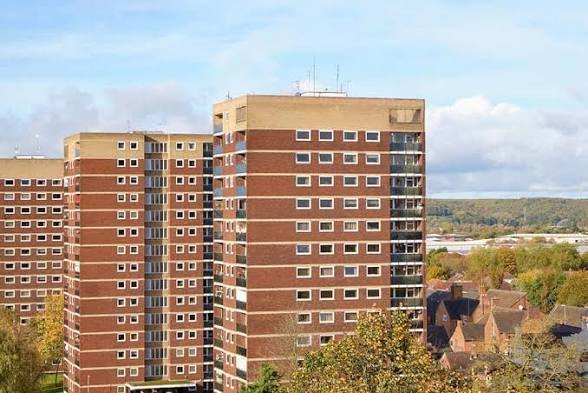
High-rise buildings are increasingly common in Pakistan’s major cities. Residential apartments, commercial towers, hotels, hospitals, shopping centres, and office buildings allow many people to live and work within a limited area. However, their height and complex layouts make fire safety planning especially important.
A fire in a multistorey building can create serious challenges. Smoke may travel through corridors and stairwells, occupants on upper floors may need additional time to evacuate, and emergency responders may face difficulties reaching affected areas. A missing alarm, blocked exit, or poorly maintained firefighting system can make the situation more dangerous.
For these reasons, buying fire safety equipment should never be based on price alone. Building owners and managers need to assess the property’s actual risks, applicable regulations, equipment quality, installation requirements, and long-term maintenance needs.
A properly selected Fire alarm system in Pakistan can help provide early warning, while suitable extinguishers, sprinklers, emergency lighting, protected stairways, and evacuation procedures offer additional layers of protection.
This guide explains what to check before investing in fire safety for a high-rise building, helping property owners make informed decisions that prioritize life safety, compliance, and long-term reliability.
1. Start With a Professional Fire Risk Assessment
Before purchasing equipment, understand the building’s fire hazards and safety requirements.
Every high-rise building has a different layout, occupancy, and risk profile. A residential apartment tower may have kitchens, electrical distribution rooms, parking areas, and generator facilities. An office building may contain server rooms, electrical equipment, and large numbers of employees. A hotel may need additional arrangements for guests who are unfamiliar with the property.
A fire risk assessment helps identify the measures required for the specific building.
Ask a qualified fire safety professional to assess:
- The building’s height, number of floors, and total floor area.
- The number and type of occupants.
- Electrical rooms, generator areas, kitchens, and parking facilities.
- Existing fire detection and firefighting systems.
- Emergency exits, stairways, and evacuation routes.
- The condition of fire doors and other fire-resistant features.
- Applicable building codes and local authority requirements.
- Existing safety deficiencies and recommended improvements.
The assessment should provide clear recommendations instead of simply offering a list of products for purchase.
For existing buildings, the review should also consider the condition of installed systems. Replacing equipment that still meets requirements may be less urgent than correcting a blocked escape route or repairing a defective alarm.
2. Check the Applicable Fire Safety Requirements in Pakistan
Legal compliance should be one of the first considerations when buying fire protection equipment.
The Building Code of Pakistan (Fire Safety Provisions) 2016 is an important national reference for building fire protection and life safety. Its provisions address fire detection, alarm systems, escape routes, and other protective measures.
The code includes specific provisions for high-rise buildings, including requirements for fire detection and alarm arrangements. The precise requirements for a property should be assessed against the applicable code provisions and any relevant local regulations. <Cite refs={[“turn223239search23″,”turn223239search21”]} />
Punjab Civil Defence also identifies fire detection and alarm systems, firefighting arrangements, fire safety plans, emergency fire control rooms, and evacuation plans among the measures inspected in relevant industrial, commercial, and high-rise premises. <Cite refs={[“turn223239search0”]} />
Before making a purchase, confirm:
- Which building code and regulations apply.
- Whether the building requires particular fire detection or suppression systems.
- What approvals, inspections, or certificates are required.
- Whether the proposed equipment meets the relevant technical requirements.
- Whether installation and commissioning must be completed by qualified personnel.
Requirements can vary according to the building’s location, use, occupancy, and the authority responsible for enforcement. Do not assume that the same equipment package will satisfy every building in Pakistan.
3. Choose the Right Fire Alarm System
A fire alarm system is a key part of a high-rise building’s life safety arrangements. It helps notify occupants when connected detection devices identify conditions indicating a possible fire.
However, not every alarm system is suitable for every building.
What should you check?
Detection coverage: The design should identify the areas requiring smoke detectors, heat detectors, manual call points, or other appropriate devices.
Control panel: The panel should be suitable for the system’s size and design, with clear indications of alarms and faults.
Notification devices: Sounders, visual indicators, or voice alarm equipment should be selected to suit the building and its occupants.
Backup power: Confirm the required backup power arrangements and how the system responds if the main electricity supply fails.
System compatibility: Devices and components should work together as intended and meet the applicable technical requirements.
Maintenance support: Ask how the system will be tested, serviced, and repaired after installation.
Documentation: Obtain system drawings, operating instructions, equipment details, commissioning records, and maintenance guidance.
For a large high-rise building, the alarm arrangement may need emergency voice communication to help occupants receive clear instructions. The building’s design and applicable requirements should determine the appropriate system.
Do not select a system merely because it is inexpensive or advertised as suitable for every building. A professional design is essential.
4. Examine Fire Extinguishers and Firefighting Equipment
Fire extinguishers can provide an initial response to certain small fires, but the correct type depends on the hazard.
For example, an extinguisher intended for ordinary combustible materials may not be suitable for every flammable liquid or electrical fire. Building managers should select equipment based on the risks identified in the fire assessment.
Before buying extinguishers, check:
- Whether the extinguisher type is appropriate for the expected fire hazards.
- Whether its capacity and quantity suit the building and applicable requirements.
- Whether the equipment meets relevant approval or certification requirements.
- Whether the operating instructions and markings are clear.
- Whether installation locations are accessible and properly identified.
- Whether inspection, servicing, and replacement support is available.
High-rise buildings may also require hydrants, hose reels, sprinkler systems, fire pumps, or other firefighting provisions. These systems have different purposes and should be evaluated as part of the complete fire protection design.
Do not assume that installing extinguishers alone is enough to protect a multistorey building.
5. Inspect Sprinkler Systems and Water Supplies
Automatic sprinkler systems are designed to respond to heat from a developing fire and control or suppress flames in the protected area, depending on the system’s design and operating conditions.
Where sprinklers are required, the system must be designed for the building and installed correctly.
Before purchasing or upgrading a sprinkler system, review:
Design suitability: Confirm that the proposed system is appropriate for the building’s layout, use, and fire hazards.
Water supply: Check that the design includes an adequate and reliable water supply.
Pumps and controls: Where required, fire pumps and associated controls should be suitable for the system and maintained correctly.
Piping and valves: Ensure the installation is designed and inspected by qualified personnel.
Testing and maintenance: Ask for a documented plan covering inspection, testing, repairs, and recordkeeping.
Coordination: Make sure the sprinkler arrangement works alongside the alarm system and other required fire protection measures.
Sprinklers do not replace alarms, escape routes, or other life safety measures. They are one part of a coordinated protection strategy.
6. Check Emergency Exits and Protected Stairways
Fire safety equipment is only useful if occupants can reach a safe location.
Before purchasing or upgrading a building’s safety arrangements, assess its emergency exits, corridors, stairways, and exit signage.
Look for:
- Sufficient designated escape routes for the building’s design.
- Clear, accessible corridors and exit doors.
- Properly identified emergency exits.
- Suitable emergency lighting where required.
- Maintained fire doors and protected stairways.
- Safe arrangements for people who may need assistance.
- A clear outdoor assembly point or other designated safe location.
Emergency exits must not be used as storage areas. Doors and corridors blocked by furniture, cartons, equipment, or other items can delay evacuation.
Ask the building manager how occupants should respond to an alarm and whether evacuation drills are conducted where appropriate.
If a building has serious deficiencies in its escape arrangements, those issues should be addressed as a priority rather than postponed while less urgent equipment is purchased.
7. Evaluate Smoke Control and Fire Compartmentation
Smoke can make escape difficult even when flames are not directly blocking a route. High-rise buildings therefore need suitable arrangements to limit the spread of smoke and fire.
Depending on the building design, protection may include fire-resistant walls, floors, doors, protected service openings, and smoke control systems.
Before purchasing related equipment or commissioning improvements, ask a qualified professional to check:
- Whether fire-resistant barriers are intact.
- Whether service penetrations are appropriately sealed.
- Whether fire doors close and operate correctly.
- Whether stairways and designated escape routes have suitable protection.
- Whether smoke control or ventilation systems are required.
- Whether any renovations have compromised existing fire protection features.
Smoke control systems are technical building systems. Their design and testing should be completed by competent professionals according to applicable requirements.
Buying a ventilation fan or other individual product without assessing the whole building may not provide the intended protection.
8. Review Product Quality and Supplier Reliability
Fire safety equipment is intended to perform during an emergency. Product quality, compatibility, installation, and after-sales support are therefore important purchasing considerations.
Before selecting a supplier, ask for the following information:
Technical specifications: These should describe the product’s intended use, operating limits, and compatibility.
Relevant approvals or certification: Confirm that the equipment satisfies the applicable requirements. Verify claims rather than relying only on advertising.
Warranty conditions: Understand what the warranty covers, its duration, and the process for resolving faults.
Availability of spare parts: Ask whether replacement components can be obtained when needed.
Installation support: Confirm whether qualified installation and commissioning services are available.
Maintenance arrangements: Check whether the supplier can provide service documentation, training, and ongoing support.
References and experience: Where appropriate, review the supplier’s experience with similar buildings and systems.
A low purchase price may not represent good value if the equipment is unsuitable, replacement parts are unavailable, or maintenance is difficult to arrange.
Compare complete proposals, including installation, commissioning, training, and long-term servicing, rather than comparing equipment prices alone.
9. Consider Installation, Commissioning, and Documentation
Even suitable equipment can fail to provide the intended protection if it is installed incorrectly.
Before approving a purchase, establish who will design the system, carry out the installation, test the completed work, and provide the necessary documentation.
A proper handover should include relevant records such as:
- Equipment lists and technical specifications.
- Approved or final installation drawings.
- Commissioning and functional test records.
- Operating and maintenance instructions.
- Details of backup power arrangements.
- Warranty information.
- A schedule for routine inspection and testing.
- Contact details for technical support.
For a fire alarm system, commissioning should verify that connected devices, notification appliances, control equipment, and required functions operate as designed.
Testing should be carried out by qualified personnel, following the manufacturer’s instructions and applicable requirements.
Building management should also understand how to identify a fault and whom to contact if the system indicates a problem.
10. Calculate the Total Cost of Ownership
A responsible purchasing decision considers long-term costs rather than the initial invoice alone.
The total cost may include:
- Equipment and accessories.
- Design and professional assessment.
- Installation and commissioning.
- Backup power provisions.
- Training and documentation.
- Routine inspections and testing.
- Servicing, repairs, and replacement components.
- Future upgrades or system expansion.
Different systems have different maintenance requirements. Request a clear estimate of expected service needs before making a decision.
Building owners should prioritize safety-critical deficiencies, required compliance measures, and equipment essential to protecting occupants. Cost reductions should never involve removing legally required provisions or choosing equipment that cannot perform its intended function.
A phased improvement plan may help organize non-urgent upgrades, but immediate hazards and mandatory requirements should not be delayed.
11. Check Maintenance and After-Sales Support
Fire safety equipment must remain operational after installation.
Before buying, ask who will be responsible for routine checks and what maintenance services the supplier provides.
For a high-rise building, the maintenance plan should address the relevant fire alarm devices, control panels, backup power, extinguishers, sprinklers, pumps, hydrants, emergency lighting, and other installed systems.
The exact schedule depends on the equipment, manufacturer instructions, applicable standards, and local requirements.
Building management should keep records of inspections, faults, repairs, and tests. Defects should be reported and corrected promptly.
A supplier that provides clear documentation and dependable maintenance support can help reduce the risk of equipment being neglected after installation.
12. Use This High-Rise Fire Safety Purchasing Checklist
Use the following checklist when reviewing a proposed purchase. It is a planning aid, not a replacement for an official inspection or professional assessment.
- [ ] A building-specific fire risk assessment has been completed.
- [ ] Applicable codes and local authority requirements have been confirmed.
- [ ] Required approvals or certificates have been identified.
- [ ] The fire alarm system is appropriate for the building.
- [ ] Detection and notification coverage has been assessed.
- [ ] Backup power arrangements have been reviewed.
- [ ] Extinguishers are suitable for the identified hazards.
- [ ] Required sprinklers, hydrants, pumps, or hose reels are included.
- [ ] Emergency exits and protected stairways are adequate and accessible.
- [ ] Emergency lighting and exit signs have been reviewed.
- [ ] Fire doors and smoke control provisions have been assessed.
- [ ] Product approvals and technical specifications have been verified.
- [ ] Installation and commissioning will be handled by qualified personnel.
- [ ] Maintenance, spare parts, and after-sales support are available.
- [ ] Staff and occupants will receive appropriate emergency instructions.
- [ ] Documentation and maintenance records will be retained.
If any important item remains unresolved, ask the responsible professional or authority to clarify the requirement before finalizing the purchase.
Conclusion
Buying fire safety equipment for a high-rise building requires careful planning. The right solution depends on the building’s risks, occupancy, design, applicable regulations, and existing protective measures.
A reliable fire alarm system, suitable firefighting equipment, properly maintained sprinklers where required, protected escape routes, and clear evacuation procedures work together to improve safety. Product quality and professional installation are important, but maintenance and occupant preparedness matter just as much.
For buildings across Pakistan, the Building Code of Pakistan (Fire Safety Provisions) 2016 and applicable local rules provide an important starting point for understanding fire protection requirements. Property owners should verify the current obligations for their specific building and consult qualified fire safety professionals before making major purchasing decisions.
The best investment is not simply the largest equipment package or the cheapest quote. It is a properly assessed, compliant, well-installed, and maintained safety system that supports the protection of every person in the building.
Frequently Asked Questions (FAQs)
1. What should I check before buying fire safety equipment for a high-rise building?
Start with a professional fire risk assessment and confirm applicable regulations. Then review fire alarms, extinguishers, sprinklers, water supplies, emergency exits, smoke control, product approvals, installation, and maintenance support.
2. Is a fire alarm system required in high-rise buildings in Pakistan?
The Building Code of Pakistan (Fire Safety Provisions) 2016 includes provisions requiring fire detection and alarm arrangements for high-rise buildings. Owners should verify the applicable provisions and local authority requirements for their specific property before selecting a system.
3. Which fire safety equipment is important for a high-rise building?
Depending on the building and applicable requirements, equipment may include fire detection and alarm systems, suitable extinguishers, sprinklers, hydrants, hose reels, fire pumps, emergency lighting, and smoke control systems. Emergency exits and evacuation arrangements are also essential.
4. How do I choose a reliable fire safety equipment supplier in Pakistan?
Review technical specifications, applicable approvals, relevant experience, installation services, warranty conditions, spare parts availability, maintenance support, and documentation. Compare complete proposals instead of selecting a supplier based only on price.
5. How often should fire safety equipment in a high-rise building be inspected?
Inspection and testing schedules depend on the type of equipment, manufacturer instructions, applicable standards, and local regulations. Building management should establish a documented maintenance programme and ensure that faults are corrected promptly.