
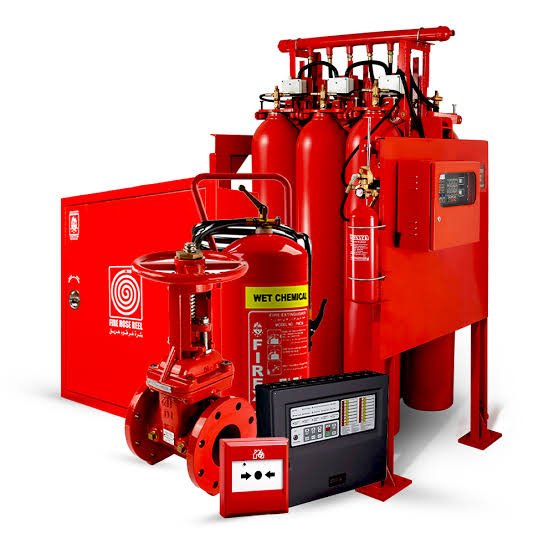
Fire safety is an essential part of protecting lives, buildings, businesses, and communities. A fire can start because of faulty wiring, cooking accidents, gas leaks, unsafe storage, or poorly maintained equipment. When a building lacks suitable fire protection measures, a small incident can quickly become a serious emergency.
In Pakistan, fire safety is especially important in commercial buildings, factories, hospitals, schools, shopping centres, warehouses, offices, and residential high-rises. These properties may contain large numbers of people, electrical equipment, combustible materials, and limited escape routes. Proper planning and compliance with applicable safety requirements can help reduce these risks.
Fire safety laws and regulations provide a framework for preventing fires, protecting occupants, maintaining firefighting equipment, and preparing for emergencies. The Building Code of Pakistan (Fire Safety Provisions) 2016 is an important national reference, while provincial laws, building regulations, and local authority requirements may also apply.
Although some safety improvements require an initial investment, they can help prevent costly damage and reduce risks to human life. Installing a suitable Fire alarm system in Pakistan, maintaining emergency exits, and training employees are examples of practical measures that can make a meaningful difference.
This guide explains the purpose of fire safety laws, the responsibilities of property owners, the importance of inspections, and the steps individuals and businesses can take to improve fire protection.
What Are Fire Safety Laws?
Fire safety laws are legal provisions and regulations designed to reduce fire risks and establish minimum safety requirements for buildings and their occupants.
Depending on the applicable law, these requirements may cover building design, fire detection, firefighting equipment, emergency exits, evacuation arrangements, inspections, staff training, and maintenance.
Their main purpose is to ensure that buildings are reasonably prepared to prevent fires and respond effectively if one occurs.
Fire safety requirements may differ according to several factors:
- The type and use of the building.
- The number of floors and total floor area.
- The expected number of occupants.
- The materials and activities present inside the property.
- The building’s fire risk and escape arrangements.
- The rules enforced by the relevant local or provincial authority.
For this reason, a small shop, a multistorey office, and a large industrial facility may have different compliance obligations.
Property owners should not assume that buying a few extinguishers automatically makes a building compliant. Fire safety generally requires a coordinated approach involving equipment, building features, maintenance, and emergency planning.
Understanding Fire Safety Regulations in Pakistan
Pakistan’s fire safety framework includes national building-code provisions and laws or regulations implemented by relevant authorities.
1. Building Code of Pakistan: Fire Safety Provisions 2016
The Building Code of Pakistan (Fire Safety Provisions) 2016 was developed to provide guidance and requirements for fire prevention, life safety, and fire protection in buildings and structures.
It addresses important areas such as means of escape, fire detection and alarm systems, firefighting provisions, and other building safety measures.
The code’s notification provides for adoption by federal and provincial governments, organizations, and public and private authorities as notified. Consequently, building owners should verify how the code applies to their particular project and which local requirements must also be followed.
For new construction, renovations, and major changes in building use, fire safety should be considered during planning rather than added as an afterthought.
2. Punjab Community Safety Act and Building Regulations
Punjab has its own building safety framework. The Punjab Emergency Service Department lists the Punjab Community Safety Act 2021 and the Punjab Community Safety Buildings Regulations 2022 among its official legal resources.
These measures address building safety and the responsibilities associated with relevant inspections and safety certificates.
Punjab’s building safety requirements cover matters such as emergency exits, firefighting arrangements, fire alarm systems, and evacuation planning, depending on the building and applicable provisions.
In September 2026, reporting by Dawn described amendments to the Punjab Community Safety Buildings Regulations 2022, including additional requirements relating to detection, alarms, and safety arrangements. Building owners in Punjab should therefore consult the latest notified rules rather than relying only on older summaries.
3. Civil Defence Inspections
Civil Defence authorities have an important role in inspecting fire protection measures in relevant industrial, commercial, and high-rise premises.
Punjab Civil Defence identifies measures such as fire detection and alarm systems, firefighting arrangements, fire safety plans, emergency fire control rooms, and evacuation plans among the areas considered during inspections.
Where non-compliance is identified, legal action may follow under the applicable rules.
The inspection process helps identify missing equipment, unsafe arrangements, and weaknesses that may affect occupants during an emergency.
4. Local Building and Development Authority Requirements
Municipal bodies, development authorities, and other relevant agencies may impose requirements through building approvals, occupancy processes, local regulations, or safety certification procedures.
These requirements may vary between cities and jurisdictions. A property in Lahore, Karachi, Islamabad, or another city may need to satisfy different administrative procedures in addition to relevant national code provisions.
Before construction, renovation, or opening a commercial property, owners should confirm the current requirements with the relevant authority.
Essential Fire Safety Measures for Buildings
Fire safety laws are most effective when their requirements are translated into practical action. The following measures are important components of a building’s fire protection plan.
1. Fire Detection and Alarm Systems
A fire alarm system helps occupants recognize an emergency and begin evacuating promptly.
Depending on the design, a system may include smoke detectors, heat detectors, manual call points, a central control panel, sounders, visual indicators, and backup power.
When a connected detector identifies conditions indicating a fire, it sends a signal to the control panel. The system then activates the appropriate warning devices according to its configuration.
A suitable Fire alarm system in Pakistan should be selected according to the building’s size, occupancy, layout, fire risks, and applicable regulations.
Installation alone is not enough. Detectors must be positioned appropriately, alarm devices must be audible or visible where required, and faults should be corrected promptly.
Regular testing and professional maintenance help ensure that the system remains functional when needed.
2. Fire Extinguishers and Firefighting Equipment
Fire extinguishers provide a first-response option for certain small fires when a person is trained and can act without putting themselves or others at risk.
Different extinguishers are suitable for different fire types. For example, equipment appropriate for ordinary combustible materials may not be suitable for every flammable liquid, gas, or electrical hazard.
Buildings may also require additional equipment, such as hose reels, hydrants, sprinklers, or other suppression systems, depending on their design and applicable rules.
Extinguishers should be accessible, correctly selected, maintained, and inspected according to relevant requirements. They must not be hidden behind furniture or blocked by stored goods.
3. Emergency Exits and Escape Routes
A safe escape route gives occupants a way to leave a building during a fire or another emergency.
Doors, corridors, stairways, and exit passages should remain clear and usable. Exit signs and emergency lighting may also be required to help people find their way when normal lighting fails.
Fire doors and protected stairways can help limit the spread of smoke and fire where required by the building’s design.
Property managers should never use emergency exits as storage areas or lock escape doors in a way that prevents occupants from leaving.
4. Evacuation Plans and Emergency Training
An evacuation plan explains how occupants should respond when a fire alarm sounds.
It should identify available exits, routes to safety, an outdoor assembly point, and the people responsible for supporting the evacuation where applicable.
Employees should know how to report a fire, raise the alarm, and follow instructions from designated safety personnel.
Regular drills can help identify blocked routes, confusing instructions, and other weaknesses before an actual emergency occurs.
5. Electrical and General Fire Prevention
Faulty electrical installations, overloaded circuits, damaged cables, and poorly maintained appliances can increase fire risks.
Businesses should arrange suitable electrical inspections and promptly address signs of overheating, burning smells, damaged wiring, or repeated circuit failures.
Combustible materials should be stored safely, smoking restrictions should be enforced where applicable, and equipment should be used according to manufacturer instructions.
Preventive maintenance can reduce hazards before they develop into emergencies.
Who Is Responsible for Fire Safety Compliance?
Fire safety is a shared responsibility, but the legal duties of each person depend on the applicable law and their role in the building.
Building Owners and Property Managers
Owners and managers may be responsible for ensuring that required safety measures are installed, maintained, and available for inspection.
Their duties may include arranging professional assessments, keeping escape routes clear, maintaining fire protection equipment, and addressing identified deficiencies.
They should also retain relevant inspection reports, maintenance records, approvals, and safety certificates where required.
Employers and Business Operators
Employers and business operators should identify fire hazards associated with their activities and take appropriate preventive measures.
This includes ensuring that employees understand emergency procedures, equipment is maintained, and any required training is provided.
Businesses using machinery, flammable materials, commercial cooking equipment, or large electrical installations may need additional risk controls.
Employees and Building Occupants
Employees and occupants also contribute to safety by following procedures, reporting hazards, avoiding unsafe electrical practices, and keeping exits clear.
They should never disable detectors, silence alarms without authorization, or block firefighting equipment.
Everyone should know how to respond when an alarm activates.
Why Fire Safety Inspections Matter
A building can appear safe while containing hidden problems. An alarm may have a faulty detector, an extinguisher may be overdue for servicing, or an emergency exit may be obstructed.
Inspections help uncover these problems before they contribute to an emergency.
A fire safety inspection may review:
- Fire alarm operation and maintenance records.
- Fire extinguishers and other firefighting arrangements.
- Emergency exits, stairs, corridors, and exit signs.
- Emergency lighting and evacuation procedures.
- Electrical hazards and combustible storage.
- Fire safety plans and staff preparedness.
- Required approvals, certificates, and documentation.
The exact inspection scope depends on the applicable rules and the building’s characteristics.
After an inspection, management should prioritize corrective action. Immediate hazards need prompt attention, while other improvements should be assigned clear responsibilities and completion dates.
Keeping records makes it easier to demonstrate that identified problems have been addressed and routine maintenance is taking place.
How Small Investments Can Prevent Major Losses
Fire safety should be viewed as an investment in people, property, and business continuity rather than simply an expense.
A relatively modest improvement may address a serious weakness in a building’s safety arrangements. Examples include repairing a faulty alarm device, servicing extinguishers, replacing damaged electrical components, or providing clear evacuation signs where needed.
The benefits extend beyond reducing potential property damage.
Protecting human life: Early warning and clear escape routes give occupants a better opportunity to reach safety.
Reducing property damage: Detection, prevention, and suitable firefighting provisions may help limit the consequences of a fire.
Supporting business continuity: Fire incidents can interrupt operations, damage stock, affect employees, and disrupt customer services. Better preparation can reduce some of these risks.
Improving legal compliance: Maintaining required safety arrangements helps property owners and operators meet their applicable obligations.
Building public confidence: Employees, customers, residents, and visitors are more likely to feel secure when a building has visible and properly maintained safety measures.
No system can guarantee that a fire will never occur. However, a planned approach can reduce preventable risks and improve the response when something goes wrong.
Choosing the Right Fire Safety Equipment
Selecting fire safety equipment requires more than comparing prices. The equipment must suit the building, the hazards present, and the applicable requirements.
Before purchasing a fire alarm or another safety product, consider the following:
- Assess the building: Review its size, occupancy, layout, and likely fire hazards.
- Check the applicable rules: Confirm the requirements with the relevant authority or a qualified fire safety professional.
- Select appropriate equipment: Ensure detectors, alarms, extinguishers, and other systems are suitable for their intended use.
- Use qualified installers: Installation should follow the manufacturer’s instructions and applicable technical requirements.
- Plan maintenance: Consider testing, servicing, replacement parts, and backup power where needed.
- Keep documentation: Retain installation details, inspection reports, and maintenance records.
A cheap device that does not meet the building’s requirements may provide little practical protection. Reliable equipment, correct installation, and ongoing maintenance are all important.
Common Fire Safety Compliance Mistakes
Some buildings remain vulnerable because essential precautions are neglected.
Installing Equipment but Ignoring Maintenance
An alarm or extinguisher cannot provide reliable protection if it is defective or poorly maintained. Establish a regular maintenance schedule and resolve faults promptly.
Blocking Emergency Exits
Stored cartons, furniture, equipment, and locked doors can prevent people from escaping quickly. Keep all designated escape routes accessible.
Treating Fire Drills as Unnecessary
Occupants who do not understand evacuation procedures may become confused during an emergency. Training and drills help people respond more effectively.
Assuming Every Building Has the Same Requirements
A small office and a large multistorey building do not necessarily have identical obligations. Verify the requirements that apply to the particular property.
Focusing Only on Equipment Purchases
Fire safety also depends on safe electrical installations, suitable building design, staff awareness, clear exits, and responsible management.
A Practical Fire Safety Checklist for Pakistan
Building owners and managers can use this basic checklist as a starting point. It does not replace an official inspection or a building-specific compliance assessment.
- [ ] Confirm which fire safety laws and regulations apply to the property.
- [ ] Check whether required approvals or safety certificates are in place.
- [ ] Arrange a suitable fire risk assessment.
- [ ] Install and maintain required fire detection and alarm equipment.
- [ ] Provide appropriate extinguishers and other required firefighting systems.
- [ ] Keep exits, corridors, and stairways clear.
- [ ] Check emergency signs and lighting.
- [ ] Prepare and communicate an evacuation plan.
- [ ] Train relevant staff and conduct drills where appropriate.
- [ ] Arrange electrical inspections and repair identified faults.
- [ ] Maintain records of tests, inspections, and corrective actions.
- [ ] Review safety arrangements after renovations or changes in occupancy.
Completing this checklist can help identify areas requiring attention, but the relevant authority or qualified professional should confirm legal compliance.
Conclusion
Fire safety laws in Pakistan provide an important framework for protecting people and property. The Building Code of Pakistan (Fire Safety Provisions) 2016, provincial building safety regulations, and relevant local requirements help establish the measures that may be necessary for different types of buildings.
Compliance involves more than installing equipment. It requires suitable fire detection, effective firefighting arrangements, accessible emergency exits, regular inspections, maintenance, and occupant training.
For property owners and businesses, small, well-planned investments can help address hazards before they result in serious damage. A properly designed fire alarm system, maintained extinguishers, and a clear evacuation plan all contribute to a stronger safety strategy.
The most effective approach is to identify risks early, follow the rules that apply to the building, and maintain safety arrangements throughout its useful life. Fire safety is not merely a legal responsibility; it is an essential commitment to protecting lives and supporting safer communities across Pakistan.
Frequently Asked Questions (FAQs)
1. What are the main fire safety laws in Pakistan?
Important references include the Building Code of Pakistan (Fire Safety Provisions) 2016, along with applicable provincial laws, building safety regulations, and local authority requirements. The exact rules depend on the building and jurisdiction.
2. Is a fire alarm system mandatory in Pakistan?
A fire alarm system is required for certain buildings under applicable building codes and regulations. Requirements vary according to the building’s use, size, occupancy, location, and relevant authority’s rules. Owners should confirm the requirements for their specific property.
3. Who is responsible for fire safety in a commercial building?
Responsibilities may fall on building owners, occupiers, employers, and property managers, depending on the applicable law and their role. These responsibilities can include maintaining required equipment, keeping exits clear, arranging inspections, and preparing emergency procedures.
4. Why are fire safety inspections important?
Inspections can identify defective equipment, blocked escape routes, missing safety provisions, and other hazards. Addressing these problems helps improve preparedness and supports compliance with applicable requirements.
5. How can businesses improve fire safety without spending too much?
Businesses can begin by addressing immediate hazards, maintaining existing equipment, keeping escape routes clear, inspecting electrical installations, training staff, and preparing an evacuation plan. Any legally required equipment or building improvements must still be provided, and cost-saving measures should never compromise safety.