
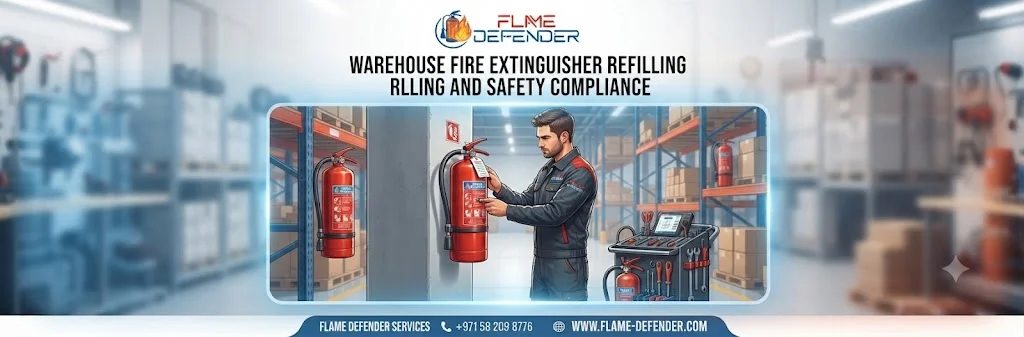
Warehouses store large amounts of goods, packaging material, electrical equipment, and sometimes chemicals. This combination makes them one of the highest fire-risk locations in any business. A single spark near flammable stock can turn into a disaster within minutes. That is why fire extinguishers are not just a legal formality they are the first line of defense that can save lives, stock, and property.
In Pakistan, many warehouse owners install extinguishers once and forget about them for years. This is a dangerous habit. An extinguisher that has not been refilled or inspected on time may fail exactly when it is needed most. This guide explains why fire extinguisher refilling in Pakistan is essential for warehouse safety, how compliance works, and what steps every business should follow to stay protected.
Why Warehouses Are High-Risk Fire Zones
Warehouses often combine several fire hazards in one space:
- Combustible storage — cardboard, plastic packaging, textiles, and wooden pallets burn quickly and spread fire fast.
- Electrical systems — forklifts, chargers, wiring, and lighting can overheat or short-circuit.
- Poor ventilation — enclosed storage areas trap heat and smoke, making fires harder to control.
- Limited staff supervision — large storage areas may have fewer people watching for early warning signs.
- Chemical or fuel storage — some warehouses store paints, solvents, or fuel that ignite easily.
Given these risks, a functional and properly maintained fire extinguisher system is not optional — it is a basic operational requirement.
Why Refilling Matters More Than Just Having an Extinguisher
Many business owners assume that once a fire extinguisher is purchased and placed on the wall, the job is done. In reality, extinguishers lose pressure and effectiveness over time, especially in warehouse conditions where temperature changes, dust, and humidity are common.
Here is why regular refilling is critical:
- Pressure drops naturally — even unused extinguishers lose internal pressure over months.
- Expired agents lose effectiveness — dry chemical powder can cake or settle, reducing performance.
- Legal compliance — safety authorities and insurance companies often require proof of regular servicing.
- Insurance claims — an expired or unserviced extinguisher can lead to a rejected insurance claim after a fire incident.
- Employee safety — workers trust that safety equipment will work; an empty extinguisher during an emergency can cost lives.
How Often Should Extinguishers Be Refilled?
While exact timelines can vary by extinguisher type and usage, general industry practice recommends:
- Visual inspection — every month, checking pressure gauge, pin, and physical condition.
- Professional servicing — once a year, done by a certified technician.
- Full refilling — every 1–5 years depending on the extinguisher type (dry powder, CO2, foam) or immediately after any use, even partial.
- Hydrostatic testing — every 5–12 years depending on cylinder material, to check for structural safety.
Warehouse managers should keep a maintenance log for every extinguisher unit, noting the last refill date, technician name, and next due date.
Types of Fire Extinguishers Used in Warehouses
Different fire hazards need different extinguishing agents. Common types used in Pakistani warehouses include:
- ABC Dry Powder Extinguishers — versatile, suitable for solid, liquid, and electrical fires. Most common choice for general warehouse use.
- CO2 Extinguishers — ideal for electrical fires and areas with sensitive equipment, since they leave no residue.
- Foam Extinguishers — effective for flammable liquid fires, often used near fuel or chemical storage.
- Water-Based Extinguishers — suitable for ordinary combustible materials like paper, wood, and textiles, but not for electrical or oil fires.
Choosing the right type and keeping it properly refilled depends on what is actually stored in the warehouse.
Safety Compliance Requirements for Warehouses in Pakistan
Fire safety compliance in Pakistan generally involves a mix of civil defense regulations, local government bylaws, and industry-specific standards, especially for factories and large commercial storage facilities. Key compliance points typically include:
- Adequate number of extinguishers based on warehouse size and layout.
- Extinguishers placed at accessible, clearly marked locations.
- Regular inspection and refilling records available for audits.
- Fire exit routes kept clear and clearly signed.
- Staff trained on basic fire response and extinguisher use.
- Coordination with local civil defense or fire safety authorities for inspections.
Non-compliance can lead to penalties, insurance complications, and most importantly a much higher risk to human life and business assets in case of fire.
Steps to Build a Fire Safety Compliance Routine
A simple, repeatable system helps warehouse owners stay compliant without last-minute panic before inspections.
- Conduct a fire risk assessment — identify high-risk zones like storage racks, electrical panels, and loading areas.
- Install the right extinguisher types — match extinguisher type to the specific fire hazards present.
- Set a refilling and inspection schedule — mark dates on a calendar or maintenance software.
- Partner with a certified refilling service — work with a trusted provider for professional servicing.
- Train warehouse staff — basic fire response training reduces panic and improves reaction time.
- Maintain proper documentation — keep refilling certificates and inspection records organized for audits and insurance purposes.
- Review and update the plan annually — warehouse layout and stock can change, so the fire safety plan should evolve too.
Choosing a Reliable Fire Extinguisher Refilling Service
Not all refilling providers offer the same quality of service. When selecting a company for fire extinguisher refilling in Pakistan, warehouse owners should look for:
- Certified and experienced technicians.
- Genuine, quality-tested refilling agents.
- Proper documentation and service certificates.
- On-site refilling capability for large warehouse operations.
- Quick response time for emergency servicing.
- Transparent pricing without hidden charges.
A dependable partner like Flame Defender can help warehouse owners stay compliant with proper refilling, inspection, and documentation support, reducing the burden of manual tracking and last-minute compliance stress.
Common Mistakes Warehouse Owners Make
- Ignoring pressure gauge checks during routine walkthroughs.
- Placing extinguishers in hard-to-reach or blocked locations.
- Not training new employees on extinguisher use.
- Delaying refilling until the extinguisher is completely empty or expired.
- Assuming one extinguisher type fits all fire hazards.
- Losing service records, making audits and insurance claims difficult.
Avoiding these mistakes significantly reduces fire risk and keeps the warehouse compliant with safety standards.
Final Thoughts
Fire safety in a warehouse is not a one-time task — it is an ongoing responsibility. Regular fire extinguisher refilling, proper inspection routines, and staff training together create a strong safety net that protects both people and property. For warehouse owners across Pakistan, investing in reliable fire extinguisher refilling in Pakistan services is not just about meeting legal requirements it is about being genuinely prepared for the unexpected.
Frequently Asked Questions (FAQs)
1. How often should fire extinguishers be refilled in a warehouse? Most extinguishers need a full refill every 1 to 5 years depending on the type, or immediately after any use, even a partial discharge.
2. What happens if a fire extinguisher is not refilled on time? An expired or unrefilled extinguisher may not have enough pressure or effective agent to fight a fire, which can lead to serious safety failures during an emergency.
3. Is fire extinguisher refilling mandatory by law in Pakistan? Yes, most commercial and industrial facilities, including warehouses, are required to maintain functional fire safety equipment under local civil defense and safety regulations.
4. How can I tell if my fire extinguisher needs refilling? Check the pressure gauge regularly. If the needle is outside the green zone, or if the extinguisher shows physical damage, corrosion, or an expired service tag, it needs attention.
5. What type of fire extinguisher is best for warehouses? ABC dry powder extinguishers are commonly used because they handle solid, liquid, and electrical fires, but the best choice depends on what materials are stored.
6. Can I refill a fire extinguisher myself? No, refilling should only be done by certified technicians using proper equipment and quality-tested agents to ensure the extinguisher performs correctly during an emergency.
7. How much does fire extinguisher refilling cost in Pakistan? Costs vary based on extinguisher size, type, and service provider. It is best to request a quote directly from a certified refilling company for accurate pricing.
8. How many fire extinguishers does a warehouse need? The number depends on warehouse size, layout, and fire risk level. A professional fire risk assessment can determine the right placement and quantity.
9. Does insurance require proof of fire extinguisher servicing? Many insurance providers require valid maintenance and refilling records to process fire-related claims, making regular servicing important for financial protection too.
10. Where can I get professional fire extinguisher refilling services in Pakistan? Certified providers like Flame Defender offer professional refilling, inspection, and compliance support for warehouses and commercial facilities across Pakistan.