
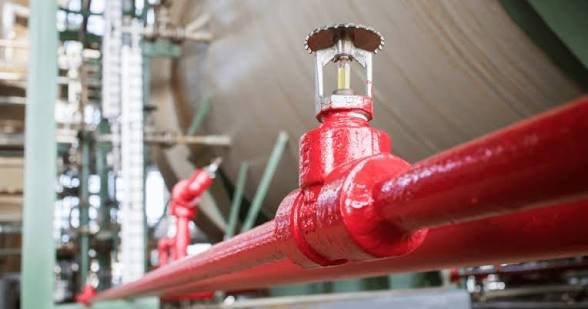
Fire safety is an important responsibility for homeowners, property managers, and business owners. While smoke alarms provide early warnings, fire sprinkler systems offer another layer of protection by releasing water when their operating conditions are met. A properly designed and maintained system can help control a fire, reduce property damage, and give occupants more time to escape.
For beginners, understanding fire sprinklers may seem complicated because these systems include pipes, sprinkler heads, valves, water supplies, and other components. However, learning their basic functions makes it easier to understand why professional installation and regular maintenance matter.
In Pakistan, fire protection needs vary according to a building’s size, use, occupancy, and applicable local requirements. Residential properties, apartment buildings, offices, warehouses, hospitals, and factories may have different fire protection needs.
If you are researching a Fire alarm system in Pakistan, it is also worth understanding how alarm systems and automatic sprinklers complement one another. An alarm alerts occupants to danger, while sprinklers are designed to control or suppress a fire in the areas they protect.
This beginner-friendly checklist explains how sprinkler systems work, what to check, how to maintain them, and how to choose appropriate fire protection for a property.
What Is a Fire Sprinkler System?
A fire sprinkler system is a fixed fire protection arrangement designed to release water when the conditions at a sprinkler head activate it. Most conventional automatic sprinkler systems use heat-responsive sprinkler heads. In many designs, individual heads operate when exposed to sufficient heat rather than every sprinkler activating simultaneously.
The system’s purpose is to control or suppress a fire in its early stages, depending on the design and conditions. This can help reduce fire growth and support evacuation and emergency response.
Fire sprinklers are commonly used in buildings such as:
- Commercial offices and shopping centres
- Factories and industrial facilities
- Warehouses and storage buildings
- Hospitals and healthcare facilities
- Hotels and apartment buildings
- Other properties where sprinklers are required or appropriate following a risk assessment
Some homes may also benefit from residential sprinkler systems, subject to design, water supply, and local requirements.
A sprinkler system is not a replacement for smoke alarms, fire alarms, safe escape routes, or emergency planning. These measures work together as part of a wider fire protection strategy.
How Does a Fire Sprinkler System Work?
Understanding the basic operating process helps property owners appreciate why a sprinkler system must remain in working condition.
1. Heat activates a sprinkler head
Many automatic sprinkler heads contain a heat-sensitive element designed to operate at a specified temperature. When sufficient heat reaches the head, the element activates and allows water to discharge.
The sprinkler head must be appropriate for the temperature and conditions of its location.
2. Water is released
Once activated, the sprinkler head distributes water over the area covered by its design. The amount of water and the coverage pattern depend on the sprinkler type, water pressure, pipe arrangement, and other design factors.
3. The system helps control the fire
Water cools burning materials and nearby surfaces. This can slow fire growth or suppress the fire, depending on the situation and system design.
Sprinklers are not guaranteed to extinguish every fire. Their effectiveness depends on factors such as the fire’s location, the materials involved, the availability of water, and whether the system was correctly designed and maintained.
4. The alarm and emergency response support occupants
Some sprinkler systems include waterflow monitoring or other connections that can signal an alarm system. The exact arrangement depends on the installation.
A fire alarm system provides warning to occupants, while the sprinkler system delivers water to the protected area. Together, these systems can support a more effective emergency response.
The Main Components of a Fire Sprinkler System
A sprinkler system contains several components that must work together. The following checklist introduces the most important ones.
Sprinkler heads
Sprinkler heads are the visible outlets through which water is discharged. They come in different designs for different ceiling arrangements, temperature conditions, and hazard classifications.
Check that sprinkler heads are not damaged, painted, corroded, or obstructed by decorations and stored materials. Never hang items from sprinkler heads or alter them without professional guidance.
Pipes and fittings
Pipes carry water from the supply to the sprinkler heads. Their material, size, routing, and installation must match the approved design.
Visible pipes should be checked for leaks, corrosion, physical damage, and signs of unauthorised changes. Any suspected defect should be assessed by a qualified fire protection professional.
Control valves
Control valves regulate water flow through the system. If an important valve is accidentally closed, the affected sprinkler system may not receive the water it needs during an emergency.
Valves should be identified, accessible, and maintained in the correct operating position according to the system design. Any valve-related alarm or supervision arrangement should also be maintained.
Water supply
The system needs an adequate water supply for the protection it is designed to provide. Depending on the building, the supply may come from an approved water connection, storage tank, or another designed arrangement.
A qualified professional should confirm that the supply meets the system’s requirements.
Fire pump
Some systems require a dedicated fire pump to provide the required water pressure and flow. Not every installation uses the same pump arrangement.
Where a fire pump is installed, its controls, power supply, condition, and maintenance schedule are important parts of the overall protection system.
Alarm and monitoring devices
Waterflow switches and valve supervisory devices may communicate information about the system’s condition. Depending on the design, these devices may be connected to a fire alarm control panel or monitoring arrangement.
These components help indicate that water is flowing or that a monitored valve has changed position. They should be tested according to the approved maintenance programme.
The Beginner’s Fire Sprinkler Checklist
Property owners and managers can use the following checklist to organise a basic visual review. It does not replace professional inspection, testing, or maintenance.
1. Check sprinkler head condition
- Look for visible damage, corrosion, paint, or other coatings.
- Make sure heads are not covered by decorations or stored objects.
- Check that ceiling changes have not obstructed sprinkler coverage.
- Report damaged or missing heads to a qualified professional.
2. Review clearance around sprinkler heads
- Keep storage and furniture away from sprinkler discharge areas.
- Avoid stacking materials so high that they obstruct water distribution.
- Do not install decorations or fixtures that interfere with the system’s designed coverage.
- Ask a professional to assess any layout changes.
3. Check visible pipes for damage
- Look for signs of leakage or corrosion.
- Report pipes that appear bent, damaged, or improperly supported.
- Keep pipes clear of stored goods and activities that may cause impact.
- Do not attempt to modify sprinkler piping yourself.
4. Confirm that control valves are managed correctly
- Check that valve identification is clear.
- Ensure access to valves is not blocked.
- Follow the approved procedure for checking valve status.
- Arrange professional help if a valve appears damaged or its status is uncertain.
5. Review inspection and maintenance records
- Confirm that the system has a documented maintenance programme.
- Keep records of inspections, tests, faults, and repairs.
- Check that identified problems have been addressed.
- Schedule professional service when due.
6. Check related fire protection arrangements
- Confirm that suitable fire alarms or detection equipment are provided where required.
- Keep emergency exits and escape routes clear.
- Ensure that staff or residents understand the emergency plan.
- Check that any system impairment has been managed through an appropriate safety procedure.
Types of Fire Sprinkler Systems
Different buildings may require different sprinkler system designs. Selection should be based on a professional assessment of the building, its contents, and the relevant fire risks.
Wet-pipe systems
Wet-pipe systems contain water in their distribution pipes during normal operation. When an individual sprinkler head activates, water can discharge through that head.
These systems are widely used where the environment and water supply conditions are suitable.
Dry-pipe systems
Dry-pipe systems keep water out of the sprinkler distribution piping during normal conditions. Water enters the pipes when the system activates.
They may be suitable for areas where ordinary wet piping could be exposed to freezing conditions. Their design and maintenance requirements differ from those of wet-pipe systems.
Pre-action systems
Pre-action systems use additional detection or control arrangements before water is admitted into the sprinkler piping, depending on the system type.
They may be considered for certain areas where accidental water discharge presents particular concerns, such as some specialised storage or equipment spaces.
Deluge systems
Deluge systems use open sprinkler outlets or nozzles, with water released through the system when the associated detection and control arrangements activate.
They are designed for particular hazards that may require rapid application of water over a defined area. They are not interchangeable with ordinary sprinkler systems.
The correct choice depends on the risk assessment, building design, applicable standards, and approval of the relevant authority.
Fire Sprinkler Systems and Fire Alarm Systems: What’s the Difference?
Although sprinklers and fire alarms may be connected, they perform different functions.
A fire alarm system is primarily designed to detect a fire or receive a manual alarm signal and warn occupants. Depending on its configuration, it may include smoke detectors, heat detectors, manual call points, sounders, visual warning devices, and a control panel.
A sprinkler system is designed to deliver water to a protected area when its operating conditions are met.
Some systems communicate with one another, allowing sprinkler waterflow or other monitored conditions to trigger an alarm signal. However, the exact connection and operation depend on the design.
For anyone researching a Fire alarm system in Pakistan, it is important to understand that buying an alarm panel alone does not provide the same protection as a complete fire safety arrangement. Detection, notification, suppression, escape routes, and emergency procedures should be assessed together.
Why Is Professional Installation Important?
A sprinkler system must be designed around the building’s hazards and physical characteristics. An unsuitable design may fail to provide the intended level of protection.
Professional planning considers factors such as:
- Building height and floor layout
- Occupancy and number of people
- Types of combustible materials present
- Storage arrangements and ceiling heights
- Required water flow and pressure
- Pipe routing and sprinkler coverage
- Integration with alarms and other fire protection systems
- Applicable building codes and approval requirements
Installation should follow the approved design and relevant standards. Once the work is complete, appropriate testing and commissioning help confirm that the system is ready for service.
Property owners should request documentation covering the installed equipment, test results, maintenance requirements, and any limitations or operating instructions.
Fire Sprinkler Maintenance: What Should Be Included?
Regular maintenance helps ensure that a sprinkler system remains ready to operate. Pakistan’s Building Code of Pakistan — Fire Safety Provisions 2016 addresses the installation, maintenance, inspection, and testing of automatic sprinkler systems in applicable occupancies. It also identifies owner responsibility for keeping systems in good working condition.
The precise maintenance schedule should follow the applicable code or approved standard, the system manufacturer’s instructions, and advice from a qualified service provider.
Routine visual inspections
Visual inspections can identify visible damage, obstructions, leakage, corrosion, or changes in the building that may affect sprinkler coverage.
They should be recorded and followed by corrective action where needed.
Testing system components
Professional testing may include relevant valves, waterflow alarm devices, supervisory devices, gauges, pumps, and other system components, as applicable to the installation.
Testing must be carried out using the appropriate procedures to avoid damaging the system or interrupting protection unnecessarily.
Maintaining water supplies and pumps
Where tanks or fire pumps are installed, their condition and performance should be reviewed according to the approved maintenance programme.
Any problem affecting the required water supply should be treated seriously and addressed by qualified personnel.
Keeping records
Maintenance records help demonstrate that inspections and testing have taken place. They should document findings, faults, repairs, and any periods when protection was impaired.
Clear records also help building managers identify recurring problems and plan future maintenance.
Common Fire Sprinkler Mistakes to Avoid
Even a professionally installed system can become less effective if it is neglected or altered incorrectly.
Painting sprinkler heads
Paint and other coatings can interfere with the operation of sprinkler heads. Do not paint or decorate them. If a head has been painted or contaminated, ask a qualified professional whether replacement is necessary.
Blocking sprinkler coverage
Tall storage, partitions, signs, and decorative features can interfere with the intended water distribution. Any major change to a room’s layout or storage arrangement should be assessed to confirm that sprinkler coverage remains appropriate.
Ignoring leaks or corrosion
Visible leaks, rust, or damaged pipework should not be dismissed as minor maintenance problems. Report them promptly and arrange a professional assessment.
Closing valves without authorisation
Closing a control valve may interrupt water supply to part or all of the system. Only authorised personnel should manage valves according to the approved procedure, with appropriate measures in place if protection must be interrupted.
Skipping maintenance
A system that has not been inspected or tested as required may contain faults that are not obvious during a casual walkthrough. Maintain a documented service schedule and address findings promptly.
Fire Sprinkler Systems in Pakistan: Understanding Compliance
The Building Code of Pakistan — Fire Safety Provisions 2016 provides a framework for fire protection in buildings, including automatic sprinkler systems in specified occupancies. The code includes provisions for system installation and ongoing inspection, testing, and maintenance.
However, not every property has identical sprinkler requirements. The applicable provisions depend on factors such as building use, occupancy, design, and the decisions or rules of the competent authority.
Before installing or modifying a system, property owners should consult the relevant building control authority, local fire safety authority, or qualified fire protection professional.
Compliance involves more than having sprinkler heads installed. The system must be suitable for the hazard, correctly designed, maintained, and supported by the required documentation.
Choosing a Fire Safety Provider
A suitable fire safety provider should understand the property and explain how the recommended system addresses its risks.
Before appointing a provider, ask whether they can:
- Assess the building and identify relevant fire hazards.
- Explain the proposed sprinkler system and its limitations.
- Confirm that the design follows applicable requirements.
- Provide installation, testing, and commissioning documentation.
- Explain inspection and maintenance responsibilities.
- Coordinate sprinkler arrangements with the fire alarm and other safety systems where appropriate.
Ask for a written proposal with a clear description of the equipment, installation work, testing, and ongoing service arrangements.
For information about fire protection solutions, visit Flame Defender. The most appropriate equipment should always be selected according to the building’s assessed risks and applicable requirements.
Conclusion
Fire sprinkler systems can play an important role in protecting people and property when they are correctly designed, installed, and maintained. Understanding their main components and recognising visible problems can help property owners manage fire safety more effectively.
The beginner’s checklist includes reviewing sprinkler heads, maintaining clear discharge areas, checking visible pipework, managing valves appropriately, keeping maintenance records, and ensuring that related fire protection arrangements remain in place.
For properties in Pakistan, owners should confirm the requirements that apply to their buildings and use qualified professionals for design, installation, inspection, and repair.
Sprinklers work best as part of a complete fire safety plan that includes suitable fire alarm systems, clear escape routes, emergency procedures, and regular training. Consistent attention to these measures can help keep buildings safer and improve preparedness for a fire emergency.
Frequently Asked Questions (FAQs)
1. What is a fire sprinkler system?
A fire sprinkler system is a fixed fire protection system that releases water when its sprinkler heads activate under specified conditions. It is designed to control or suppress a fire in the areas it protects and works alongside other safety measures.
2. How often should fire sprinkler systems be inspected?
Inspection, testing, and maintenance schedules depend on the applicable code or approved standard, system design, and manufacturer instructions. Property owners should maintain a documented programme and use qualified professionals for required testing and servicing.
3. Do all buildings in Pakistan need fire sprinkler systems?
Not necessarily. Requirements depend on the building’s use, occupancy, design, and the rules enforced by the relevant authority. Owners should confirm the applicable requirements with a competent local authority or qualified fire protection professional.
4. What is the difference between a fire sprinkler system and a fire alarm system?
A sprinkler system delivers water to help control or suppress a fire. A fire alarm system detects a possible fire or receives an alarm signal and warns occupants. The two systems may be connected, but they serve different purposes.
5. Can a fire sprinkler system work without a fire alarm system?
A sprinkler system can operate automatically without a separate occupant-warning alarm in some designs. However, the overall fire protection requirements depend on the building and applicable rules. Sprinkler operation and occupant notification should be considered together when planning fire safety.