
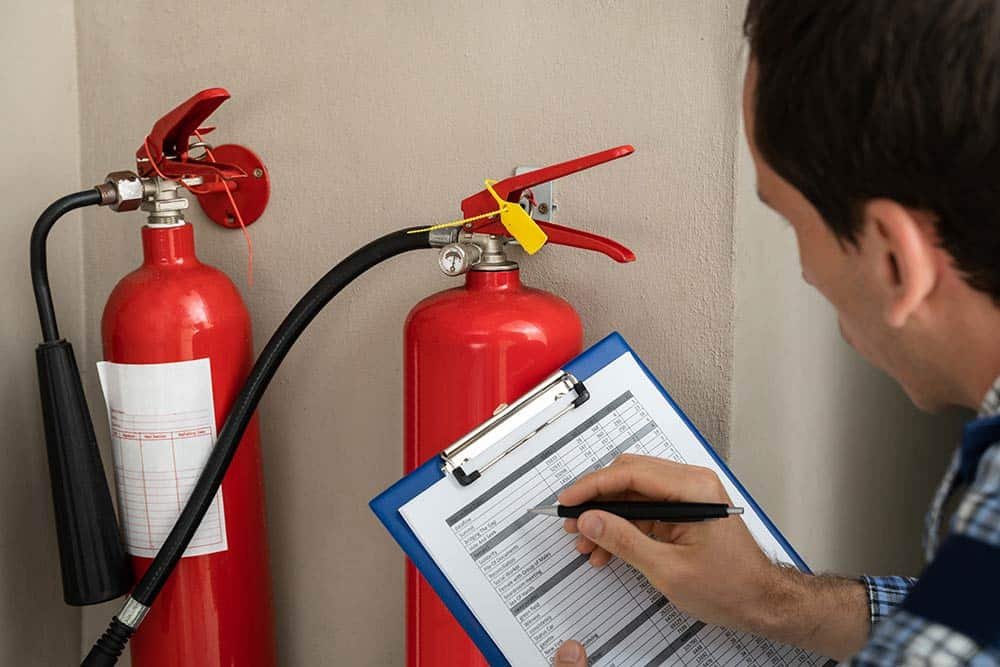
Fire safety is important in every building, from a small family home to a large industrial factory. Although factories and homes have different safety requirements, both can face fire hazards caused by electrical faults, heating equipment, combustible materials, and human error.
Factories may present additional challenges because they often contain machinery, chemicals, raw materials, packaging, and large numbers of workers. Without suitable fire prevention measures, a small incident can develop into a serious emergency, threatening lives, damaging property, and interrupting business operations.
For homeowners in Pakistan, understanding factory fire safety is also useful. It helps people recognise the importance of safe electrical installations, smoke alarms, clear escape routes, and emergency preparedness in their own homes.
A reliable Fire alarm system in Pakistan can form an important part of a building’s fire protection arrangements. However, alarms work best when combined with suitable firefighting equipment, regular maintenance, staff training, and a well-planned evacuation procedure.
This guide explains the main principles of factory fire safety, how businesses can reduce risks, and what homeowners can learn from industrial fire prevention practices.
Why Is Factory Fire Safety Important?
Factories frequently use electrical machinery, production equipment, heating systems, and materials that may burn easily. Depending on the industry, a facility may also store fuels, solvents, oils, chemicals, paper, textiles, plastics, or wooden packaging.
These conditions make it important to identify hazards before an emergency occurs.
Effective factory fire safety helps to:
- Protect human life: Early warnings and clear escape routes give workers an opportunity to evacuate.
- Reduce property damage: Appropriate prevention and firefighting arrangements can help limit losses.
- Protect equipment: Industrial machinery and electrical installations can be expensive to repair or replace.
- Maintain business continuity: Fire incidents can interrupt production, delay orders, and affect employees and suppliers.
- Support regulatory compliance: Businesses need to understand and meet the fire safety requirements applicable to their premises.
- Improve emergency readiness: Training and regular inspections help employees respond more confidently.
Homeowners can apply the same basic principles by reducing ignition risks, maintaining household equipment, and ensuring that everyone knows how to leave the building safely.
Common Fire Hazards in Factories
Understanding the sources of fire is the first step towards prevention. Each factory should assess its specific processes, building design, materials, and equipment.
1. Electrical faults
Faulty wiring, damaged cables, overloaded circuits, loose connections, and poorly maintained electrical panels can create dangerous conditions.
Electrical equipment should be installed and maintained by qualified professionals. Repeated circuit-breaker trips, burning smells, unusual heating, and visible damage should be investigated promptly.
Homeowners should follow similar precautions by avoiding overloaded sockets and replacing damaged electrical accessories.
2. Flammable materials
Some factories store combustible materials such as cardboard, paper, fabric, wood, plastics, oils, or chemical products. If these materials are stored carelessly near ignition sources, a fire may spread quickly.
Businesses should assess their materials, store them appropriately, control ignition sources, and maintain safe distances around equipment and emergency exits.
At home, keeping paper, clothing, curtains, and other combustible materials away from heaters and cooking equipment can reduce avoidable risks.
3. Machinery and overheating
Industrial machinery may generate heat through friction, mechanical faults, or continuous operation. Poor maintenance can increase the likelihood of overheating.
Preventive maintenance should follow the manufacturer’s instructions and address unusual sounds, temperatures, vibrations, and other warning signs.
Household appliances also need proper ventilation, safe operation, and timely repair when faults appear.
4. Hot work and open flames
Welding, cutting, grinding, and other maintenance activities may produce sparks or intense heat. These activities require appropriate controls, including an authorised hot-work procedure where applicable and protection of nearby combustible materials.
Employees should not carry out hot work without the required training, supervision, and precautions.
5. Poor housekeeping
Waste, dust, packaging, and unused materials can accumulate around machinery and electrical equipment. In some industries, combustible dust can present an additional fire or explosion hazard.
Factories should implement suitable cleaning procedures and ensure that waste is removed safely. Walkways, exits, and firefighting equipment must remain accessible.
Essential Factory Fire Prevention Measures
Fire prevention should be part of everyday operations rather than something considered only during inspections.
Conduct regular risk assessments
A fire risk assessment helps identify ignition sources, combustible materials, people at risk, and weaknesses in existing protection arrangements.
The assessment should consider production areas, storage rooms, electrical installations, chemical storage, heating equipment, and escape routes.
When a factory changes its processes, adds machinery, or increases storage capacity, the assessment should be reviewed to identify new hazards.
Maintain electrical systems
Arrange inspections and repairs through qualified electrical professionals. Avoid unsafe temporary wiring, unsuitable adapters, and unauthorised modifications.
Electrical panels should be properly maintained and accessible. Protective devices should never be bypassed to stop repeated trips.
Store materials safely
Separate incompatible materials and follow applicable storage requirements and manufacturer instructions. Keep combustible stock away from ignition sources and do not allow stored materials to block exits or access to firefighting equipment.
Control smoking and ignition sources
Factories should establish clear rules for smoking and the use of ignition-producing equipment. Hot work should be controlled through suitable authorisation, preparation, and post-work checks.
Maintain machinery
Follow appropriate maintenance schedules for industrial equipment, ventilation systems, motors, and heating devices. Repair faults promptly and ensure that employees report abnormal operating conditions.
These measures reduce preventable hazards, although no single precaution can eliminate every possible fire risk.
The Role of a Fire Alarm System in Factory Safety
A fire alarm system helps warn people when a possible fire is detected or when someone manually raises an alarm. In a factory, early warning is especially important because machinery noise, large floor areas, and separate work zones can delay communication.
A system may include automatic detectors, manual call points, a control panel, audible sounders, visual warning devices, and backup power.
The exact design depends on the building’s size, layout, fire hazards, and applicable requirements.
Automatic fire detectors
Automatic detectors identify signs of a potential fire according to their design. Smoke detectors, heat detectors, and other detection technologies may be suitable for different environments.
For example, a dusty production area may require a different detection approach from an office or clean storage room. Equipment should be selected by a qualified professional who understands the operating conditions.
Manual call points
Manual call points allow a person who discovers a fire to activate the alarm. They should be located in suitable, accessible positions and clearly identified.
Workers need to know where these devices are located and how to raise the alarm safely.
Audible and visual alarms
Alarm signals must be noticeable under the actual conditions in which employees work. Machinery noise may make audible warnings difficult to hear, so visual warning devices may be appropriate in some areas.
The design should consider employees, visitors, contractors, and anyone who may need additional assistance during an evacuation.
Backup power and maintenance
Depending on the system design, backup power can help maintain operation when normal electricity is interrupted.
Regular inspections and testing are essential. A faulty detector, damaged cable, disconnected sounder, or depleted backup battery can undermine the system’s effectiveness.
When evaluating a Fire alarm system in Pakistan, businesses should consider professional design, installation, commissioning, maintenance, and the requirements of the relevant local authority.
Firefighting Equipment Every Factory Should Consider
Alarm systems provide warning, but they do not necessarily extinguish a fire. Suitable firefighting equipment may be needed according to the factory’s assessed risks and applicable rules.
Fire extinguishers
Portable fire extinguishers can help trained people respond to small, early-stage fires when conditions are safe.
The extinguisher must be suitable for the material involved. Different fire hazards require different extinguishing agents, and an unsuitable extinguisher can create additional danger.
Equipment should be clearly identified, accessible, inspected, and maintained. Employees should understand when to evacuate rather than attempt to fight a fire.
Fire hydrants and hose reels
Larger facilities may need hydrants or hose reels as part of their fire protection arrangements. Their suitability depends on factors such as the building layout, water supply, fire risks, and applicable requirements.
Access to this equipment must remain unobstructed, and the system should be maintained according to an appropriate schedule.
Automatic sprinkler systems
Sprinkler systems may help control or suppress a fire when correctly designed for the relevant building and hazards.
A suitable design takes account of the stored materials, storage arrangements, ceiling height, and other building characteristics. Professional assessment is important because a system suitable for one facility may not be appropriate for another.
Emergency lighting and exit signs
Emergency lighting and visible exit signs help occupants find escape routes if normal lighting fails.
These features should be maintained and tested as required. Exit routes must remain clear, and emergency doors must operate as intended during an evacuation.
Creating a Factory Fire Emergency Plan
A written emergency plan helps employees understand what to do when an alarm sounds or a fire is discovered.
A practical plan should include:
- Alarm procedures: Explain how employees can report a fire and activate the alarm.
- Evacuation routes: Identify appropriate exits and alternative routes.
- Assembly points: Establish safe gathering locations outside the building.
- Assigned responsibilities: Identify trained personnel responsible for specific emergency duties.
- Emergency contacts: Provide accurate contact details for the relevant emergency services.
- Visitor arrangements: Ensure visitors and contractors receive clear instructions.
- Assistance arrangements: Plan for people who may need help evacuating.
- Accountability procedures: Establish a way to confirm who has reached safety and communicate relevant information to responders.
The plan should be easy to understand and communicated to workers before an emergency occurs.
Employees should never be instructed to risk their lives to save equipment or retrieve stock. If a fire spreads or evacuation becomes necessary, personal safety must come first.
Fire Safety Training and Emergency Drills
Equipment alone cannot guarantee an effective emergency response. Employees need to understand fire hazards, alarm procedures, evacuation routes, and their responsibilities.
Training should be appropriate to the facility’s risks and the worker’s role. Selected employees may receive additional training in the safe use of firefighting equipment where appropriate.
Regular drills help identify practical problems, including blocked exits, confusing instructions, inadequate alarm coverage, and difficulties accounting for workers.
After each drill, management should review the results and correct identified weaknesses. New employees and contractors should receive suitable safety orientation before beginning work.
Homeowners can use the same approach by agreeing on an escape plan, choosing an outdoor meeting point, and ensuring that family members understand how to leave the property safely.
Factory Fire Safety Requirements in Pakistan
Pakistan’s Building Code of Pakistan — Fire Safety Provisions 2016, published through the Pakistan Engineering Council in collaboration with the National Disaster Management Authority, provides a framework for building fire safety. Requirements applicable to a particular factory depend on its characteristics, occupancy, location, and the rules adopted and enforced by the relevant authority.
Punjab Civil Defence also identifies inspection of fire safety measures in industrial and commercial premises among its functions. Its published list includes fire detection and alarm systems, firefighting arrangements, fire safety plans, emergency exits, evacuation plans, and ventilation arrangements. https://civildefence.punjab.gov.pk/inspection_of_fire_safety_measures
Factory owners should consult the relevant building control authority, Civil Defence department, industrial estate administration, or other competent authority to confirm the requirements for their premises.
Compliance should not be judged only by whether extinguishers or alarms are present. Equipment must be suitable for the risks, correctly installed, maintained, and supported by an effective emergency plan.
What Homeowners Can Learn From Factory Fire Safety
Industrial fire safety may involve complex equipment and specialist procedures, but several principles apply directly to residential properties.
Install suitable smoke alarms
Smoke alarms can warn occupants when smoke is detected. Follow manufacturer instructions for placement, testing, cleaning, and replacement.
Many fire safety authorities recommend alarms inside sleeping rooms, outside sleeping areas, and on every level of the home. The best arrangement depends on the property’s layout and applicable guidance.
Keep escape routes clear
Avoid storing boxes, furniture, bicycles, or other belongings in hallways and stairways. Ensure household members know how to leave the property and where to gather outside.
Maintain electrical equipment
Do not ignore damaged cables, unusually hot sockets, burning smells, or repeatedly tripping circuit breakers. Ask a qualified electrician to investigate suspected electrical faults.
Store combustible materials carefully
Keep flammable products and combustible household items away from heat sources. Store chemicals according to their labels and safety instructions.
Prepare for emergencies
Make sure everyone knows how to raise the alarm, leave the building, and contact emergency services. Never delay evacuation to collect valuables.
A Simple Factory Fire Safety Checklist
Factory management can use the following checklist as an initial review, alongside professional inspections and applicable legal requirements.
- [ ] Fire hazards have been assessed for production and storage areas.
- [ ] Electrical systems and machinery receive appropriate maintenance.
- [ ] Fire detection and alarm equipment is suitable for the environment.
- [ ] Alarm devices and backup power are inspected and tested.
- [ ] Fire extinguishers and other firefighting arrangements are accessible.
- [ ] Emergency exits and escape routes remain unobstructed.
- [ ] Exit signs and emergency lighting are maintained.
- [ ] Combustible waste and dust are controlled appropriately.
- [ ] Workers understand the evacuation plan.
- [ ] Fire drills and safety training are documented.
- [ ] Inspection findings and corrective actions are recorded.
A checklist cannot replace a formal fire risk assessment, but it can help identify areas that need further attention.
Choosing a Fire Safety Provider
Choosing a fire safety provider involves more than comparing prices. Businesses should seek a provider that understands their operations and can explain the purpose and limitations of the recommended equipment.
Before making a decision, ask whether the provider can assess the site, recommend suitable detection and firefighting arrangements, explain installation requirements, test the completed system, and provide a maintenance plan.
Written documentation should identify the equipment, installation scope, testing arrangements, and ongoing service requirements.
For information about fire safety solutions, visit Flame Defender. The final choice of equipment should be based on the property’s specific risks, professional guidance, and applicable local requirements.
Conclusion
Factory fire safety depends on prevention, early detection, suitable firefighting equipment, safe escape routes, regular maintenance, and effective employee training. These measures help protect workers, property, machinery, and business operations.
For factories in Pakistan, owners should understand the applicable requirements and work with qualified professionals to develop a fire protection plan suitable for their premises.
Homeowners can also benefit from the same safety principles. Maintaining electrical equipment, installing suitable smoke alarms, keeping escape routes clear, and preparing an emergency plan can improve household readiness.
A reliable fire alarm system is an important part of a wider safety strategy, not a substitute for prevention or evacuation planning. Regular reviews and prompt action on identified hazards help create safer homes and workplaces.
Frequently Asked Questions (FAQs)
1. What is factory fire safety?
Factory fire safety includes the measures used to prevent fires, detect them early, alert occupants, and support safe evacuation. These measures may include electrical maintenance, fire alarms, extinguishers, sprinklers, emergency exits, staff training, and regular inspections.
2. Why is a fire alarm system important in a factory?
A fire alarm system provides warning when a possible fire is detected or an alarm is manually activated. Early warning can help workers respond quickly and evacuate before conditions become more dangerous.
3. What fire safety equipment is needed in a factory?
The appropriate equipment depends on the factory’s hazards, size, layout, and applicable requirements. It may include fire alarms, extinguishers, hydrants, sprinklers, emergency lighting, exit signs, and other protective systems.
4. What fire safety requirements apply to factories in Pakistan?
Requirements depend on the building, its use, location, and the rules adopted or enforced by the relevant authority. Factory owners should consult the applicable building control authority, Civil Defence department, or industrial estate administration to confirm their obligations.
5. How can homeowners improve fire safety at home?
Homeowners can reduce risks by maintaining electrical systems, avoiding overloaded sockets, keeping combustible materials away from heat sources, installing and testing suitable smoke alarms, keeping exits clear, and practising an emergency escape plan.