
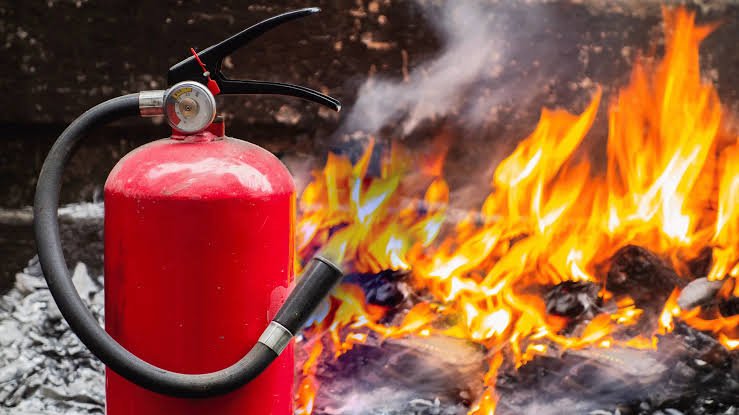
Schools should be places where children can learn, play, and develop in a safe environment. Yet like any occupied building, a school can face fire risks from electrical equipment, kitchens, laboratories, generators, heating appliances, combustible materials, and human activity.
Fire safety in a school is therefore much more than keeping a few extinguishers on the walls. It involves prevention, early detection, warning, evacuation, staff training, emergency planning, equipment maintenance, and regular drills.
For beginners, the subject can seem complicated. The good news is that the basic principles are straightforward: identify hazards, provide suitable protection, keep escape routes clear, teach people what to do, and regularly test the arrangements.
Pakistan has a national framework for school safety. The National Disaster Management Authority (NDMA) has developed the Pakistan School Safety Framework (PSSF), which addresses preparedness and response to hazards including fires. In 2025, NDMA formally handed the framework to federal and provincial education departments for localized adoption and implementation.
The Building Code of Pakistan – Fire Safety Provisions 2016 also includes educational occupancies within the buildings for which emergency action plans are required, subject to the applicable provisions and authority requirements.
What Is School Fire Safety?
School fire safety is the organized process of reducing fire risks and protecting students, teachers, staff, visitors, and school property if a fire occurs.
It includes several connected areas:
- Fire prevention
- Fire detection
- Fire alarm systems
- Fire extinguishers
- Emergency exits
- Evacuation plans
- Emergency lighting
- Fire drills
- Staff training
- Student awareness
- Emergency communication
- Equipment inspection and maintenance
A school does not become fire-safe simply because it owns firefighting equipment. The equipment must be suitable, accessible, maintained, and supported by an effective emergency plan.
Why Is Fire Safety Important in Schools?
Schools have a unique safety challenge: many occupants are children.
Students may:
- Be unfamiliar with the building
- Become frightened during an emergency
- Need guidance from teachers
- Have difficulty understanding complicated instructions
- Require assistance because of a disability
- Be separated from their normal classroom during activities
There may also be hundreds or thousands of people inside a school at the same time.
The NDMA Pakistan School Safety Framework specifically recommends identifying fire-vulnerable locations, establishing safe areas and evacuation routes, displaying evacuation maps, educating students, and conducting regular mock drills.
This makes preparation particularly important.
Understanding Common School Fire Hazards
The first step toward prevention is understanding where fires can start.
Electrical Equipment
Electrical systems are a common concern in schools.
Potential hazards include:
- Damaged wires
- Overloaded sockets
- Faulty plugs
- Improper extensions
- Defective appliances
- Poor electrical maintenance
- Unapproved modifications
Computers, projectors, printers, laboratory equipment, air conditioners, fans, kitchen appliances, and other electrical devices should be used and maintained appropriately.
School management should investigate unusual smells, sparks, overheating sockets, repeated circuit trips, or visibly damaged equipment.
School Kitchens
Schools with cafeterias or kitchens have additional risks from:
- Cooking oil
- Gas appliances
- Electrical equipment
- Open flames
- Hot surfaces
- Combustible packaging
Cooking areas should be kept clean and free of unnecessary combustible materials.
Gas appliances and connections should be installed and maintained by qualified professionals.
Laboratories
Science laboratories may contain chemicals, burners, electrical equipment, and other ignition sources.
Students should only use laboratory equipment under appropriate supervision.
Flammable substances should be stored and handled according to applicable safety requirements.
The Building Code of Pakistan includes provisions addressing hazardous materials and combustible contents as part of its wider fire safety framework.
Generators and Mechanical Areas
Backup generators can create fire risks involving fuel, hot components, electrical systems, and exhaust.
Generators should be installed and operated according to applicable requirements and manufacturer instructions.
Fuel should be stored safely and away from ignition sources.
Mechanical and electrical rooms should not become general-purpose storage areas.
The Role of a Fire Alarm System
A fire alarm system is one of the most important parts of a school’s early-warning arrangements.
A suitable fire alarm system in Pakistan can help alert teachers, students, staff, and other occupants when a fire or smoke condition is detected.
Depending on the building, an alarm system may include:
- Smoke detectors
- Heat detectors
- Manual call points
- Control panels
- Sounders
- Visual notification devices
- Emergency communication interfaces
- Backup power
The exact system should be selected according to the school’s size, layout, occupancy, risks, applicable standards, and professional design requirements.
The most expensive system is not automatically the most suitable. What matters is whether the system provides appropriate coverage, reliable warning, and proper integration with the school’s emergency procedures.
Early Warning Gives People More Time
A fire can grow rapidly.
If students and teachers are not warned quickly, evacuation can become more difficult.
An effective detection and warning arrangement can give school personnel an opportunity to:
- Recognize the emergency.
- Activate the emergency procedure.
- Guide students toward appropriate exits.
- Contact emergency services.
- Account for students.
- Provide assistance to people who need it.
The alarm itself is only one part of the process.
Students and staff must know what the alarm means and what they are expected to do when they hear it.
Create a Clear Evacuation Plan
Every school should have a clear evacuation procedure appropriate to its building and occupants.
An evacuation plan should identify:
- Primary escape routes
- Alternative routes
- Emergency exits
- Assembly areas
- Responsibilities of teachers
- Responsibilities of support staff
- Procedures for visitors
- Assistance for students with disabilities
- Emergency communication arrangements
- Student accounting procedures
The Building Code of Pakistan states that emergency action plans for educational occupancies should address emergency reporting, occupant and staff response, evacuation or relocation procedures, fire drills, fire protection systems, and emergency response teams, among other applicable items.
Keep Emergency Exits Clear
An emergency exit is useful only if people can reach it.
Schools should regularly check that corridors, stairways, doors, and exit routes are not blocked by:
- Desks
- Chairs
- Boxes
- Sports equipment
- School bags
- Cleaning supplies
- Furniture
- Unnecessary storage
Fire doors should not be improperly wedged open where doing so compromises their intended function.
Exit signage should be visible and understandable.
Teachers should also know the nearest suitable exit from their classrooms and activity areas.
Choose an Assembly Point
Once students leave the building, they need somewhere safe to gather.
The assembly point should be:
- Away from the immediate building
- Accessible
- Known to staff
- Known to students
- Large enough for the expected population
- Positioned so it does not interfere with emergency vehicles
Schools should also consider whether the assembly location remains appropriate for different emergencies and whether alternative arrangements are needed.
Student Accountability Is Essential
Evacuation does not end when everyone reaches the assembly area.
Teachers should account for students according to the school’s established procedure.
A school may use:
- Class registers
- Attendance lists
- Digital records
- Assigned class groups
- Designated staff responsible for reporting numbers
Missing students should be reported promptly through the school’s emergency structure.
Staff should never re-enter a burning or smoke-filled building to search for a missing person unless they are specifically trained and authorized emergency personnel.
The NDMA school safety framework recommends assembling students in a safe area and conducting a head count after evacuation.
Teach Students What to Do
Fire safety education should be appropriate for the student’s age.
Young children need simple instructions.
Older students can learn more detailed procedures.
Students should understand basic rules such as:
- Listen to the teacher.
- Stay calm.
- Do not run or push.
- Follow the designated route.
- Do not hide during an evacuation.
- Do not return to collect belongings.
- Go directly to the assembly area.
- Follow instructions from teachers and emergency personnel.
The goal is not to frighten children. It is to make emergency behavior familiar.
Conduct Regular Fire Drills
A fire drill allows schools to practice their emergency arrangements under controlled conditions.
NDMA has already conducted fire and other emergency drills in federal schools as part of its school-safety work, emphasizing preparedness and familiarity with emergency procedures.
A drill can reveal problems such as:
- Students not hearing the alarm
- Confusing evacuation routes
- Congested stairways
- Blocked exits
- Teachers unsure about their responsibilities
- Poor communication
- An unsuitable assembly point
- Difficulties assisting students with disabilities
After every drill, school management should review what happened and correct identified weaknesses.
Train Teachers and Staff
Teachers are usually the people students will look to during an emergency.
Staff training should cover:
- Fire prevention
- Alarm procedures
- Evacuation routes
- Student accountability
- Emergency communication
- Fire extinguisher awareness
- Assembly procedures
- Assistance for students with disabilities
- Procedures for reporting hazards
NDMA’s school safety framework specifically recommends training at least two teachers on extinguisher use where extinguishers are available. It also recommends regular testing, refilling, and replacement of extinguishers.
Training requirements should be adapted to the school’s size, risk profile, staffing, and applicable requirements.
Fire Extinguishers: What Beginners Should Know
Fire extinguishers can be useful for small fires when the correct extinguisher is available and the person using it has appropriate training.
Schools should not expect untrained students to fight fires.
Teachers or designated staff may receive appropriate extinguisher training, but evacuation should always remain the priority when a fire is spreading, producing dangerous smoke, or cannot be safely controlled.
Extinguishers should be:
- Correctly selected
- Clearly visible
- Accessible
- Properly mounted where appropriate
- Regularly inspected
- Maintained according to applicable requirements
They should never be hidden behind furniture or stored where students cannot reach them in an emergency.
Maintenance Is Just as Important as Installation
Installing fire equipment does not mean the school is permanently protected.
Equipment can deteriorate over time.
Regular checks should include, as applicable:
- Fire alarm control panels
- Smoke detectors
- Heat detectors
- Manual call points
- Alarm sounders
- Emergency lighting
- Fire extinguishers
- Fire doors
- Hydrants
- Hose reels
- Sprinkler systems
- Backup power
- Emergency signage
The Building Code of Pakistan includes provisions concerning the maintenance, testing, and servicing of fire protection systems and equipment.
Maintenance should be performed according to applicable standards, manufacturer instructions, and the requirements of relevant authorities.
Do Not Ignore False Alarms
Repeated false alarms can become a serious operational issue.
If alarms repeatedly activate without an actual fire, staff and students may begin treating them as routine disturbances.
Instead of ignoring alarms, management should investigate the cause.
Possible causes can include:
- Dust
- Steam
- Cooking vapors
- Faulty detectors
- Environmental conditions
- Maintenance work
- Equipment problems
The objective should be to maintain reliable detection while reducing unnecessary activations through appropriate system design and maintenance.
Fire Doors and Compartmentation
Fire safety is not only about detecting a fire.
Buildings can also be designed to slow fire and smoke movement.
Fire-rated walls, doors, floors, and other construction features can help separate areas and support evacuation.
Schools should avoid modifying fire-rated construction without professional assessment.
Fire doors should not be damaged, propped open improperly, or used as ordinary doors in ways that compromise their intended fire-resistance function.
Special Considerations for Students With Disabilities
A good school fire plan must include students and staff who may need additional assistance.
Consider students with:
- Mobility limitations
- Hearing impairment
- Visual impairment
- Cognitive disabilities
- Medical conditions affecting evacuation
Schools should determine appropriate assistance arrangements in advance rather than trying to create them during an emergency.
Teachers and support staff should understand their assigned responsibilities.
Emergency Communication
During a fire, communication needs to be simple and reliable.
Schools should establish:
- Emergency contact numbers
- Internal communication procedures
- Responsibilities for contacting emergency services
- Staff communication arrangements
- Parent/guardian communication procedures
Emergency contact information should be reviewed regularly.
NDMA’s school safety framework recommends maintaining a communication plan with the contact details required during an emergency.
School Fire Safety Checklist
A simple checklist can help school management identify basic gaps.
Fire Prevention
- [ ] Electrical equipment inspected
- [ ] Combustible materials stored safely
- [ ] Kitchen equipment maintained
- [ ] Laboratory hazards controlled
- [ ] Generator and fuel arrangements reviewed
- [ ] Smoking restrictions enforced where applicable
Fire Detection
- [ ] Fire alarm system appropriately designed
- [ ] Smoke and heat detectors maintained
- [ ] Manual call points accessible
- [ ] Alarm signals audible/visible as required
- [ ] Backup power checked
Evacuation
- [ ] Emergency exits identified
- [ ] Escape routes clear
- [ ] Exit signage visible
- [ ] Evacuation maps displayed
- [ ] Assembly point identified
- [ ] Student accountability system established
Training
- [ ] Teachers trained
- [ ] Relevant staff trained in extinguisher use
- [ ] Students receive age-appropriate instruction
- [ ] Visitors and contractors considered
- [ ] Regular drills conducted
Maintenance
- [ ] Fire extinguishers inspected
- [ ] Alarm system tested
- [ ] Emergency lighting checked
- [ ] Fire doors inspected
- [ ] Firefighting equipment maintained
- [ ] Defects documented and corrected
Common School Fire Safety Mistakes
Blocking Exit Routes
Temporary storage can quickly become a permanent obstruction. Exit routes should be kept clear at all times.
Treating Fire Drills as a Formality
A drill should be used to identify weaknesses, not simply to meet a schedule.
Ignoring Damaged Equipment
A faulty alarm, extinguisher, emergency light, or fire door should be reported and addressed.
Failing to Train New Staff
New employees should understand the school’s emergency procedures rather than waiting indefinitely for a general refresher session.
Assuming Children Will Know What to Do
Children need simple, repeated, age-appropriate instruction and practice.
Relying on Equipment Alone
Fire alarms and extinguishers are important, but they must be supported by evacuation plans, trained staff, clear exits, and maintenance.
How Schools Can Build a Strong Fire Safety Culture
Fire safety becomes more effective when it is part of everyday school management.
Teachers can reinforce simple habits such as keeping corridors clear and reporting damaged electrical equipment.
Students can be encouraged to report hazards to responsible adults.
School management can maintain records of:
- Inspections
- Equipment maintenance
- Fire drills
- Staff training
- Identified hazards
- Corrective actions
NDMA’s Pakistan School Safety Framework uses a structured approach to school safety, including risk assessment, preparedness, response planning, and ongoing management.
In 2025, NDMA described the PSSF as a nationally developed framework intended for localized implementation through federal and provincial education departments.
Understanding Fire Safety Requirements in Pakistan
Schools should not rely on a single document or assume that one requirement applies identically to every educational facility.
Building size, occupancy, construction, location, existing conditions, and local authority requirements can affect what is necessary.
The Pakistan Engineering Council lists the Building Code of Pakistan – Fire Safety Provisions 2016 as one of its building codes and standards.
Schools should also consider relevant requirements from competent authorities and education departments.
The safest approach is to have the school’s fire protection and emergency arrangements assessed by appropriately qualified professionals where necessary.
Final Thoughts
School fire safety may seem complicated, but the fundamentals are simple.
Prevent fires where possible. Detect them early. Warn everyone clearly. Keep escape routes available. Train teachers and staff. Teach students what to do. Practice evacuation. Maintain fire protection equipment.
A properly selected and maintained fire alarm system in Pakistan can provide an important layer of early warning, but an alarm alone cannot make a school safe.
Effective protection comes from combining technology with preparation.
Schools should regularly review their fire risks, emergency plans, equipment, evacuation procedures, and training arrangements. Small problems—such as a blocked exit, damaged electrical cable, inaccessible extinguisher, or unclear evacuation route—can become much more serious during an emergency.
For information about fire protection and alarm solutions, you can explore Flame Defender.
FAQs
1. Why is fire safety important in schools?
Schools contain large numbers of students and staff, including young children who may need guidance during an emergency. A proper fire safety program helps prevent hazards, provide early warning, organize evacuation, and protect students and staff.
2. What should a school fire safety plan include?
A school plan should address fire prevention, emergency reporting, alarm procedures, evacuation routes, assembly areas, student accountability, staff responsibilities, fire drills, firefighting equipment, emergency communication, and assistance for students who need additional support.
3. Is a fire alarm system necessary for every school?
The appropriate fire detection and alarm arrangements depend on the school’s building, occupancy, design, risks, applicable codes, and authority requirements. A qualified fire-safety professional can assess the facility and determine appropriate protection.
4. How often should schools conduct fire drills?
Schools should conduct drills according to their emergency plan and applicable requirements. Drills should be treated as practical training opportunities, with results reviewed afterward to identify and correct weaknesses.
5. What should students do when they hear a fire alarm?
Students should remain calm, follow their teacher’s instructions, use the designated evacuation route, avoid running or pushing, and go directly to the assigned assembly area. They should not return to the building until authorized emergency personnel say it is safe.