
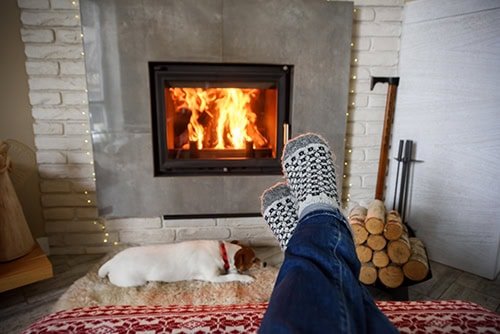
Winter brings colder temperatures, shorter days, and a greater reliance on heating equipment. In many parts of Pakistan, families use gas heaters, electric heaters, wood or coal fires, hot-water appliances, and other heat-producing devices to stay comfortable.
These appliances can make winter easier, but they can also introduce additional fire risks when they are damaged, poorly maintained, incorrectly installed, or used too close to combustible materials.
The National Disaster Management Authority (NDMA) recognizes winter as a period requiring specific preparedness measures across Pakistan, while its current guidance library includes winter-related contingency planning and fire-safety guidance.
Understanding common winter fire hazards is therefore an important first step toward protecting your home, family, and property.
Why Winter Can Increase Fire Risks
Fire can occur at any time of year, but winter changes how people use their homes.
During colder weather, residents may:
- Use heaters for longer periods
- Keep doors and windows closed
- Use additional electrical appliances
- Operate gas heating equipment
- Burn wood, coal, or other fuels
- Use electric blankets or heating devices
- Cook more frequently at home
- Rely on extension cords and power strips
- Dry clothes near heating appliances
These activities can increase the opportunity for something to go wrong.
The Building Code of Pakistan – Fire Safety Provisions 2016 covers fire prevention, life safety, fire protection systems, hazardous materials, combustible materials, and the maintenance and testing of fire protection equipment.
For homeowners, the principle is straightforward: identify sources of heat, keep combustible materials away from them, maintain equipment, and make sure the household can detect and respond to a fire quickly.
1. Gas Heaters Need Special Attention
Gas heaters are commonly used during cold weather, particularly in areas where temperatures drop significantly.
A poorly maintained or improperly operated gas appliance can create several hazards.
Potential problems include:
- Gas leakage
- Incomplete combustion
- Damaged connections
- Poor ventilation
- Overheating
- Contact with nearby combustible materials
- Improper installation
Never ignore the smell of gas.
If you suspect a gas leak, avoid creating flames or sparks, do not operate electrical switches unnecessarily, move to a safe location, and contact the appropriate gas emergency service or qualified professional.
Gas appliances should be installed, inspected, and serviced by appropriately qualified personnel.
2. Never Place Heaters Too Close to Combustible Items
A heater can become dangerous when it is placed close to materials that can burn.
Common examples include:
- Curtains
- Blankets
- Bedding
- Clothing
- Furniture
- Paper
- Cardboard
- Carpets
- Plastic items
A simple winter habit can help: maintain a clear area around every heating appliance.
Do not use furniture, clothing, or other objects to cover a heater.
Also avoid placing portable heaters where they can easily be knocked over.
3. Electrical Heaters Can Overload Circuits
Electric heaters can consume substantial electrical power.
Problems can occur when high-power appliances are connected to unsuitable extension cords, overloaded outlets, or damaged wiring.
Before winter begins, inspect electrical equipment for:
- Frayed wires
- Damaged plugs
- Loose connections
- Burn marks
- Overheated sockets
- Unusual smells
- Repeated circuit trips
Do not continue using electrical equipment that shows signs of damage.
It is also important not to overload a single outlet with multiple high-power appliances.
If you are unsure whether an electrical circuit can safely handle a heater, consult a qualified electrician.
4. Extension Cords Require Care
Extension cords can be useful, but they should not become a permanent substitute for properly installed electrical outlets.
Avoid:
- Connecting multiple extension cords together
- Running cords under rugs
- Using damaged cords
- Placing cords near hot surfaces
- Creating trip hazards
- Using unsuitable cords for high-power appliances
A heater should only be connected using equipment appropriate for its electrical load.
If an extension cord, plug, or socket becomes unusually hot, disconnect the appliance safely and have the electrical installation checked.
5. Wood and Coal Fires Need Careful Management
In colder regions, some households use wood or coal for heating.
Open fires can create risks from:
- Sparks
- Embers
- Hot surfaces
- Smoke
- Ash
- Combustible materials placed nearby
- Improperly maintained chimneys or flues
Keep combustible items away from open flames and hot surfaces.
Allow ashes to cool completely before disposal and use a suitable container where appropriate.
Never assume that a fire is safe simply because the flames appear small.
6. Cooking Remains a Major Household Fire Risk
Winter does not eliminate ordinary household fire hazards.
Cooking should never be treated as a low-risk activity simply because attention is focused on heating.
Common kitchen hazards include:
- Unattended cooking
- Oil overheating
- Grease fires
- Flammable materials near stoves
- Damaged gas connections
- Electrical appliances near water
- Children getting too close to cooking areas
Keep towels, paper products, packaging, and loose clothing away from cooking surfaces.
If a pan containing cooking oil catches fire, do not throw water onto it. Water can cause burning oil to spread rapidly. Turn off the heat if it is safe to do so, keep a safe distance, and use an appropriate fire-safety response.
If you are unsure how to handle the situation, evacuate and contact emergency services.
7. Candles Can Become a Winter Hazard
Candles may be used during power outages, for decoration, or simply for atmosphere during winter evenings.
The flame, however, remains an open ignition source.
A candle can ignite:
- Curtains
- Paper
- Bedding
- Clothing
- Decorations
- Furniture
Keep candles on stable, heat-resistant surfaces and away from anything that can burn.
Never leave a burning candle unattended.
Where possible, battery-powered lighting can provide a safer alternative during power interruptions.
8. Portable Heating Equipment Should Never Be Left Unattended
Portable heaters are particularly important because they can be moved around the home.
Before using one:
- Check the manufacturer’s instructions.
- Inspect the power cable.
- Keep it on a stable surface.
- Keep combustible materials away.
- Keep children and pets away.
- Avoid placing it where it can be knocked over.
- Turn it off when leaving the room unless the appliance is specifically designed for safe continuous operation.
Do not use damaged or modified heating equipment.
9. Smoke Detection Gives Your Family More Time
A fire can spread quickly, particularly while people are asleep.
This is where early warning becomes important.
A properly selected and maintained smoke detection system can alert occupants to a developing fire before they notice flames themselves.
For households considering a fire alarm system in Pakistan, the most important consideration should not simply be the brand or appearance of the equipment. The system should be appropriate for the home, correctly installed, maintained, and capable of providing effective warning.
Smoke alarms should generally be located where they can provide useful early warning, particularly around sleeping areas and on relevant levels of a home.
Follow the manufacturer’s installation and maintenance instructions.
10. Test Your Fire Alarm Regularly
Installing an alarm is only the beginning.
Homeowners should periodically check that alarms are functioning correctly.
Depending on the type of equipment, maintenance may include:
- Testing the alarm
- Replacing batteries when required
- Cleaning according to manufacturer instructions
- Checking for damage
- Replacing expired or malfunctioning units
Never permanently disable an alarm because of repeated nuisance activations. Instead, investigate why they are occurring and use equipment suitable for the environment.
A reliable warning system is especially valuable at night when residents may not immediately notice smoke or flames.
11. Keep Fire Extinguishers Accessible
A household fire extinguisher can be useful for certain small fires when the user has been trained and the conditions are safe.
However, an extinguisher should never encourage someone to take unnecessary risks.
A fire may become too large very quickly.
As a general principle:
If you cannot safely control the fire, leave immediately and call emergency services.
Extinguishers should be:
- Suitable for the hazards present
- Accessible
- Clearly located
- Properly maintained
- Used according to their instructions
The Building Code of Pakistan includes the design, maintenance, repair, servicing, and testing of fire protection systems and equipment within its fire safety provisions.
12. Do Not Block Doors or Escape Routes
During winter, homes often accumulate additional items such as blankets, clothing, heaters, firewood, and storage boxes.
These should never be allowed to obstruct exits.
Keep:
- Hallways clear
- Stairways clear
- Doors accessible
- Windows that may serve as emergency exits unobstructed
- Keys for relevant locks readily available where necessary
Every household member should know how to leave the home quickly.
13. Create a Simple Home Fire Escape Plan
A fire escape plan does not have to be complicated.
Identify at least one primary exit from each regularly occupied area and consider an alternative route where possible.
Your family should know:
- How to recognize the alarm.
- Which exit to use.
- Where to meet outside.
- How to contact emergency services.
- Why they should not return inside.
Children should be taught these procedures in an age-appropriate way.
Older adults and people with mobility limitations may need additional planning.
14. Never Use a Lift During a Fire Emergency
If a building fire requires evacuation, occupants should generally use designated stairs and escape routes rather than lifts, unless emergency responders provide different instructions.
Fire can affect electrical power, lift operation, and the conditions within shafts.
The safest response is to follow the building’s emergency plan and instructions from emergency personnel.
15. Be Careful With Clothes and Bedding
Winter clothing is often heavier and more combustible than everyday summer clothing.
Keep coats, blankets, scarves, and bedding away from:
- Heaters
- Stoves
- Open flames
- Hot electrical equipment
Do not hang wet clothing directly over a heater unless the equipment is specifically designed for that purpose.
Drying clothing too close to a heat source can create an ignition risk.
16. Keep Children Away From Heat Sources
Children may not understand the danger presented by a heater, stove, candle, or open fire.
Create clear boundaries around heating and cooking areas.
Teach children:
- Never to touch heaters
- Never to play with matches or lighters
- Never to play near an open flame
- What the smoke alarm sounds like
- How to leave the house during a fire
- Where to meet outside
Matches and lighters should be stored where young children cannot access them.
17. Generator Safety Matters During Power Outages
Winter weather and electricity interruptions can sometimes lead households to use backup generators.
Generators create additional hazards, particularly when operated indoors or in poorly ventilated spaces.
Never operate a fuel-powered generator inside a home, garage, basement, or other enclosed space.
Generators produce carbon monoxide, an invisible and potentially deadly gas.
They also contain hot components and fuel, creating fire hazards if used or refueled incorrectly.
Follow the manufacturer’s instructions and have electrical connections handled appropriately.
18. Store Fuel Safely
Fuel used for generators, heating appliances, or other equipment should be stored carefully.
Keep combustible liquids away from:
- Open flames
- Heaters
- Stoves
- Electrical sparks
- Children
- Direct heat
Only use approved containers and follow relevant safety requirements.
Do not store unnecessary quantities of flammable material inside living areas.
The Building Code of Pakistan specifically addresses the storage, use, handling, and transportation of flammable and combustible gases, liquids, and solids.
19. Winter Home Fire Safety Checklist
Before the coldest part of the season, homeowners can review the following:
Heating
- [ ] Heaters inspected
- [ ] Damaged equipment removed from service
- [ ] Heating areas kept clear
- [ ] Gas connections checked
- [ ] Electrical circuits not overloaded
Fire Detection
- [ ] Smoke alarms tested
- [ ] Batteries replaced when required
- [ ] Alarm units free from obvious damage
- [ ] Sleeping areas adequately covered by detection
Electrical Safety
- [ ] Plugs and wires inspected
- [ ] Damaged extension cords replaced
- [ ] High-power appliances used appropriately
- [ ] Sockets showing overheating investigated
Kitchen Safety
- [ ] Cooking is not left unattended
- [ ] Flammable materials kept away from the stove
- [ ] Appropriate extinguisher or fire blanket available where suitable
- [ ] Gas appliances maintained
Emergency Planning
- [ ] Family knows the escape routes
- [ ] Outdoor meeting point selected
- [ ] Emergency numbers available
- [ ] Children understand basic fire safety
- [ ] Vulnerable family members have assistance plans
Why Prevention Should Come Before Response
Fire protection is often discussed in terms of what to do after a fire starts.
Prevention comes first.
The Building Code of Pakistan’s fire safety provisions cover both prevention and protection, including inspection, education, hazardous materials, combustible contents, emergency operations, and fire protection equipment.
This approach is particularly useful at home.
Instead of asking only, “What should we do if there is a fire?”, families should also ask:
- What could start a fire?
- Which appliances produce heat?
- Are our electrical connections safe?
- Is our gas equipment maintained?
- Are combustible materials stored safely?
- Can everyone hear the smoke alarm?
- Can everyone leave the home quickly?
These questions can identify problems before an emergency occurs.
Building a Safer Home in Pakistan
Winter conditions differ considerably across Pakistan. Northern and mountainous areas can experience much colder temperatures and may rely more heavily on heating, while other regions may use heaters only occasionally.
Regardless of location, the basic principles remain similar:
Maintain heating equipment. Avoid overloading electrical systems. Keep flames and heat sources away from combustible materials. Maintain smoke detection. Keep escape routes clear. Prepare the household for emergencies.
NDMA continues to maintain seasonal preparedness resources, including winter contingency planning and fire-safety guidance. Its current guidelines page lists Urban Fire Safety Guidelines issued in March 2026.
Final Thoughts
Winter fire safety starts with understanding the hazards inside your home.
Heaters, gas appliances, electrical equipment, candles, cooking appliances, generators, and open flames can all become sources of danger when they are poorly maintained or used incorrectly.
The best approach is not to become afraid of these everyday appliances. Instead, use them responsibly and build simple safety habits around them.
A reliable fire alarm system in Pakistan, properly maintained heating equipment, accessible firefighting equipment, safe electrical practices, and a clear escape plan can all contribute to a safer home.
Most importantly, make fire safety a routine rather than something you think about only after an emergency occurs.
For more information about fire protection solutions and alarm systems, visit .
FAQs
1. What are the most common winter fire hazards at home?
Common hazards include gas and electric heaters, overloaded electrical circuits, candles, cooking equipment, open fires, generators, combustible materials placed near heat sources, and poorly maintained appliances.
2. Why is a fire alarm important during winter?
People often use more heating and electrical equipment during winter, while many households also spend more time indoors. A suitable smoke detection and alarm system can provide early warning and give occupants more time to respond.
3. Can I use an extension cord with an electric heater?
It depends on the equipment and electrical installation. High-power heaters can place significant loads on circuits. Use only electrical equipment suitable for the appliance and follow the manufacturer’s instructions. If there is any doubt, consult a qualified electrician.
4. Where should I place a smoke alarm?
Smoke alarms should be positioned according to the manufacturer’s instructions and the home’s layout, with particular attention to sleeping areas and locations where early warning is important. Multiple levels or larger homes may require more than one alarm.
5. What should I do if a fire starts at home?
Raise the alarm, get everyone out using the safest available exit, call the appropriate emergency service, and do not re-enter the building. Only attempt to extinguish a very small fire if you have the correct equipment, have been trained, and can do so without putting yourself or others at risk.