
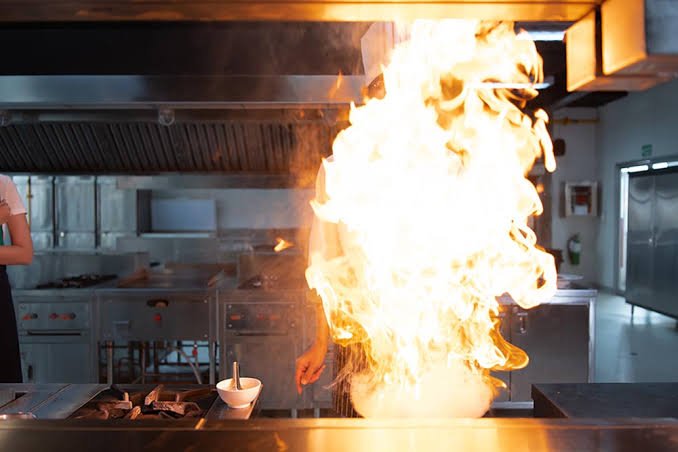
The kitchen is one of the busiest areas of any home, restaurant, hotel, or commercial building. It is where meals are prepared, appliances are used, and cooking activities take place every day. However, the combination of heat, electricity, cooking oil, gas appliances, and combustible materials can also create serious fire risks.
A kitchen fire can start in seconds when cooking is left unattended, grease accumulates around a stove, electrical equipment develops a fault, or a gas appliance is used incorrectly. If the fire spreads, it can damage property, interrupt business operations, cause injuries, and put lives at risk.
Kitchen fire safety is therefore not an optional expense. It is an essential investment in protecting people, property, and everyday activities. In Pakistan, where gas cooking appliances and electrical equipment are common in homes and commercial kitchens, understanding fire hazards and taking preventive measures are particularly important.
A suitable Fire alarm system in Pakistan can form part of a broader fire protection strategy by warning occupants when a fire is detected. However, alarms work best alongside safe cooking habits, appropriate firefighting equipment, maintained appliances, and a clear emergency plan.
This guide explains common kitchen fire hazards, practical prevention methods, the role of fire detection, and the steps households and businesses can take to create safer cooking environments.
1. Understanding Common Kitchen Fire Hazards
The first step towards kitchen fire safety is recognising how fires begin. Many kitchen fires result from everyday activities that become dangerous when equipment is misused or left unattended.
Unattended cooking
Leaving food cooking on a stove without supervision is a common cause of kitchen fires. Oil can overheat, food can burn, and flames may spread to nearby materials.
Even a short distraction can create a dangerous situation. People should remain attentive while cooking and switch off the heat if they need to leave the kitchen.
Cooking oil and grease
Cooking oils and fats can become extremely hot during frying. If overheated, they may ignite and produce flames that spread quickly.
Grease can also collect on stove surfaces, extractor fans, filters, and nearby walls. If these deposits are not cleaned regularly, they can become additional fuel during a fire.
Electrical appliances
Microwaves, electric kettles, ovens, toasters, refrigerators, and other kitchen appliances depend on safe electrical connections.
Damaged cables, loose sockets, overloaded extension boards, and faulty appliances can create overheating or electrical faults. Equipment showing signs of damage should be disconnected if it is safe to do so and checked by a qualified professional.
Gas appliances
Gas stoves and ovens require appropriate installation, ventilation, and maintenance. Damaged connections, faulty components, or improper use can create fire and gas-leak hazards.
If a gas leak is suspected, keep people away from the affected area. Avoid flames and do not operate electrical switches in the suspected leak area. Move to a safe location and contact the relevant gas provider or emergency service.
Combustible materials
Paper towels, packaging, curtains, plastic items, and loose clothing can catch fire when placed too close to a flame or hot surface.
Keeping these materials away from cooking equipment reduces the chance of an accidental fire.
2. Safe Cooking Habits That Prevent Fires
Simple habits can prevent many kitchen emergencies. Prevention is often less expensive and easier than repairing fire damage or replacing destroyed equipment.
Stay attentive while cooking. Remain in the kitchen when frying, grilling, or cooking food that requires close supervision. If you need to leave, switch off the appliance when appropriate and safe to do so.
Keep the cooking area organised. Remove unnecessary packaging, paper, cloths, and other combustible items from the stove area. Keep handles and utensils arranged so they do not interfere with cooking.
Control cooking temperatures. Use suitable heat settings and avoid allowing cooking oil to overheat. Follow the appliance manufacturer’s instructions.
Wear suitable clothing. Loose sleeves, scarves, and other hanging fabric can come into contact with flames or hot surfaces. Keep clothing away from burners.
Turn appliances off after use. Check that cooking equipment has been switched off when the task is complete. Do not leave equipment operating unattended unless it is specifically designed for that purpose and its instructions permit it.
Keep children away from active cooking. Establish a safe area around the stove and hot appliances. Children should not be left alone around cooking equipment.
These habits are useful in family kitchens, workplace canteens, restaurants, bakeries, and other food preparation environments.
3. Preventing Grease and Oil Fires
Grease fires require special attention because the wrong response can make them much more dangerous.
When cooking oil catches fire, never throw water onto it. Water can cause burning oil to splatter and spread the flames, increasing the danger to nearby people and property.
If a small pan fire occurs, only attempt to control it if doing so is immediately safe and you know how to respond. If it is safe to reach without approaching the flames, turn off the heat. For a small contained pan fire, a suitable metal lid may be placed over the pan to smother the flames. Do not move the burning pan or attempt to carry it to another location.
Never use a wet cloth or an unsuitable cover. Do not lift a lid to check whether the fire has gone out, as air may allow the fire to flare up again.
If the fire does not go out immediately, begins spreading, or creates smoke that makes the area unsafe, leave the kitchen, alert others, and contact emergency services. Do not risk personal safety to save cookware or food.
Commercial kitchens may require appropriately selected equipment designed for cooking-oil fires. The choice and installation of such equipment should be based on the actual hazards, applicable requirements, and advice from qualified fire safety professionals.
4. Electrical Safety in the Kitchen
Electrical safety is an important part of kitchen fire prevention, particularly where multiple appliances are used at the same time.
Start by inspecting visible plugs, sockets, and cables. Look for cracked insulation, exposed wires, loose connections, burn marks, or unusual heat. If any of these signs appear, stop using the affected equipment and arrange professional inspection.
Avoid overloading sockets with several high-power appliances. Extension boards should not be used as a substitute for suitable permanent wiring, especially for equipment with high electrical demands.
Keep electrical connections away from water, wet work surfaces, and sinks. Never handle plugs or switches with wet hands.
Appliances should be cleaned and maintained according to their manufacturers’ instructions. Grease and food residue should not be allowed to build up around heating elements or ventilation openings.
Electrical repairs should be performed by qualified electricians. Attempting improvised repairs can increase the risk of electric shock and fire.
For restaurants and commercial kitchens, routine checks of electrical installations, ventilation equipment, and cooking appliances should be included in the overall maintenance programme.
5. Gas Stove Safety and Leak Prevention
Gas cooking appliances are widely used in Pakistan, making safe installation and maintenance essential.
Ensure that gas appliances and their connections are installed by competent professionals. Check equipment according to the manufacturer’s guidance and arrange repairs whenever a fault is suspected.
If you smell gas or suspect a leak, do not light matches, operate electrical switches, or use equipment that could create an ignition source in the affected area. Move everyone away from the suspected leak and contact the relevant gas provider or emergency service from a safe location.
Do not attempt repairs on damaged gas connections unless you are qualified and authorised to perform them.
Maintain suitable ventilation in accordance with the appliance requirements. Gas equipment should never be used in a way that blocks its required air supply or allows combustion products to accumulate.
Commercial kitchens should have documented procedures for reporting faults, arranging inspections, and taking unsafe equipment out of service.
These precautions help reduce the risk of fires and other emergencies associated with gas appliances.
6. The Role of a Fire Alarm System in Kitchen Safety
A fire alarm system is an important part of a building’s fire protection arrangements. Depending on its design, it may use smoke detectors, heat detectors, manual call points, alarm sounders, visual indicators, and a control panel to alert occupants to a potential fire.
A suitable Fire alarm system in Pakistan can help protect residential buildings, restaurants, hotels, hospitals, offices, and other premises where kitchens are present.
Early warning
A fire can develop while people are occupied with cooking or other tasks. An appropriate detection and alarm arrangement can alert occupants so they can respond before the situation becomes more dangerous.
Early warning is especially valuable in commercial buildings, where a kitchen fire may affect employees, customers, visitors, and people in adjoining areas.
Appropriate detector placement
Cooking produces steam, heat, and airborne particles that may activate certain detectors under unsuitable conditions. Detector selection and placement must therefore account for the kitchen environment and the intended level of protection.
Not every detector is appropriate for every kitchen location. Qualified fire safety professionals should determine the suitable arrangement according to the building design, applicable standards, and manufacturer’s instructions.
Audible and visual alerts
Alarms must be capable of warning the people who need to respond. Depending on the building, visual indicators or other accessible warning methods may be needed in addition to audible alarms.
In commercial premises, the alarm may be integrated with other building fire protection functions where required by the approved design.
Testing and maintenance
An alarm system provides limited protection if it is damaged, disconnected, poorly maintained, or unable to alert occupants.
Property owners and managers should arrange regular testing and maintenance according to the manufacturer’s instructions and applicable requirements. Faults should be addressed promptly by competent personnel.
A fire alarm does not extinguish a fire. It provides warning, allowing occupants to follow the emergency procedure, evacuate when necessary, and contact emergency services.
7. Choosing Suitable Fire Protection Equipment
Fire protection equipment should be selected according to the hazards present in the kitchen. A small household kitchen and a large restaurant may require different arrangements.
Portable fire extinguishers, fire blankets, automatic suppression systems, and other equipment may form part of an appropriate safety plan. The exact requirements depend on the cooking equipment, the type of fuel used, the building’s layout, and applicable regulations.
For example, equipment designed for ordinary combustible materials may not be suitable for burning cooking oil. Water should never be used on burning oil or on electrical equipment that remains energised.
Extinguishers should be suitable for the relevant fire risks, correctly installed, accessible, and maintained. Staff should receive appropriate training and understand when evacuation is safer than attempting to extinguish a fire.
In commercial kitchens, specialised suppression systems may be appropriate for cooking equipment and associated extraction arrangements. Their design, installation, inspection, and servicing should be handled by qualified professionals.
Equipment should never block a doorway or force someone to move closer to a fire to reach an exit. If flames are spreading, visibility is deteriorating, or the escape route is threatened, evacuate rather than attempting to fight the fire.
8. Ventilation, Cleaning, and Kitchen Housekeeping
Cleanliness is not only a matter of hygiene. It is also an important part of fire prevention.
Cooking oils and grease can accumulate in extractor hoods, filters, ducts, and around cooking appliances. If exposed to sufficient heat or flame, these deposits may ignite and allow fire to spread through the ventilation system.
Establish a regular cleaning schedule based on how frequently the kitchen is used and the manufacturer’s instructions. High-use commercial kitchens may require more frequent cleaning and professional servicing than domestic kitchens.
Keep ventilation equipment in good working condition. Damaged fans, blocked filters, and poorly maintained extraction systems can affect kitchen operation and increase fire risks.
Remove waste and food packaging regularly. Store combustible materials away from stoves, ovens, and other heat-producing equipment.
Cleaning products should be stored safely and used according to their labels. They should not be placed near ignition sources or mixed in ways that could create hazardous reactions.
Businesses should document cleaning and maintenance tasks so that responsibilities are clear and important work is not overlooked.
9. Developing a Kitchen Fire Emergency Plan
Even a well-maintained kitchen can experience an unexpected fire. A clear emergency plan helps people understand what to do and where to go.
For homes, family members should know how to raise the alarm, leave the building, and contact emergency services. Identify an outside meeting point and ensure that exits remain accessible.
For restaurants and other commercial premises, the plan should cover employees, customers, contractors, and visitors. Staff should understand how to activate the alarm, report a fire, and guide people towards safe exits.
Emergency procedures should include:
- Clearly identified and unobstructed escape routes.
- Suitable alarm and communication arrangements.
- Instructions for contacting emergency services.
- Defined responsibilities for staff and managers.
- Assistance arrangements for people who may need additional support.
- Training and evacuation drills appropriate to the premises.
Employees should not be expected to fight a fire unless they have received appropriate training, the equipment is suitable, and the situation can be managed without compromising their safety.
Building managers should also check that emergency exits, signs, lighting, and other required fire protection measures remain functional.
10. Kitchen Fire Safety for Restaurants and Businesses in Pakistan
Commercial kitchens often use several cooking appliances simultaneously and may operate for long periods. This increases the importance of organised prevention and maintenance.
Restaurants, hotels, catering businesses, hospitals, schools, and workplace canteens should assess their specific fire risks and establish suitable controls.
Managers should ensure that cooking appliances are maintained, ventilation systems are cleaned, electrical faults are repaired, and gas equipment is inspected by competent professionals.
Employees should receive practical instruction on safe cooking, recognising hazards, reporting faults, raising the alarm, and following evacuation procedures.
Businesses should also keep relevant maintenance records and ensure that firefighting equipment is inspected and serviced as required.
In Pakistan, the Building Code of Pakistan Fire Safety Provisions 2016 provides a national reference for fire safety in buildings. Punjab Civil Defence lists fire detection and alarm systems, firefighting arrangements, fire safety plans, and emergency exits among the measures considered during inspections of relevant premises.
Specific obligations depend on the building, occupancy, location, and applicable authority. Business owners should consult the relevant local authority and qualified fire safety professionals to determine the requirements for their premises.
Investing in appropriate fire protection can help businesses protect staff and customers, reduce the potential for costly damage, and support safer daily operations.
11. Kitchen Fire Safety as a Long-Term Investment
Kitchen fire safety is most effective when treated as an ongoing responsibility rather than a one-time purchase.
The investment may include suitable alarms, appropriate firefighting equipment, electrical inspections, appliance maintenance, ventilation cleaning, employee training, and emergency planning.
Although these measures involve time and money, they can help reduce the likelihood of a serious incident and improve the ability of occupants to respond when something goes wrong.
Homeowners should review kitchen hazards regularly, especially after purchasing new appliances or changing the layout. Businesses should assess their procedures when equipment, staffing, or cooking operations change.
Safety equipment should be selected for its suitability and reliability, not simply its price. Professional advice can help identify the measures that offer the greatest protection for a particular kitchen.
The best results come from combining technology with everyday habits. A well-designed alarm system cannot compensate for unsafe cooking practices, and careful behaviour cannot replace the need for appropriate detection and emergency arrangements.
Conclusion
Kitchen fire safety is an essential investment for every home and business. Unattended cooking, overheated oil, faulty electrical equipment, gas leaks, and accumulated grease can all create serious hazards, but many risks can be reduced through sensible precautions.
Staying attentive while cooking, maintaining appliances, cleaning ventilation systems, storing combustible materials safely, and understanding how to respond to grease fires are important preventive measures.
A suitable fire alarm system adds another layer of protection by warning occupants when a fire is detected. Combined with appropriate firefighting equipment, accessible exits, maintenance, and a clear emergency plan, it helps support a more comprehensive approach to fire safety.
In Pakistan, households and commercial operators should consider their individual risks and comply with the fire safety requirements applicable to their premises. Regular reviews and professional maintenance can help keep protective measures effective.
Ultimately, the purpose of kitchen fire safety is to protect people first, reduce preventable damage, and make everyday cooking safer for everyone.
Frequently Asked Questions (FAQs)
1. What are the most common causes of kitchen fires?
Common causes include unattended cooking, overheated oil, accumulated grease, faulty electrical appliances, unsafe gas connections, and combustible materials placed near heat sources. Good cooking habits and regular maintenance can help reduce these risks.
2. Why is kitchen fire safety considered an essential investment?
Kitchen fire safety helps protect people, property, equipment, and business operations. Preventive measures, suitable alarms, maintenance, and emergency planning can reduce avoidable risks and improve preparedness.
3. How does a fire alarm system help improve kitchen safety?
A suitable fire alarm system can detect signs of fire and alert occupants, allowing them to respond or evacuate promptly. Detector selection and placement must account for the kitchen environment to reduce unsuitable operation and ensure the system performs as intended.
4. What should you never do during a grease fire?
Never pour water onto burning cooking oil, and do not attempt to carry a burning pan. If it is not immediately safe to control a small, contained fire, leave the area, alert others, and contact emergency services.
5. What fire safety equipment should a commercial kitchen have?
The appropriate equipment depends on the kitchen’s cooking appliances, fuel sources, layout, and applicable requirements. It may include suitable fire detection and alarm equipment, correctly selected extinguishers, specialised cooking-area suppression systems, and accessible emergency exits. A qualified fire safety professional can assess the premises and recommend an appropriate arrangement.