
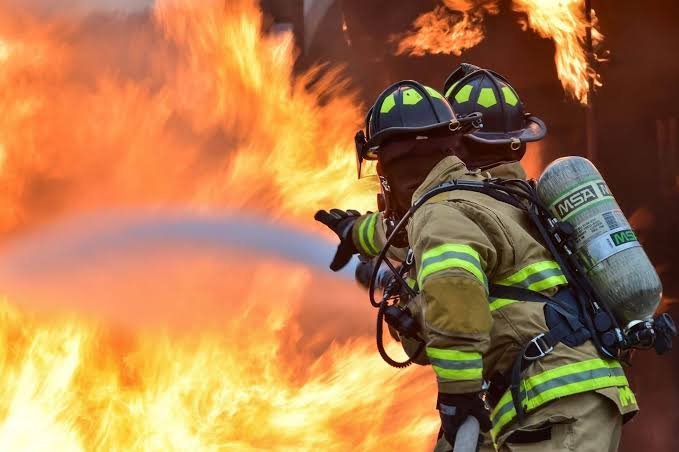
Wildfires are among the most challenging environmental emergencies because they can spread across forests, grasslands, hillsides, and rural areas, threatening human lives, wildlife, homes, and natural resources. A small fire that begins with a discarded cigarette, an unattended campfire, or a spark from equipment can grow rapidly when dry vegetation, strong winds, and high temperatures create favourable conditions.
In Pakistan, forests and mountainous regions provide valuable environmental, economic, and social benefits. They support biodiversity, protect soil, help regulate local climates, and provide livelihoods for nearby communities. However, forest fires can damage these resources and create serious risks for people living near forested areas.
Wildfire safety involves much more than extinguishing flames after a fire begins. It includes prevention, early detection, public awareness, emergency planning, coordinated response, and recovery. Technology also plays an important role. While a conventional fire alarm system in Pakistan is generally designed to protect buildings and their occupants, specialised sensors, cameras, satellite monitoring, and alert networks can help detect and report fires across larger outdoor areas.
Understanding how wildfires start, how they spread, and how communities can prepare is essential for reducing their impact. This article explores the importance of wildfire safety, practical prevention measures, early-warning technology, and the responsibilities of individuals, organisations, and authorities in Pakistan.
1. Understanding Wildfires and Their Causes
A wildfire is an uncontrolled fire that spreads through vegetation such as grass, shrubs, trees, and dry leaves. Unlike a controlled fire used for an authorised purpose, a wildfire can move beyond its intended area and threaten nearby communities.
Wildfires can begin through natural events, including lightning, or through human activities. In many situations, careless behaviour creates an avoidable ignition source.
Common causes include:
- Unattended campfires and outdoor cooking fires.
- Cigarettes or matches discarded in dry vegetation.
- Burning agricultural waste or rubbish without appropriate precautions.
- Sparks from machinery, vehicles, or electrical equipment.
- Deliberate fire-setting.
- Lightning during dry conditions.
Once a fire starts, several factors determine how quickly it spreads. Dry vegetation provides fuel, wind supplies oxygen and carries embers, and steep terrain can make firefighting more difficult.
High temperatures and prolonged periods without rain can dry out vegetation, increasing its flammability. Changing weather patterns may also affect the length and severity of fire-prone periods in some regions.
Recognising these risks helps communities take preventive action before a fire becomes difficult to control.
2. Why Wildfire Safety Matters in Pakistan
Pakistan has forests, scrubland, grasslands, and mountainous landscapes that support wildlife and local communities. Forest fires can damage these environments, destroy vegetation, threaten property, and disrupt livelihoods.
Mountainous and forested areas can present particular challenges because steep slopes, limited road access, and remote locations may delay emergency response. Strong winds and dry vegetation can also make an incident more difficult to contain.
Wildfire smoke creates another concern. Smoke can affect air quality and cause breathing difficulties, especially for children, older adults, and people with existing respiratory conditions. Fires can also damage habitats, reduce soil stability, and increase erosion.
Communities near forests may face risks to homes, livestock, farms, roads, and essential infrastructure. A fire may also interrupt tourism and other local economic activities.
Effective wildfire safety therefore requires cooperation between government departments, emergency services, forest managers, property owners, community organisations, and residents.
Pakistan’s National Disaster Management Authority (NDMA) has published forest fire guidance emphasising preparedness, coordinated response, monitoring, and rehabilitation. These measures help demonstrate why wildfire management should be treated as an ongoing responsibility rather than an activity that begins only after flames appear.
3. Preventing Wildfires Before They Start
Prevention is one of the most effective ways to reduce wildfire damage. Although not every fire can be prevented, responsible behaviour and good land management can lower the likelihood of accidental ignition.
Avoid unsafe outdoor burning
Open fires should not be started in or near dry vegetation where they could spread. People should follow local restrictions and official instructions, particularly during hot, dry, or windy weather.
Agricultural waste and rubbish should be handled using methods permitted by local authorities. Burning vegetation without proper authorisation or suitable safeguards can allow flames to escape and spread into surrounding areas.
Dispose of cigarettes and matches responsibly
Burning cigarettes and matches should never be discarded in grass, forests, or other combustible materials. Visitors to parks, forests, and picnic areas should use designated disposal facilities where available.
Use equipment responsibly
Machinery and vehicles can create sparks or heat capable of igniting dry vegetation under certain conditions. Equipment should be maintained and operated according to the manufacturer’s instructions and relevant safety requirements.
Workers involved in forestry, farming, construction, or land management should receive suitable training on fire prevention and reporting procedures.
Protect surrounding areas
Property owners near fire-prone vegetation should keep access routes clear and follow local guidance on managing dry plant material around buildings. Any vegetation management should respect environmental requirements and avoid creating new hazards.
These precautions are especially important when official warnings indicate elevated wildfire risk.
4. The Importance of Early Fire Detection
Early detection can make a significant difference in wildfire response. When a fire is identified while it remains relatively small, emergency teams may have a better opportunity to assess the situation, warn nearby communities, and organise a response before conditions worsen.
Traditional observation methods, such as patrols and lookout points, can help identify smoke or flames. Modern technology provides additional ways to monitor large or difficult-to-access areas.
Remote sensors and cameras
Specialised outdoor sensors can monitor environmental conditions or identify indicators associated with fire. Cameras equipped with suitable detection technology may help identify smoke or visible flames.
The Punjab Forest Department has described an AI-based early-detection initiative intended to identify forest fires and transmit alerts to a control room. Such systems illustrate how technology can support faster awareness and more targeted response.
Satellite monitoring
Satellite imagery can help authorities identify possible fire activity across extensive regions. Remote sensing can also assist with mapping affected areas and assessing the extent of damage after an incident.
Satellite information is particularly useful in remote locations where continuous ground observation is difficult. However, detection capability varies according to the technology, environmental conditions, and the size and intensity of the fire.
Geographic information systems
Geographic information systems (GIS) can combine maps, vegetation information, terrain, weather data, and previous fire records. This information can help authorities identify areas that may require additional monitoring or preparedness measures.
Early detection does not prevent every fire from spreading, and automated alerts require verification and an appropriate response. Its value lies in providing timely information that supports informed decisions.
5. How Fire Alarm Systems Fit into Wildfire Safety
A conventional fire alarm system is primarily designed to detect a fire within a building or protected premises and warn occupants. It may include smoke or heat detectors, manual call points, alarm sounders, visual indicators, and a control panel.
A properly selected and maintained fire alarm system in Pakistan can help protect homes, hotels, offices, schools, hospitals, and other buildings located in areas exposed to wildfire risk.
For example, if smoke enters a building or a fire starts inside a property threatened by a nearby wildfire, suitable detection equipment may alert occupants so they can follow the emergency plan.
However, ordinary indoor smoke detectors are not a substitute for a forest-wide detection network. Outdoor wildfire monitoring often requires specialised sensors, cameras, remote communications, weather information, and systems designed for large geographical areas.
The two approaches serve complementary purposes:
- Building fire alarms: Warn occupants about a detected fire within the protected building or premises.
- Outdoor detection systems: Help identify possible fires in forests, grasslands, and other monitored areas.
- Public warning systems: Communicate relevant hazards and protective instructions to people who may be affected.
- Emergency communication networks: Help responders share information about fire locations, changing conditions, and access routes.
When these systems are planned appropriately, they can support a more coordinated approach to fire safety.
Property owners should choose building fire protection equipment according to the premises, applicable requirements, and professional advice. Forest managers and authorities need detection and communication arrangements suited to the size, terrain, and risks of the outdoor environment.
6. Preparing Communities Near Forests
People living close to forests or other fire-prone landscapes should understand the risks in their area and know how to respond to official warnings.
Community preparedness can begin with identifying vulnerable locations, maintaining reliable communication channels, and making sure residents know where to obtain emergency information.
Develop a community emergency plan
A community plan should identify responsibilities, emergency contacts, safe evacuation arrangements, and methods for warning residents. It should also consider people who may need assistance, including young children, older adults, and people with disabilities.
Residents should know which roads or routes local authorities recommend using during an emergency. Because wildfire behaviour can change quickly, evacuation decisions should follow current official instructions rather than assumptions based on familiar routes.
Keep access routes usable
Roads and access points used by emergency vehicles should be maintained according to the responsibilities of the relevant authorities and property managers.
Community members should avoid parking in ways that obstruct emergency access. Clear routes can help firefighters and other responders reach affected areas more efficiently.
Share reliable information
Rumours and unverified reports can create confusion during a wildfire. Communities should rely on official alerts and information from the relevant disaster management authorities, forest departments, and emergency services.
Residents who observe a possible wildfire should report it promptly through the appropriate local emergency channel. They should provide the location as accurately as possible and avoid approaching the fire to investigate.
7. Creating a Safer Environment Around Homes and Buildings
Buildings close to forests, grasslands, or scrubland may face additional risks during wildfire conditions. Preparation should focus on reducing avoidable hazards and making evacuation possible.
Where appropriate, property owners should remove accumulated dry leaves and other combustible debris from building entrances, gutters, and immediate surroundings. They should keep emergency access routes clear and store flammable materials safely.
Roofs, windows, doors, and ventilation openings should be maintained according to suitable building and fire safety guidance. The right protective measures depend on the building design, local conditions, and the level of risk.
Fire detection and alarm equipment should be inspected and maintained according to the manufacturer’s instructions and applicable requirements. Buildings with larger occupancy levels or more complex fire protection needs may require professional assessment and integrated safety systems.
Residents should also know how to receive emergency alerts. A working phone, accessible emergency contacts, and a household evacuation plan can be valuable when authorities issue a warning.
No individual measure can make a property completely immune to wildfire. A combination of maintenance, appropriate construction, detection, preparedness, and timely evacuation offers a more effective approach.
8. Safe Actions During a Wildfire Emergency
When a wildfire threatens a community, personal safety should take priority over property or belongings.
People should monitor official alerts and follow evacuation instructions promptly. They should not wait until flames are visible nearby if authorities have advised them to leave.
Important actions include:
- Follow official warnings. Use information from relevant disaster management authorities and emergency services.
- Leave when instructed. Follow the evacuation arrangements and routes recommended by local authorities.
- Avoid smoke and flames. Smoke can affect visibility and breathing, while wind can carry embers beyond the visible fire.
- Keep emergency contacts accessible. Inform family members of the plan when it is safe to do so.
- Help vulnerable people when safe. Follow the agreed arrangements for children, older adults, and people who need assistance.
- Do not approach the fire. Leave firefighting to trained and properly equipped personnel.
- Do not return prematurely. Wait for official confirmation that the area is safe before going back.
If evacuation is necessary, people should not delay their departure to collect non-essential belongings. If someone cannot leave safely, they should contact emergency services immediately and follow the instructions provided.
Conditions can change quickly, so people should avoid relying on outdated information or attempting to predict a fire’s direction themselves.
9. The Role of Firefighters and Emergency Authorities
Wildfire response requires trained personnel, suitable equipment, reliable communication, and coordination among responsible organisations.
Forest departments can help assess fire risks, monitor vulnerable areas, maintain relevant management plans, and coordinate prevention efforts. Disaster management authorities can support preparedness planning and coordination when incidents exceed local response capacity.
Fire and rescue personnel assess hazards, protect people, and work to control fires when conditions allow. Depending on the incident, other organisations may assist with warnings, evacuations, medical support, access arrangements, and recovery.
Successful response also depends on accurate information. Reports about fire location, weather conditions, access limitations, and nearby communities can help authorities determine priorities.
Members of the public should not attempt to fight a large or rapidly spreading wildfire. Untrained intervention can expose people to smoke, changing winds, and unpredictable fire behaviour. The safest contribution is to prevent avoidable ignitions, report hazards, follow official instructions, and allow trained teams to perform emergency operations.
10. Wildfire Recovery and Long-Term Prevention
The impact of a wildfire may continue after the flames have been extinguished. Damaged vegetation, unstable ground, affected water sources, and damaged infrastructure can create additional challenges.
Recovery begins with assessing the affected area and identifying immediate safety concerns. Authorities and qualified specialists may need to examine damaged buildings, roads, trees, and other infrastructure before people can safely return.
Environmental recovery may involve monitoring soil erosion, protecting waterways, supporting natural regeneration, and restoring damaged habitats. Appropriate restoration methods depend on the ecosystem and the severity of the fire.
Communities can also review their response after an incident. Identifying gaps in warning systems, access arrangements, communication, and preparedness can help improve future plans.
Long-term prevention requires regular risk assessment, public education, responsible land management, suitable technology, and coordination between relevant organisations.
In Pakistan, continued attention to forest fire preparedness is particularly important for protecting natural resources and the communities that depend on them.
Conclusion
Wildfire safety is a shared responsibility that begins long before a fire appears. Preventing accidental ignitions, monitoring vulnerable areas, educating the public, and preparing communities can all help reduce the impact of these emergencies.
Technology plays an increasingly important role. Specialised outdoor detection systems can help identify possible forest fires, while building fire alarms can warn occupants when a fire is detected within protected premises. Public warning and emergency communication systems help connect information with the people who need it.
For organisations and property owners, choosing appropriate fire protection equipment and maintaining it correctly are essential steps. For individuals, following fire restrictions, reporting suspected fires, and responding promptly to official warnings can make a meaningful difference.
In Pakistan, effective wildfire management depends on cooperation among communities, forest departments, disaster management authorities, and emergency services. Through prevention, early detection, responsible behaviour, and careful planning, it is possible to strengthen preparedness and better protect lives, property, and the natural environment.
Frequently Asked Questions (FAQs)
1. What is wildfire safety?
Wildfire safety includes measures used to prevent uncontrolled vegetation fires, detect them early, protect people and property, and coordinate emergency response. It also includes public education, evacuation planning, and recovery after a fire.
2. What are the main causes of wildfires?
Wildfires can begin through natural events such as lightning or human activities such as unattended campfires, discarded cigarettes, unsafe outdoor burning, equipment-related sparks, and deliberate ignition. Dry vegetation, wind, and hot weather can contribute to their spread.
3. How does early detection help prevent wildfire damage?
Early detection provides information about a possible fire sooner, allowing authorities to assess the situation, issue warnings where necessary, and organise a response. Sensors, cameras, satellite monitoring, and ground patrols can all contribute to detection.
4. Can a fire alarm system protect a property near a forest?
A suitable building fire alarm system can warn occupants when it detects a fire within its protected area. However, conventional indoor alarms are not designed to monitor an entire forest. Properties near wildfire-prone areas also need appropriate preparedness measures and reliable access to official alerts.
5. What should people do when a wildfire threatens their area?
People should follow official warnings, evacuate promptly when instructed, avoid smoke and flames, and use the routes recommended by local authorities. They should not approach the fire or return to an evacuated area until officials confirm it is safe.