
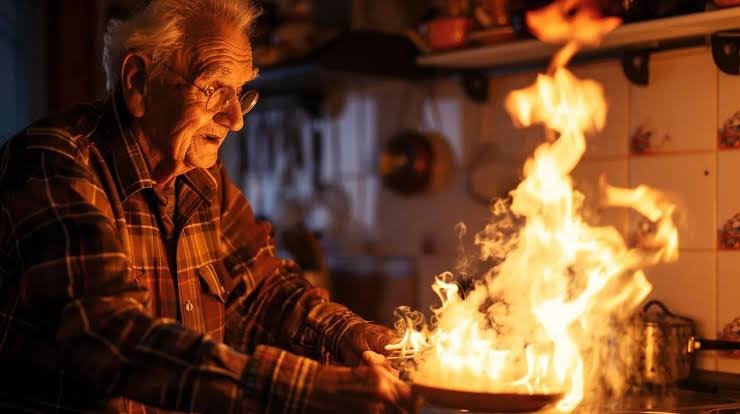
Fire emergencies can happen at any time, whether at home, in an apartment building, a hospital, or a care facility. Although fire safety is important for everyone, older adults may face additional challenges when responding to a sudden fire. Limited mobility, reduced hearing or vision, certain medical conditions, and difficulty moving quickly can make it harder to recognise danger and reach a safe place.
In Pakistan, where many families live with elderly parents or grandparents, preparing for fire emergencies is an important part of protecting loved ones. Simple precautions, including working smoke alarms, clear escape routes, safe electrical installations, and a well-practised emergency plan, can significantly improve safety.
A reliable fire alarm system in Pakistan can provide an early warning when smoke or fire is detected, giving residents more time to respond. However, alarms are most effective when combined with accessible exits, suitable equipment, regular maintenance, and assistance for people who may need extra support.
Understanding the specific needs of older adults helps families, caregivers, building managers, and communities create safer environments. This guide explains why elderly fire safety matters, how to prevent common hazards, and what practical measures can help protect older people during an emergency.
1. Why Fire Safety Is Especially Important for the Elderly
Ageing does not automatically make someone unable to respond to an emergency. However, some older adults experience changes that can affect how quickly they detect a fire, understand a warning, or evacuate a building.
For example, a person who uses a walking stick, walker, or wheelchair may need additional time to reach an exit. Someone with hearing difficulties might not notice a conventional smoke alarm, particularly while sleeping. Poor lighting or reduced eyesight can also make it difficult to identify an escape route.
Certain medications or health conditions may affect alertness, balance, or decision-making. Older people who live alone may face another challenge because no one is immediately available to provide assistance.
These circumstances make preparation essential. Families should discuss fire safety with elderly relatives respectfully and involve them in decisions about alarms, emergency contacts, and evacuation arrangements.
The aim is not to limit independence. Instead, it is to identify possible difficulties in advance and make sure the person has practical ways to respond safely.
2. Common Fire Hazards in Pakistani Homes
Many residential fires begin with everyday activities or equipment. Identifying these hazards is one of the most effective ways to reduce risk.
Electrical faults and overloaded sockets
Electrical appliances, damaged wiring, loose connections, and overloaded extension boards can create fire hazards. Older buildings may also have electrical installations that require professional inspection.
Families should avoid connecting too many high-power appliances to one socket. Damaged plugs, frayed wires, and unusually hot outlets should be checked by a qualified electrician. Electrical repairs should never be attempted by an untrained person.
Cooking accidents
Cooking is a common source of residential fire risk. An unattended stove, overheated cooking oil, or a cloth placed too close to a flame can start a fire.
Older adults who experience memory difficulties or become tired while cooking may benefit from simple precautions, such as using a timer, preparing meals when assistance is available, and switching off appliances immediately after use.
Flammable items should be kept away from cooking surfaces. If a cooking fire occurs, people should not throw water onto burning oil. They should move away from the danger, alert others, and call the local fire service.
Gas appliances and cylinders
Gas leaks, faulty connections, and poorly maintained appliances can create serious hazards. Gas equipment should be installed and inspected by qualified professionals, with suitable ventilation provided according to the appliance requirements.
If a gas leak is suspected, everyone should move away from the affected area and contact the appropriate emergency service or gas provider from a safe location. Avoid flames and do not operate electrical switches in the suspected leak area.
Heaters and other heat-producing equipment
Portable heaters, irons, and other hot appliances can ignite nearby materials if used carelessly. Keep curtains, bedding, clothing, and paper products away from heat sources.
Heaters should be used according to their manufacturers’ instructions and never left operating unattended when this is prohibited or unsafe.
3. The Role of a Fire Alarm System in Protecting Older Adults
Early warning is particularly important when a person needs additional time to evacuate. A fire alarm system detects signs of fire and alerts occupants so they can take appropriate action.
Depending on the building and system design, fire detection equipment may include smoke detectors, heat detectors, manual call points, audible alarms, visual indicators, and a central control panel.
A properly designed fire alarm system in Pakistan can help protect elderly residents in houses, apartment buildings, hospitals, assisted-living environments, and other occupied premises.
Early detection provides more time
Smoke can spread rapidly through a building. An alarm that activates early can alert residents before a fire blocks an escape route.
This additional warning time may be especially valuable for someone who walks slowly, needs help transferring from a bed or chair, or requires a caregiver to assist with evacuation.
Audible and visual alerts improve accessibility
Not everyone can hear a standard alarm clearly. Older adults with hearing difficulties may benefit from suitable visual alarm devices, flashing indicators, or other accessible alerting equipment.
Where appropriate, specialised devices can also provide alerts through vibration. The best arrangement depends on the person’s needs and the building’s design.
Alarm placement matters
Smoke alarms should be installed in suitable locations according to the manufacturer’s instructions and applicable building requirements. Sleeping areas deserve particular attention because residents may be less likely to notice a developing fire while asleep.
Larger residential buildings may require an integrated fire detection and alarm system rather than relying solely on individual household alarms.
Regular testing is essential
An alarm that has a depleted battery, damaged detector, or disconnected power supply may fail when needed. Families and building managers should follow the manufacturer’s testing and maintenance instructions.
For larger buildings, qualified fire safety professionals should inspect and maintain the system according to the applicable requirements.
An alarm is an early-warning tool, not a guarantee of escape. It must be supported by a practical evacuation plan and clear communication.
4. Creating an Accessible Fire Escape Plan
An emergency plan should reflect the actual abilities and needs of every person in the household. A plan that works for a healthy adult may not be suitable for someone who uses a wheelchair or needs assistance walking.
Identify safe exits
Identify the safest available exit from each commonly used room. Where feasible and appropriate, identify an alternative route in case the primary exit is blocked.
Keep doors, corridors, stairways, and other escape routes free from furniture, stored items, and electrical cables.
Never assume that an elderly resident will be able to use stairs quickly during an emergency. If a person lives above ground level and cannot use stairs independently, the building needs an appropriate evacuation arrangement developed with qualified fire safety personnel.
Keep mobility aids accessible
Walking sticks, walkers, wheelchairs, glasses, hearing aids, and essential communication devices should be kept in consistent, accessible places.
For someone who needs a mobility aid to move safely, leaving it across the room can create an additional obstacle during an emergency. Arrange the sleeping area so essential items can be reached without unnecessary movement.
Choose a safe meeting point
Every household should identify a meeting point outside the building, away from smoke, fire, and emergency vehicle access routes.
Family members should know where to meet and how to contact one another. Once outside, nobody should re-enter the building to collect belongings or search for missing occupants. Tell emergency responders if someone may still be inside.
Practise the plan
Discuss and practise the escape plan with everyone who may be present, including caregivers and other family members.
Practice should be calm, accessible, and adapted to the older person’s abilities. Do not require someone to perform a manoeuvre that could cause a fall or injury. If a route is not practical, seek professional advice about safer arrangements.
5. Preventing Falls During an Emergency
During a fire, smoke, confusion, and poor visibility can make movement dangerous. Falls are a particular concern for older adults who have balance difficulties or use mobility aids.
Families can reduce these risks by maintaining clear walking areas and installing suitable lighting. Handrails should be secure, and loose rugs or other tripping hazards should be removed from escape routes.
Emergency lighting is important in buildings where ordinary lighting may fail during a power interruption. Exit signs should be visible and placed according to applicable safety requirements.
Night-time preparation is equally valuable. Keep a phone and essential mobility aids within reach, and make sure the route from the bedroom to the exit is not obstructed.
Caregivers should avoid rushing an elderly person in a way that increases the risk of falling. The evacuation plan should allow for realistic movement speeds and the assistance the person may need.
6. Everyday Habits That Reduce Fire Risk
Good daily habits can prevent many fires before an emergency develops.
In the kitchen:
- Stay in the kitchen while frying or cooking food that requires supervision.
- Keep towels, paper, and loose clothing away from flames and hot surfaces.
- Turn off cooking appliances after use.
- Use a timer when helpful and arrange assistance if fatigue or memory problems make cooking unsafe.
Around electrical equipment:
- Avoid overloaded sockets and unsuitable extension boards.
- Stop using appliances with damaged cables or plugs.
- Keep electrical equipment away from water.
- Arrange professional inspections when wiring or outlets show signs of damage.
With candles and smoking materials:
- Never leave a burning candle unattended.
- Keep flames away from curtains, bedding, and other combustible materials.
- If someone smokes, establish safe practices and keep smoking materials away from oxygen equipment.
With heaters:
- Follow the manufacturer’s operating instructions.
- Keep combustible materials away from heating equipment.
- Do not use equipment with damaged cables or unstable connections.
- Switch off appliances when they are no longer required, where appropriate.
These precautions should be explained in a supportive way. Older adults should be involved in identifying changes that make everyday activities safer without unnecessarily restricting their independence.
7. How Families and Caregivers Can Help
Family members and caregivers play an important role in making fire safety practical. They can check hazards, help maintain alarms, support evacuation planning, and ensure that emergency contact information is easy to find.
A useful first step is to discuss the person’s needs. Can they hear an alarm? Can they move to an exit without assistance? Do they need a wheelchair, walker, or help transferring from bed to chair? Can they use a telephone during an emergency?
The answers can guide decisions about accessible alarms, room arrangements, communication methods, and support from neighbours or caregivers.
For older adults who live alone, a trusted neighbour or relative may agree to check on them during an emergency. This arrangement should be discussed in advance and should not replace a reliable means of alerting emergency services.
Caregivers should also know the person’s preferred communication method and any assistance required for evacuation. If the person has limited mobility, building management and fire safety professionals may need to help develop a suitable plan.
The goal is to prepare in advance rather than trying to solve accessibility problems after a fire has started.
8. Fire Safety in Apartments, Hospitals, and Care Facilities
Older adults may live in independent homes, multi-storey apartments, hospitals, residential care facilities, or buildings shared with many other occupants. Each environment presents different challenges.
Apartment buildings
Apartment residents should know the building’s alarm signals, designated exits, assembly area, and emergency procedures.
Corridors and stairwells must remain clear. Building managers should ensure that fire detection equipment, emergency lighting, fire doors, and other required systems are maintained.
Residents should never assume that an elevator is safe to use during a fire. They should follow the building’s emergency instructions and the advice of emergency responders.
Hospitals and care facilities
Facilities that support older people may have residents who cannot evacuate independently. Fire safety planning must account for staffing levels, accessible evacuation routes, communication needs, and the equipment used to assist residents.
Staff should receive appropriate training and participate in drills according to the facility’s procedures and applicable regulations.
Fire alarm systems, emergency lighting, firefighting equipment, and evacuation arrangements must be maintained and checked by competent personnel.
Shared responsibility
Building owners, managers, caregivers, residents, and visitors all have a role in safety. Effective planning requires clear responsibilities, suitable equipment, and communication that everyone can understand.
In Pakistan, applicable fire safety obligations can vary according to location, building type, occupancy, and the authority responsible for enforcement. Property owners and managers should consult the relevant local authorities and qualified professionals.
9. Fire Safety Requirements and Preparedness in Pakistan
Fire safety should be considered during building design, renovation, occupancy, and ongoing maintenance. The Building Code of Pakistan — Fire Safety Provisions 2016, published by the Pakistan Engineering Council, provides a national reference for fire safety provisions.
Punjab Civil Defence also identifies measures such as fire detection and alarm systems, firefighting arrangements, emergency exits, and evacuation plans within its inspection responsibilities for relevant premises.
These references highlight why alarms alone are not enough. A safe building needs an appropriate combination of detection, warning, escape routes, emergency planning, and maintained equipment.
Families should ensure that home alarms are suitable for the property and installed according to the manufacturer’s instructions. Owners and managers of larger buildings should determine which standards, approvals, inspections, and maintenance requirements apply to their premises.
When choosing a fire alarm system, consider the building’s layout, the number of occupants, the needs of elderly residents, backup power requirements, alarm audibility, and access for maintenance.
A qualified fire safety professional can assess these factors and recommend a system suited to the building rather than relying on a one-size-fits-all solution.
10. What to Do When a Fire Emergency Occurs
A clear response plan can help prevent confusion when an alarm sounds.
- Treat the alarm seriously. Do not ignore it or delay leaving to investigate a suspected fire.
- Alert others if it is safe to do so. Make sure the elderly person receives the warning in a way they can understand.
- Use the planned escape route. Move away from smoke and fire, and use the assistance arranged in advance.
- Avoid unsafe routes. Do not enter smoke-filled corridors or use an elevator unless emergency personnel specifically direct you to do so.
- Call for emergency assistance from a safe location. Give responders the building address and explain if someone may need help evacuating.
- Stay outside. Do not return for money, documents, medicines, or other belongings.
- Tell responders about anyone who may remain inside. Provide their location and describe any mobility or communication needs, if known.
If an elderly person cannot evacuate independently, caregivers should follow the pre-arranged assistance plan and communicate their location to emergency responders. They should not put themselves in serious danger by entering a burning or smoke-filled area.
The exact response depends on the circumstances and the building’s emergency procedures. The safest priority is to get away from immediate danger and obtain professional assistance.
Conclusion
Fire safety for the elderly is an essential part of protecting families and communities. Older adults may need additional time, accessible warnings, clear escape routes, or assistance during an emergency, but thoughtful preparation can address many of these challenges.
Working smoke alarms, an appropriate fire alarm system, safe electrical and cooking practices, accessible mobility aids, and a rehearsed evacuation plan all contribute to a safer environment. Families and caregivers should review these measures regularly and adapt them when a person’s needs change.
In Pakistan, households and building managers should also consider relevant fire safety provisions and consult qualified professionals when installing or maintaining fire protection equipment.
The most effective approach combines prevention, early warning, accessibility, and preparation. By taking these steps before an emergency occurs, families can help elderly loved ones respond more safely and preserve their dignity and independence.
Frequently Asked Questions (FAQs)
1. Why is fire safety important for elderly people?
Older adults may have difficulty hearing alarms, seeing escape routes, or moving quickly during an emergency. Accessible warnings, clear exits, and a suitable evacuation plan can help them respond more safely.
2. How does a fire alarm system help protect elderly residents?
A fire alarm system provides an early warning when a fire is detected. This gives residents and caregivers more time to begin evacuation. Visual or specialised alerting devices may be useful for people who cannot hear conventional alarms.
3. What fire safety equipment should elderly people have at home?
Suitable smoke alarms, accessible emergency lighting where needed, and appropriate fire protection equipment can improve safety. The correct arrangement depends on the property, applicable requirements, and the resident’s needs. Equipment should be installed and maintained properly.
4. How can families prepare elderly relatives for a fire emergency?
Families can identify safe exits, remove tripping hazards, keep mobility aids accessible, practise an evacuation plan, and agree on emergency contacts. They should also check that the person can recognise and respond to the alarm.
5. What should an elderly person do when a fire alarm sounds?
They should treat the alarm seriously, follow their planned escape route, and seek the pre-arranged assistance if needed. They should move away from smoke and fire, call emergency services from a safe location, and never re-enter the building until authorities say it is safe.