
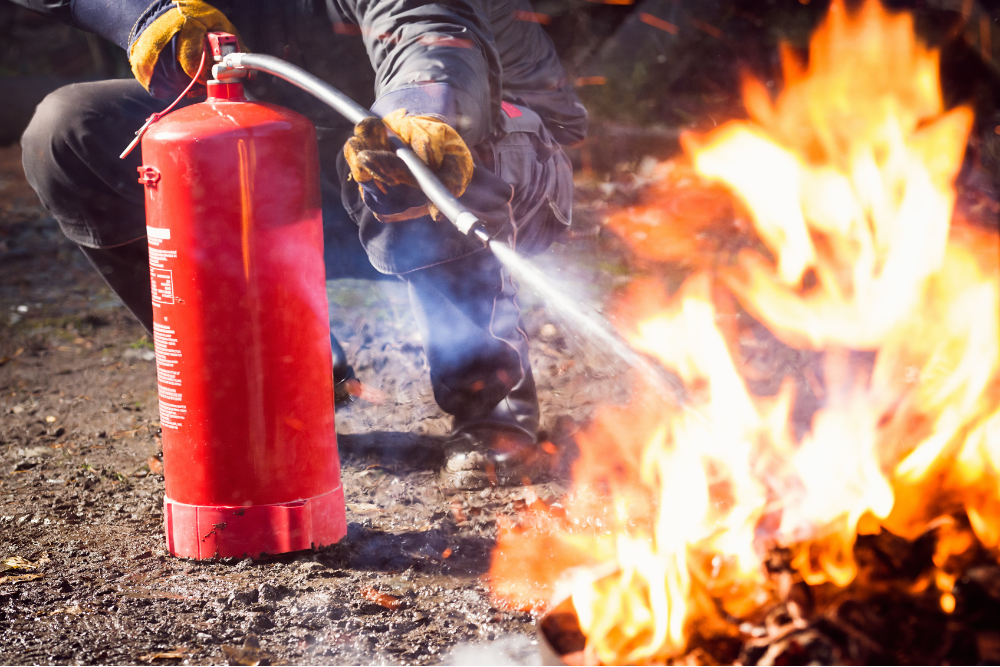
Factories play an important role in Pakistan’s economy. They manufacture textiles, clothing, food products, construction materials, electronics, chemicals, and many other goods that people use every day. However, industrial workplaces can also contain fire hazards, including electrical equipment, machinery, combustible materials, gas installations, and flammable substances.
Factory fire safety is not only a concern for factory owners and employees. It matters to families, too. A workplace fire can affect workers’ health, household income, surrounding homes, and the wider community. When a fire causes injuries, property damage, or an interruption to business, the consequences can continue long after the flames are extinguished.
Understanding basic fire safety helps families ask informed questions, recognise unsafe practices, and support a culture in which human life comes before production targets.
A properly designed fire alarm system in Pakistan can provide early warning in an industrial building, while suitable firefighting equipment, clear escape routes, staff training, and regular inspections help support an effective emergency response.
This article explains what every family should know about factory fire safety, how fires can start, what protection measures matter, and how workers and their loved ones can contribute to safer workplaces.
1. Why Factory Fire Safety Matters to Every Family
A factory fire can affect far more people than those present inside the building. Employees may be parents, caregivers, siblings, or the main earners for their households. An industrial incident can therefore affect an entire family financially and emotionally.
The impact can extend to neighbouring businesses and residential areas, especially when smoke spreads or emergency vehicles need access to nearby roads.
Factories may also operate with large quantities of raw materials, packaging, machinery, or finished goods. If these materials catch fire, the incident can become difficult to control.
Good fire safety arrangements help reduce these risks through prevention, early detection, suitable protection systems, and safe evacuation procedures.
Families do not need specialist engineering knowledge to understand the basic principles. They can encourage workers to report unsafe conditions, ask whether emergency training is provided, and support employers who take workplace safety seriously.
2. Understand the Common Causes of Factory Fires
Factories differ in their operations, so their fire hazards are not identical. A textile mill may have large quantities of fibres and fabric, while a food-processing facility may use cooking equipment, oils, and electrical machinery. A chemical plant may have additional hazards associated with the materials it handles.
Several risks occur across many types of industrial workplaces.
Electrical faults
Damaged cables, unsuitable electrical connections, overloaded circuits, and poorly maintained machinery can create heat or sparks that ignite nearby materials.
Factories should arrange suitable electrical inspections and have repairs completed by qualified personnel. Workers should report damaged equipment rather than attempting unauthorised repairs.
Unsafe storage
Paper, cardboard, fabric, packaging, and other combustible materials can allow a fire to spread when stored carelessly.
Storage areas should be organised, waste should be managed properly, and combustible materials should be kept away from ignition sources according to the site’s safety procedures.
Hot work
Activities such as welding, cutting, and grinding can produce sparks and heat. If these activities take place near combustible materials, they can create a fire risk.
Factories should use appropriate hot-work procedures, including risk assessment, suitable authorisation where required, and precautions appropriate to the work area.
Gas and fuel hazards
Gas installations, fuel storage, and some industrial processes require specific precautions. Leaks, damaged equipment, or unsafe handling can create serious fire risks.
Qualified personnel should inspect and maintain relevant systems. Workers should follow site procedures for reporting suspected leaks and responding to abnormal conditions.
Poor housekeeping
Accumulated waste, obstructed corridors, blocked exits, and improperly stored materials can increase fire risk or make evacuation more difficult.
Good housekeeping is therefore an essential part of everyday workplace safety, not merely a matter of appearance.
3. Know the Role of a Fire Alarm System
A fire alarm system is designed to warn occupants when a fire-related condition is detected or when a manual alarm is activated. Depending on the building, the system may include smoke detectors, heat detectors, manual call points, a control panel, and audible or visual warning devices.
In a factory, an alarm can be especially important because machinery noise, large floor areas, multiple rooms, and shift work may make it difficult for every worker to notice a developing fire.
A suitable fire alarm system in Pakistan should be selected according to the factory’s layout, activities, occupancy, hazards, and applicable requirements. Industrial premises may need a professionally designed system rather than relying on a few independent detectors.
Early warning
An alarm can alert workers to a possible fire before they would otherwise notice it. The warning gives occupants an opportunity to follow the established emergency procedure.
The actual time available depends on the circumstances of the fire, the detection equipment, and the building’s design. An alarm does not guarantee that everyone will escape safely, which is why evacuation planning and maintenance matter.
Audible and visual notifications
Factories may need different notification arrangements for different work areas. Audible alarms should be suitable for the environment, and visual notification may be important in areas where workers cannot reliably hear a sound.
The system should be designed and tested by competent professionals to ensure that warnings can reach the intended occupants.
Regular testing and maintenance
An alarm that is disconnected, damaged, poorly maintained, or incorrectly configured may not provide the expected warning.
Factory management should arrange inspections, testing, fault reporting, and maintenance according to applicable requirements and manufacturer instructions. Workers should know how to report faults and should never disable alarm equipment without proper authorisation.
Families can ask whether their loved one’s workplace provides fire safety training and maintains its emergency equipment, without assuming that a visible alarm alone proves the whole building is safe.
4. Recognise the Importance of Fire Extinguishers and Other Equipment
Fire extinguishers can help control certain small fires when the correct type is available and a trained person can use it safely. Different extinguishers are intended for different hazards, so equipment selection should reflect the materials and processes present.
For example, water is unsuitable for some fires involving flammable liquids or energised electrical equipment. A factory’s fire protection arrangements should therefore be based on a proper assessment rather than a one-size-fits-all approach.
Other protection measures may include:
- Fire hose reels or hydrants, where required.
- Automatic sprinkler or other suppression systems, where appropriate.
- Emergency lighting and illuminated exit signs.
- Fire doors and suitable fire-resistant construction.
- Clearly marked and accessible manual alarm points.
- Emergency communication arrangements.
- Appropriate protective equipment for designated emergency personnel.
The exact equipment required depends on the facility’s risks, size, layout, and applicable building and workplace rules.
Equipment must remain accessible and in serviceable condition. Storing materials in front of an extinguisher or blocking access to a hydrant can prevent people from reaching it when needed.
Workers should receive instruction relevant to their roles. No one should be expected to fight a fire that is spreading, producing heavy smoke, or threatening their escape route.
5. Emergency Exits Must Always Be Accessible
A safe escape route is one of the most important elements of factory fire safety. Even a building with detection and suppression equipment can present serious risks if workers cannot leave promptly.
Factories should have appropriate escape routes for their layout and occupancy. Doors and corridors used for evacuation must be kept clear, and workers should know where the designated exits are located.
Emergency exits should not be blocked by stock, packaging, machinery, or temporary storage. Exit doors must comply with the applicable safety requirements and remain usable during occupancy.
Workers should be familiar with their nearest safe exit and any alternative route identified in the emergency plan.
In the event of a fire, employees should not delay evacuation to collect personal belongings, finish a task, or retrieve goods. They should follow the alarm and the site’s instructions.
If a route is affected by smoke or fire, they should not enter it to investigate. They should use a safe alternative if available and follow the established emergency procedure.
Families can reinforce one simple message: getting out safely is more important than saving property or equipment.
6. Fire Safety Training Helps Protect Workers
Having equipment is not enough if workers do not know what to do during an emergency. Training helps employees recognise hazards, understand alarms, follow evacuation procedures, and communicate concerns.
A suitable factory fire safety programme may cover:
- Identifying and reporting common fire hazards.
- Understanding alarm signals and emergency announcements.
- Knowing designated exits and assembly points.
- Understanding the purpose and limitations of fire extinguishers.
- Following procedures for gas leaks and other workplace hazards.
- Reporting damaged safety equipment.
- Participating in evacuation drills.
- Knowing how to contact emergency services.
Training should be relevant to the actual workplace. Employees working near machinery, flammable materials, or specialised industrial processes may need additional instruction related to their duties.
New workers should receive appropriate safety induction, and refresher training should be arranged when needed. Drills should be reviewed to identify problems with evacuation, communication, or access to exits.
Families may wish to discuss emergency preparedness with relatives who work in factories. Useful questions include whether employees know the assembly point, whether drills are conducted, and whether workers are encouraged to report safety concerns without fear of unfair treatment.
7. Understand Pakistan’s Factory Fire Safety Requirements
Pakistan’s fire safety framework includes the Building Code of Pakistan, Fire Safety Provisions 2016, along with relevant provincial workplace and building requirements. Which provisions apply depends on the location, building type, industrial activity, and authority responsible for oversight.
The Pakistan Engineering Council publishes the national fire safety provisions, which address areas such as fire protection systems, evacuation arrangements, and building safety.
Punjab Civil Defence identifies fire detection and alarm systems, firefighting arrangements, fire safety plans, emergency control facilities, and evacuation arrangements among the measures covered by its inspections of industrial and other premises. <Cite refs={[“turn277190search27″,”turn277190search0”]} />
Provincial laws and rules may contain additional requirements. For example, Sindh’s published workplace provisions address fire alarms, firefighting equipment, and escape arrangements. Factory operators should confirm their obligations with the relevant provincial authorities and qualified professionals. <Cite refs={[“turn277190search25”]} />
In September 2026, the Sindh Building Control Authority also issued directions urging factory owners to maintain approved firefighting equipment, reliable alarm systems, accessible emergency exits, and safe electrical installations. <Cite refs={[“turn277190search12”]} />
Families should understand that compliance is not simply about possessing a certificate or installing a piece of equipment. Effective safety depends on suitable design, ongoing maintenance, worker awareness, and actual readiness to respond.
8. How Families Can Support Workplace Fire Safety
Family members cannot replace factory management, inspectors, engineers, or trained safety personnel. However, they can encourage sensible habits and help loved ones recognise the importance of workplace protection.
Encourage workers to report hazards
If a family member mentions blocked exits, damaged electrical equipment, faulty alarms, or other serious concerns, encourage them to use the workplace’s established reporting process.
They should avoid taking unnecessary personal risks to investigate or repair a hazard.
Discuss emergency procedures
Ask whether your family member knows the workplace’s evacuation route and assembly point. Understanding the basic plan can help them feel more prepared.
Workers should know how to respond if an alarm sounds during a shift and whom to notify if safety equipment appears faulty.
Support safety training
Families can encourage relatives to attend required safety sessions and take evacuation drills seriously. Training is useful only when participants understand the information and apply it appropriately.
Avoid spreading unverified information
If a workplace incident occurs, rely on verified information from responsible authorities or reputable news sources. Avoid sharing unconfirmed names, casualty figures, or claims about the cause of the incident.
This protects affected families from unnecessary distress and helps prevent misinformation.
Know the appropriate emergency contact
Family members should know how to contact one another during an emergency, but they should not call workers repeatedly if doing so could distract them from evacuation or emergency instructions.
The factory’s emergency arrangements and the directions of responding authorities should take priority.
9. What Should Workers Do If a Factory Fire Occurs?
Every factory should have an emergency plan suited to its risks and layout. Workers should follow that plan and the instructions of designated emergency personnel.
In general, if a fire is discovered or the alarm sounds:
- Raise the alarm. Use the designated warning method if it is safe to do so.
- Evacuate promptly. Follow the designated safe route and do not delay to collect belongings.
- Warn others when safe. Do not put yourself in danger to search for people in hazardous areas.
- Avoid smoke and fire. Do not enter a smoke-filled space or attempt to pass through flames.
- Reach the assembly point. Follow instructions and allow designated staff to account for workers.
- Contact emergency services. Provide accurate information about the location and the nature of the incident.
- Stay outside. Do not re-enter until authorised emergency personnel confirm it is safe.
Extinguisher use should only be considered where the workplace procedure permits it, the person is trained, the fire is within safe limits, and a clear escape route remains available. Evacuation always takes priority when conditions are dangerous.
In areas served by Rescue 1122, that service may provide emergency assistance. Availability and contact arrangements vary across Pakistan, so workplaces should confirm the appropriate local emergency contacts in advance.
10. What Happens After a Factory Fire?
Fire safety does not end when the flames are extinguished. The period after an incident is important for supporting affected people, assessing damage, and preventing similar events.
Emergency responders may need to secure the area and determine whether the building is safe to enter. Workers should follow official instructions and avoid returning until permission is given.
Management and relevant authorities may investigate the cause of the fire, review equipment performance, and identify failures in procedures or maintenance. The exact process depends on the incident and applicable legal requirements.
Affected families may need reliable updates about workers’ safety, medical care, and the status of the workplace. Employers should communicate through appropriate channels while respecting privacy and avoiding unverified statements.
Before operations resume, responsible parties should address identified hazards and confirm that necessary repairs, inspections, and safety measures have been completed.
A serious incident can also provide lessons for other factories. Reviewing evacuation procedures, training, alarm performance, electrical maintenance, and storage practices can help reduce the likelihood of similar events.
Conclusion
Factory fire safety is a shared concern because the consequences of an industrial fire can extend beyond the workplace and affect entire families and communities. Understanding common hazards, recognising the purpose of alarms, keeping exits clear, and supporting worker training are important steps towards safer industrial environments.
Factories in Pakistan should follow the building and workplace safety requirements that apply to their operations. Their fire protection arrangements should include appropriate detection and warning systems, suitable firefighting equipment, clear escape routes, regular maintenance, and practical emergency planning.
A properly selected and maintained fire alarm system in Pakistan can help provide an early warning, but it cannot replace training, safe working practices, or a reliable evacuation plan.
Families can contribute by encouraging loved ones to take safety seriously, report hazards through appropriate channels, and learn their workplace emergency procedures. Ultimately, protecting people must remain more important than production schedules, equipment, or property.
Frequently Asked Questions
1. Why is factory fire safety important for families?
Factory fires can injure workers, interrupt household income, damage nearby property, and affect entire communities. Understanding workplace hazards and emergency procedures helps families support safer practices and better preparedness.
2. What are the common causes of factory fires in Pakistan?
Potential causes include electrical faults, unsafe storage of combustible materials, hot-work activities, gas or fuel hazards, and poor housekeeping. The specific risks depend on the factory’s industry, equipment, and working conditions.
3. What is the role of a fire alarm system in a factory?
A fire alarm system provides a warning when a fire-related condition is detected or a manual alarm is activated. It can help workers begin evacuation, but it must be properly designed, installed, tested, and maintained.
4. What should workers do when a factory fire alarm sounds?
Workers should follow the workplace emergency plan, leave through a safe designated exit, proceed to the assembly point, and follow instructions from emergency personnel. They should not delay evacuation to collect belongings or fight a dangerous fire.
5. Which fire safety rules apply to factories in Pakistan?
Applicable requirements depend on the province, building, industrial activity, and responsible authority. The Building Code of Pakistan, Fire Safety Provisions 2016, and relevant provincial workplace rules provide important guidance. Factory operators should confirm specific obligations with the relevant authority or a qualified fire safety professional.