
Renting a home, apartment, portion, or room does not remove the need to think about fire safety. Whether you live in a small rented house or a flat in a multi-storey building, understanding potential hazards and knowing how to respond to an emergency can help protect you, your family, and your neighbours.
In Pakistan, rental properties may have different layouts, electrical installations, heating arrangements, and fire protection facilities. Some buildings have smoke detectors, extinguishers, emergency lighting, and designated escape routes, while others may require improvements. Tenants may not own the property, but they can still identify hazards, report problems, and prepare an emergency plan.
A properly selected and maintained fire alarm system in Pakistan can provide an important warning when a fire-related condition is detected. However, alarms are only one part of fire safety. Safe electrical practices, suitable equipment, clear exits, and communication between landlords and tenants are also important.
This article explains ten essential things renters should know about fire safety, from checking a property before moving in to responding appropriately when an alarm sounds.
1. Check the Property for Fire Hazards Before Moving In
Before settling into a rental property, take time to understand its layout and identify obvious safety concerns. This does not mean carrying out technical inspections yourself. Instead, look for visible problems that should be discussed with the landlord or property manager.
Check whether doors and corridors are accessible, whether stairways are clear, and whether electrical sockets, switches, and visible cables appear damaged. Notice the location of cooking appliances, heaters, gas equipment, and electrical distribution boards.
Pay attention to storage areas and balconies. Boxes, furniture, rubbish, and other combustible materials should not obstruct exits or be stored carelessly near heat sources.
If you notice a burning smell, exposed wiring, damaged electrical fittings, or another serious hazard, report it promptly and avoid using the affected equipment until it has been assessed.
Renters should also ask whether the building has a fire safety plan and what procedures residents should follow during an emergency. Understanding these details before an incident occurs can reduce confusion later.
2. Understand the Fire Alarm and Smoke Detection Arrangements
Smoke alarms and fire alarm systems are important because occupants may not immediately notice a fire, particularly while sleeping or when they are in another room.
When moving into a rented property, ask the landlord or property manager about the available fire detection arrangements. Find out where the alarms are located, how residents are notified, and whom to contact if a device appears faulty.
A fire alarm system in Pakistan may include smoke or heat detectors, manual call points, a control panel, and audible or visual warning devices. The equipment required depends on the building’s size, occupancy, design, and applicable safety requirements.
Renters should remember these points:
- Do not cover, remove, or disable an alarm.
- Report a damaged detector or recurring fault.
- Ask who is responsible for testing and maintenance.
- Learn what the building’s alarm signal sounds like.
- Follow evacuation instructions whenever the alarm activates.
In apartment buildings, ask whether there are building-wide alarms and how occupants are expected to respond. Never assume that an alarm belongs to another flat or can safely be ignored.
The Pakistan Engineering Council’s Building Code of Pakistan, Fire Safety Provisions 2016 addresses fire protection and occupant safety, including responsibilities relating to the maintenance and testing of applicable systems. Requirements for a particular property should be confirmed with the relevant authority or a qualified professional.
3. Report Electrical Problems Immediately
Electrical faults can create serious fire hazards in rental properties. Damaged cables, loose sockets, unsuitable connections, and overloaded circuits can cause overheating or other dangerous conditions.
Tenants should use electrical appliances according to the manufacturer’s instructions and avoid connecting too many high-power appliances to a single extension lead or socket.
Watch for warning signs such as:
- Burning smells near sockets or electrical equipment.
- Plugs or sockets that become unusually hot.
- Sparks, buzzing, or visible damage.
- Repeated circuit breaker trips.
- Flickering lights associated with an electrical fault.
Do not attempt repairs to fixed wiring or electrical distribution boards unless you are appropriately qualified and authorised. Contact the landlord or property manager and arrange for a qualified electrician to investigate.
If there is smoke or an active electrical fire, move away, alert others if safe, and evacuate. Do not use water on electrical equipment that may still be energised.
A landlord should address reported electrical hazards promptly. Tenants should keep a record of important safety reports and any responses received.
4. Use Gas Appliances and Heaters Safely
Many households in Pakistan use gas appliances, electric heaters, or other heating equipment during colder months. These appliances need careful use because faulty connections, unsafe placement, and poor maintenance can increase fire risks.
Follow the manufacturer’s operating instructions and do not use cooking appliances as substitutes for room heaters. Keep curtains, bedding, paper, clothing, and furniture away from heating equipment.
Gas appliances and connections should be inspected or repaired by qualified personnel. Do not attempt improvised repairs or continue using equipment that appears damaged.
If you smell gas, do not light a flame or operate electrical switches in the affected area. Leave the area, warn others if safe, and contact the relevant gas emergency service from a safe location.
Renters should tell the landlord about suspected leaks, damaged connections, or appliances that are not operating properly. These concerns should be addressed before the equipment is used again.
Never assume that a gas appliance is safe simply because it worked correctly when you first moved in. Equipment condition and connections can change over time.
5. Keep Doors, Corridors, and Escape Routes Clear
A clear escape route can make a significant difference during an emergency. Smoke, poor visibility, and confusion can make it difficult to find a safe way out, especially in unfamiliar buildings.
Renters should identify the main exit and any suitable alternative route available to them. In apartment buildings, learn the location of the designated stairs and exits.
Avoid placing shoes, bicycles, furniture, cartons, or rubbish in shared corridors and stairways. Do not block fire doors or interfere with emergency exit mechanisms.
If an emergency exit is locked, obstructed, damaged, or difficult to open, notify the building manager or landlord immediately. If the problem creates a serious safety concern, seek assistance from the relevant building or safety authority.
During a fire, use the designated stairs rather than a lift unless the building has a specifically designed and authorised evacuation arrangement. Follow the building’s emergency plan and choose a route that is safe from smoke and fire.
If your normal route is blocked, do not enter a smoke-filled corridor to investigate. Follow your building’s emergency instructions and contact emergency services for assistance.
6. Understand Who Is Responsible for Fire Safety
Fire safety in a rental property involves both the owner or property manager and the people living in the building. Their exact legal obligations can depend on the property, tenancy arrangements, and applicable local requirements.
Landlords and building managers generally need to address relevant building maintenance and safety obligations. Depending on the property, this may include maintaining fire protection equipment, arranging repairs, keeping shared escape routes accessible, and providing information about emergency procedures.
Renters can contribute by using appliances safely, keeping their own spaces orderly, avoiding interference with safety equipment, and reporting hazards as soon as they notice them.
Useful questions to ask your landlord include:
- Are smoke alarms or other fire detection devices installed?
- Who arranges inspection and maintenance?
- Where are the building’s emergency exits?
- Is there a written evacuation plan?
- Who should be contacted about a fire safety fault?
- Are there specific instructions for residents during an emergency?
The Building Code of Pakistan’s Fire Safety Provisions identifies owners, operators, lessees, and occupants among those responsible for compliance with applicable provisions. This does not mean every tenant has identical duties; the requirements depend on the circumstances.
Clear communication can help prevent important safety issues from being overlooked.
7. Learn How to Respond When a Fire Alarm Sounds
A fire alarm is a warning, not an inconvenience. If an alarm activates, follow the building’s emergency procedure immediately rather than waiting to see whether smoke becomes visible.
Leave by the nearest safe designated exit. Warn others if you can do so without delaying your escape, and help children or anyone requiring assistance according to your agreed plan.
Remember these basic principles:
- Leave belongings behind.
- Do not use lifts during a fire unless a designated evacuation system specifically permits their use.
- Avoid routes affected by smoke or flames.
- Follow instructions from emergency personnel.
- Go to the designated assembly point, where one is provided.
- Do not re-enter until authorised responders say it is safe.
If smoke or fire prevents you from reaching an exit, follow the building’s emergency instructions and contact emergency services. Explain your location as clearly as possible and follow their guidance.
Renters should not attempt to investigate the cause of an alarm before evacuating. If the alarm later proves to be a false alarm, the building manager can investigate and arrange any necessary maintenance.
A reliable fire alarm system in Pakistan is most useful when residents recognise the warning and understand what action to take.
8. Prepare a Personal Fire Escape Plan
Even a small rented property benefits from a simple escape plan. Knowing where to go before an emergency happens can reduce hesitation and confusion.
Walk through your home and identify the main exit and another safe route where one is available. Check that doors and windows used for escape can be opened without unnecessary difficulty.
If you live in an apartment, understand the building’s evacuation instructions. Do not assume that a balcony is a safe escape route or that you should climb down the outside of the building.
Choose a meeting point outside, away from the building and clear of emergency vehicle access. Household members should know how to reach it.
Your plan should also consider anyone who may need additional assistance, including young children, older adults, or people with mobility or sensory disabilities. Agree on who will provide assistance and what backup arrangements are available.
Practise the plan periodically and review it whenever your living arrangements change. If the landlord provides an official building evacuation plan, make sure your personal arrangements are consistent with it.
9. Know the Limits of Fire Extinguishers and Other Equipment
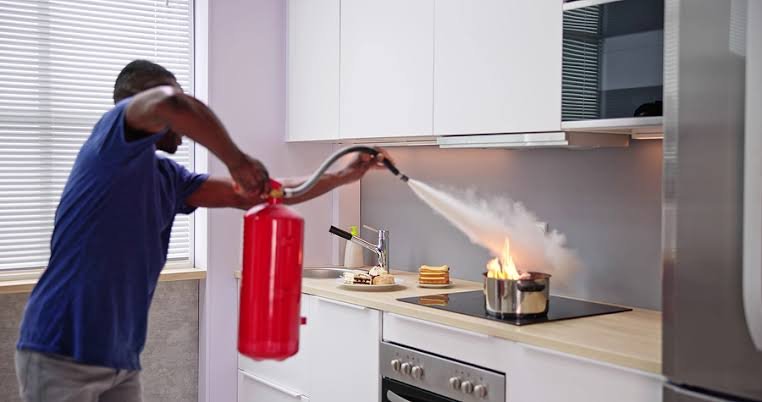
A fire extinguisher can be useful in certain circumstances, but not every extinguisher is suitable for every fire. The correct type depends on the burning material and other conditions.
For example, using water on burning cooking oil or electrical equipment can make the situation more dangerous. Extinguishers should be selected and maintained according to the property’s hazards and applicable requirements.
Renters should know where common-area extinguishers are located, if provided, but must not tamper with them or remove them from their designated positions.
Do not attempt to fight a fire if it is spreading, generating heavy smoke, blocking your escape route, or otherwise presenting a danger. Evacuate and call for emergency assistance.
Tenants should also avoid storing combustible materials around electrical equipment, heating appliances, or exit routes. Fire safety equipment works best when combined with prevention, early warning, and an effective evacuation plan.
For a multi-storey or shared residential building, the owner or manager should arrange appropriate professional advice on the selection, placement, inspection, and maintenance of fire protection equipment.
10. Keep Records and Follow Up on Safety Concerns
Renters should not assume that reporting a hazard automatically means it has been fixed. When a safety concern arises, contact the landlord or property manager through an appropriate channel and describe the issue clearly.
For significant concerns, keep a record of when the problem was reported, the response received, and whether the repair was completed. Photographs may help document a visible issue, provided taking them does not expose anyone to danger or interfere with an emergency response.
Follow up if a reported hazard remains unresolved. For serious or immediate dangers, leave the affected area and contact the relevant emergency service or local authority rather than waiting for an ordinary maintenance appointment.
If you live in a building with shared facilities, raise concerns about obstructed stairs, faulty emergency lighting, damaged fire doors, or defective alarm equipment with the responsible management.
Fire safety is an ongoing process. Equipment can develop faults, building layouts can change, and new hazards can appear. Prompt reporting and proper maintenance help keep safety arrangements effective.
Why Fire Safety Matters for Renters in Pakistan
Pakistan’s building fire safety framework recognises the importance of protecting occupants, providing suitable escape routes, and maintaining applicable fire protection systems. Punjab Civil Defence also identifies measures such as fire detection and alarm systems, firefighting arrangements, safety plans, and emergency exits as areas covered by its inspection work.
The requirements applicable to a rental property depend on its type, location, occupancy, and relevant local rules. A small rented house and a large apartment building may have different fire protection needs.
Tenants should therefore ask reasonable questions, report visible hazards, and understand their emergency arrangements. Landlords and building managers should take applicable maintenance and compliance responsibilities seriously.
The aim is not to make renters responsible for technical building inspections. It is to help them recognise risks, communicate concerns, and know how to reach safety during an emergency.
Conclusion
Fire safety for renters begins with understanding the property and knowing what to do if something goes wrong. Checking for visible hazards, asking about smoke alarms, reporting electrical and gas problems, and keeping escape routes clear are practical steps that can improve preparedness.
Renters should also understand their landlord’s safety arrangements, learn the building’s alarm procedure, and create a simple escape plan. Fire extinguishers and alarm systems can provide valuable protection, but they cannot replace safe behaviour, regular maintenance, and a clear evacuation strategy.
A properly selected fire alarm system in Pakistan can support early warning, while responsible tenants and property managers help ensure that warning leads to an appropriate response.
Whether you rent a house, a room, or an apartment, fire safety should be part of your everyday awareness. Small actions taken before an emergency can help protect lives and make your rented home a safer place to live.
Frequently Asked Questions
1. What should renters check for fire safety before moving into a property?
Renters should look for visible electrical hazards, clear exits, accessible stairways, and the presence of smoke alarms or other fire detection equipment. They should also ask the landlord about emergency procedures and report serious safety concerns.
2. Who is responsible for fire safety in a rented property in Pakistan?
Responsibilities depend on the building, tenancy arrangements, and applicable regulations. Owners, operators, lessees, and occupants may have responsibilities under relevant fire safety provisions. Renters should report hazards, follow safety instructions, and clarify maintenance arrangements with the landlord.
3. What should I do if the fire alarm in my apartment sounds?
Treat the alarm seriously and follow the building’s evacuation procedure. Leave using a safe designated route, avoid lifts unless a specifically authorised evacuation arrangement applies, and go to the designated assembly point. Do not return until authorised responders say it is safe.
4. Can renters install or replace smoke alarms themselves?
This depends on the device, the rental agreement, and the building’s existing system. Battery-operated alarms may be straightforward to install according to the manufacturer’s instructions, but tenants should coordinate with the landlord before making changes. Hardwired or interconnected fire alarm systems should be handled by appropriately qualified personnel.
5. What should renters do if the landlord ignores a fire safety problem?
Keep a record of the concern and the communication about it, and follow up through an appropriate channel. For an immediate danger, leave the affected area and contact emergency services. Serious unresolved building safety issues may also be raised with the relevant local building control, fire safety, or Civil Defence authority.