
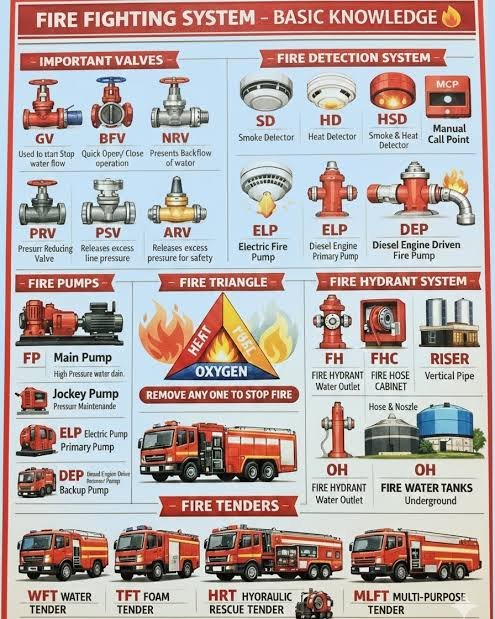
Fire safety training is the process of teaching people how to prevent fires, recognise potential hazards, respond to alarms, and evacuate a building safely during an emergency. It helps individuals understand what to do before, during, and after a fire rather than relying on guesswork when every second matters.
In Pakistan, fire safety training is important for homes, schools, offices, factories, hospitals, shopping centres, warehouses, restaurants, and other buildings. Electrical faults, unsafe cooking practices, gas leaks, poorly maintained equipment, and blocked emergency exits can all contribute to fire risks. However, even a building with suitable fire protection equipment may be unsafe if its occupants do not know how to respond correctly.
A fire alarm system in Pakistan can provide an early warning, but people must understand what the alarm means and which actions to take when it sounds. Training helps turn fire safety equipment and emergency procedures into a coordinated response.
This guide explains fire safety training in plain English, why it matters, what people learn, and how organisations can develop practical fire safety awareness.
What Is Fire Safety Training?
Fire safety training is structured education that prepares people to recognise fire hazards and respond appropriately to emergencies. It may involve classroom explanations, demonstrations, practical exercises, evacuation drills, and instruction on the equipment installed in a particular building.
The purpose is not to turn every employee or student into a firefighter. Instead, it is to help people understand their responsibilities, avoid preventable hazards, raise the alarm promptly, and reach safety.
Depending on the building and the participants’ roles, training may cover:
- Identifying common fire hazards.
- Understanding how fires start and spread.
- Recognising fire alarms and warning signals.
- Following evacuation routes and emergency instructions.
- Understanding the basic purpose of fire extinguishers.
- Reporting hazards and equipment faults.
- Assisting people who may need additional evacuation support.
- Knowing when to contact emergency services.
- Participating in fire drills and reviewing lessons afterwards.
The depth of training should reflect the risks present. General awareness training for office employees is different from specialist training for designated fire wardens or professional firefighters.
Why Is Fire Safety Training Important in Pakistan?
Fire emergencies can develop in many types of buildings, and the consequences may become more serious when occupants do not know how to respond.
1. It Helps Prevent Fires
Many fire incidents are linked to avoidable hazards. Examples include overloaded electrical connections, damaged cables, unattended cooking, unsafe storage of combustible materials, and poorly maintained equipment.
Training helps people recognise these conditions and report them before they lead to an emergency. Workers can learn to keep escape routes clear, follow equipment instructions, and avoid unsafe practices.
Prevention does not eliminate every possible fire, but it can reduce avoidable risks.
2. It Encourages Faster, More Appropriate Responses
When an alarm sounds, people may become confused if they have never practised an evacuation. Some may look for personal belongings, use the wrong exit, or assume that the signal is a false alarm.
Training explains that an alarm must be taken seriously and that occupants should follow the building’s emergency procedure. Familiarity with the nearest safe exits and designated assembly point can help reduce confusion.
3. It Protects Employees, Students, Visitors, and Residents
Buildings often contain people with different levels of familiarity with the premises. Visitors may not know where the exits are, while new employees may not understand the site’s emergency arrangements.
Regular awareness sessions help people understand how to leave safely and where to obtain assistance. Organisations should also consider the needs of children, older adults, people with disabilities, and anyone who may require help during an evacuation.
4. It Supports Organisational Preparedness
Businesses need clear responsibilities during emergencies. Staff should know who raises the alarm, who contacts emergency services, who guides occupants towards exits, and who reports missing people to emergency responders.
A clear plan helps prevent conflicting instructions and supports a more organised response.
5. It Supports Fire Safety Compliance
Fire safety obligations depend on the building, its use, and the applicable laws and local requirements.
Pakistan’s Building Code of Pakistan, Fire Safety Provisions 2016, includes fire and life safety education among its areas of coverage. Punjab Civil Defence also describes training activities involving firefighting, fire safety, first aid, and evacuation drills for settings such as factories and schools.
Building owners and managers should check the requirements that apply to their premises rather than assuming that one training programme is sufficient for every property.
What Does Fire Safety Training Cover?
A useful training programme combines awareness, emergency procedures, and practical knowledge appropriate to the participants’ responsibilities.
Understanding Common Fire Hazards
Participants learn to recognise potential ignition sources and unsafe conditions. These may include damaged electrical equipment, combustible materials near heaters, unsafe cooking arrangements, leaking gas connections, and poor housekeeping.
Training should explain how to report hazards through the correct workplace or building procedure. Employees should not be encouraged to repair electrical systems, gas installations, or fire protection equipment unless they are qualified and authorised to do so.
Understanding Fire Alarm Systems
A fire alarm system detects certain signs of fire and warns occupants through audible, visual, or other configured notification methods.
Training should explain:
- What the building’s alarm signal sounds or looks like.
- What occupants should do when it activates.
- Where manual alarm call points are located, where relevant.
- How to report a fault or suspected malfunction.
- Which evacuation routes and assembly points are designated.
- Why an alarm must not be ignored or disabled without proper authorisation.
A professionally designed fire alarm system in Pakistan can support early warning, but its effectiveness also depends on suitable installation, testing, maintenance, and occupants who understand the emergency procedure.
Only authorised and appropriately trained personnel should perform system servicing or changes to its configuration.
Learning About Fire Extinguishers
Fire safety awareness may include an explanation of the different extinguisher types and the kinds of fires for which they are designed.
For example, an extinguisher suitable for ordinary combustible materials may not be appropriate for a flammable-liquid fire or a fire involving energised electrical equipment. Using the wrong type can make a situation more dangerous.
Employees should learn how to identify the equipment provided at their workplace and understand the organisation’s policy on its use. Practical extinguisher training should be delivered by competent instructors using an appropriate, controlled training setup.
The priority is always life safety. People should evacuate rather than attempt to fight a fire that is spreading, producing heavy smoke, blocking an exit, or otherwise presenting a danger. Nobody should use an extinguisher without a safe escape route and suitable training.
Evacuation Procedures
Evacuation training teaches occupants how to leave a building using designated safe routes.
Participants should understand the location of emergency exits, stairways, assembly points, and any site-specific instructions. They should also know not to use lifts during a fire unless the building has a specifically designed and authorised evacuation arrangement.
Emergency routes must remain unobstructed. Training should reinforce the importance of following instructions, avoiding unnecessary delays, and not re-entering a building until authorised emergency personnel say it is safe.
Basic Emergency Communication
Clear communication is essential during a fire. Staff should know how to raise the alarm, report the building’s location accurately, and contact the appropriate emergency service.
Organisations should establish who is responsible for making emergency calls and how responders will be directed to the affected area. Workers should also understand how to report missing people without putting themselves at risk.
Who Needs Fire Safety Training?
Fire safety awareness is useful for almost everyone, but training should reflect the hazards and responsibilities of each group.
Office Employees
Office training may focus on electrical safety, housekeeping, alarm recognition, evacuation routes, and safe behaviour during an emergency.
Employees should know how to report damaged equipment and avoid blocking corridors or emergency exits with furniture, cartons, or supplies.
Factory and Warehouse Workers
Industrial premises may contain machinery, electrical installations, combustible stock, chemicals, or other hazards that require specialised procedures.
Training should reflect the actual risks of the site. Employees need to know how to raise an alarm, follow the designated evacuation plan, and report hazardous conditions.
Specialist tasks, including handling dangerous materials or operating firefighting equipment, require appropriate competence and authorisation.
Schools and Educational Institutions
Schools should provide age-appropriate fire safety education for students and staff. Students need to recognise the alarm, follow teachers’ instructions, understand the evacuation route, and reach the designated assembly area.
Staff should know their assigned responsibilities, including how to account for students and how to communicate concerns to emergency responders.
Fire drills should be organised carefully so participants understand the procedure without being unnecessarily frightened or placed at risk.
Hospitals and Care Facilities
Hospitals and care facilities may contain patients who cannot evacuate independently. Their plans need to consider mobility, medical equipment, staff responsibilities, and the building’s emergency arrangements.
Training should be tailored to each role. Staff should understand the facility’s approved procedures and how to communicate with emergency responders.
Shops, Restaurants, and Hotels
These premises may contain customers, visitors, cooking equipment, storage areas, and multiple escape routes. Staff should know how to raise the alarm, guide occupants towards safe exits, and keep emergency routes clear.
Restaurants should give particular attention to kitchen hazards and the correct equipment for the risks present.
Homes and Residential Buildings
Families can benefit from basic fire safety awareness, including safe appliance use, smoke alarm testing, escape planning, and agreeing on an outdoor meeting point.
Everyone in a household should know how to leave safely and how to seek emergency assistance. Children should be taught to alert a trusted adult and follow the household’s escape plan rather than attempting to tackle a fire.
How to Organise Fire Safety Training
An effective programme should be planned around the building and the people who use it.
Step 1: Assess the Risks
Identify likely fire hazards, the people who occupy the building, and the existing protection measures. Review the location and condition of alarms, extinguishers, emergency lighting, exits, and evacuation signs.
For complex or high-risk premises, obtain advice from a qualified fire safety professional.
Step 2: Define Training Objectives
Decide what participants need to know after the session. General employees may need to recognise alarms and evacuate safely, while designated fire wardens may require additional instruction in their assigned responsibilities.
Clear objectives help the organisation select suitable training content.
Step 3: Choose a Competent Trainer
Training may be available through relevant Civil Defence organisations, qualified fire safety professionals, or competent workplace training providers.
Check the trainer’s experience, course content, practical arrangements, and any certification offered. A certificate alone should not be treated as proof that someone can perform every emergency task.
The Directorate General of Civil Defence publishes information about training courses and participating institutes. Availability, eligibility, and schedules should be confirmed directly through its official channels.
Step 4: Explain the Emergency Plan
Participants should be shown the building’s designated exits, assembly point, alarm arrangements, and reporting procedure.
Explain any site-specific hazards and the responsibilities assigned to staff. Make sure new employees and contractors receive the information relevant to their work.
Step 5: Conduct a Safe Evacuation Drill
A drill allows occupants to practise the evacuation procedure in a controlled and planned way.
Before conducting one, organisers should establish the exercise objectives, communicate any necessary safety arrangements, and account for people who may require assistance. The exercise should not involve creating a real fire hazard or exposing participants to smoke or flames.
Afterwards, review whether exits were accessible, instructions were understood, and everyone reached the assembly point. Record issues and assign responsibility for correcting them.
Step 6: Review and Refresh Training
Training should be repeated as appropriate to the building’s risks, legal requirements, and organisational procedures. Refresher sessions are particularly important when the layout changes, equipment is replaced, staff responsibilities change, or an incident reveals weaknesses.
Maintain records of attendance, drills, identified problems, and corrective actions.
Common Fire Safety Training Mistakes
Some organisations arrange a single session but fail to turn the information into everyday practice.
Common mistakes include:
- Treating training as a formality instead of a life-safety measure.
- Explaining equipment without showing occupants how the emergency plan works.
- Failing to teach new employees and contractors the relevant procedures.
- Leaving emergency exits obstructed after a drill.
- Ignoring alarm faults or recurring false alarms.
- Assuming that every employee is qualified to use an extinguisher.
- Failing to review drill findings or update the evacuation plan.
- Overlooking visitors and people who need additional evacuation assistance.
These problems can be reduced by assigning clear responsibilities, keeping training practical, and checking that agreed improvements are completed.
The Connection Between Fire Safety Training and Fire Protection Equipment
Training and equipment work together. Detectors and alarm systems provide warning, extinguishers may support a limited response where appropriate, and emergency lighting and exit signs can help occupants find safe routes.
However, no single product can replace a complete fire safety plan.
For example, installing a fire alarm system in Pakistan without explaining alarm signals and evacuation procedures leaves occupants unsure how to respond. Likewise, conducting drills while ignoring defective alarms or blocked exits will not provide adequate preparation.
Building owners should ensure that fire protection systems are properly selected, installed, tested, and maintained. Occupants should receive instructions suited to their roles, and responsible staff should know how to report defects promptly.
Conclusion
Fire safety training explained in plain English is about helping people recognise hazards, understand alarms, follow emergency procedures, and make safer decisions. It is not simply a presentation or a certificate; it is an ongoing process of awareness, practice, and improvement.
In Pakistan, homes, schools, offices, factories, hospitals, and commercial buildings can benefit from training that reflects their specific risks. Organisations should provide clear evacuation plans, arrange appropriate drills, maintain fire protection equipment, and make sure staff understand their responsibilities.
A fire alarm system can provide a vital warning, but people must know what to do when it activates. By combining reliable equipment with practical training and regular review, building owners and occupants can improve preparedness and help protect lives.
Frequently Asked Questions
1. What is fire safety training in simple words?
Fire safety training teaches people how to prevent fires, recognise hazards, respond to alarms, evacuate safely, and understand the basic purpose of fire protection equipment.
2. Who should receive fire safety training in Pakistan?
Employees, teachers, students, facility managers, security staff, and other building occupants can benefit from appropriate fire safety awareness. The level of training should reflect each person’s responsibilities and the risks present.
3. How often should fire safety training be conducted?
The frequency depends on applicable requirements, the type of building, its risks, and the organisation’s procedures. Training should be refreshed when circumstances change and supported by suitable evacuation drills and reviews.
4. Is fire extinguisher training part of fire safety training?
It can be. Participants may learn about extinguisher types, their intended uses, and their limitations. Practical training should be provided by a competent instructor. Evacuation must take priority whenever attempting to fight a fire would be unsafe.
5. Where can people find fire safety training in Pakistan?
People can check the official Directorate General of Civil Defence and relevant provincial Civil Defence departments for information about courses and training institutes. Businesses can also consult qualified fire safety professionals or competent workplace training providers to identify suitable programmes.