
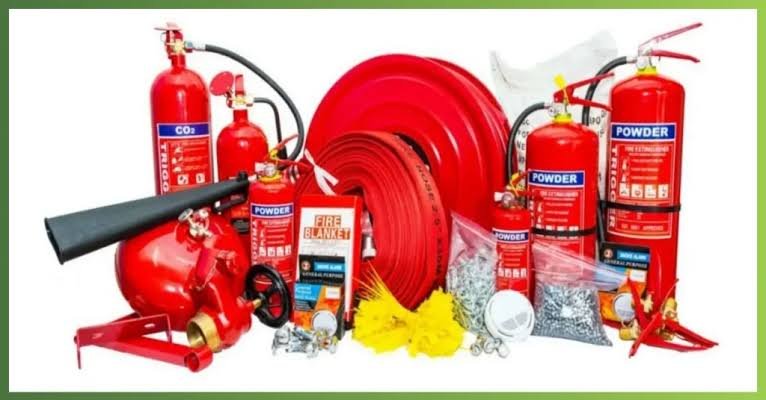
Winter brings cooler temperatures to many parts of Pakistan, but it also introduces several fire safety challenges. Homes, offices, shops, factories, hotels, and other buildings may use gas heaters, electric heaters, room heating appliances, and additional electrical equipment during the colder months. When these appliances are poorly maintained or used incorrectly, they can increase the risk of fire.
The title “Where to Buy Winter Fire Hazards in Pakistan” raises an important distinction: fire hazards are not products that people should purchase. Instead, people should understand where winter fire risks come from and where they can obtain suitable fire prevention and protection equipment.
Fire extinguishers, smoke detectors, fire alarm systems, and other safety products can help reduce the consequences of a fire when they are selected and maintained correctly. However, buying equipment alone is not enough. Safe installation, responsible appliance use, regular inspections, and an emergency plan are equally important.
This guide explains common winter fire hazards in Pakistan, where to find appropriate fire safety equipment, what to consider before purchasing it, and how a suitable fire alarm system in Pakistan can contribute to a safer home or workplace.
Understanding Winter Fire Hazards in Pakistan
Winter fire hazards are conditions or activities that increase the likelihood of a fire during colder weather. These risks vary depending on the region, building type, heating methods, and condition of electrical and gas installations.
In northern areas, including parts of Khyber Pakhtunkhwa, Gilgit-Baltistan, and Azad Jammu and Kashmir, low temperatures may encourage heavier use of heating appliances. In Punjab, Sindh, and other regions, electric heaters, gas heaters, and temporary heating arrangements may also be used when temperatures fall.
Several common hazards deserve attention.
1. Gas Heaters and Gas Leaks
Gas heaters can create fire risks when connections are damaged, appliances are poorly maintained, or combustible materials are placed too close to the heat source. Gas leakage can also create a serious risk of fire or explosion.
Only use appliances suitable for their intended setting and follow the manufacturer’s instructions. Have gas installations checked by qualified technicians, keep ventilation appropriate for the appliance, and never ignore the smell of gas.
If you suspect a gas leak, avoid flames and electrical switches, leave the affected area, and contact the relevant emergency or gas service from a safe location.
2. Electrical Heaters and Overloaded Circuits
Electric heaters may draw substantial electrical power. Using an unsuitable extension lead, damaged plug, loose socket, or overloaded circuit can create dangerous heat and increase fire risk.
Choose appliances that meet applicable safety requirements. Inspect cables and plugs for visible damage, keep heaters away from curtains and bedding, and avoid leaving portable heaters operating unattended.
An electrician should investigate repeated circuit breaker trips, burning smells, unusually warm sockets, or flickering associated with an appliance.
3. Unsafe Cooking and Heating Arrangements
During winter, people may spend more time indoors and use cooking equipment more frequently. Cooking can become a fire hazard when appliances are left unattended, oil overheats, or flammable materials are kept near a stove.
Never use cooking appliances as substitutes for room heaters. Keep cooking areas clean, maintain safe distances around heat sources, and ensure that adults supervise cooking activities.
4. Candles, Matches, and Open Flames
Candles and other open flames may be used during power interruptions or for warmth and lighting. They should never be left unattended or placed near curtains, paper, bedding, or other combustible materials.
Battery-powered lights are generally a safer option for temporary lighting. If candles are used, follow appropriate fire safety precautions and keep them inaccessible to children and pets.
5. Poorly Maintained Fire Protection Equipment
A building may have extinguishers, detectors, or alarms that are damaged, incorrectly installed, or no longer functioning. Such equipment can provide a false sense of security if nobody checks its condition.
Regular inspection and maintenance are important throughout the year, particularly before the period when heating appliances are used more frequently.
Where to Buy Winter Fire Safety Equipment in Pakistan
People looking to improve winter fire safety should focus on obtaining appropriate protective equipment from reputable suppliers. The right purchasing route depends on whether the requirement is for a home, small shop, office, industrial facility, or large commercial building.
1. Specialist Fire Safety Equipment Suppliers
Specialist fire safety companies are often a practical starting point for purchasing equipment for residential and commercial use.
Depending on their product range, these suppliers may offer:
- Portable fire extinguishers for suitable fire classes.
- Smoke detectors and heat detectors.
- Conventional and addressable fire alarm systems.
- Manual fire alarm call points and notification devices.
- Emergency lights and exit signs.
- Fire blankets and related safety equipment.
- Inspection, installation, and maintenance services.
When contacting a supplier, explain the type of building, the approximate area, the activities taking place inside it, and the heating appliances in use. This information helps the supplier identify suitable equipment rather than recommending a product based only on its price.
For larger installations, request a site assessment and a written proposal describing the equipment, installation work, testing, and maintenance requirements.
2. Established Electrical Safety and Industrial Suppliers
Some electrical and industrial equipment suppliers stock approved detection devices, alarm components, emergency lighting, and related products.
However, not every electrical shop carries equipment appropriate for a complete fire protection installation. A detector or alarm panel should not be selected simply because it is available locally.
Confirm that products are suitable for the intended application, compatible with other system components, and supported by installation and maintenance information. For commercial buildings, a qualified fire protection professional should assess the complete system.
3. Reputable Online Retailers
Online shopping can help buyers compare product specifications, availability, warranties, and delivery options across Pakistan.
Before ordering a fire safety product online, check the following:
- The seller’s identity and contact information.
- The manufacturer’s name and model number.
- Product specifications and intended application.
- Warranty conditions and return policies.
- Installation and maintenance instructions.
- Availability of replacement batteries or components.
- Whether the supplier provides technical support.
Avoid choosing life-safety equipment on the basis of price or appearance alone. A low-cost detector may not be appropriate for the environment where it will be installed, and an incompatible component may prevent an alarm system from working as intended.
For critical installations, confirm the equipment and supplier’s suitability with a qualified professional before making a purchase.
4. Fire Alarm System Providers
Buildings with several rooms, multiple floors, staff, customers, or residents may need more than individual battery-operated alarms.
A professionally designed fire alarm system in Pakistan may include automatic detectors, a control panel, manual call points, audible or visual notification devices, and other components selected according to the building’s requirements.
System providers can help assess detector locations, building layout, alarm coverage, power arrangements, and maintenance needs.
When comparing providers, ask whether they can design, install, test, commission, and maintain the system. Also request documentation explaining how to operate it and what to do when an alarm activates.
How to Choose the Right Winter Fire Safety Equipment
The most suitable equipment depends on the hazard, the building, and the people who use it. Before purchasing anything, consider the following factors.
Identify the Main Risks
Start by identifying the sources of heat and ignition in the building. These may include gas appliances, electric heaters, cooking equipment, electrical distribution boards, generators, or machinery.
Check whether combustible materials are stored close to these sources. Also consider whether residents or workers could hear an alarm at night or during normal activities.
A simple risk assessment helps determine which precautions should receive priority.
Select the Correct Fire Extinguisher
Fire extinguishers are designed for particular types of fire. Water-based extinguishers are not suitable for every situation, particularly fires involving energised electrical equipment or flammable liquids.
Other extinguisher types may be suitable for different risks, but the correct selection depends on the materials present and applicable requirements. An extinguisher intended for one hazard should not be assumed suitable for every fire.
Ask a competent supplier to identify the appropriate extinguisher type, size, placement, and maintenance requirements for the premises.
Check Detector Suitability
Smoke detectors are useful for detecting smoke, but their suitability and placement depend on the environment. Cooking fumes, dust, steam, and other conditions can affect detector performance or cause unwanted alarms.
Heat detectors may be more appropriate in some locations, depending on the design and applicable standards. Larger buildings may require interconnected detection devices and a central control panel.
Follow manufacturer guidance and have commercial systems designed by qualified professionals.
Consider Backup Power and Maintenance
Some buildings experience power interruptions. Fire detection and alarm equipment must therefore have appropriate power arrangements for its intended use.
Ask the supplier about backup power, battery replacement, testing, fault indications, and the availability of replacement components. Keep maintenance records and ensure responsible staff know how to recognise a fault.
Compare Total Cost, Not Just Purchase Price
The initial price is only one part of the overall cost of fire protection equipment.
Other expenses may include installation, wiring, compatible accessories, commissioning, inspections, staff training, battery replacement, and routine servicing.
A reliable proposal should explain these costs clearly. For a commercial building, a professionally selected system can help avoid incompatibility, unnecessary replacement, and gaps in coverage.
The Role of Fire Alarm Systems During Winter
A fire alarm system is designed to provide warning when a fire or another configured emergency condition is detected. Early warning can give occupants more time to respond, alert others, and move towards a safe exit.
In winter, this can be particularly important where heaters and other appliances operate for long periods, or where occupants may be asleep while a fire begins.
Early Detection and Warning
Automatic smoke or heat detectors can identify certain signs of a developing fire. When configured as part of a suitable alarm system, they can activate audible or visual warnings.
The exact detection method depends on the building’s risks and the system design. Detectors should be installed in appropriate locations and tested according to the manufacturer’s instructions and applicable standards.
Suitable Protection for Different Buildings
A small home may benefit from correctly installed smoke alarms, while an office, hotel, hospital, factory, or multi-storey building may require a more comprehensive system.
The Building Code of Pakistan (Fire Safety Provisions 2016) addresses fire protection requirements for new and existing buildings. The measures that apply to a particular property depend on factors such as occupancy, building design, and the relevant authority’s requirements.
Property owners should check the applicable provisions rather than assuming that the same alarm arrangement is suitable for every building.
Integration With Other Safety Measures
In some buildings, fire alarms may need to coordinate with other systems, such as emergency notification, smoke control, or designated door-release functions. These connections must be designed and tested appropriately.
A fire alarm does not replace extinguishers, protected escape routes, emergency lighting, staff training, or evacuation procedures. It is one part of a broader fire safety plan.
Winter Fire Prevention Tips for Homes and Businesses
Purchasing suitable equipment is important, but preventing a fire from starting is equally valuable.
Keep Heating Appliances Clear
Maintain the clearances specified by the appliance manufacturer. Do not cover heaters with clothing or use them to dry bedding. Keep curtains, furniture, paper, and other combustible materials away from hot surfaces.
Switch off portable heating appliances when they are not needed, and do not leave them operating unattended unless the manufacturer explicitly permits the intended use and the arrangement is safe.
Arrange Electrical Inspections
Have damaged wiring, loose sockets, and recurring electrical problems inspected by a qualified electrician. Avoid connecting multiple high-power appliances to a single overloaded extension lead.
Use equipment in accordance with its rated capacity and manufacturer’s instructions. Do not attempt improvised electrical repairs.
Maintain Gas Appliances
Have gas appliances and connections inspected and serviced by qualified personnel. Maintain appropriate ventilation and follow all operating instructions.
Never use outdoor combustion appliances indoors or use a cooking stove to heat a room. If an appliance appears damaged or operates abnormally, stop using it and arrange a professional inspection.
Keep Escape Routes Clear
Hallways, staircases, doors, and emergency exits should remain unobstructed. Do not store fuel, cartons, furniture, or other combustible materials along escape routes.
In workplaces and multi-storey buildings, ensure exit signs and emergency lighting are maintained and that occupants understand the evacuation procedure.
Test and Maintain Fire Protection Equipment
Follow the manufacturer’s instructions for checking smoke alarms, detectors, and other safety devices. Arrange professional inspection and servicing of commercial fire alarm systems and extinguishers according to the applicable requirements.
Never ignore a fault warning or repeatedly silence an alarm without investigating its cause.
Prepare an Emergency Plan
Households should agree on how to leave the building and where to meet outside. Businesses should assign responsibilities, communicate evacuation procedures, and conduct appropriate fire drills.
If a fire starts and spreads, leave immediately, warn others if it is safe to do so, and contact the local emergency service from a safe location. Do not delay evacuation to collect belongings or attempt to fight a fire that is beyond your ability to handle safely.
Why Professional Guidance Matters in Pakistan
Fire safety requirements can vary according to the type, size, use, and location of a building. A house, school, hospital, shopping centre, and industrial facility do not necessarily require identical equipment or arrangements.
The Pakistan Engineering Council’s Building Code of Pakistan (Fire Safety Provisions 2016) provides a national reference for fire safety in buildings. Punjab Civil Defence also identifies fire detection and alarm systems, firefighting arrangements, emergency planning, and evacuation measures among the areas covered by its fire safety inspection work.
Owners and managers should consult the relevant local building control authority, Civil Defence department, or qualified fire safety professional to establish which requirements apply.
A supplier can provide product information, but the responsibility for choosing a suitable system should not rest on marketing claims alone. Ask for clear specifications, installation details, testing records, and maintenance guidance.
Conclusion
Winter fire safety in Pakistan begins with understanding the risks associated with heaters, electrical equipment, gas appliances, cooking, and open flames. People do not need to buy winter fire hazards; they need to identify these hazards and take sensible steps to control them.
Specialist fire safety suppliers, established electrical and industrial suppliers, reputable online retailers, and professional fire alarm providers can help buyers obtain suitable equipment. The important considerations are product suitability, reliable technical support, correct installation, and ongoing maintenance.
A properly selected fire alarm system in Pakistan can support early warning, particularly in buildings where people sleep, work, or gather. However, it should form part of a wider safety plan that includes safe appliance use, suitable extinguishers, clear escape routes, emergency lighting where required, and regular training.
By addressing hazards before the coldest months arrive, households and organisations can improve preparedness and reduce avoidable risks throughout winter.
Frequently Asked Questions
1. Where can I buy winter fire safety equipment in Pakistan?
You can explore specialist fire safety suppliers, established electrical and industrial equipment dealers, and reputable online retailers. Check the manufacturer’s details, product specifications, warranty, and technical support before purchasing.
2. Which fire safety equipment is useful during winter?
Depending on the property, useful equipment may include smoke alarms, suitable fire extinguishers, fire alarm systems, and emergency lighting. The correct selection depends on the building’s layout, hazards, occupancy, and applicable safety requirements.
3. Is a fire alarm system necessary for every building in Pakistan?
Requirements depend on the building’s occupancy, size, design, and applicable regulations. The Building Code of Pakistan (Fire Safety Provisions 2016) sets out fire safety requirements for different types of buildings. Consult the relevant authority or a qualified fire safety professional to confirm what applies to your property.
4. How can I reduce heater-related fire risks at home?
Follow the heater manufacturer’s instructions, keep combustible materials away, avoid overloaded electrical connections, maintain gas appliances professionally, and never use cooking equipment as a room heater. Stop using damaged appliances and arrange an inspection.
5. How often should a fire alarm system be inspected?
Testing and maintenance schedules depend on the system, manufacturer, applicable standards, and local requirements. Follow the manufacturer’s instructions and arrange inspections by qualified personnel. Keep records of tests, faults, repairs, and servicing, particularly in commercial buildings.