
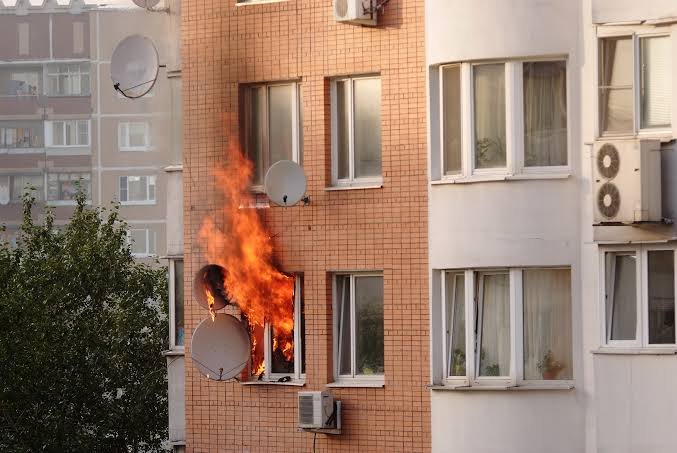
High-rise buildings have become an important part of modern cities. Apartment towers, offices, hotels, hospitals, shopping centers, and mixed-use buildings allow many people to live and work in a relatively small area. However, their height and complexity also create special fire-safety challenges.
A fire in a high-rise building can affect multiple floors, create smoke-filled escape routes, and make emergency response more difficult. This is why fire safety should be considered from the design stage and maintained throughout the building’s life.
The good news is that many important fire-safety measures are practical investments. Regular inspections, functioning alarms, clear exits, maintained firefighting systems, staff training, and proper emergency planning can make a significant difference.
Pakistan’s Building Code of Pakistan Fire Safety Provisions 2016 includes requirements and guidance relating to fire prevention, life safety, fire protection, evacuation, fire alarms, sprinklers, fire pumps, emergency procedures, and other measures relevant to buildings. The exact requirements depend on the building, occupancy, and applicable authority.
This guide explains why fire safety matters in high-rise buildings and how relatively small investments in prevention and maintenance can provide major benefits.
Why High-Rise Buildings Need Special Fire Safety Measures
A fire in a small building and a fire in a high-rise building can present very different challenges.
High-rise buildings may have:
- Many occupants
- Multiple floors
- Long travel routes to exits
- Elevators
- Mechanical and electrical systems
- Underground parking
- Commercial kitchens
- Generators
- Storage areas
- Complex ventilation systems
- Large numbers of visitors
Smoke can also make evacuation difficult even when the fire itself is limited to one area.
For this reason, high-rise fire safety is not based on one piece of equipment. It depends on several systems working together.
1. Fire Prevention Should Come First
The best fire is the one that never starts.
Building owners and facility managers should regularly identify conditions that could cause a fire. Common risks include faulty electrical equipment, overloaded circuits, unsafe cooking equipment, poor housekeeping, combustible storage, and improperly maintained machinery.
Fire prevention should include:
- Regular electrical inspections
- Proper housekeeping
- Safe storage
- Equipment maintenance
- Control of combustible materials
- Safe use of generators
- Appropriate kitchen maintenance
- Employee awareness
Preventive measures often cost less than dealing with a major fire, business interruption, or property loss.
2. A Reliable Fire Alarm System Is Essential
Early warning is especially important in a high-rise building because occupants may be located many floors away from the source of a fire.
A properly designed and maintained alarm system can help notify occupants and support an organized emergency response.
A complete system may include:
- Smoke detectors
- Heat detectors
- Manual alarm stations
- Alarm control panels
- Audible notification appliances
- Visual notification appliances where required
- Monitoring equipment
- Backup power
- Emergency communication features
NFPA 72 is a major reference for fire alarm and emergency communication systems and covers installation, inspection, testing, and maintenance.
For property owners considering a Fire alarm system in Pakistan, installation should not be viewed as the end of the process. Regular inspection, testing, maintenance, documentation, and professional support are equally important.
3. Keep Alarm Systems Properly Maintained
A fire alarm that is not maintained may fail when occupants need it most.
Building management should establish an appropriate maintenance program for the system. Depending on the system and applicable requirements, this can include checking detectors, manual stations, notification devices, control equipment, backup power, and system faults.
Any warning or fault condition should be investigated rather than ignored.
The maintenance schedule should follow the applicable standards, manufacturer’s instructions, system design, and requirements of the relevant Authority Having Jurisdiction.
4. Automatic Sprinklers Provide Another Layer of Protection
Automatic sprinkler systems can help control or suppress fires and reduce the likelihood of rapid fire growth.
They are particularly important in buildings where large numbers of people may be present.
However, sprinklers are not a substitute for other safety measures.
A complete fire protection strategy may combine:
- Automatic sprinklers
- Fire detection
- Fire alarms
- Fire pumps
- Water supplies
- Portable extinguishers
- Emergency exits
- Smoke control
- Emergency communication
- Firefighter access
NFPA 13 is the recognized standard for the design and installation of automatic sprinkler systems. Its current edition is the 2025 edition.
Sprinkler systems also require proper inspection, testing, and maintenance.
5. Protect Emergency Exits
Emergency exits are among the most important life-safety features in a high-rise building.
An exit route should remain accessible and usable. Corridors, stairways, doors, and other parts of the escape route should not become storage areas.
Management should regularly check:
- Exit doors
- Stairways
- Corridors
- Exit signs
- Emergency lighting
- Door hardware
- Obstructions
- Access to final exits
The Building Code of Pakistan Fire Safety Provisions includes requirements addressing means of egress and evacuation. It also states that occupants should leave when a fire alarm is activated unless an approved evacuation plan provides otherwise.
6. Never Treat Stairways as Storage Areas
High-rise occupants may need to use stairs during a fire emergency, especially when elevators are not available or should not be used.
Keeping stairways clear is therefore essential.
Furniture, cartons, equipment, waste, and other objects should not be placed where they could interfere with evacuation.
Building management should include stairway inspections in routine safety checks.
7. Emergency Lighting Can Make a Big Difference
A fire may cause a power failure or reduce visibility because of smoke.
Emergency lighting can help occupants identify routes and move toward designated exits.
Maintenance programs should include appropriate inspection and testing of emergency lighting according to applicable requirements.
Exit signs should also remain visible and properly maintained.
A small investment in lighting and signage can be extremely valuable during a confusing emergency.
8. Fire Doors Help Limit Fire and Smoke Spread
Fire doors are designed as part of a building’s fire-resistance strategy.
They can help separate areas and limit the movement of fire and smoke when properly installed and maintained.
Common maintenance concerns include:
- Damaged doors
- Doors that cannot close properly
- Damaged hardware
- Obstructions
- Unauthorized modifications
- Doors being held open inappropriately
Residents, tenants, and employees should understand why fire doors must not be misused.
9. Fire Pumps and Water Supplies Need Attention
High-rise fire protection systems can depend on dedicated water supplies and fire pumps.
A problem with these supporting systems can affect other fire protection equipment.
Maintenance programs should therefore include appropriate inspection, testing, and servicing of:
- Fire pumps
- Water storage
- Control valves
- Risers
- Pipes
- Fire department connections
- Associated equipment
The Pakistan Building Code includes provisions relating to fire pumps and water supplies as part of building fire protection.
Technical maintenance should be carried out by qualified professionals.
10. Emergency Communication Is Important
Hearing an alarm is only one part of an emergency response.
In a large building, occupants may also need clear information about what is happening and what they should do.
Depending on the building’s design and applicable requirements, emergency communication systems may provide instructions or other information during an incident.
High-rise fire-safety provisions in recognized fire-safety standards can include emergency voice communication and alarm arrangements.
The exact system should be determined by the building’s design, occupancy, applicable code, and authority requirements.
11. Do Not Depend on Elevators During a Fire Emergency
Elevators can behave differently during a fire emergency and may not provide a safe evacuation route.
Building emergency plans should clearly explain evacuation procedures and the circumstances under which elevators are unavailable or restricted.
People should follow the building’s approved emergency plan and instructions from emergency personnel.
12. Conduct Regular Fire Drills
A fire drill allows occupants and staff to practice emergency procedures before a real emergency occurs.
Drills can help identify problems such as:
- Confusing exit routes
- Blocked doors
- Poor communication
- Unclear assembly areas
- Staff uncertainty
- Problems assisting people who need additional support
The Building Code of Pakistan Fire Safety Provisions addresses emergency egress and relocation drills and requires records of drills where applicable.
Drills should be planned responsibly and coordinated with applicable requirements and local authorities where required.
13. Train Building Staff
Security guards, maintenance teams, facility managers, and other designated personnel can have important responsibilities during an emergency.
Training should cover:
- Recognizing alarms
- Reporting emergencies
- Evacuation procedures
- Emergency communication
- Assembly arrangements
- Basic fire-safety responsibilities
- Reporting hazards
- Supporting occupants according to the approved plan
Specialized firefighting tasks should be performed only by appropriately trained personnel.
14. Keep Fire Extinguishers Accessible
Portable fire extinguishers can provide an early response to a small fire when appropriate and when a person is trained and conditions are safe.
They should be:
- Correctly located
- Clearly identified
- Accessible
- Properly maintained
- Appropriate for the hazards present
Building staff should know where extinguishers are located, but occupants should prioritize evacuation when a fire is beyond safe control.
15. Pay Attention to Electrical Safety
Electrical equipment is an important area of fire prevention in high-rise buildings.
Electrical systems can include:
- Main distribution equipment
- Building wiring
- Lighting
- HVAC equipment
- Elevators
- Pumps
- Emergency systems
- Tenant equipment
Regular professional inspection and maintenance can help identify problems before they become serious.
Warning signs such as damaged cables, overheating equipment, unusual smells, repeated circuit problems, or visibly damaged outlets should be reported promptly.
Do not allow unqualified people to carry out electrical repairs.
16. Maintain Generator and Backup Power Systems
High-rise buildings often depend on backup power for important building services.
Generators and associated electrical systems should be properly maintained.
The areas around such equipment should also remain clean and appropriately managed.
Technical maintenance should be performed by qualified personnel following manufacturer requirements and applicable safety standards.
17. Manage Kitchens and Commercial Areas
Hotels, restaurants, apartments, hospitals, and mixed-use buildings may contain commercial kitchens or food preparation areas.
These areas can introduce additional fire hazards.
Management should pay attention to:
- Cooking equipment
- Electrical appliances
- Grease accumulation
- Ventilation
- Fire protection equipment
- Housekeeping
- Staff training
Kitchen fire protection should be maintained according to the equipment and hazards present.
18. Keep Parking Areas Safe
High-rise buildings often include underground or enclosed parking areas.
Parking areas may contain vehicles, electrical equipment, ventilation systems, and other potential hazards.
Fire-safety management should consider:
- Fire detection
- Alarm notification
- Emergency lighting
- Clear access routes
- Fire protection equipment
- Ventilation systems
- Signage
- Emergency response arrangements
The exact requirements depend on the design and use of the parking facility.
19. Plan for People Who May Need Assistance
Not everyone can evacuate at the same speed.
A high-rise emergency plan should consider people who may need additional assistance, including some older adults, people with disabilities, young children, or visitors unfamiliar with the building.
Planning should identify appropriate responsibilities and procedures without placing untrained occupants in dangerous situations.
The objective is to make emergency arrangements practical and inclusive.
20. Keep Fire Safety Equipment Accessible
Fire protection equipment cannot help if it is blocked.
Routine inspections should ensure that:
- Alarm points are accessible
- Fire extinguishers are visible
- Fire hose connections are accessible where provided
- Fire pump areas are accessible
- Sprinkler system components are not obstructed
- Emergency exits remain clear
Housekeeping is therefore an important part of fire safety.
21. Maintain Fire Safety Records
A high-rise building should maintain appropriate records showing that its fire protection systems are being inspected and maintained.
Records may include:
- Fire alarm inspections
- Sprinkler testing
- Fire pump testing
- Extinguisher servicing
- Emergency lighting checks
- Fire drills
- Staff training
- Repairs
- Fire incidents
- Corrective actions
Documentation makes it easier to identify recurring problems and demonstrate that maintenance is being taken seriously.
22. Review Fire Safety After Renovations
Renovation work can unintentionally affect fire protection.
Changes to walls, doors, ceilings, electrical systems, ventilation, room layouts, or occupancy may affect the existing fire-safety design.
Before making major changes, building owners should determine whether the fire protection and evacuation arrangements need to be reviewed.
The Pakistan Building Code includes provisions concerning buildings under construction, alteration, and repair and recognizes situations where required fire protection systems or means of egress may be impaired.
23. Small Maintenance Costs Can Prevent Larger Losses
Fire safety is sometimes viewed as an expense. A better way to understand it is as risk management.
Replacing a damaged detector, repairing emergency lighting, servicing a fire pump, maintaining an alarm system, or correcting a blocked exit may appear like small expenses.
The potential consequences of ignoring these problems can be much greater.
A strong fire-safety program protects:
- People
- Buildings
- Equipment
- Business operations
- Important documents
- Investments
- Public confidence
That is why the title “small investment, big difference” is particularly relevant to high-rise fire safety.
Fire Safety in High-Rise Buildings in Pakistan
Pakistan’s cities continue to include a growing number of multi-storey and high-rise structures. These buildings may serve residential, commercial, institutional, hospitality, healthcare, and mixed-use purposes.
Fire-safety arrangements should be appropriate to the building’s specific use and design.
The Building Code of Pakistan Fire Safety Provisions 2016 provides a national reference covering fire prevention, life safety, fire protection, evacuation, alarms, firefighting systems, and related matters. Requirements are applied through the relevant Authority Having Jurisdiction, so building owners should confirm the rules applicable to their particular project and location.
The Pakistan Engineering Council also lists high-rise buildings as a recognized construction category, including a specific category for high-rise buildings up to 10 storeys.
This reinforces the importance of treating high-rise buildings as specialized projects requiring coordinated planning, qualified professionals, and ongoing maintenance.
How to Build a Strong High-Rise Fire Safety Program
A practical program can be built around five basic principles:
Prevention
Identify and reduce conditions that could start a fire.
Detection
Use appropriate fire detection and alarm systems to provide early warning.
Protection
Maintain sprinklers, extinguishers, fire pumps, water supplies, fire doors, and other protective systems.
Evacuation
Keep exits clear and ensure occupants understand emergency procedures.
Maintenance
Inspect, test, repair, document, and improve the complete system regularly.
These five areas should support one another rather than operate independently.
Conclusion
Fire safety in high-rise buildings does not depend on one expensive product or one complicated solution. It depends on many practical measures working together.
A properly maintained Fire alarm system in Pakistan can provide valuable early warning, but it should be part of a complete fire and life-safety strategy that includes detection, sprinklers, firefighting equipment, emergency communication, safe exits, emergency lighting, staff training, drills, and regular maintenance.
The most effective fire-safety investment is often the one that prevents a small problem from becoming a major emergency.
Building owners and managers should regularly inspect their systems, correct deficiencies, maintain records, train responsible staff, and seek qualified professional advice whenever specialized assessment is required.
For businesses and building owners looking for fire-safety equipment and solutions, Flame Defender provides a place to explore relevant fire-protection products and services.
Ultimately, good high-rise fire safety is about protecting people first. A modest investment in prevention, maintenance, training, and reliable fire protection can make a significant difference when an emergency occurs.
Frequently Asked Questions
1. Why is fire safety especially important in high-rise buildings?
High-rise buildings can contain many occupants across multiple floors. Evacuation may take longer, smoke can affect escape routes, and emergency responders may face additional challenges. A coordinated fire-safety system helps reduce these risks.
2. What is the role of a fire alarm system in a high-rise building?
A fire alarm system can provide early warning and notify occupants of a fire emergency. Depending on the building design, it may work together with detection devices, manual alarm points, notification appliances, emergency communication, and other fire protection systems.
3. Are sprinklers necessary in every high-rise building?
Fire protection requirements depend on the building’s occupancy, design, height, applicable codes, and local requirements. Where sprinkler systems are required or installed, they must be properly designed, maintained, inspected, and tested.
4. Should elevators be used during a fire?
Occupants should follow the building’s approved emergency procedures and instructions from emergency personnel. Elevators may not be appropriate for ordinary evacuation during a fire emergency, so buildings should provide and maintain suitable emergency egress arrangements.
5. How can building owners improve high-rise fire safety?
Owners can start by maintaining fire alarms and other protection systems, keeping exits clear, inspecting electrical systems, maintaining emergency lighting, conducting appropriate drills, training responsible staff, documenting maintenance, and correcting identified hazards promptly.