
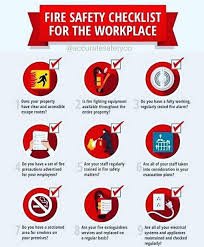
Fire safety audits are an important way to identify hazards before they become serious emergencies. A fire safety audit does not simply mean checking whether a building has fire extinguishers. A proper review looks at the entire fire and life-safety system, including alarms, emergency exits, electrical installations, fire protection equipment, housekeeping, emergency procedures, staff awareness, and maintenance records.
For beginners, the idea of conducting a fire safety audit can seem complicated. In reality, the process becomes much easier when it is divided into clear sections.
In Pakistan, fire-safety requirements can depend on the type of building, its occupancy, location, and the requirements of the relevant Authority Having Jurisdiction (AHJ). The Building Code of Pakistan Fire Safety Provisions 2016 addresses areas such as fire prevention, life safety, fire protection, means of egress, fire alarm systems, sprinklers, extinguishers, and maintenance.
This beginner’s checklist explains the major areas that should be considered during a fire safety audit.
What Is a Fire Safety Audit?
A fire safety audit is a structured review of a building’s fire hazards, protective systems, emergency arrangements, and maintenance practices.
The purpose is to identify conditions that could:
- Start a fire
- Help a fire spread
- Delay detection
- Prevent people from escaping
- Reduce the effectiveness of firefighting equipment
- Create confusion during an emergency
- Increase property damage
An audit should not be viewed simply as a search for mistakes. It is an opportunity to understand how well a building is prepared and where improvements are needed.
For more complex buildings or specialized fire protection systems, a qualified fire-safety professional should conduct or support the audit.
Why Are Fire Safety Audits Important?
A building can have modern fire protection equipment and still have serious safety weaknesses.
For example, an emergency exit may be blocked by storage, a fire alarm panel may show a fault, an extinguisher may be inaccessible, or electrical equipment may have visible damage.
These issues can easily be overlooked during normal daily operations.
A structured audit creates an opportunity to examine the building from a fire-safety perspective instead of waiting for an emergency to reveal weaknesses.
NFPA inspection guidance for fire alarm systems, for example, includes checking system condition, alarm and trouble signals, manual stations, detection devices, backup power, maintenance documentation, and identified deficiencies.
1. Start With Basic Building Information
Before walking through the building, collect basic information.
Record:
- Building name
- Address
- Building use
- Number of floors
- Approximate occupancy
- Main activities
- Areas with special hazards
- Previous fire incidents
- Date of the previous audit
- Date of the latest fire-system inspection
- Responsible person for fire safety
Also identify whether the building has undergone recent construction, renovation, expansion, or changes in occupancy.
Changes in building use or layout can affect fire-safety arrangements.
The Building Code of Pakistan’s provisions address fire hazards associated with structures, premises, storage, materials, processes, occupancy, and changes to fire suppression, sprinkler, and alarm systems.
2. Check Fire Hazards
The first practical step is identifying things that could start or spread a fire.
Look for hazards such as:
- Damaged electrical cables
- Overloaded electrical outlets
- Uncontrolled combustible materials
- Poor housekeeping
- Unsafe storage
- Heat-producing equipment
- Flammable materials
- Unapproved temporary wiring
- Accumulated waste
- Blocked ventilation
- Improperly maintained equipment
Do not assume that a hazard is harmless because it has existed for a long time.
Fire safety audits should focus on both obvious and less visible risks.
3. Inspect the Fire Alarm System
The fire alarm system deserves special attention because early warning can be critical during an emergency.
During an audit, check whether:
- The control panel appears operational
- There are alarm, supervisory, or trouble signals
- Manual alarm stations are accessible
- Detection devices are present where required
- Alarm notification devices are visible or audible as designed
- Backup power arrangements are maintained
- System documentation is available
- Inspection and maintenance records exist
NFPA 72 is a major reference for fire alarm and emergency communication systems and covers installation, inspection, testing, and maintenance.
For businesses reviewing a Fire alarm system in Pakistan, the audit should therefore consider more than whether a control panel is installed. Its condition, coverage, maintenance, documentation, and operational readiness are also important.
Any technical testing should be performed by appropriately qualified personnel and according to the applicable system requirements.
4. Check Manual Fire Alarm Points
Manual alarm stations should be easy to identify and access.
During the audit, check whether they are:
- Visible
- Accessible
- Clearly identified
- Free from storage or other obstructions
- Apparently undamaged
Do not allow furniture, boxes, displays, equipment, or temporary materials to block access.
The goal is to make it possible for occupants to raise an alarm without unnecessary delay when the system design provides for manual activation.
5. Inspect Fire Extinguishers
Fire extinguishers should be checked as part of the audit.
Look for:
- Correct placement
- Easy access
- Clear identification
- Physical damage
- Signs of deterioration
- Service information
- Missing units
- Obstructions
The audit should also consider whether the extinguishers are appropriate for the hazards present.
An extinguisher should not simply be treated as a decorative safety item. It needs to be maintained and available for its intended purpose.
Where specialized inspection or servicing is required, use qualified personnel.
6. Review Automatic Sprinkler Systems
Buildings with automatic sprinkler systems require appropriate inspection, testing, and maintenance.
During a basic audit, visually check for obvious concerns such as:
- Damaged sprinkler heads
- Obstructions around sprinkler equipment
- Signs of corrosion
- Damaged pipes
- Inaccessible control valves
- Missing identification
- Storage arrangements that may interfere with the system
Do not alter or manipulate system valves or components as part of an informal audit.
Detailed inspection, testing, and maintenance should be performed by qualified professionals following the applicable standard and system design.
NFPA 25 provides guidance for inspection, testing, and maintenance of water-based fire protection systems, and its current 2026 edition includes updated provisions for several components and maintenance situations.
7. Examine Fire Pumps and Water Supplies
Where a building depends on fire pumps and dedicated water supplies, these systems should form part of the audit.
Review available records for:
- Previous inspections
- Testing
- Maintenance
- Repairs
- Deficiencies
- Corrective actions
Also check whether access to fire protection equipment has been obstructed.
A fire protection system is only useful when its supporting components are maintained as intended.
8. Check Emergency Exits
One of the most important parts of a fire safety audit is the means of escape.
Walk through the building and examine:
- Exit routes
- Exit doors
- Corridors
- Stairways
- Exit signs
- Emergency lighting
- Access to final exits
- Obstructions
Ask a simple question:
Could someone unfamiliar with the building find and reach a safe exit during an emergency?
Storage, furniture, equipment, decorations, or other objects should not create unnecessary obstacles.
The Building Code of Pakistan Fire Safety Provisions includes requirements related to means of egress, exit arrangements, illumination, marking, and protection against obstructions.
9. Check Emergency Lighting
A power failure during a fire can make evacuation more difficult.
During the audit, identify whether emergency lighting is installed where required and whether there are records showing that it is maintained and tested.
Look for:
- Damaged fixtures
- Missing units
- Obstructions
- Poorly maintained equipment
- Exit routes that could become difficult to see during a power failure
Technical testing should be handled according to the applicable requirements.
10. Inspect Exit Signs
Exit signs should be easy to identify and should clearly support the evacuation route.
Check whether:
- Signs are visible
- Signs are not covered
- Directional information is understandable
- Signs are appropriately positioned
- Emergency illumination is maintained where required
A good audit considers the experience of someone who does not know the building layout.
11. Review Electrical Safety
Electrical equipment is an important area of fire prevention.
Look for visible signs of:
- Damaged cables
- Broken outlets
- Overloaded connections
- Improper temporary wiring
- Damaged electrical panels
- Poor equipment maintenance
- Excessive heat around electrical equipment
Do not open electrical panels or perform electrical testing during a basic audit unless you are qualified and authorized to do so.
Technical electrical maintenance should be handled by competent personnel.
NFPA 70B addresses preventive maintenance for electrical, electronic, and communication systems and equipment in commercial and industrial environments.
12. Review Housekeeping
Poor housekeeping can increase fire risk.
Check whether combustible waste, paper, cardboard, plastic, packaging, or other materials are accumulating unnecessarily.
Pay particular attention to:
- Storage rooms
- Workshops
- Electrical areas
- Kitchens
- Basements
- Warehouses
- Waste collection areas
- Plant rooms
Good housekeeping should be maintained every day, not only before an inspection.
13. Examine Storage Practices
Storage arrangements should not interfere with fire protection or escape.
During the audit, look for:
- Blocked aisles
- Items stored in exit routes
- Excessive combustible storage
- Storage too close to equipment
- Blocked fire extinguishers
- Blocked alarm stations
- Changes in storage arrangements
If the building’s use or storage has changed significantly, a professional review may be necessary to determine whether the existing fire protection remains suitable.
14. Inspect Fire Doors
Fire doors and other opening protectives can help limit the movement of fire and smoke.
During an audit, look for:
- Damaged doors
- Doors that do not close properly
- Obstructions
- Unauthorized modifications
- Damaged hardware
Do not permanently wedge fire doors open if doing so defeats their intended function.
Fire and smoke protection systems require appropriate inspection and maintenance to remain effective. NFPA guidance emphasizes the importance of inspection, testing, and maintenance for fire and smoke dampers and other protective components.
15. Check Kitchens and Cooking Areas
If the building contains a kitchen or food preparation area, inspect it separately.
Look for:
- Grease accumulation
- Poor housekeeping
- Unsafe electrical equipment
- Obstructed fire equipment
- Problems with ventilation
- Damaged appliances
- Poorly maintained suppression equipment where installed
Kitchen hazards can differ significantly from those found in offices, schools, warehouses, or other areas.
16. Review Special Hazard Areas
Every building should be checked for areas with higher-than-normal fire risks.
Examples may include:
- Generator rooms
- Electrical rooms
- Workshops
- Laboratories
- Kitchens
- Storage rooms
- Mechanical rooms
- Battery or charging areas
- Areas containing combustible or flammable materials
These areas may require additional controls depending on the building and activities taking place there.
17. Check Fire Safety Signage
Safety signs should help occupants understand what to do during an emergency.
Depending on the building, signage may identify:
- Emergency exits
- Fire extinguishers
- Alarm points
- Fire equipment
- Assembly areas
- Emergency instructions
- Hazardous areas
Signs should be visible and maintained.
18. Review Emergency Procedures
Equipment alone cannot create a complete fire-safety program.
Ask whether the organization has documented emergency procedures covering:
- Alarm activation
- Evacuation
- Emergency communication
- Assembly
- Emergency contacts
- Responsibilities of designated personnel
- Assistance for people who may need additional support
- Reporting of incidents
The procedures should reflect the actual building rather than being a generic document copied from another location.
19. Review Fire Drills and Training
Employees should understand what to do when a fire alarm activates.
Review whether staff receive appropriate training and whether emergency drills are conducted as required or appropriate for the facility.
Training can cover:
- Recognizing alarms
- Evacuation routes
- Assembly procedures
- Reporting hazards
- Emergency communication
- Fire equipment awareness
- Roles of designated emergency personnel
Specialized firefighting activities should be limited to appropriately trained personnel.
20. Check Maintenance Records
A fire safety audit should include documentation, not just a physical walk-through.
Review available records for:
- Fire alarm inspections
- Alarm testing
- Sprinkler inspections
- Fire pump testing
- Extinguisher servicing
- Emergency lighting checks
- Fire drills
- Staff training
- Repairs
- Previous audit reports
- Corrective actions
NFPA inspection guidance specifically emphasizes reviewing inspection and maintenance documentation and identifying deficiencies between records and actual field conditions.
21. Compare Records With Actual Conditions
One useful audit technique is to compare paperwork with what you actually see.
For example:
Record: Fire alarm inspection completed.
Audit question: Does the system appear operational, and are there unresolved fault signals?
Another example:
Record: Emergency exit checked.
Audit question: Is the route actually clear today?
This comparison can reveal problems that paperwork alone cannot identify.
22. Record Every Deficiency
Do not rely on memory.
When a problem is found, record:
- Location
- Description
- Date
- Risk or potential impact
- Photograph where appropriate
- Responsible department
- Recommended corrective action
- Target completion date
- Completion status
This turns the audit into an improvement tool.
23. Prioritize the Findings
Not every deficiency has the same level of urgency.
A useful approach is to classify findings as:
High Priority
Conditions that could seriously affect life safety or emergency response should receive immediate attention.
Examples may include blocked emergency exits or major failures affecting fire detection or protection.
Medium Priority
Problems that weaken fire safety but do not appear immediately critical should be scheduled for prompt correction.
Low Priority
Minor issues can still be documented and corrected through routine maintenance.
The exact classification should be determined by competent safety personnel and the applicable requirements.
24. Create a Corrective Action Plan
An audit has little value if nothing happens after the inspection.
For each important finding, identify:
- What needs to be corrected
- Who is responsible
- What resources are required
- When it should be completed
- How completion will be verified
Management should review outstanding findings regularly.
25. Repeat the Audit
Fire safety is not a one-time project.
Buildings change. Equipment ages. Employees change. Storage arrangements change. Renovations take place. New hazards may appear.
For this reason, organizations should establish an appropriate inspection and audit program based on the building’s risks, applicable requirements, and professional recommendations.
Fire Safety Audits in Pakistan
Organizations in Pakistan should consider the Building Code of Pakistan Fire Safety Provisions 2016 along with requirements applicable to their particular location and building.
The Pakistan Engineering Council’s code materials identify the Fire Safety Provisions 2016 as relevant to matters involving fire and explosion hazards, fire suppression systems, automatic sprinklers, alarm systems, and fire hazards associated with occupancy or operation.
Local requirements and enforcement can vary, so building owners and managers should confirm applicable requirements with the relevant authority and qualified professionals.
The Pakistan Engineering Council also recognizes professional work involving the installation, commissioning, and maintenance of fire detection, alarm, and suppression systems and related equipment.
A Simple Fire Safety Audit Checklist
For beginners, the following summary can be used as a starting point:
- [ ] Building information is up to date
- [ ] Fire hazards have been identified
- [ ] Fire alarm system appears operational
- [ ] Alarm control panel has no unresolved issues
- [ ] Manual alarm points are accessible
- [ ] Detection devices are not obviously obstructed
- [ ] Fire extinguishers are accessible
- [ ] Sprinkler equipment is unobstructed
- [ ] Fire pumps and water systems have maintenance records
- [ ] Emergency exits are clear
- [ ] Exit signs are visible
- [ ] Emergency lighting is maintained
- [ ] Electrical hazards have been identified
- [ ] Housekeeping is satisfactory
- [ ] Storage does not obstruct safety equipment
- [ ] Fire doors are maintained
- [ ] Special hazard areas have been reviewed
- [ ] Emergency procedures are available
- [ ] Staff have appropriate fire-safety training
- [ ] Fire drills are documented where applicable
- [ ] Inspection and maintenance records are available
- [ ] Deficiencies are documented
- [ ] Corrective actions have assigned responsibility
- [ ] Follow-up inspections are scheduled
Final Thoughts
A fire safety audit does not have to be complicated to be useful. The most important principle is to look at the building systematically and identify conditions that could prevent people from detecting, responding to, or escaping a fire.
Start with basic information, then inspect hazards, alarms, extinguishers, sprinklers, exits, electrical systems, housekeeping, emergency procedures, training, and records.
Most importantly, do not treat the audit as a paperwork exercise. A completed checklist is valuable only when identified problems are corrected.
A properly maintained Fire alarm system in Pakistan can be an important part of a wider fire protection strategy, but it should work alongside safe building practices, emergency planning, fire protection equipment, training, and regular maintenance.
For professional fire-safety equipment, systems, and related support, businesses can learn more about Flame Defender.
The goal of every fire safety audit should be simple: identify hazards early, improve preparedness, protect people, and continuously strengthen the building’s overall fire-safety program.
Frequently Asked Questions
1. What is the purpose of a fire safety audit?
A fire safety audit identifies fire hazards and checks whether fire protection, evacuation arrangements, emergency procedures, and maintenance practices are working as intended. It helps organizations find weaknesses before they contribute to an emergency.
2. What should be checked during a basic fire safety audit?
A basic audit should review fire hazards, alarms, extinguishers, sprinklers, emergency exits, emergency lighting, electrical conditions, housekeeping, fire doors, safety signage, emergency procedures, staff training, and maintenance records.
3. Who should conduct a fire safety audit?
Basic internal inspections can be performed by trained and responsible staff, but comprehensive audits and technical inspections should involve qualified fire-safety professionals, particularly for complex buildings and specialized fire protection systems.
4. How often should a fire safety audit be conducted?
There is no single frequency suitable for every building. The appropriate schedule depends on the building’s use, hazards, fire protection systems, applicable requirements, previous findings, and professional recommendations. Routine checks should be supplemented by appropriate formal inspections and testing.
5. Why are fire alarm systems important during an audit?
A fire alarm system can provide early warning and support an organized emergency response. An audit should therefore consider its condition, detection coverage, notification devices, manual stations, backup power, maintenance records, and unresolved faults—not simply whether an alarm system has been installed.