
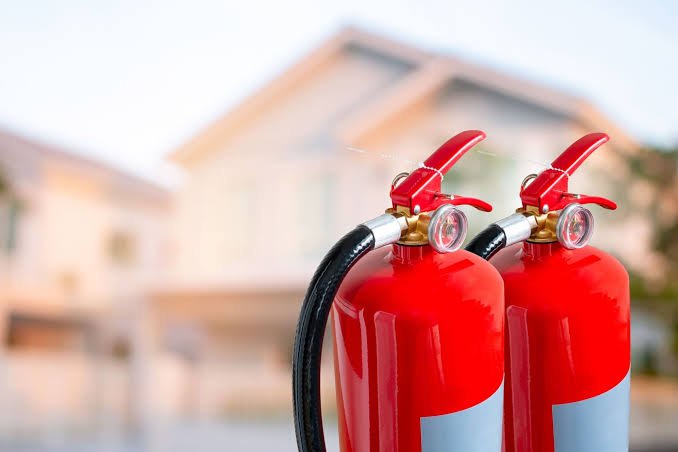
Fire safety is an essential responsibility for every home, workplace, commercial building, and industrial facility. A small electrical fault, unattended cooking appliance, overheating machine, or improperly stored flammable material can lead to a dangerous fire. While fire prevention is important, preparing for an emergency is equally necessary.
A fire safety checklist provides a simple, organised way to identify hazards, inspect safety equipment, and confirm that people know what to do if a fire occurs. It helps property owners, managers, employees, and families turn general safety advice into practical actions.
In Pakistan, fire safety arrangements are relevant to a wide range of premises, including offices, factories, shopping centres, hospitals, schools, restaurants, and residential buildings. Punjab Civil Defence identifies fire detection and alarm systems, firefighting arrangements, fire safety plans, emergency control rooms, and evacuation plans among the measures considered during inspections of relevant premises.
This beginner’s guide explains how to create and use fire safety checklists, what to inspect, how often to review important arrangements, and how to make fire preparedness part of everyday life.
What Is a Fire Safety Checklist?
A fire safety checklist is a written list of questions or tasks used to review a building’s fire prevention and emergency arrangements.
It can help people check whether:
- Potential fire hazards have been identified.
- Electrical equipment and wiring appear safe.
- Fire extinguishers are accessible and suitable.
- Fire alarms and detection equipment are maintained.
- Emergency exits and escape routes are clear.
- Evacuation instructions are available.
- Employees or residents understand emergency procedures.
- Inspection findings are recorded and corrected.
A checklist does not replace a professional fire risk assessment, inspection, or compliance review. Instead, it helps organise routine observations and identify issues that need further attention.
Why Are Fire Safety Checklists Important?
1. They help identify hazards early
Regular checks can reveal problems such as overloaded electrical sockets, combustible waste near heat sources, blocked exits, damaged cables, or poorly maintained equipment.
Finding these issues early gives people an opportunity to address them before they contribute to an emergency.
2. They encourage consistent inspections
Without a written checklist, important tasks can be forgotten or completed inconsistently. A documented process makes it easier to assign responsibilities and review whether checks have been completed.
3. They improve emergency preparedness
A checklist can help confirm that alarms, evacuation routes, emergency lighting, and firefighting equipment are ready for use.
4. They support accountability
Recording deficiencies, responsible persons, and completion dates makes it easier to follow up on safety problems instead of allowing them to remain unresolved.
5. They help support compliance efforts
Fire safety requirements vary according to location, building type, occupancy, and applicable regulations. Checklists can support compliance work, but they should be based on the requirements that actually apply to the premises.
Step 1: Identify the Fire Hazards
The first part of a fire safety checklist should focus on anything that could start a fire or help it spread.
Walk through the premises and consider normal operations, storage practices, equipment, and activities that could create heat or sparks.
Electrical hazards
Inspect the visible condition of electrical equipment and look for:
- Damaged plugs, cables, and sockets
- Exposed or loose wiring
- Signs of overheating or burning
- Improvised electrical connections
- Extension leads used inappropriately
- Electrical equipment close to combustible materials
- Restricted access to electrical isolation switches
Do not open electrical panels or attempt repairs unless qualified to do so. Report defects to a competent electrician.
Cooking and heating hazards
For kitchens, staff rooms, and areas using heaters, check whether:
- Cooking appliances are kept clean.
- Heat-producing equipment is used as instructed.
- Combustible materials are kept away from hot surfaces.
- Cooking is supervised appropriately.
- Ventilation and extraction systems are maintained.
- Appliances are switched off when required.
Commercial kitchens should pay particular attention to cooking oils, grease deposits, extraction systems, and the correct firefighting equipment.
Smoking and ignition sources
Check whether smoking rules are communicated and followed. Cigarettes, matches, lighters, welding equipment, and other ignition sources should be managed according to the hazards of the premises.
Combustible materials and housekeeping
Look for accumulated cardboard, paper, packaging, fabric, rubbish, or other combustible materials.
Keep storage areas organised, maintain suitable separation from heat sources, and remove waste regularly. Avoid storing materials in corridors, stairways, or in front of firefighting equipment.
Step 2: Check Fire Extinguishers and Firefighting Equipment
Fire extinguishers, hose reels, hydrants, and other firefighting equipment must be appropriate for the building’s hazards and maintained in usable condition.
Use this checklist during routine visual inspections.
Firefighting equipment checklist
0/9
Extinguishers are present in their designated locations.
Access to extinguishers and firefighting equipment is clear.
Equipment appears securely mounted and undamaged.
Labels and operating instructions are readable.
Safety pins and tamper seals appear intact where applicable.
Pressure indicators, if fitted, show the appropriate range.
Hoses and nozzles appear free from visible damage or blockage.
Inspection and servicing records are available.
Any discharged, damaged, or missing equipment has been reported.
Reset checklist
A visual check cannot confirm that an extinguisher is internally sound or fully serviceable. Professional inspection, maintenance, and testing must follow the manufacturer’s instructions and applicable standards. The Building Code of Pakistan includes provisions addressing extinguisher inspection records and maintenance.
Step 3: Inspect the Fire Alarm and Detection System
A fire alarm system helps alert occupants when a fire emergency is detected or reported. Depending on the building, the system may include smoke detectors, heat detectors, manual call points, sounders, visual alarms, and a control panel.
A checklist for a fire alarm system in Pakistan should consider the building’s occupancy, layout, system design, and applicable local requirements.
Fire alarm checklist
- Is the alarm system present where required?
- Does the control panel show normal operation or any fault indication?
- Are manual call points accessible and clearly identifiable?
- Are detectors visibly undamaged and unobstructed?
- Are alarm sounders and visual warning devices unobstructed?
- Can occupants recognise the alarm signal?
- Are testing and maintenance records available?
- Are faults reported and followed up promptly?
- Is backup power provided where required by the system design?
- Do responsible staff know how to raise the alarm?
Testing should be conducted according to the manufacturer’s instructions and the applicable maintenance plan. Only authorised or competent personnel should carry out tasks that require technical knowledge.
Do not disable detectors or silence persistent faults without investigating them. A system that appears installed but cannot reliably alert occupants may leave people without sufficient warning.
Step 4: Review Emergency Exits and Escape Routes
People need a safe way to leave a building during a fire. Emergency exits and escape routes should be planned for the building’s occupancy and layout.
During a checklist inspection, confirm that:
- Escape routes are clear of boxes, furniture, waste, and stored materials.
- Emergency exits are clearly identified.
- Exit doors can be opened as intended.
- Stairways are kept clear.
- Fire doors are not wedged open or obstructed.
- Exit signs are visible.
- Emergency lighting is maintained where required.
- Routes lead towards a safe place outside the building.
- People who may need assistance have suitable evacuation arrangements.
Never assume that a familiar entrance is the only safe way out. Buildings should have evacuation arrangements that account for available exits and foreseeable hazards.
Step 5: Check Emergency Lighting and Safety Signs
Smoke, darkness, or a power failure can make it difficult to find an exit. Emergency lighting and clear signs help people recognise escape routes and safety equipment.
Emergency lighting checklist
- Are emergency lights installed where required?
- Are visible units undamaged?
- Are test and maintenance records available?
- Are faults reported and corrected?
- Can escape routes be identified if normal lighting fails?
Safety signs checklist
- Are exit signs visible and legible?
- Are signs directing people to escape routes appropriately positioned?
- Are fire extinguisher and alarm locations identified where necessary?
- Are emergency instructions displayed in places where people can see them?
- Can occupants understand the signs and instructions?
The exact requirements for emergency lighting and signage depend on the premises and applicable standards. Include them in the building’s fire safety plan.
Step 6: Review the Evacuation Plan
An evacuation plan explains how people should respond when a fire or other emergency occurs.
A useful plan should identify:
- How occupants are warned
- The available escape routes
- Alternative routes where applicable
- Assembly points
- How emergency services are contacted
- Who coordinates evacuation, where appropriate
- How visitors and contractors are informed
- Arrangements for people who need assistance
- Procedures for reporting missing persons, where applicable
Post evacuation information where people can readily find it. Make sure new employees and regular visitors receive relevant instructions.
A plan should also explain that people must not re-enter the building until authorised by the appropriate emergency personnel.
Step 7: Conduct Fire Drills and Provide Training
A written plan is only useful when people understand it. Fire drills and training help occupants practise what to do rather than trying to learn during an emergency.
Training checklist
- Have employees received fire safety induction?
- Do they know how to raise the alarm?
- Can they identify the nearest safe exits?
- Do they know the assembly point?
- Do they understand that evacuation takes priority over fighting a fire?
- Have designated fire wardens or emergency coordinators received appropriate instruction?
- Are training and drill records maintained?
Fire drill checklist
- Is the drill planned and communicated appropriately?
- Are evacuation routes used as intended?
- Can occupants recognise the alarm?
- Are people accounted for at the assembly point?
- Are any access or communication problems recorded?
- Are lessons from the drill used to improve the plan?
The appropriate drill frequency depends on the building, its risks, and applicable requirements. Keep a record of each drill and any follow-up actions. Pakistan workplace inspection materials include checks relating to evacuation drills and documentation.
Step 8: Check Storage of Flammable Materials
Flammable liquids, gases, and other hazardous materials need controls appropriate to their properties and the way they are used.
During the inspection, consider:
- Are hazardous substances identified?
- Are containers suitable and clearly labelled?
- Are materials stored according to relevant instructions?
- Are ignition sources controlled?
- Is ventilation suitable for the storage area?
- Are incompatible materials kept appropriately separated?
- Are spills handled using suitable procedures?
- Is access restricted where necessary?
- Are workers trained in safe handling and emergency response?
Do not rely on a general checklist alone for specialised chemical storage. Obtain a competent assessment where hazardous substances or industrial processes create additional risks.
Step 9: Inspect Special Areas
Some parts of a building need additional checks because of the activities or equipment they contain.

Kitchens
Check cooking equipment, grease accumulation, ventilation, safe storage of oils, and suitable fire protection for cooking hazards.

Factories and workshops
Check machinery, electrical installations, hot-work activities, combustible waste, and storage of flammable materials.

Warehouses
Check storage arrangements, clear aisles, access to firefighting equipment, and separation of materials from ignition sources.

Homes and apartments
Check smoke alarms where appropriate, cooking and heating hazards, electrical equipment, escape options, and household emergency instructions.
These are general inspection topics. The final checklist should reflect the actual activities and hazards in each area.
Step 10: Create a Fire Safety Inspection Schedule
Not every inspection task needs to happen at the same interval. Establish a schedule based on the building’s risks, the equipment manufacturer’s instructions, and applicable requirements.
A simple example is:
| Frequency | Example checks |
|---|---|
| Daily or before opening | Clear exits, visible hazards, safe housekeeping |
| Weekly | General equipment condition and designated checks under the site plan |
| Monthly | Documented inspections of relevant equipment and safety arrangements |
| At intervals specified by the manufacturer or standard | Technical testing and maintenance |
| After an incident or significant change | Review hazards, equipment, and evacuation arrangements |
This is an illustrative schedule, not a universal legal requirement. A competent person should define the actual frequency for the premises.
Some official workplace guidance recommends maintaining records of checks and arranging regular testing and servicing by competent people.
Step 11: Record Problems and Corrective Actions
A checklist should do more than identify problems. It should help ensure they are addressed.
For every deficiency, record:
- Date of inspection
- Area or equipment involved
- Description of the problem
- Risk or urgency
- Temporary precautions, if needed
- Person responsible for resolving it
- Target completion date
- Date completed
- Verification that the issue has been corrected
Serious hazards should be reported immediately and controlled without waiting for the next routine inspection. If a fire protection system is impaired, follow the site’s impairment procedure and arrange competent assistance.
A Simple Fire Safety Checklist for Beginners
Use this summary as a starting point for a home or workplace review. Add checks specific to your building and local requirements.
Quick fire safety review
0/10
Fire hazards and combustible waste reviewed.
Electrical equipment checked for visible damage.
Suitable extinguishers present and accessible.
Fire alarm and detection arrangements checked.
Escape routes and exits clear.
Exit signs and emergency lighting reviewed.
Evacuation plan available and understandable.
Assembly point identified.
Staff or household members briefed on emergency actions.
Inspection findings recorded and assigned for follow-up.
Reset checklist
Fire Safety Checklist Considerations in Pakistan
Fire safety responsibilities and inspection processes can differ between provinces, cities, building categories, and regulatory authorities. Owners and managers should identify which requirements apply to their premises rather than assuming that one checklist covers every situation.
In Pakistan, relevant considerations may include:
- Applicable building and fire safety provisions
- Requirements of the local development or building control authority
- Relevant Civil Defence or emergency service inspections
- The building’s approved fire safety arrangements
- Fire detection and alarm systems
- Fire extinguishers, hydrants, sprinklers, or other required equipment
- Emergency exits and evacuation procedures
- Training and maintenance documentation
Punjab Civil Defence identifies several fire safety measures for premises under its inspection mandate, while Rescue 1122 provides a fire safety audit form. These resources can help organisations understand the kinds of arrangements that may be reviewed, but the applicable authority should confirm requirements for a particular building.
For businesses considering a fire alarm system in Pakistan, the checklist should verify that the installed system is suitable for the premises, maintained by competent personnel, and integrated into a practical emergency response plan.
Common Fire Safety Checklist Mistakes
Treating every building the same
A house, restaurant, warehouse, and factory do not have identical fire hazards. Tailor the checklist to the building’s use.
Completing checks without recording results
A tick mark alone may not explain what was inspected or whether a problem was found. Add notes when something needs attention.
Ignoring repeated faults
Repeated alarm faults, blocked exits, or damaged equipment indicate that corrective action may not be effective. Investigate the underlying cause.
Assuming equipment is safe because it is present
An extinguisher, detector, or alarm may be damaged, unsuitable, or overdue for maintenance. Presence alone does not prove readiness.
Focusing only on equipment
People also need clear instructions, suitable escape routes, training, and a plan for responding to an alarm.
Failing to review after changes
Renovations, new machinery, changed storage arrangements, increased occupancy, or new processes can alter fire risks. Review the checklist and risk assessment when significant changes occur.
Conclusion
Fire safety checklists help make prevention and emergency preparedness more organised. By reviewing hazards, firefighting equipment, alarms, exits, emergency lighting, evacuation plans, and training, property owners and managers can identify issues that need attention.
The most useful checklist is one that reflects the actual building and is used consistently. It should include clear responsibilities, inspection records, corrective actions, and follow-up checks. Technical testing and maintenance should be completed by competent personnel according to applicable requirements.
For homes and workplaces across Pakistan, fire safety should be treated as an ongoing responsibility rather than a one-time task. A well-maintained fire alarm system, appropriate firefighting equipment, clear evacuation arrangements, and informed occupants all contribute to a more prepared environment.
Frequently Asked Questions (FAQs)
1. What should a basic fire safety checklist include?
A basic checklist should cover fire hazards, electrical safety, extinguishers, alarms, emergency exits, signage, emergency lighting, evacuation plans, training, and records of corrective actions.
2. How often should a fire safety checklist be completed?
The frequency depends on the building’s risks, equipment, and applicable requirements. Some checks may be daily or weekly, while technical testing and maintenance follow the relevant standards and manufacturer’s instructions.
3. Who is responsible for completing a fire safety checklist?
A designated building manager, safety officer, trained employee, or responsible property owner may complete routine checks. Specialist inspections and technical maintenance should be handled by competent professionals.
4. Is a fire safety checklist enough to meet legal requirements in Pakistan?
Not necessarily. A checklist supports fire safety management but does not automatically establish compliance. Requirements depend on the premises, location, applicable codes, and relevant authorities.
5. Why should a fire alarm system be included in a fire safety checklist?
A fire alarm system helps warn occupants of a potential emergency. Checking its condition, fault indications, testing records, and maintenance arrangements helps ensure that warning procedures remain part of an effective evacuation plan.