
Fire safety is an important responsibility for every building owner, business manager, and organization. Whether a property is a small office, a school, a hospital, a shopping mall, a factory, or a residential building, fire hazards can put people, property, and daily operations at risk. A fire safety audit helps identify these hazards and determine whether the necessary precautions are in place.
Many people assume that having fire extinguishers and emergency exits is enough to protect a building. However, effective fire protection involves much more. Electrical installations, fire alarm systems, evacuation routes, emergency lighting, staff training, and equipment maintenance all contribute to a safer environment.
A fire safety audit provides a structured way to examine these arrangements, identify weaknesses, and recommend improvements. It also helps organizations understand their responsibilities and prepare for emergencies before an incident occurs.
In Pakistan, fire safety is particularly important in commercial buildings, industrial facilities, educational institutions, healthcare settings, and high-rise properties. A properly planned audit can help building managers assess their existing precautions and determine where improvements are needed.
This guide explains fire safety audits in plain English, including their purpose, main stages, common findings, and practical benefits. It also discusses how a reliable fire alarm system in Pakistan can support a broader fire prevention and emergency response strategy.
1. What Is a Fire Safety Audit?
A fire safety audit is a systematic examination of a building, its fire hazards, and the measures used to prevent and respond to fires.
The purpose is to determine whether suitable precautions are in place, whether safety equipment is maintained, and whether occupants can respond effectively during an emergency.
Depending on the property, an audit may cover:
- Potential fire hazards and sources of ignition.
- Storage and handling of combustible materials.
- Electrical installations and equipment.
- Fire detection and alarm systems.
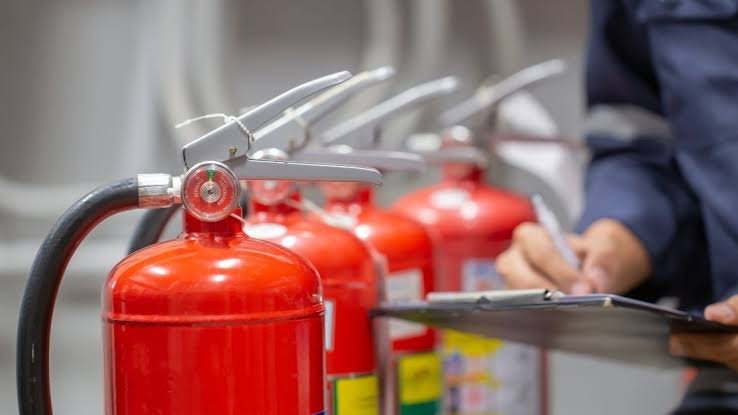
- Fire extinguishers and other firefighting equipment.
- Emergency exits and evacuation routes.
- Emergency lighting and safety signage.
- Staff awareness, training, and evacuation drills.
- Inspection, testing, and maintenance records.
- Compliance with applicable building and fire safety requirements.
An audit should not simply produce a list of equipment that a building owns. It should evaluate whether that equipment is suitable for the risks, correctly installed, accessible, and maintained.
For example, a building may have several fire extinguishers, but they may be difficult to reach or unsuitable for the hazards present. Similarly, an alarm system may be installed but not adequately maintained.
A fire safety audit helps identify such gaps and provides a basis for corrective action.
2. Why Are Fire Safety Audits Important?
Fire safety audits help organizations identify problems before they lead to an emergency. They also encourage building managers to treat fire prevention as an ongoing responsibility rather than a one-time activity.
Protecting people
The most important purpose of a fire safety audit is to protect human life. Identifying blocked exits, inadequate warning systems, or poorly understood evacuation procedures can help reduce risks to employees, visitors, residents, and customers.
Identifying hidden hazards
Some hazards are easy to notice, while others may require a closer examination. Overloaded electrical circuits, poorly maintained equipment, unsuitable storage arrangements, and gaps in maintenance records may not be immediately obvious.
A structured audit helps bring these issues to attention.
Improving emergency preparedness
An effective audit examines whether people know what to do when a fire alarm sounds. It considers evacuation procedures, emergency communication, staff responsibilities, and arrangements for helping people who may need additional assistance.
Protecting property and operations
Fire can damage buildings, equipment, inventory, and important records. It may also interrupt business activities for an extended period.
Identifying weaknesses early allows organizations to prioritize improvements and reduce avoidable disruption.
Supporting regulatory compliance
Buildings in Pakistan may be subject to relevant building codes, local authority requirements, fire safety provisions, and industry-specific rules. An audit can help identify potential compliance gaps, although it does not automatically certify that a building meets every legal requirement.
3. Who Needs a Fire Safety Audit?
Fire safety audits can benefit almost any property where people live, work, study, shop, or receive services. The audit’s scope should reflect the building’s size, occupancy, activities, and specific hazards.
Offices: Audits can examine electrical equipment, office layouts, escape routes, alarm systems, and staff awareness.
Schools and colleges: Particular attention should be given to evacuation arrangements, student supervision, alarm audibility, and keeping corridors and exits clear.
Hospitals and healthcare facilities: Auditors may need to consider patients who cannot evacuate independently, medical equipment, compartmentation, emergency communication, and coordinated evacuation procedures.
Shopping malls and hotels: High visitor numbers make clear signage, reliable alarms, accessible exits, staff training, and coordinated emergency arrangements especially important.
Factories and warehouses: Audits may focus on machinery, electrical installations, combustible materials, storage arrangements, industrial processes, and the suitability of firefighting equipment.
Apartment buildings and high-rise properties: Audits should examine shared escape routes, fire doors, alarm arrangements, emergency lighting, evacuation communication, and building-specific fire protection measures.
The correct audit approach depends on the risks involved. A small office and a large industrial facility should not automatically receive the same inspection checklist.