
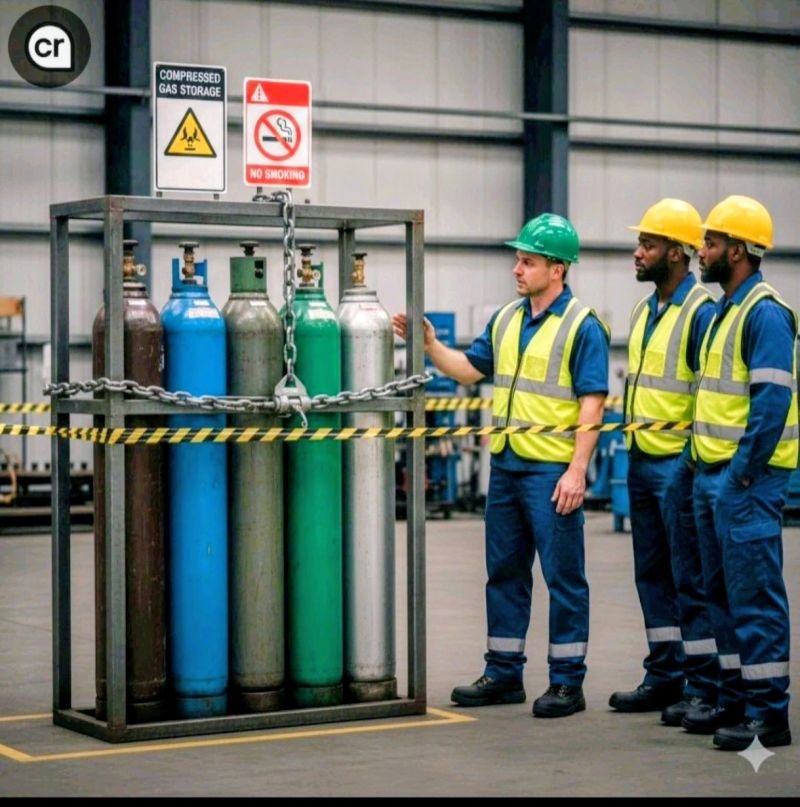
Gas cylinders are commonly used in homes, restaurants, hotels, offices, and commercial kitchens across Pakistan. They provide fuel for cooking and other everyday activities, especially in areas where a reliable natural gas supply is not always available. Although gas cylinders are convenient, they must be handled, stored, and maintained properly to reduce the risk of gas leaks, fires, and other accidents.
Cylinder safety is not only about using gas carefully. It also involves choosing suitable equipment, ensuring proper ventilation, recognizing warning signs, and understanding what to do during an emergency. Small mistakes, such as ignoring a damaged connection or keeping a cylinder near a heat source, can create serious hazards.
Whether you are a homeowner, a business owner, a restaurant manager, or someone responsible for workplace safety, understanding basic cylinder safety principles can help protect people and property.
This guide explains cylinder safety in plain English, with practical information relevant to Pakistan. It also explains how fire prevention measures, regular inspections, and a reliable fire alarm system in Pakistan can contribute to a safer environment.
1. What Is Cylinder Safety?
Cylinder safety refers to the precautions taken when selecting, transporting, storing, and handling gas cylinders. These precautions help prevent gas leaks, fires, explosions, and injuries.
Liquefied petroleum gas (LPG) is widely used for cooking and heating. It is stored under pressure inside specially designed cylinders. LPG is highly flammable, so even a small leak can become dangerous when gas accumulates in an enclosed area and encounters an ignition source.
Cylinder safety includes several important practices:
- Using cylinders designed and approved for the intended gas.
- Keeping cylinders away from flames and excessive heat.
- Ensuring that regulators, valves, and connections are suitable and undamaged.
- Providing adequate ventilation in areas where gas cylinders are used.
- Arranging inspections and maintenance through qualified professionals.
- Knowing how to respond safely if a leak or fire occurs.
These measures apply to domestic and commercial settings. However, restaurants, factories, hotels, and other workplaces may require additional safeguards according to their activities and applicable regulations.
2. Common Risks Associated With Gas Cylinders
Understanding the main hazards makes it easier to prevent accidents.
Gas leaks
A leak may occur because of damaged equipment, faulty valves, worn connections, corrosion, or improper installation. Escaping gas can collect in poorly ventilated spaces and create a fire or explosion risk.
LPG is heavier than air, so it can accumulate near floor level and in low-lying spaces. This makes adequate ventilation and correct cylinder placement especially important.
Fire hazards
Gas can ignite when it comes into contact with an ignition source, such as an open flame, a spark, or certain electrical equipment. A leaking cylinder near a stove or other heat source can therefore create a serious emergency.
Excessive heat
Cylinders exposed to fire or intense heat can become extremely dangerous because the pressure inside may increase. Cylinders should never be placed near stoves, heaters, furnaces, or other sources of excessive heat.
Damaged equipment
Cracked hoses, unsuitable regulators, damaged valves, and poorly maintained appliances can compromise safety. Equipment that appears worn or damaged should not be used until it has been assessed and made safe by a qualified professional.
Poor ventilation
Using gas in an enclosed or inadequately ventilated area increases the danger of gas accumulation. Poor ventilation can also contribute to carbon monoxide exposure when gas appliances burn fuel improperly.
Recognizing these risks is the first step toward establishing safer habits at home and in the workplace.
3. Safe Cylinder Placement and Storage
Correct placement is essential for reducing gas-related hazards. Cylinders should be stored and used according to the manufacturer’s instructions and applicable local requirements.
Choose a suitable location
Keep cylinders in a stable, secure, and well-ventilated location. They should be protected from direct heat, physical damage, and unauthorized interference.
Cylinders should generally be kept upright and secured against falling. Do not place them in escape routes, stairwells, or other locations where they could obstruct evacuation.
Keep cylinders away from ignition sources
Never position cylinders where escaping gas could readily encounter an open flame or another ignition source. Avoid unsuitable locations near electrical equipment, cooking appliances, and hot surfaces.
Avoid enclosed spaces
Do not store LPG cylinders in basements, pits, or other low-lying enclosed areas where leaking gas could accumulate. Follow the applicable requirements for indoor and outdoor storage rather than assuming that any convenient location is safe.
Protect cylinders from damage
Cylinders should not be dropped, dragged, struck, or exposed to conditions that could damage their structure. Keep them away from vehicle traffic and heavy objects.
Keep the area clear
Do not allow rubbish, combustible materials, or unnecessary equipment to accumulate around cylinder storage areas. A clean, accessible location makes inspections easier and helps people respond more safely during an emergency.
For commercial premises, storage arrangements should be reviewed by a qualified fire-safety professional who understands the building layout and relevant regulations.