
If you own a fire extinguisher at home, in your shop, factory, or office in Pakistan, you probably know it needs regular checking. But there’s one important test that many people overlook hydrostatic testing. This test checks whether the metal cylinder of your extinguisher is still strong enough to hold pressure safely.
In this guide, we’ll explain what hydrostatic testing is, when it’s required, why it matters, and how it connects to another important service fire extinguisher refilling in Pakistan. Whether you manage a business, run a factory, or simply want to keep your family safe, this article will help you understand everything in simple, easy words.
What Is Hydrostatic Testing?
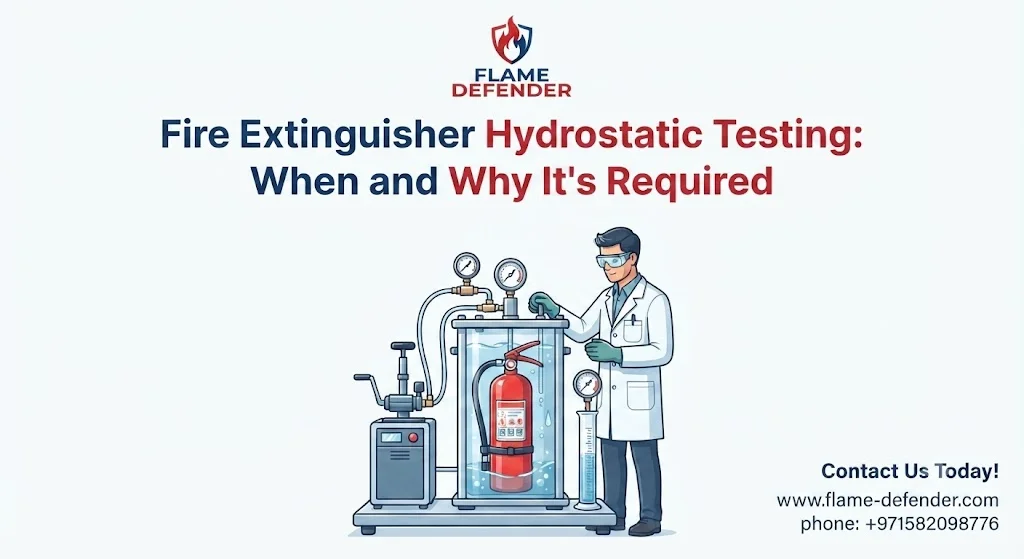
Hydrostatic testing is a safety check performed on the metal cylinder (body) of a fire extinguisher. During this test, technicians fill the empty cylinder with water and apply pressure much higher than the extinguisher normally experiences. This shows whether the cylinder still has enough strength to safely hold the extinguishing agent and pressurized gas inside it.
Think of it like testing a water pipe before using it — you want to be sure it won’t burst under pressure. The same idea applies here, except the stakes are much higher, because a fire extinguisher must work perfectly during an emergency.
Over years of use, extinguisher cylinders can develop small weaknesses due to:
- Rust and corrosion (common in Pakistan’s humid coastal areas like Karachi)
- Physical damage such as dents or scratches
- Old age of the cylinder
- Exposure to extreme heat or cold
- Poor storage conditions
Hydrostatic testing catches these problems before they become dangerous.
Why Hydrostatic Testing Matters
A fire extinguisher is a pressurized device. If the cylinder is weak or damaged and someone tries to use it during a fire, it could leak, fail to discharge properly, or in rare and serious cases, rupture. This is why safety authorities around the world — and increasingly in Pakistan recommend regular hydrostatic testing as part of fire safety compliance.
Here’s why it’s so important:
1. It Protects Lives A fire extinguisher that fails during an emergency puts everyone nearby at risk, including the person trying to fight the fire.
2. It Ensures Legal and Insurance Compliance Many commercial buildings, factories, and offices in Pakistan are required to maintain fire safety equipment according to standards. Regular testing helps businesses stay compliant during safety audits and insurance inspections.
3. It Extends Equipment Life Testing helps identify small issues early, which can often be repaired instead of requiring a full replacement of the extinguisher.
4. It Confirms the Cylinder Is Still Safe to Refill This is where hydrostatic testing connects directly with fire extinguisher refilling. Before refilling an extinguisher, technicians should confirm that the cylinder itself is structurally sound. Refilling a weak or damaged cylinder can be dangerous, no matter how good the refill materials are.
When Is Hydrostatic Testing Required?
The exact testing interval depends on the type of extinguisher, but general international standards (which are also widely followed by fire safety companies in Pakistan) recommend the following:
| Extinguisher Type | Recommended Testing Interval |
|---|---|
| Water and Foam (Stored Pressure) | Every 5 years |
| CO2 (Carbon Dioxide) | Every 5 years |
| Dry Chemical Powder (Stored Pressure) | Every 12 years |
| Dry Chemical Powder (Cartridge Operated) | Every 12 years |
| Wet Chemical | Every 5 years |
In addition to scheduled intervals, hydrostatic testing is also required immediately if:
- The cylinder shows visible rust, dents, or corrosion
- The extinguisher has been exposed to fire or extreme heat
- The cylinder has been dropped or physically damaged
- The extinguisher fails a visual inspection
- The extinguisher is being refilled after several years of storage
If you’re unsure how old your extinguisher is or when it was last tested, a professional fire safety company can inspect the manufacturing date stamped on the cylinder and advise you accordingly.
How the Hydrostatic Testing Process Works
Here’s a simple breakdown of what happens during the test:
- Discharge and Disassembly — The extinguisher is fully emptied and taken apart.
- Cleaning and Inspection — The cylinder is cleaned and visually checked for rust, cracks, or dents.
- Water Filling — The empty cylinder is filled completely with water, removing all air.
- Pressure Testing — The cylinder is placed in a protective testing chamber and pressurized well above its normal operating level.
- Expansion Check — Technicians measure how much the cylinder expands under pressure. A small, safe amount of expansion is normal; excessive expansion means the cylinder fails the test.
- Drying and Reassembly — If the cylinder passes, it’s dried, refitted with new valves and seals if needed, and prepared for refilling.
- Stamping — The cylinder is stamped with the test date, so the next testing due date is easy to track.
If the cylinder fails the test, it must be taken out of service and safely replaced, it should never be refilled or reused.
Hydrostatic Testing and Fire Extinguisher Refilling: Why They Go Together
Many people confuse refilling and testing, but they serve different purposes:
- Refilling replaces the extinguishing agent (powder, foam, water, or gas) after use or expiry.
- Hydrostatic testing checks the strength and safety of the cylinder itself.
A responsible fire safety provider will check whether hydrostatic testing is due before refilling your extinguisher. This ensures you’re not just topping up an extinguisher, but also confirming it’s structurally safe to use again.
If you’re looking for reliable fire extinguisher refilling in Pakistan, it’s worth choosing a provider that also offers hydrostatic testing, valve inspection, and full servicing — not just a quick refill. This gives you complete peace of mind that your equipment will work when you need it most.
For professional refilling services that follow proper safety checks, you can visit Flame Defender’s fire extinguisher refilling service to learn more about how they handle testing, refilling, and maintenance together.
Signs Your Fire Extinguisher May Need Testing or Refilling
Keep an eye out for these common warning signs:
- The pressure gauge needle is outside the green zone
- Visible rust, dents, or corrosion on the cylinder
- The pin or tamper seal is broken or missing
- The extinguisher hasn’t been serviced in over a year
- It feels lighter than usual (possible leakage)
- The hose or nozzle looks cracked or blocked
If you notice any of these signs, it’s best to contact a certified fire safety company for inspection rather than waiting for an emergency to find out your extinguisher doesn’t work.
Why Fire Safety Matters More Than Ever in Pakistan
Pakistan’s growing number of factories, warehouses, shopping malls, and residential buildings makes fire safety compliance increasingly important. Humid weather in cities like Karachi can speed up cylinder corrosion, while extreme summer heat in cities like Multan or Lahore can affect internal pressure over time. Regular hydrostatic testing, paired with proper refilling, helps ensure that fire safety equipment performs reliably across Pakistan’s varied climate conditions.
Businesses in particular should treat this as a routine part of facility management not an optional extra. A well-maintained extinguisher can make the difference between a small, controlled incident and a major loss.
Frequently Asked Questions (FAQs)
1. What is hydrostatic testing of a fire extinguisher? Hydrostatic testing is a pressure test performed on the metal cylinder of a fire extinguisher to check whether it’s still strong enough to safely hold pressure. It involves filling the empty cylinder with water and testing it under high pressure.
2. How often should a fire extinguisher be hydrostatically tested? It depends on the type. Water, foam, CO2, and wet chemical extinguishers typically need testing every 5 years, while dry chemical powder extinguishers usually need testing every 12 years.
3. Why is hydrostatic testing important? It ensures the extinguisher cylinder hasn’t weakened due to rust, damage, or age. A weak cylinder could fail or leak during an emergency, so testing keeps both the equipment and the user safe.
4. Is hydrostatic testing the same as refilling? No. Refilling replaces the extinguishing agent inside the extinguisher, while hydrostatic testing checks the physical strength of the cylinder itself. Both are important but serve different purposes.
5. What happens if a fire extinguisher fails the hydrostatic test? If a cylinder fails the test, it means it’s no longer safe to use. It should be taken out of service and replaced rather than refilled or reused.
6. Can I refill my fire extinguisher without hydrostatic testing? It’s possible, but not recommended if the cylinder is due for testing or shows signs of damage. Refilling a weak cylinder can be unsafe. A trusted provider will check testing status before refilling.
7. How do I know if my fire extinguisher needs refilling? Common signs include a pressure gauge outside the green zone, a broken tamper seal, visible damage, or the extinguisher feeling lighter than normal. Annual inspection is recommended even without visible issues.
8. Where can I get fire extinguisher refilling in Pakistan? Several certified fire safety companies across Pakistan offer refilling, inspection, and hydrostatic testing services. It’s best to choose a provider that checks the full safety of the extinguisher, not just refills it. Services like Flame Defender offer complete refilling and maintenance support.
9. How long does hydrostatic testing take? The process itself usually takes a few hours per cylinder, including inspection, pressure testing, drying, and reassembly. Turnaround time may vary depending on the service provider and number of units being tested.
10. Do home fire extinguishers also need hydrostatic testing? Yes. Even household extinguishers have metal cylinders that can weaken over time due to age, humidity, or improper storage. Regular testing every 5–12 years (depending on type) is recommended for home units too.
Keeping your fire extinguishers properly tested and refilled isn’t just about compliance — it’s about making sure they actually work when you need them most. Whether you’re a homeowner, a shop owner, or managing a large facility, regular hydrostatic testing paired with professional refilling is one of the simplest ways to stay protected.