
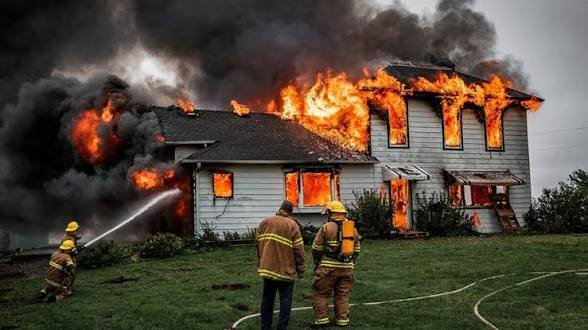
Home is where families expect to feel safe and comfortable. However, fires can happen in any household, often because of everyday activities such as cooking, using electrical appliances, heating, or charging devices. A fire may begin in a kitchen, bedroom, electrical area, garage, or another part of the property and may not be noticed immediately.
This is why home fire safety should be treated as an ongoing responsibility rather than something to think about only after an accident.
For families in Pakistan, a good home fire-safety plan can include prevention, early detection, clear escape routes, appropriate equipment, regular maintenance, and basic family education. The Building Code of Pakistan Fire Safety Provisions 2016 provides a framework covering fire prevention, life safety, and fire protection for applicable buildings and structures.
One important part of this approach is reliable fire detection. A properly selected and maintained fire alarm system in Pakistan can provide an early warning when smoke, heat, or another monitored fire condition is detected.
But an alarm alone is not a complete safety plan. Families also need to understand common hazards and know what to do during an emergency.
What Does Home Fire Safety Mean?
Home fire safety is the collection of measures used to prevent fires, detect them early, and help people respond safely if a fire occurs.
It includes everyday habits as well as safety equipment.
A basic home fire-safety plan may include:
- Safe electrical practices
- Careful cooking habits
- Proper use of heating appliances
- Safe handling of candles and open flames
- Appropriate smoke or fire detection
- Suitable fire-protection equipment
- Clear escape routes
- An emergency meeting point
- Regular equipment maintenance
- Family fire-safety education
The exact requirements can differ from one property to another. A small single-storey house will not necessarily have the same needs as a large multi-storey home.
The most important principle is to create several layers of protection instead of depending on one device.
Why Home Fire Safety Matters
A fire can develop quickly and conditions can change before occupants realize how serious the situation is.
For example, a small fire may begin while a family is sleeping. Someone may be in another room when an electrical fault occurs. Cooking may be taking place while other household members are occupied elsewhere.
Early detection can make an important difference because it alerts occupants to a possible emergency.
The Pakistan Engineering Council’s fire-safety provisions recognize fire detection and alarm arrangements as part of broader fire and life-safety measures where applicable.
Home fire safety is therefore not simply about protecting furniture and buildings. Its primary purpose is to help protect people.
Common Causes of Home Fire Risks
Before thinking about alarms and equipment, homeowners should consider the activities and conditions that can contribute to fires.
Electrical Problems
Electrical systems are used throughout modern homes.
Potential warning signs include:
- Damaged cables
- Broken plugs
- Overloaded outlets
- Repeated circuit interruptions
- Unusual overheating
- Burning smells
- Sparks
- Faulty electrical appliances
These signs should not be ignored.
Electrical repairs should be handled by appropriately qualified professionals rather than through improvised repairs.
Cooking
Cooking is another area that deserves careful attention.
Pots, pans, cooking oils, gas appliances, electrical appliances, and other kitchen equipment can all become sources of fire risk if something goes wrong.
Keeping the cooking area organized and following appliance instructions can reduce avoidable hazards.
Heating Equipment
During colder weather, households may use heaters and other heating appliances.
These devices should be used according to their manufacturer’s instructions and kept appropriately away from combustible materials.
Candles and Open Flames
Candles and other open flames can ignite nearby materials if they are left unattended or used in unsuitable locations.
Families should treat open flames as potential ignition sources and maintain appropriate precautions.
Generators and Backup Power
Generators and other backup-power equipment require proper installation, ventilation, fuel handling, and maintenance.
Because generator-related hazards can involve both electricity and fuel, professional installation and regular inspection are important.
The Role of a Fire Alarm System
One of the most important parts of home fire safety is early detection.
A fire alarm system can detect a monitored condition and alert occupants through audible or visual notification, depending on the system.
The exact arrangement can include components such as:
- Smoke detectors
- Heat detectors
- Control panels
- Manual alarm devices
- Sounders
- Visual notification devices
- Power supplies
- Backup power where applicable
The Building Code of Pakistan recognizes different types of fire detectors, including smoke and heat detectors, as part of fire-detection arrangements where applicable.
Flame Defender describes fire alarm solutions using components such as smoke detectors, heat sensors, control panels, and notification equipment for residential and other properties in Pakistan.
The right system depends on the property. Homeowners should not assume that one particular design is suitable for every house.
Why Early Detection Is So Important
Imagine a fire starting in a room that nobody is currently using.
If there is no detection equipment nearby, the fire might not be noticed until smoke or flames become visible to someone.
An appropriate alarm can provide an earlier warning.
This is particularly valuable at night.
When people are sleeping, they may not notice smoke, heat, or other signs of a developing fire. An audible alarm can alert household members that something requires immediate attention.
Early warning does not guarantee that an incident will remain small, but it can provide occupants with more opportunity to follow their emergency plan and leave safely.
Do You Have a Home Escape Plan?
A fire alarm is only one part of home safety.
Every household should also think about how family members would leave the property during an emergency.
A simple escape plan can identify:
- Main exits
- Alternative exits
- Stairways
- Safe routes out of the home
- A family meeting point
- People who may require assistance
Escape routes should remain clear and usable.
The Building Code of Pakistan emphasizes means of egress and the importance of maintaining safe escape arrangements in applicable buildings.
Families should also avoid assuming that everyone will automatically know what to do during a fire. Discussing the plan beforehand can make the response more organized.
Choose a Safe Family Meeting Point
After leaving the home, family members need to know where to meet.
A meeting point should be in a safe location away from immediate danger and should be familiar to everyone in the household.
The purpose is simple: family members can gather in one known place so everyone can be accounted for.
Children should be taught the meeting point in an age-appropriate way.
They should understand that during a fire emergency, the priority is to leave safely and stay with responsible adults rather than returning to the building.
Never Ignore an Alarm
An alarm should always be treated seriously.
People sometimes assume that an alarm is caused by cooking, dust, a technical problem, or a false alarm. Even when there is uncertainty, occupants should follow the appropriate emergency procedure rather than assuming that nothing is wrong.
Repeated false alarms should also not be ignored.
If a system regularly produces unwanted alerts, the underlying cause should be investigated by appropriately qualified personnel.
Simply disabling detection equipment can leave a property without an important layer of protection.
Maintenance Is Just as Important as Installation
Installing fire-safety equipment is only the beginning.
A fire alarm may remain unused for months or years. That does not mean it will automatically work perfectly whenever an emergency occurs.
Components can experience:
- Battery depletion
- Dust accumulation
- Physical damage
- Electrical faults
- Age-related deterioration
- Communication or wiring problems
- Other system faults
Flame Defender’s home fire-equipment guidance emphasizes that fire-safety equipment should be inspected and maintained rather than simply purchased and forgotten.
The Building Code of Pakistan also addresses inspection, maintenance, repair, servicing, and testing of fire-protection systems and equipment.
Homeowners should therefore follow the manufacturer’s maintenance instructions and applicable requirements.
Check Smoke and Fire Detection Equipment
A basic home review can include checking whether:
- Detectors are physically intact
- Alarm devices are accessible
- There are visible fault indicators
- Batteries require attention
- Devices have reached the end of their service life
- Equipment has been obstructed or covered
- Testing and maintenance are being performed appropriately
The exact maintenance process depends on the equipment installed.
Specialized systems should be serviced by appropriately qualified personnel.
Keep Electrical Areas Safe
Electrical safety is closely connected to home fire safety.
Families should avoid ignoring damaged cables, unusual smells, sparks, or appliances that become abnormally hot.
Electrical outlets should not be treated as unlimited sources of power.
If a home has repeatedly experienced electrical faults or circuit interruptions, the underlying problem should be professionally assessed.
Adding more extension arrangements may not solve the underlying electrical issue.
A qualified electrician can determine whether the installation needs repair, replacement, or additional capacity.
Keep Combustible Materials Organized
Homes contain many combustible items, including clothing, paper, cardboard, curtains, furniture, cleaning materials, and other household products.
These items are normal parts of everyday life, but they should be stored responsibly.
Avoid unnecessarily placing combustible materials close to heat-producing equipment or other potential ignition sources.
Good housekeeping can help reduce avoidable hazards and keep escape routes accessible.
Kitchen Fire Safety
The kitchen deserves special attention because cooking introduces heat and ignition sources into the home.
Families can improve kitchen safety by:
- Keeping the cooking area organized
- Following appliance instructions
- Avoiding unnecessary combustible materials near cooking equipment
- Monitoring cooking activities appropriately
- Keeping exits and access routes clear
- Arranging suitable fire-protection equipment where appropriate
If a cooking fire develops, occupants should prioritize personal safety and follow their emergency plan rather than taking unnecessary risks.
Fire Extinguishers and Home Fire Safety
Some homes may also have fire extinguishers as part of their fire-safety arrangements.
An extinguisher should be appropriate for the hazards present and maintained according to applicable requirements and manufacturer instructions.
However, having an extinguisher does not mean that every fire should be fought by a homeowner.
If a fire is growing, producing dangerous smoke, blocking an exit, or otherwise creating unsafe conditions, occupants should prioritize evacuation and contact emergency services.
Fire extinguishers are one layer of protection, while detection and evacuation provide other important layers.
Teaching Children About Fire Safety
Children should understand the basic meaning of a fire alarm.
Parents and guardians can teach children:
- What the alarm sounds like
- Why an alarm should never be ignored
- How to leave the home safely
- Where the family meeting point is
- Why they should not hide during an emergency
- Why they should not return inside after leaving
The goal is not to make children responsible for managing a fire.
Instead, age-appropriate education helps them recognize an emergency and follow adult instructions.
Flame Defender’s home fire-safety training guidance similarly emphasizes helping families understand hazards, alarms, evacuation plans, and emergency behavior.
What About Power Failures?
Power interruptions are relevant to fire-safety planning in areas where electricity supply may be unreliable.
Depending on the system design, some fire alarm arrangements use backup power to maintain operation when the primary supply is unavailable.
The backup system also needs appropriate maintenance.
Flame Defender’s information on backup power for fire-protection control systems highlights the importance of maintaining power for detection and alarm functions when the main supply is interrupted.
Homeowners should ask a qualified professional about the backup arrangements appropriate for their particular installation.
Home Fire Safety in Pakistan
Homes in Pakistan vary considerably.
Some are single-storey houses, while others are multi-storey properties. Apartments, villas, townhouses, and other residential buildings can have different layouts and risks.
This means home fire-safety arrangements should be based on the actual property.
Factors that may be relevant include:
- Number of floors
- Number of occupants
- Bedroom locations
- Kitchen layout
- Electrical installation
- Heating equipment
- Generator use
- Storage areas
- Available escape routes
- Building construction
- Applicable local requirements
The Building Code of Pakistan Fire Safety Provisions 2016 provides rules concerning fire prevention, life safety, and fire protection and applies according to the adoption and enforcement framework established by the relevant authorities.
For a particular property, homeowners should confirm applicable requirements with the relevant authority or qualified professional.
A Simple Home Fire-Safety Checklist
Use this checklist as a starting point for reviewing your household’s preparedness:
Fire Detection
- Is appropriate fire detection installed?
- Are alarms maintained?
- Are detectors unobstructed?
- Are faults investigated?
- Is backup power provided where appropriate?
Electrical Safety
- Are visible cables in good condition?
- Are damaged appliances removed from use?
- Are repeated electrical problems investigated?
- Are outlets being used appropriately?
Kitchen Safety
- Is cooking equipment properly maintained?
- Are combustible materials kept appropriately away from heat?
- Are household members aware of basic kitchen safety?
Escape Planning
- Are exits accessible?
- Are escape routes clear?
- Does everyone know where to go?
- Is there a family meeting point?
Equipment
- Is fire-safety equipment accessible?
- Is it maintained appropriately?
- Are household members aware of its purpose?
Family Education
- Do children understand the alarm?
- Does everyone know the basic evacuation plan?
- Has the household reviewed the plan recently?
When Should You Review Your Home Fire-Safety Plan?
Fire safety should not be reviewed only once.
Families should reconsider their arrangements when important changes occur, such as:
- Moving to a new home
- Renovating the property
- Adding another floor
- Changing the kitchen
- Installing major electrical equipment
- Adding a generator
- Changes in household members
- Replacing fire-safety equipment
- Discovering recurring electrical or alarm faults
A change in the home can also create a change in its fire-safety needs.
Why a Layered Approach Works Better
No single device can eliminate every fire risk.
A safer home combines several protective measures.
Prevention helps reduce the likelihood of a fire.
Detection helps identify a developing fire.
Notification alerts occupants.
Evacuation planning helps people leave safely.
Maintenance helps keep equipment operational.
Education helps family members understand what to do.
This layered approach is consistent with the broader fire-safety principle that protection should not depend on one safeguard alone. The Building Code of Pakistan includes a multiple-safeguards approach within its fire-safety provisions.
Conclusion
So, do you have home fire safety at home?
If your answer is uncertain, now is a good time to review your household’s arrangements.
Home fire safety is not simply about buying a smoke alarm or keeping a fire extinguisher somewhere in the house. It involves preventing common hazards, maintaining detection equipment, keeping escape routes clear, planning an evacuation, teaching family members what an alarm means, and regularly checking safety equipment.
A suitable fire alarm system in Pakistan can provide an important early-warning layer for a home, but it should work together with prevention, maintenance, emergency planning, and safe household practices.
The right system depends on the property’s characteristics and applicable requirements. Professional assessment can help homeowners understand what type of detection and notification arrangement is appropriate.
For further information about fire alarm and fire-safety solutions for residential properties, visit Flame Defender.
Frequently Asked Questions
1. What is the most important part of home fire safety?
There is no single measure that provides complete protection. A combination of fire prevention, early detection, clear escape routes, appropriate equipment, maintenance, and family education provides a broader approach.
2. Does every home need a fire alarm system?
Fire-detection needs depend on the property’s size, layout, occupancy, hazards, and applicable requirements. Homeowners should choose an appropriate arrangement rather than assuming that the same system suits every property.
3. How can I improve fire safety at home?
Start by checking electrical hazards, cooking practices, heating equipment, escape routes, fire detection, emergency equipment, and family evacuation arrangements. Address damaged or faulty equipment promptly.
4. Does a fire alarm replace a home evacuation plan?
No. An alarm provides warning, while an evacuation plan explains how occupants should respond. Both are important parts of a broader fire-safety strategy.
5. How often should home fire-safety equipment be checked?
The appropriate schedule depends on the equipment and manufacturer instructions. Fire alarms and other fire-protection equipment should be inspected, tested, and maintained according to applicable requirements so that faults can be identified and corrected.