
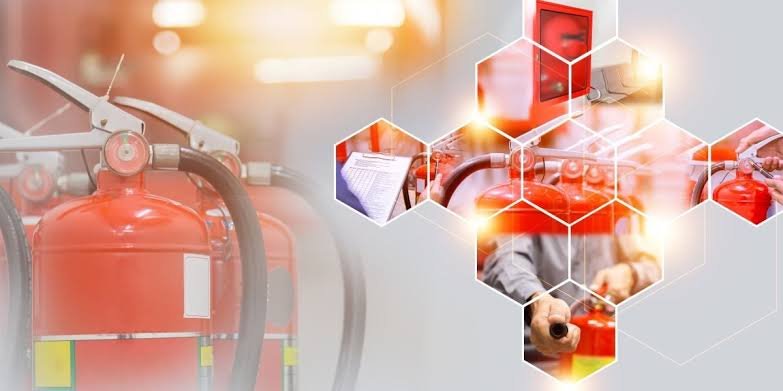
Restaurants are busy environments where cooking, heating, electrical equipment, gas appliances, and customer activities take place throughout the day. These activities make fire safety an important responsibility for restaurant owners, managers, chefs, and other employees.
A restaurant fire can put customers and staff at risk, damage valuable equipment, interrupt business operations, and affect the surrounding community. Even a relatively small safety problem can become serious when emergency arrangements are unclear or essential equipment is not properly maintained.
In Pakistan, restaurants range from small cafés and roadside food businesses to large dining establishments and hotel kitchens. Although their size and operations differ, all need appropriate fire prevention measures and emergency procedures.
Many restaurant fire safety problems are not caused by a complete absence of equipment. They can result from overlooked maintenance, poor housekeeping, inadequate training, or assumptions that existing arrangements are sufficient.
Understanding these mistakes is an important first step towards creating a safer restaurant.
Why Is Restaurant Fire Safety Important?
Restaurant kitchens contain several potential fire hazards. Cooking equipment, heated surfaces, cooking oils, electrical appliances, gas installations, and ventilation systems require appropriate attention.
Dining areas also need consideration because they contain customers who may be unfamiliar with the building’s exits and emergency procedures.
A suitable fire safety programme should cover:
- Kitchen and cooking equipment safety
- Gas and electrical installations
- Fire detection and alarm arrangements
- Appropriate firefighting equipment
- Kitchen ventilation and cleaning
- Emergency exits and evacuation plans
- Employee awareness and training
- Inspection and maintenance records
The following seven mistakes explain where restaurant operators should pay particular attention.
1. Ignoring Kitchen Fire Hazards
One of the most common mistakes is treating kitchen fire safety as an occasional concern rather than a daily responsibility.
Restaurant kitchens contain heat-producing appliances and materials that require proper management. Cooking equipment may operate for long periods, and busy working conditions can make it easier for employees to overlook maintenance or housekeeping problems.
Cooking oils and grease also require special attention. Grease deposits can accumulate in extraction systems and create additional fire concerns if cleaning is neglected.
Why this mistake matters
A kitchen fire can affect more than the immediate cooking area. Smoke and heat may reach storage spaces, service areas, or customer seating areas, making evacuation more difficult.
Restaurants should establish suitable cleaning and maintenance arrangements for cooking equipment, extraction hoods, filters, and associated ventilation systems.
How restaurants can improve
Management should:
- Arrange routine cleaning of cooking and extraction equipment.
- Follow manufacturer maintenance recommendations.
- Keep combustible waste under control.
- Report damaged or poorly maintained equipment.
- Ensure employees understand kitchen safety procedures.
- Arrange professional inspections where necessary.
Staff should know how to report a problem rather than attempting repairs beyond their training.
2. Overlooking Gas Safety and Electrical Maintenance
Gas and electrical installations are important parts of restaurant operations. Cooking appliances, refrigerators, lighting, ventilation systems, and other equipment may operate for extended periods.
Poor maintenance or unsuitable equipment can create serious safety concerns.
Restaurants in Pakistan may use natural gas, LPG, or electricity depending on their location and facilities. Each arrangement requires appropriate installation, inspection, and maintenance.
Common mistakes
Some restaurant operators overlook:
- Damaged electrical cables or plugs
- Poorly maintained appliances
- Unauthorised electrical modifications
- Inadequate attention to gas equipment
- Unqualified maintenance work
- Poorly managed equipment areas
- Delayed reporting of suspected faults
These issues should be addressed through appropriate professional support.
Improving gas and electrical safety
Restaurant management should arrange qualified inspections of relevant installations and ensure that appliances are maintained according to manufacturer instructions and applicable requirements.
Employees should receive clear instructions about reporting unusual equipment conditions and following workplace procedures.
In particular, staff should not attempt to repair gas connections or electrical installations themselves.
Good maintenance records also help management track inspections, reported concerns, and corrective actions.
3. Not Installing or Maintaining Suitable Fire Detection and Alarm Systems
Another important mistake is assuming that a restaurant will have enough warning simply because employees are working nearby.
A fire may develop in a kitchen, storage area, service space, or another location that is not immediately visible to everyone.
A suitable detection and alarm arrangement helps alert occupants so they can follow the emergency plan.
Why alarm systems matter
A fire alarm system is an important part of a restaurant’s overall protection arrangements. It helps provide warning and supports an organised response.
However, alarm equipment must be suitable for the environment. Kitchens may contain steam, cooking fumes, heat, and other conditions that affect detector selection and performance.
The appropriate design should therefore be assessed by qualified professionals.
What restaurant owners should review
- Whether the detection and alarm arrangements are suitable for the building.
- Whether warning devices can be heard or seen in occupied areas.
- Whether equipment is inspected and maintained.
- Whether reported faults are addressed.
- Whether employees recognise the alarm signal.
- Whether the alarm arrangements are reflected in the evacuation plan.
When selecting a fire alarm system in Pakistan, restaurant owners should consider the building’s size, layout, occupancy, kitchen arrangements, and applicable requirements.
Installation, testing, and servicing should be completed by qualified personnel.
An alarm should never be ignored simply because the restaurant is busy or employees believe it may be a false warning.
4. Keeping Emergency Exits and Escape Routes Blocked
A restaurant may have suitable emergency exits, but they will not provide effective protection if access is obstructed.
During busy periods, employees may place delivery boxes, spare furniture, cleaning supplies, or other items near doors and corridors. Over time, these temporary arrangements can become regular storage practices.
This is a serious mistake because customers and staff need accessible escape routes during an emergency.
Areas that need attention
Restaurant management should regularly review:
- Customer seating arrangements
- Kitchen access routes
- Corridors and stairways
- Emergency exit doors
- Storage areas near exits
- Exit signs
- Emergency lighting
- Routes leading to outdoor assembly areas
Why clear exits matter
Customers may not know the restaurant’s layout. Some may be visiting for the first time, while others may be children or older adults who need additional assistance.
Clear exits and understandable evacuation information can help occupants leave more safely.
Restaurant managers should ensure that emergency routes remain accessible during normal operations, including busy dining hours.
Employees should also understand that furniture and storage must not interfere with designated escape routes.
5. Choosing Unsuitable Fire Protection Equipment
Some restaurants purchase fire protection equipment without first considering the hazards present in different areas of the premises.
A kitchen, electrical room, storage space, and dining area may have different fire protection needs.
Equipment should be selected according to an appropriate assessment rather than price or general appearance.
Understanding equipment suitability
Different types of extinguishers and fire protection systems are intended for different hazards. Using unsuitable equipment can create additional danger.
Restaurants may require a combination of fire detection, extinguishers, and other protective arrangements depending on their design and applicable requirements.
Commercial kitchens may also require specialist protection for cooking equipment and associated extraction systems.
Common mistakes include:
- Selecting equipment without a suitable assessment.
- Keeping equipment in inaccessible locations.
- Ignoring inspection and servicing requirements.
- Failing to replace damaged equipment.
- Assuming that every extinguisher is suitable for every fire.
- Allowing storage to block access to safety equipment.
A better approach
Restaurant owners should consult qualified fire safety professionals to identify appropriate equipment and maintenance requirements.
Employees should receive awareness training about the equipment installed in their workplace. Only suitably trained people should consider using firefighting equipment, and only when conditions are safe.
The priority for everyone else should be evacuation and contacting emergency services.
6. Failing to Train Restaurant Employees
Restaurant employees are often the first people to notice unusual conditions because they work directly with cooking equipment, storage areas, and customer spaces.
However, being familiar with a kitchen does not automatically mean someone knows how to respond during a fire emergency.
Without suitable training, employees may become confused about alarm signals, evacuation routes, or their responsibilities.
Important training topics
Restaurant staff should understand:
- Common kitchen fire hazards
- General gas and electrical safety awareness
- How to recognise the building’s fire alarm
- Where emergency exits are located
- The restaurant’s evacuation procedure
- The location of the assembly point
- How to report hazards and equipment faults
- How to communicate emergency information to customers
Designated safety personnel may need additional instruction according to their responsibilities.
Training new employees
New employees should receive relevant safety information before they are expected to work independently.
Refresher sessions should also be arranged when procedures change or when reviews identify gaps in understanding.
Training should be simple, practical, and suitable for the languages and experience levels of employees.
No worker should be expected to take unnecessary risks or attempt dangerous firefighting activities beyond their training.
7. Neglecting Regular Inspections and Emergency Planning
The final common mistake is treating fire safety as a one-time installation or purchasing activity.
A restaurant may have alarms, extinguishers, and emergency signs, but these measures need appropriate inspection and maintenance.
Equipment can develop faults, restaurant layouts can change, and new employees may not understand existing procedures.
Regular reviews help management identify these issues.
What should inspections cover?
A restaurant inspection programme should consider:
- Kitchen equipment and housekeeping
- Gas and electrical installations
- Fire detection and alarm systems
- Extinguishers and other installed equipment
- Ventilation and extraction arrangements
- Emergency exits and escape routes
- Exit signs and emergency lighting
- Staff awareness and training
- Emergency contact information
- Maintenance and inspection records
The inspection schedule should reflect the building’s risk, equipment requirements, and applicable rules.
Why emergency planning matters
A written emergency plan should explain how occupants receive warnings, which exits they should use, where they should assemble, and how employees communicate with emergency services.
Restaurants should also consider customers who may need assistance, including children, older adults, and people with disabilities.
Fire drills and appropriate training exercises can help staff understand their responsibilities.
After a drill or inspection, management should record any problems and assign corrective actions.
A Practical Restaurant Fire Safety Checklist
The following checklist can help restaurant owners and managers organise routine reviews. It is a general awareness tool and does not replace a professional risk assessment or official inspection.
Kitchen safety
- [ ] Cooking equipment is maintained appropriately.
- [ ] Kitchen areas are kept organised.
- [ ] Extraction hoods and filters are cleaned according to the maintenance schedule.
- [ ] Grease accumulation is addressed.
- [ ] Waste is managed properly.
- [ ] Reported equipment problems receive attention.
Gas and electrical safety
- [ ] Gas installations receive appropriate professional attention.
- [ ] Electrical equipment appears undamaged.
- [ ] Unauthorised modifications are avoided.
- [ ] Maintenance concerns are reported.
- [ ] Appliances are used according to instructions.
Fire detection and protection
- [ ] Suitable alarm arrangements are provided.
- [ ] Alarm equipment is maintained.
- [ ] Warning devices are accessible.
- [ ] Appropriate fire protection equipment is available.
- [ ] Inspection and servicing records are maintained.
Customer and employee safety
- [ ] Emergency exits are accessible.
- [ ] Corridors and escape routes remain clear.
- [ ] Exit signs are visible.
- [ ] Evacuation information is available.
- [ ] Employees understand the alarm signal.
- [ ] Staff know the assembly point.
- [ ] Visitors and customers can receive clear instructions.
Records and management
- [ ] Inspection dates are recorded.
- [ ] Maintenance records are available.
- [ ] Employees receive suitable training.
- [ ] Emergency procedures are reviewed.
- [ ] Corrective actions are followed up.
Restaurant Fire Safety Requirements in Pakistan
Restaurant owners should understand the building and fire safety requirements that apply to their premises.
The Building Code of Pakistan – Fire Safety Provisions 2016 is an important national reference for fire prevention, building protection, and life safety. It provides a framework for considering fire detection, protection systems, evacuation, and other safety arrangements.
Provincial and local authorities may also have additional requirements and inspection procedures.
For example, Punjab Civil Defence identifies fire detection and alarm systems, firefighting arrangements, fire safety plans, emergency control rooms, and evacuation arrangements among the measures considered during inspections of relevant commercial premises.
Gas safety also deserves particular attention in restaurants using LPG. In May 2023, reporting by Dawn on an OGRA investigation into a restaurant incident in Narowal highlighted concerns involving gas safety awareness, ventilation, alarms, and emergency arrangements. The incident illustrates why restaurants should take gas-related safety procedures seriously.
Restaurant operators should consult the relevant authority and qualified professionals to confirm which requirements apply to their premises. A general checklist should not be treated as proof of legal compliance.
How to Build a Better Fire Safety Culture in a Restaurant
Avoiding the seven mistakes requires more than purchasing equipment. Restaurant management should make safety a normal part of daily operations.
A practical approach includes:
- Assign responsibilities: Identify who oversees inspections, maintenance, training, and emergency planning.
- Keep records: Record problems and the actions taken to address them.
- Review changes: Update arrangements when kitchen equipment, seating layouts, or building use changes.
- Train employees: Make sure staff understand relevant hazards and evacuation procedures.
- Use professional support: Arrange technical assessment and maintenance through qualified personnel.
- Review emergency arrangements: Make sure customers and employees can understand how to leave the building safely.
A consistent approach helps management identify problems before they become more serious.
Conclusion
Restaurant fire safety requires attention to cooking equipment, gas and electrical installations, detection and alarm systems, firefighting equipment, emergency exits, staff training, and regular inspections.
The seven mistakes discussed in this article show why restaurant operators should not rely on equipment alone. Good housekeeping, professional maintenance, clear evacuation procedures, and employee awareness are equally important.
For restaurants using a fire alarm system in Pakistan, the alarm should form part of a complete safety arrangement that considers the kitchen, dining area, storage spaces, employees, and customers.
Every restaurant has different needs, so its fire safety measures should reflect its actual risks and applicable requirements. By reviewing common mistakes and taking appropriate corrective action, restaurant owners can create a safer environment for employees and visitors.
Frequently Asked Questions
1. What are the most common restaurant fire safety mistakes?
Common mistakes include neglecting kitchen cleaning, overlooking gas and electrical maintenance, failing to maintain alarm systems, blocking emergency exits, choosing unsuitable equipment, providing inadequate staff training, and ignoring regular inspections.
2. Why is kitchen cleaning important for restaurant fire safety?
Cooking areas can accumulate grease and combustible waste. Regular cleaning and appropriate maintenance of cooking equipment and extraction systems help reduce avoidable fire hazards.
3. Why does a restaurant need a fire alarm system?
A suitable fire alarm system provides an important warning when a potential fire emergency is detected. It helps alert employees and customers so they can follow the evacuation procedure.
4. How often should restaurant fire safety equipment be inspected?
Inspection and servicing frequency depends on the equipment, manufacturer instructions, applicable standards, and local requirements. Restaurant owners should follow the relevant maintenance schedule and use qualified professionals for technical work.
5. What should restaurant employees do when a fire alarm activates?
Employees should follow the restaurant’s emergency plan, help communicate evacuation information where appropriate, guide customers towards designated exits if safe to do so, and proceed to the assembly point. They should not take unnecessary risks or re-enter the building until authorised.