
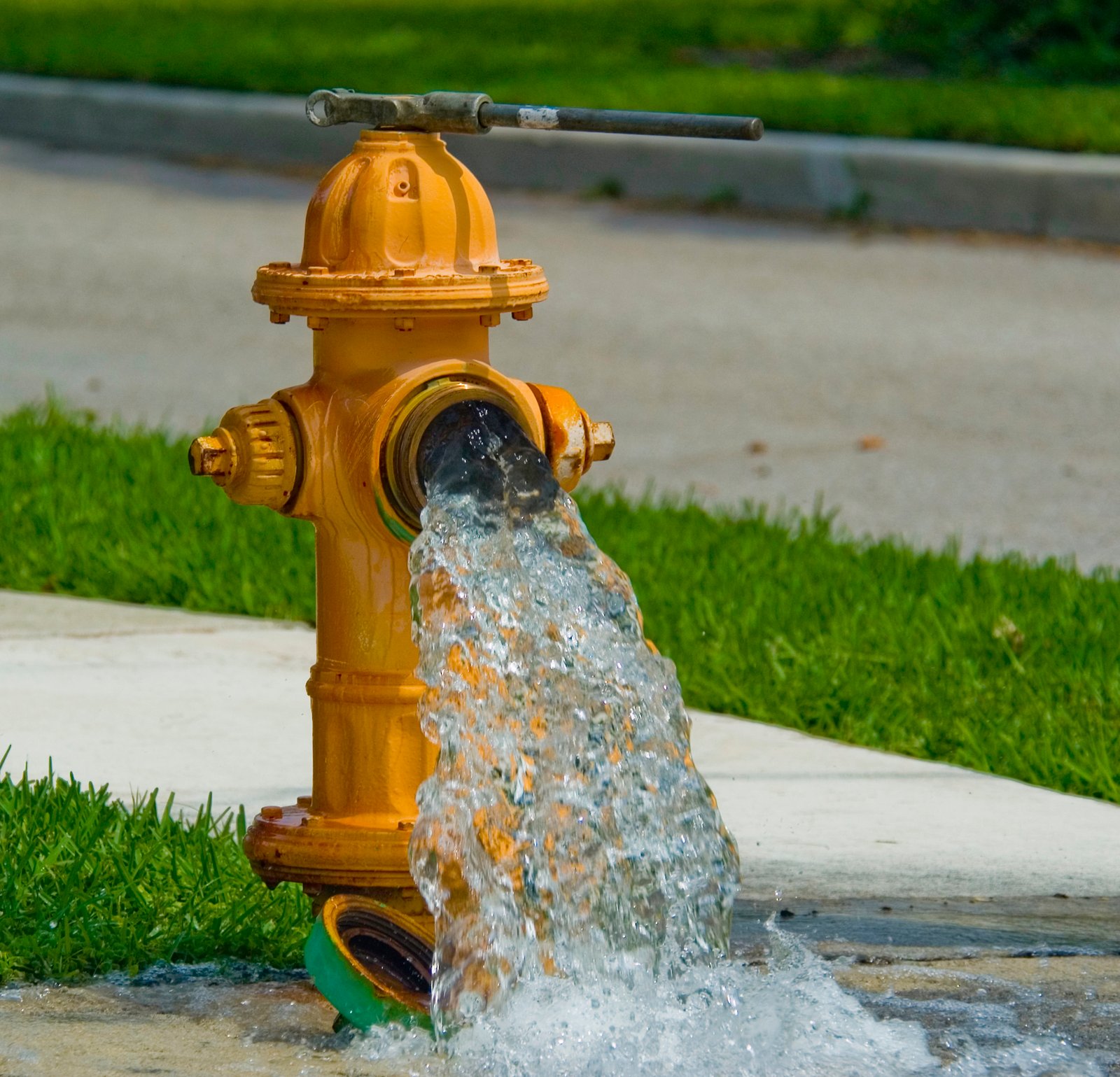
A strong fire-safety plan is not based on one piece of equipment. Smoke detection, alarms, extinguishers, emergency lighting, fire doors, evacuation routes, and firefighting water supplies all have different roles.
Among these systems, fire hydrants are an important part of fire protection in many larger buildings and developments. They provide a connection point for firefighting water and can support trained firefighters or emergency response teams when dealing with a fire.
In Pakistan, the Building Code of Pakistan – Fire Safety Provisions 2016 includes specific provisions covering fire department access and water supply, including privately and publicly owned fire hydrant systems. The Code also requires plans and specifications for fire hydrant systems to be submitted to the Authority Having Jurisdiction (AHJ) for approval before construction.
This means that fire hydrants should not be treated as an optional decorative installation. Their location, water supply, accessibility, maintenance, and integration with the wider fire-protection strategy all matter.
At the same time, a hydrant does not replace early detection. A fire alarm system in Pakistan can provide the warning needed for occupants to begin evacuation while emergency responders prepare to tackle the fire.
What Is a Fire Hydrant System?
A fire hydrant system is a water-based firefighting arrangement designed to provide water at designated points for firefighting operations.
Depending on the building and design, a system may include:
- Hydrant outlets
- Water storage tanks
- Pumps
- Pipework
- Valves
- Fire hose connections
- Fire department connections
- Pressure-control equipment
- Associated monitoring and control equipment
The exact configuration depends on the building’s size, height, occupancy, fire risk, water availability, applicable standards, and requirements of the relevant authority.
The important point is that a hydrant is part of a complete system, not simply a pipe attached to a wall.
Why Are Fire Hydrants Important?
A fire can grow rapidly. Portable extinguishers may be suitable for certain small fires, but larger incidents require considerably more firefighting capability.
A properly designed hydrant system can provide firefighters with access to a dedicated firefighting water supply.
This becomes particularly relevant in:
- High-rise buildings
- Shopping centres
- Factories
- Warehouses
- Hotels
- Hospitals
- Educational institutions
- Large residential developments
- Industrial facilities
- Large commercial buildings
The need for a hydrant system should always be determined by the building’s design and applicable fire-safety requirements rather than by a generic checklist.
Fire Hydrants and Fire Alarm Systems Work Together
It is easy to think about fire protection equipment as separate systems. In reality, good fire protection works as a coordinated process.
Consider a typical emergency:
1. Detection
A detector identifies smoke, heat, or another fire condition.
2. Alarm
The fire alarm system alerts occupants and relevant personnel.
3. Evacuation
People begin using designated escape routes.
4. Emergency response
Firefighters receive information about the incident and access the building.
5. Firefighting
Hydrants, hoses, pumps, sprinklers, and other systems may support firefighting operations as appropriate.
This is why installing a hydrant without considering detection, alarm, access, and evacuation can leave important gaps in a building’s safety strategy.
The Role of a Fire Alarm System in Pakistan
The fire alarm system has a different primary purpose from a hydrant.
A hydrant helps provide firefighting water. A fire alarm system is intended to provide early warning.
The Pakistan Engineering Council’s Fire Safety Provisions address fire alarm systems in buildings where the size, arrangement, or occupancy means that a fire may not provide adequate warning to occupants by itself.
Depending on the system, components may include:
- Smoke detectors
- Heat detectors
- Manual call points
- Alarm sounders
- Visual notification devices
- Fire alarm control panels
- Monitoring interfaces
- Emergency power supplies
The appropriate arrangement depends on the building and its fire-safety design.
For example, a large commercial building may require a considerably more comprehensive system than a small low-rise property.
Where Are Fire Hydrants Most Useful?
1. High-Rise Buildings
Firefighting becomes more challenging as building height increases.
Firefighters may need reliable access to water at different levels, while building occupants need protected escape routes.
High-rise fire protection may therefore involve a combination of:
- Fire alarm systems
- Hydrants
- Standpipes
- Fire pumps
- Water storage
- Sprinkler systems where required
- Fire-rated construction
- Protected stairways
- Emergency lighting
The precise design should be developed by qualified professionals according to applicable requirements.
2. Warehouses
Warehouses can contain large quantities of combustible materials.
Storage arrangements can also influence how quickly a fire spreads and how easily firefighters can reach the affected area.
Hydrant coverage should therefore be considered alongside:
- Storage layout
- Fire access roads
- Emergency exits
- Detection
- Sprinklers where required
- Fire extinguishers
- Compartmentation
- Emergency response procedures
3. Industrial Facilities
Factories can present additional hazards because of machinery, electrical equipment, chemicals, fuels, manufacturing processes, or combustible materials.
A hydrant system may form part of a broader industrial fire-protection strategy.
However, water is not appropriate for every type of fire. Specialized hazards may require other extinguishing methods, so the firefighting system must match the actual risks present.
Fire Department Access Is Just as Important
A hydrant is only useful if emergency responders can reach it.
The Pakistan Building Code includes provisions for fire department access roads and access to structures. It states that fire department access and water supplies must comply with its relevant requirements.
The Code also includes requirements concerning access for firefighting vehicles and clearances around buildings.
Keep access areas:
- Clearly identified
- Free from parked vehicles
- Free from construction materials
- Free from unnecessary storage
- Accessible to emergency responders
- Maintained throughout the life of the building
A hydrant blocked by vehicles, walls, stored goods, or other obstacles can become difficult to use precisely when it is most needed.
Water Supply Is a Critical Part of the System
Installing hydrant outlets alone does not create an effective hydrant system.
The water supply must be capable of supporting the intended firefighting arrangement.
Depending on the design, this can involve:
- Dedicated water storage
- Fire pumps
- Distribution pipework
- Control valves
- Pressure management
- Appropriate connections
- Backup arrangements
The design should account for the building’s fire-safety requirements and the expected firefighting demand.
The Building Code specifically addresses fire department water supply and fire hydrant systems as part of its fire-safety provisions.
Fire Pumps and Water Pressure
Water needs to reach the required locations with suitable pressure and flow.
A fire pump system may therefore be necessary where the available water supply does not provide the required performance.
A typical arrangement may include:
- Main fire pump
- Pressure-maintenance or jockey pump
- Backup pump arrangement where required
- Water storage tank
- Control equipment
- Valves and pipework
The actual configuration should be engineered for the specific building.
Regular inspection is important because a pump that has not been maintained may fail when the system is needed.
Don’t Ignore Fire Hose Reels
Fire hose reels and hydrant outlets are related but are not necessarily the same thing.
A hose reel can provide a permanently installed hose for certain firefighting applications, while a hydrant connection may be designed for use by trained personnel or responding firefighters with suitable hoses and equipment.
Their application depends on the building’s fire-safety design.
They should be:
- Clearly identified
- Accessible
- Protected from damage
- Properly connected
- Regularly inspected
- Tested according to the applicable maintenance program
Maintenance Is Essential
A hydrant system cannot be considered reliable simply because it was installed correctly.
Buildings change over time. Valves can deteriorate, pipes can corrode, pumps can develop faults, and access points can become obstructed.
A maintenance program should address the complete system.
Check regularly for:
- Damaged hydrant outlets
- Leaking valves
- Corrosion
- Blocked access
- Damaged hoses
- Pump problems
- Water-storage issues
- Pressure abnormalities
- Faulty control equipment
- Missing labels
- Unauthorized modifications
Testing and maintenance should be carried out according to the applicable code, system specifications, manufacturer requirements, and instructions of the relevant authority or qualified fire-protection professionals.
Common Fire Hydrant Mistakes
Blocking Hydrants
Parking vehicles or storing materials near hydrants can prevent access during an emergency.
Installing Without Proper Design
A hydrant system should be engineered rather than installed simply because another building has one.
Ignoring Water Storage
A hydrant system requires an appropriate water supply. An outlet without adequate water behind it does not provide meaningful protection.
Neglecting Pumps
A fire pump that is not maintained can compromise the entire water-based system.
Forgetting Building Changes
Renovations, extensions, new storage areas, and changes in occupancy can affect the adequacy of existing fire protection.
Treating the Hydrant as a Replacement for Alarms
A hydrant cannot warn occupants that a fire has started. Detection and notification remain essential.
A Practical Fire Hydrant Inspection Checklist
Building owners and facility managers can use the following as a general review checklist:
- [ ] Hydrants are clearly identified.
- [ ] Access points are unobstructed.
- [ ] Firefighting vehicles can reach required areas.
- [ ] Hydrant outlets are protected from physical damage.
- [ ] Valves are accessible.
- [ ] Fire hoses are appropriately stored where required.
- [ ] Water storage is maintained.
- [ ] Fire pumps are inspected and maintained.
- [ ] Pipework is checked for leakage or corrosion.
- [ ] Fire alarm systems are maintained separately.
- [ ] Emergency exits remain accessible.
- [ ] Fire-safety equipment has not been blocked by new construction or storage.
- [ ] Inspection and testing records are maintained.
- [ ] Changes to the building are reviewed for fire-safety impact.
This checklist is a practical starting point, not a substitute for a professional fire-safety inspection.
Fire Safety During Construction
Fire protection should not be forgotten during construction or renovation.
Temporary materials, welding, electrical work, fuel storage, hot work, and temporary wiring can introduce additional hazards.
Construction planning should consider:
- Emergency access
- Temporary fire protection
- Hot-work controls
- Storage of combustible materials
- Temporary electrical systems
- Emergency exits
- Fire extinguishers
- Communication procedures
The objective is to maintain reasonable fire protection throughout the project rather than waiting until construction is complete.
What Pakistan’s Fire-Safety Framework Says
The Pakistan Engineering Council lists the Building Code of Pakistan – Fire Safety Provisions 2016 among the building codes and standards developed under its framework.
Chapter 12 of the Code specifically addresses fire department access and water supply, including public and privately owned fire hydrant systems. It also states that plans and specifications for fire hydrant systems are to be submitted to the Authority Having Jurisdiction for approval before construction.
The National Disaster Management Authority also currently lists Urban Fire Safety Guidelines, published on March 16, 2026, among its national guidance materials.
NDMA’s 2026 contingency guidance additionally emphasizes maintaining firefighting equipment, hoses, and other equipment in good working condition and conducting regular building inspections.
Specific requirements can vary according to building type, occupancy, height, location, applicable standards, and the Authority Having Jurisdiction. Professional assessment should therefore be obtained when designing or upgrading a fire-protection system.
How to Build a More Complete Fire-Safety Plan
A practical strategy can be organized into five layers:
1. Prevent
Reduce ignition sources and maintain electrical, gas, heating, and cooking equipment safely.
2. Detect
Use suitable smoke, heat, or other detection equipment.
3. Alert
Provide an appropriate fire alarm system in Pakistan that can notify occupants quickly.
4. Escape
Keep exits, stairs, corridors, and emergency routes accessible and clearly identified.
5. Suppress
Use suitable extinguishers, hydrants, hose systems, sprinklers, or other suppression equipment according to the building’s risk profile.
These layers complement each other. No single system should be expected to solve every fire-safety problem.
Final Thoughts
A fire hydrant is more than a connection point on a wall. When properly designed, supplied, accessible, inspected, and maintained, it can form an important part of a building’s firefighting infrastructure.
However, hydrants work best as part of a complete strategy. Early detection through a suitable fire alarm system in Pakistan, clear evacuation routes, emergency lighting, fire-resistant construction, extinguishers, firefighting access, water supplies, and trained personnel all contribute to overall fire safety.
For building owners and facility managers, the most important question is not simply whether a hydrant exists. The better question is whether the complete system is designed for the building, accessible during an emergency, adequately supplied, maintained, and integrated with the rest of the fire-protection plan.
For information about fire-protection equipment and solutions, visit .
FAQs
1. What is the purpose of a fire hydrant?
A fire hydrant provides a designated connection to a firefighting water supply. It can support firefighting operations when used with appropriate hoses, equipment, and trained personnel.
2. Is a fire hydrant the same as a fire alarm system?
No. A fire alarm system primarily provides detection and warning, while a hydrant system provides access to firefighting water. They perform different but complementary roles.
3. Are fire hydrant systems required in Pakistan?
Requirements depend on factors such as building type, occupancy, size, height, design, and applicable regulations. Pakistan’s Building Code of Fire Safety Provisions includes specific provisions for fire hydrant systems and fire department water supply.
4. How often should fire hydrants be maintained?
Hydrant systems should be inspected, tested, and maintained according to the applicable code, system design, manufacturer’s requirements, and instructions from the relevant authority. Regular maintenance is essential because blocked access, damaged components, pump faults, or water-supply problems can affect performance.
5. Can a fire hydrant replace a fire alarm system?
No. A hydrant does not provide the same function as fire detection and notification. A complete fire-safety strategy may require detection, alarms, evacuation measures, firefighting water supplies, extinguishers, and other protective systems appropriate to the building.