
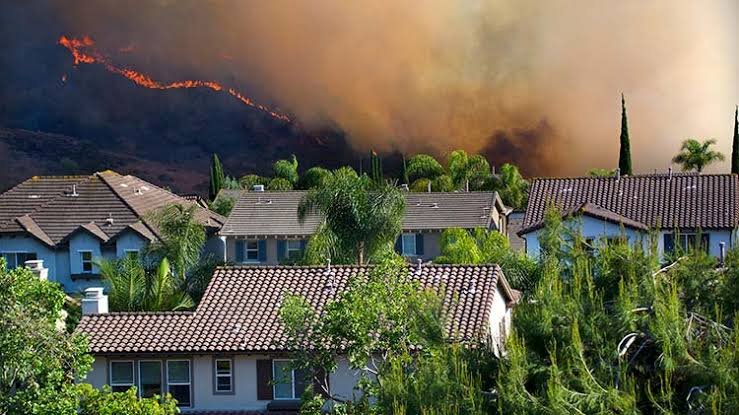
Wildfires can threaten homes, forests, farmland, and entire communities. They often spread quickly when dry vegetation, hot weather, low humidity, and strong winds combine. Although wildfires are more common in some regions than others, homeowners across Pakistan can benefit from understanding the risks and preparing for emergencies.
In Pakistan, forest fires can affect areas with dry vegetation, wooded landscapes, and vulnerable mountain environments. The National Disaster Management Authority (NDMA) has issued forest fire guidance highlighting the importance of identifying high-risk areas, monitoring conditions, removing flammable vegetation, and preparing communities for emergencies.
For homeowners, wildfire safety begins long before smoke appears on the horizon. Maintaining the property, reducing potential fire hazards, installing appropriate detection equipment, and preparing an evacuation plan can all help protect household members.
This guide explains practical wildfire safety measures, how to prepare your home, what to do when a wildfire approaches, and how a fire alarm system in Pakistan can contribute to a broader home fire-safety strategy.
What Is Wildfire Safety?
Wildfire safety refers to the precautions people take to reduce the risk of wildfires affecting homes and communities and to protect themselves when a fire occurs.
Unlike many indoor fires, wildfires can spread across large outdoor areas and threaten several properties at once. Wind can carry embers beyond the main fire, potentially igniting dry vegetation or combustible materials around buildings.
A wildfire safety plan generally includes three important elements:
- Prevention: Reducing activities and conditions that could start a fire.
- Preparedness: Making the property safer and preparing for possible evacuation.
- Emergency response: Following official warnings and leaving the danger area when instructed.
Homeowners should remember that no single product or precaution can guarantee protection from a wildfire. A combination of property maintenance, suitable fire detection, household planning, and timely action provides a more practical approach.
Why Wildfire Safety Matters in Pakistan
Pakistan has diverse landscapes, ranging from dry plains to forested mountain regions. Weather conditions, vegetation, terrain, and human activities can all influence wildfire risk.
The NDMA’s forest fire preparedness guidance identifies several important considerations, including dry conditions, vegetation, accessibility, and monitoring of vulnerable areas. Its guidance also emphasizes prompt reporting, community coordination, and following evacuation instructions when authorities advise people to leave. (Source: NDMA Forest Fire Advisory and Guidelines.)
Wildfire safety is particularly relevant for homeowners who live near forests, hills, open fields, scrubland, or areas where dry grass and shrubs accumulate.
However, residents of towns and cities should not ignore outdoor fire hazards either. Dry vegetation around vacant plots, poorly maintained boundaries, and combustible materials stored near buildings can contribute to local fire incidents.
Homeowners should assess the surroundings of their properties rather than assuming that wildfire risk applies only to remote forests.
Identify Wildfire Risks Around Your Property
The first step toward improving safety is identifying the conditions that could allow an outdoor fire to approach your home.
Walk around your property and examine the roof, garden, boundary walls, nearby trees, storage areas, and access routes.
Look for the following potential hazards:
- Dry leaves, grass, and branches accumulated near the building.
- Dead vegetation touching exterior walls or hanging over the roof.
- Dry leaves collecting in gutters and roof corners.
- Firewood, cardboard, or other combustible materials stored against the house.
- Outdoor waste burning near vegetation or buildings.
- Narrow access routes that could make emergency vehicle access difficult.
- Gates or exits that may be difficult to open quickly.
Pay particular attention to properties located near undeveloped land or wooded areas. Dry vegetation can provide a path for fire to move toward buildings, while wind may carry embers into vulnerable spaces.
If you discover significant hazards, develop a plan to address them safely. For properties with extensive vegetation, steep terrain, or nearby forest cover, professional advice may be useful.
Create a Defensible Space Around Your Home
A defensible space is a maintained area around a building designed to reduce the amount of combustible material that could help a wildfire approach the property.
It does not mean removing every plant or cutting down all trees. Instead, it involves managing vegetation and stored materials so that fire has fewer opportunities to spread directly toward the home.
Keep the area close to the house clear
Remove unnecessary dry leaves, dead branches, and other easily combustible debris from the immediate surroundings of your home.
Keep outdoor furniture, cardboard boxes, firewood, and similar materials away from exterior walls where practical. Store such items in appropriate locations rather than leaving them scattered around the property.
Maintain trees and shrubs
Trim dead branches and maintain vegetation so that it does not create unnecessary contact with the roof or exterior walls.
Where appropriate, reduce dense accumulations of dry vegetation. Homeowners should consult local forestry or landscaping professionals before undertaking extensive work, especially in environmentally sensitive areas.
Maintain roofs and gutters
Leaves, pine needles, and small branches can accumulate on roofs and in gutters. During dry conditions, this debris can become combustible.
Inspect these areas periodically and arrange safe cleaning when needed. Roof access can be dangerous, so use a qualified professional if the work requires climbing or specialized equipment.
Keep access routes clear
Ensure that gates, driveways, and other access routes remain usable. Emergency responders may need clear access if a wildfire threatens the property.
These measures reflect the general prevention principles described in Pakistan’s NDMA forest fire preparedness material, including clearing flammable material from sensitive areas and improving readiness in vulnerable locations.
Reduce Activities That Could Start a Wildfire
Human activities can contribute to outdoor fires, particularly during hot, dry, and windy weather.
Homeowners should take reasonable precautions when using equipment or conducting outdoor activities.
Avoid burning garden waste when conditions are dry or when local authorities prohibit open burning. Do not discard burning cigarettes or other hot materials near dry grass. Keep barbecues and other heat-producing equipment away from combustible vegetation, and never leave them unattended.
Outdoor electrical equipment should be maintained appropriately. Damaged cables, poorly maintained machinery, and unsafe electrical connections may create hazards.
If you live near a forest or another high-risk area, follow local restrictions on outdoor fires and other activities during periods of elevated fire danger.
Children should be taught not to play with matches, lighters, or fire-producing equipment. Adults should supervise potentially hazardous outdoor activities and explain why even a small ignition source can have serious consequences.
If you see smoke or a newly developing fire in nearby vegetation, report it promptly to the appropriate local emergency service or authority. Do not approach the fire to investigate.
Prepare Your Home’s Fire Detection System
Wildfire safety focuses on outdoor hazards, but a fire can also start inside a home because of electrical faults, cooking equipment, heating devices, or other everyday risks.
Appropriate smoke detection can provide an early warning when smoke develops indoors. This warning may give occupants additional time to respond and evacuate.
A fire alarm system in Pakistan can be an important component of a home’s overall fire protection arrangements, particularly in larger homes or buildings where more comprehensive detection and notification equipment is appropriate.
Depending on the property and its needs, fire detection arrangements may include:
- Smoke alarms in suitable locations.
- Heat detectors where appropriate.
- Audible alarm devices.
- A central control panel in larger installations.
- Connected notification devices where required by the system design.
The appropriate arrangement depends on the building’s layout, occupancy, risks, and applicable requirements. Not every home needs the same type of installation.
Homeowners should select suitable equipment, follow manufacturer installation instructions, and arrange professional assessment where necessary. Smoke alarms should be tested and maintained according to their instructions.
Remember that indoor fire alarms are not a substitute for outdoor wildfire monitoring or emergency alerts. A smoke alarm inside the house may not warn you that a wildfire is approaching from outside.
For this reason, homeowners should also monitor official warnings, local announcements, and emergency instructions during periods of elevated fire risk.
Understand the Role of Fire Safety Equipment
Fire safety equipment can support household preparedness, but its usefulness depends on choosing appropriate equipment and understanding its limitations.
Smoke alarms
Smoke alarms provide warnings about smoke inside a building. They should be installed in appropriate locations and maintained according to the manufacturer’s guidance.
Fire extinguishers
A suitable extinguisher may help control certain small fires when the user is trained, the fire is appropriate for that extinguisher, and a safe escape route remains available.
However, homeowners should never attempt to fight an approaching wildfire with a household extinguisher. Large outdoor fires can change direction rapidly and should be handled by trained emergency personnel.
Emergency lighting
Emergency lighting may help occupants find exits during a power failure or in buildings where visibility is reduced. Its suitability depends on the property and its installed systems.
Communication equipment
Keep mobile phones charged when wildfire risk is elevated, and ensure household members know how to receive official warnings.
Equipment should be checked periodically, and any faults should be addressed appropriately. The goal is to make safety arrangements dependable before an emergency occurs.
Prepare a Family Wildfire Emergency Plan
An emergency plan helps household members understand what to do without having to make every decision during a stressful situation.
Your plan should identify how family members will receive warnings, leave the property, and communicate if they become separated.
Choose evacuation routes
Identify practical routes away from areas that may be threatened by fire. Where possible, know more than one route because smoke, road closures, or emergency operations may make a particular route unavailable.
Do not assume that the shortest route will always be the safest.
Establish a meeting point
Choose a safe meeting location away from the threatened area where household members can gather after leaving.
Make sure everyone understands where the location is and how to reach it.
Prepare emergency essentials
Keep important items organized so that they can be taken quickly if time permits. Depending on your family’s needs, these may include drinking water, essential medicines, identification documents, a charged phone, a flashlight, and basic personal supplies.
Do not delay evacuation to collect belongings.
Consider children, older adults, and people requiring assistance
Plan how family members who need additional support will leave safely. Identify who can assist them and consider transport needs in advance.
If pets or livestock are part of the household, include their safe handling in the plan where practical. Never delay leaving a dangerous area because an animal cannot be moved safely.
Practise the plan
Discuss the plan with everyone in the household and review it periodically.
Preparedness is more effective when people already understand the basic steps rather than encountering the plan for the first time during an emergency.
What to Do When a Wildfire Approaches
When a wildfire threatens your area, follow official warnings and evacuation instructions immediately.
Do not wait until flames are visible from your property. Smoke, changing conditions, and road closures can make leaving more difficult as an incident develops.
Use the following principles to guide your response:
- Monitor official information. Follow announcements from local authorities, disaster management agencies, and emergency services.
- Leave when instructed. Follow evacuation orders and use recommended routes where available.
- Take essential items only if time permits. Do not spend time packing non-essential belongings.
- Avoid smoke and fire areas. Never approach a wildfire to take photographs or assess its size.
- Do not drive through heavy smoke. Visibility can be dangerously reduced, and conditions may change without warning.
- Inform household members. Communicate your plans and meeting arrangements when it is safe to do so.
- Follow emergency responders’ directions. Do not return to a threatened area until authorities say it is safe.
The NDMA’s summer contingency guidance specifically advises communities to report new fires, follow official alerts, evacuate when instructed, avoid driving through heavy smoke, and remain clear of firefighting operations.
If an evacuation is ordered, leave promptly. Property protection must never take priority over personal safety.
Protect Indoor Air Quality During Wildfire Smoke
Wildfire smoke can affect people even when flames are not close to their homes.
Smoke may contain fine particles and other pollutants that can irritate the eyes and respiratory system. The level of exposure depends on the fire, weather, and distance from the affected area.
If authorities advise staying indoors because of smoke, close windows and doors where appropriate and follow official air-quality guidance. Reduce activities that bring outdoor air inside, and use suitable indoor air filtration if available.
Avoid unnecessary outdoor exertion during smoky conditions. People who feel unwell should seek appropriate medical advice.
However, remaining indoors is not a substitute for evacuation when officials instruct residents to leave. Follow the emergency instructions that apply to your location.
Maintain Electrical and Gas Safety
Wildfire preparedness should include general home fire prevention.
Electrical faults, unsafe appliances, and gas-related problems can create additional hazards during an emergency.
Arrange repairs through appropriately qualified professionals. Do not ignore damaged cables, repeated electrical tripping, or signs of overheating.
Keep combustible materials away from heat-producing equipment and maintain appliances according to their instructions.
If you suspect a gas leak, move away from the danger and contact the appropriate emergency or qualified service. Do not attempt improvised repairs.
During a wildfire evacuation, follow official instructions regarding utilities. Do not delay leaving to carry out complicated shutdown procedures or enter an unsafe area to reach equipment.
Inspect Your Property After a Wildfire
Returning home after a wildfire requires caution, even if the main fire appears to have passed.
Only return when authorities confirm that the area is safe.
Look for damage from a safe position and remain alert to hazards such as unstable structures, damaged electrical equipment, fallen branches, and lingering smoke.
Do not enter a building that appears structurally damaged until it has been assessed appropriately. Arrange professional inspection of affected electrical, gas, and other building systems before using them again.
Check outdoor areas for signs of remaining fire hazards, but do not approach smouldering materials or attempt to manage dangerous hotspots yourself.
Document property damage when it is safe to do so and contact the relevant authorities, utility providers, or insurance company as appropriate.
A professional inspection can help identify problems that are not immediately visible and determine what repairs are needed before the property is occupied again.
How Homeowners Can Improve Long-Term Wildfire Preparedness
Wildfire safety should be treated as an ongoing responsibility rather than a one-time task.
Review your property’s surroundings at regular intervals, particularly before seasons when dry and hot conditions are more likely.
Check that smoke alarms function correctly, remove accumulated dry vegetation, maintain clear access routes, and ensure household members understand the evacuation plan.
If nearby land use changes or new construction alters the surroundings, reassess the potential risks to your home.
Homeowners in higher-risk locations may benefit from discussing vegetation management, building materials, drainage, access, and fire protection arrangements with qualified professionals.
Stay informed through relevant official resources, including the National Disaster Management Authority and the Pakistan Meteorological Department. Their guidance can help residents understand general hazards and recommended preparedness measures.
A dependable fire alarm system in Pakistan may form part of a broader home fire-safety strategy, but effective wildfire preparedness also requires outdoor risk reduction, reliable communication, and readiness to evacuate.
Conclusion
Wildfire safety begins with awareness, preparation, and responsible property maintenance. Homeowners in Pakistan can reduce avoidable risks by managing dry vegetation, preventing unsafe outdoor fires, maintaining suitable detection equipment, and developing a practical family emergency plan.
The most important step is to recognize that wildfires can develop quickly and that conditions may change with little warning. Follow official alerts, report fires promptly, and leave the affected area when instructed.
Fire alarms, smoke detection, and other safety equipment can support preparedness, but no device replaces timely evacuation or professional emergency response.
By taking sensible precautions before an emergency occurs, homeowners can improve their readiness and help protect their families and communities.
Frequently Asked Questions (FAQs)
1. What is wildfire safety for homeowners?
Wildfire safety involves reducing fire hazards around a property, maintaining suitable fire detection equipment, preparing evacuation routes, and following official emergency instructions. The objective is to reduce avoidable risks and help household members respond safely if a wildfire threatens their area.
2. Are wildfires a concern in Pakistan?
Yes. Wildfires and forest fires can affect vulnerable areas of Pakistan, particularly where dry vegetation and weather conditions support fire spread. Risk varies by location, terrain, vegetation, and weather. Homeowners should follow local warnings and guidance from relevant disaster management authorities.
3. How can I protect my home from a wildfire?
Keep unnecessary dry vegetation and combustible debris away from the building, maintain roofs and gutters, keep access routes clear, and avoid unsafe outdoor burning. Prepare an evacuation plan and monitor official warnings. No measure can guarantee that a home will remain unaffected by a wildfire.
4. Can a fire alarm system protect a home from wildfires?
A fire alarm system can help detect and warn occupants about certain fires inside a building, depending on its design and installation. However, it does not necessarily detect an approaching outdoor wildfire. Homeowners should combine suitable indoor detection with official emergency alerts, property maintenance, and evacuation planning.
5. What should I do if a wildfire approaches my home?
Monitor official warnings and evacuate immediately when authorities instruct you to leave. Follow recommended routes, avoid heavy smoke and firefighting operations, and take only essential items if time permits. Do not delay evacuation to protect belongings or attempt to fight a large outdoor fire.