
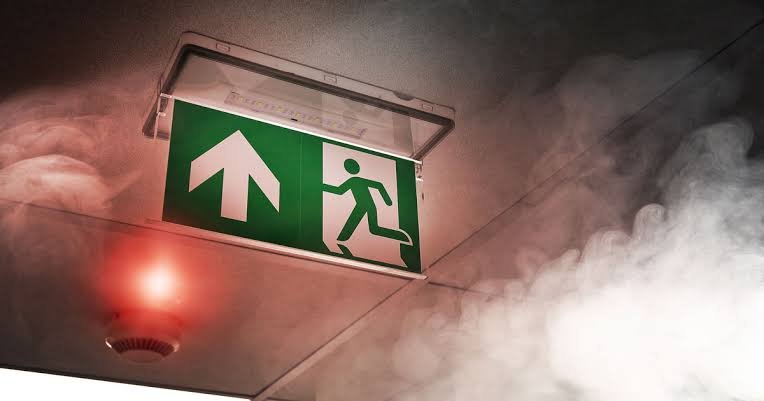
A fire escape plan gives family members a clear idea of how to leave their home during an emergency. Without preparation, people may become confused about which exit to use, where to meet, or how to help children and older relatives.
A good plan reduces uncertainty by answering a few important questions:
- How can everyone leave the home safely?
- Which alternative route is available if the usual exit is blocked?
- Where should family members meet outside?
- Who may need additional assistance?
- How will emergency services be contacted?
The National Disaster Management Authority (NDMA) includes home fire escape planning in its safety guidance. It recommends identifying doors and windows, primary and alternative exits, emergency contact numbers, an outdoor meeting place, and the location of smoke detectors. <Cite refs={[“turn404879search13”]}/>
Every household should adapt its plan to its building. A family living in a single-storey house may have different escape options from one living in an apartment or multi-storey property.
2. Identify All Possible Exits in Your Home
Begin by looking at the layout of your home. Walk through each room and identify the normal doorway and any other approved exit that could be used if the main route became unavailable.
Primary Escape Route
The primary escape route is the normal, safest way out of the home. It may be a hallway leading to the front door or a designated building exit.
Make sure everyone knows where this route leads and that it remains clear.
Alternative Escape Route
An alternative route is another safe way to leave if the primary route is blocked by smoke, fire, or another hazard.
Depending on the property, this could be another door or a designated emergency exit. Windows should only be considered where they provide a safe, suitable exit at ground level or through an approved arrangement. Never encourage anyone to jump from a height or attempt an unsafe climb.
Keep Routes Accessible
Avoid using hallways, stairways, and doorways as storage areas. Furniture, boxes, bicycles, and other belongings can make evacuation harder.
Doors along escape routes should be maintained so that occupants can open them when needed. Families should understand how to operate locks and security arrangements without delaying evacuation.
3. Draw a Simple Home Escape Map
A basic drawing can make an escape plan easier to understand, especially for children and family members who are unfamiliar with emergency procedures.
You do not need professional drawing software. A clear sketch of the home’s layout can be enough.
Include the following details:
- Bedrooms and living areas.
- Kitchen and other important rooms.
- Main doors and approved alternative exits.
- Hallways and stairways.
- Smoke alarm locations.
- Emergency contact information.
- Outdoor family meeting point.
Mark the primary and alternative routes clearly. If your home has more than one floor, prepare a separate view of each floor.
Place the plan somewhere family members can easily see it, such as a shared household notice area. Make sure visitors and regular caregivers can also understand the basic arrangements.
For apartment buildings, include the building’s designated emergency stairs and exits. Follow the building management’s evacuation instructions rather than assuming that every door or balcony is a safe escape route.
4. Understand the Role of Smoke Alarms and Fire Alarm Systems
Early warning is an important part of a family escape plan. People may be asleep or in another room when a fire begins, so they may not immediately notice smoke or other warning signs.
Smoke alarms are designed to detect smoke and provide an alert. Their purpose is to give occupants an opportunity to respond and evacuate.
Smoke Alarms at Home
Families should consider suitable smoke alarms for their property. The number and placement depend on the home’s layout, construction, and applicable safety guidance.
Follow the manufacturer’s installation instructions and keep alarms maintained. Test them according to the manufacturer’s recommendations and replace batteries or complete other maintenance when required.
An alarm that has been disconnected, damaged, or neglected cannot be relied upon.
Building Fire Alarm Systems
Larger residential buildings may have shared fire detection and alarm systems. These can include detectors, manual call points, control panels, and audible or visual warning devices.
A professionally designed Fire alarm system in Pakistan should be appropriate for the building’s occupancy, layout, and applicable safety requirements.
Families living in apartments should ask building management how the alarm operates, what the warning sounds like, and which evacuation procedures residents are expected to follow.
Remember that an alarm is a warning system, not an escape route. Everyone should know what to do when it sounds.
5. Teach Children What to Do During a Fire
Children need simple, clear, and age-appropriate instructions. The aim is to make emergency actions familiar without frightening them.
Parents and guardians can explain the following points:
- Take every smoke alarm and fire warning seriously.
- Tell a responsible adult if smoke or fire is noticed.
- Follow the agreed escape route.
- Leave toys, phones, and other belongings behind.
- Do not hide during an emergency.
- Do not return inside after leaving.
- Go directly to the family meeting point.
Children should know how to recognize the family meeting location and which trusted adult they should follow.
Avoid asking children to investigate a fire, operate firefighting equipment, or make decisions that should be handled by adults or emergency responders.
6. Make Special Arrangements for Older Adults and People Who Need Assistance
Some family members may need additional support to leave the home safely. This can include infants, older adults, people with mobility limitations, and people with hearing or visual impairments.
A family plan should consider their needs before an emergency occurs.
Infants and Young Children
Parents or designated caregivers should agree who will assist younger children. This avoids confusion if several adults are present.
Older Family Members
Consider whether a family member needs extra time, mobility assistance, or a particular route to leave the property.
People With Hearing or Visual Impairments
Audible alarms may not be suitable as the only warning method for everyone. Depending on individual needs and building arrangements, visual or other accessible warning methods may be appropriate.
Visitors and Caregivers
Regular visitors, domestic staff, and caregivers should understand the basic escape arrangements. Do not assume that everyone knows the building layout.
The NDMA’s home escape guidance specifically highlights the importance of special arrangements for children, older adults, and people with disabilities. <Cite refs={[“turn404879search13”]}/>
7. Plan for Kitchens and Other Higher-Risk Areas
Some areas of a home have more potential fire hazards than others. Kitchens, electrical service areas, storage spaces, and places containing heating equipment deserve particular attention.
Kitchen Safety
Cooking activities should be supervised. Keep combustible materials away from cooking appliances and follow the manufacturer’s instructions for kitchen equipment.
If a fire occurs, do not take unnecessary risks trying to save food or belongings. Follow the escape plan and leave if the situation becomes unsafe.
Electrical Safety
Damaged wiring, faulty appliances, and overloaded electrical connections can create fire hazards.
Have electrical faults checked by a qualified professional. Avoid using damaged cables or equipment and do not attempt repairs without appropriate training.
Gas Equipment
Gas appliances and cylinders should be installed and maintained according to applicable safety requirements. If a family notices an unusual gas smell, they should follow the appropriate gas emergency guidance and contact the relevant service from a safe location.
Storage Areas
Keep unnecessary combustible materials away from heat sources and maintain clear access to exits. Store household products according to their labels and safety instructions.
Prevention reduces risks, while a clear escape plan helps everyone respond if an emergency still occurs.
8. Know What to Do When an Alarm Sounds
Every family member should understand that an alarm means they must respond promptly.
A suitable household response should include:
- Stop normal activities and take the warning seriously.
- Alert other occupants if they are nearby and it is safe to do so.
- Follow the nearest safe, designated escape route.
- Avoid areas affected by smoke or fire.
- Leave belongings behind.
- Go to the agreed outdoor meeting point.
- Contact emergency services from a safe location.
If the usual route is blocked, use the alternative route identified in the plan if it remains safe.
Do not spend time searching for the source of a fire. Do not return inside to collect documents, money, phones, or pets. If someone is missing, inform emergency responders rather than re-entering the building.
9. Special Considerations for Apartment Buildings
Apartment living can create additional evacuation challenges because many households share corridors, stairways, and building exits.
Families should understand the building’s official fire safety arrangements rather than relying only on their apartment’s internal layout.
Learn the Building’s Escape Routes
Identify the designated emergency stairs and exits. Notice the location of exit signs and any building instructions provided by management.
Keep Shared Areas Clear
Corridors, stairways, and shared exits should not be used for storing shoes, furniture, boxes, bicycles, or other belongings.
Understand the Building’s Fire Doors
Fire doors are designed to help limit the spread of fire and smoke when properly installed and maintained. They should not be wedged open or obstructed.
Follow Building Instructions
Some buildings may have specific procedures for evacuation or remaining in a designated protected area. Follow the building’s approved plan and instructions from emergency responders.
Do not use ordinary passenger lifts during a fire unless emergency personnel or an approved building procedure specifically directs otherwise.
Building management should maintain alarms, emergency lighting, exit signs, and other required fire protection systems.
10. Choose a Safe Outdoor Meeting Point
A family meeting point helps everyone gather after leaving the property.
Choose a location that is easy to recognize and far enough away from the building to avoid immediate danger. It should not block access for fire and rescue vehicles.
Examples may include a suitable open area outside the property or a clearly identified location agreed upon by the household.
Every family member should know where to go.
Why a Meeting Point Matters
Without an agreed location, family members may move in different directions while trying to find one another.
A meeting point helps adults check who has safely left the building and communicate useful information to emergency responders.
If someone is missing, tell emergency services. Nobody should return inside to search.
11. Practise the Escape Plan Regularly
A plan is more useful when everyone understands it and has discussed how it works.
Families should review their escape arrangements periodically and whenever something changes in the home.
For example, a new room layout, renovation, change in household members, or a mobility-related need may require an updated plan.
Family Practice Sessions
Use calm, supervised discussions to help everyone understand:
- Where the exits are.
- Which route to use first.
- What alternative route is available.
- Where to meet outside.
- Who may need assistance.
- How to contact emergency services.
Children should take part in an age-appropriate way. The purpose is to build familiarity, not to frighten them.
The NDMA recommends regular fire drills to check whether a home escape plan works and whether changes are needed. <Cite refs={[“turn404879search13”]}/>
12. Fire Safety Requirements and Guidance in Pakistan
Fire safety arrangements in Pakistan depend on the type of property, its location, occupancy, and the authority responsible for enforcement.
The Building Code of Pakistan – Fire Safety Provisions 2016 provides an important national reference for fire prevention and life safety. It addresses matters such as fire alarms, smoke detection, emergency exits, means of escape, and evacuation planning. The Pakistan Engineering Council publishes the code through its official website. <Cite refs={[“turn404879search14”]}/>
In Punjab, Civil Defence identifies fire detection and alarm systems, firefighting arrangements, fire safety plans, emergency exits, and evacuation plans among the measures inspected in relevant industrial, commercial, and high-rise premises. <Cite refs={[“turn404879search0”]}/>
Requirements for a private home may differ from those for a multi-storey residential building or commercial property. Families should follow building management instructions and consult the relevant local authority when they need clarification about a building’s safety arrangements.
The NDMA also provides public safety guidance that can help households understand emergency preparation and evacuation planning.
13. Emergency Contact Information
Every family should know how to contact emergency services and communicate the location of an incident.
In Punjab, Rescue 1122 provides fire and rescue emergency response. The emergency number is 1122.
When contacting emergency services, provide clear information about:
- The property’s location.
- The type of emergency.
- Whether anyone may still be inside.
- Any known hazards that could affect responders.
Make sure adults and older children know how to contact emergency services when appropriate. Keep emergency contact information accessible, but do not delay evacuation to search for a phone.
14. A Simple Family Fire Escape Checklist
Use this checklist to review your household’s arrangements. Adapt it to the building and the needs of everyone who lives there.
- [ ] Identify the main exit from each occupied area.
- [ ] Identify a safe alternative route where available.
- [ ] Draw a simple map of the home.
- [ ] Mark smoke alarm locations.
- [ ] Check that alarms are maintained according to instructions.
- [ ] Keep doors, corridors, and stairways clear.
- [ ] Identify the building’s designated emergency exits.
- [ ] Choose an outdoor family meeting point.
- [ ] Decide who will assist children or relatives needing support.
- [ ] Explain the plan to everyone in the household.
- [ ] Make sure regular caregivers understand the arrangements.
- [ ] Practise and review the plan periodically.
- [ ] Keep emergency contact information accessible.
A checklist is a starting point, not a substitute for professional building safety advice where that is needed.
15. Common Mistakes Families Should Avoid
Even a simple escape plan can become less effective if important details are overlooked.
Having Only One Escape Route
Families should understand whether a safe alternative exit exists. If one route becomes unsafe, occupants need to know what other approved option is available.
Blocking Corridors and Stairways
Storage in hallways and stairways can delay evacuation. Keep these areas clear at all times.
Ignoring Smoke Alarms
An alarm should never be ignored because it is inconvenient or sounds unexpectedly. Investigate maintenance issues safely and arrange professional attention when needed.
Forgetting Visitors
Guests and caregivers may not know the layout of the property. Explain the basic exit arrangements when appropriate.
Returning for Personal Belongings
Phones, money, documents, and other possessions are not worth delaying an evacuation. Once outside, stay outside until emergency responders say it is safe to return.
Conclusion
A family fire escape plan is one of the simplest ways to improve household emergency preparedness. It helps everyone understand the exits, alternative routes, meeting point, and actions to take when a fire alarm sounds.
Families in Pakistan should adapt their plans to the type of home they live in, whether it is a single-storey house, apartment, or multi-storey property. Smoke alarms, suitable building fire alarm systems, clear escape routes, and regular maintenance all support a safer home environment.
The most important part of any plan is protecting people. Everyone should know how to leave safely, where to meet outside, and how to contact emergency services. No one should delay evacuation to collect belongings or return to a building where a fire may still be present.
Preparing a plan does not require expensive equipment or complicated arrangements. A clear map, an agreed meeting point, maintained alarms, and regular family discussions can make a meaningful difference.
Frequently Asked Questions (FAQs)
1. Why does every family need a fire escape plan?
A fire escape plan helps family members understand how to leave their home safely, which alternative routes may be available, and where to meet outside. It reduces confusion and supports a more organised response during an emergency.
2. How many escape routes should a home have?
Families should identify the main exit and any safe, approved alternative exit available from occupied areas. The options depend on the building’s design. A professional should assess complicated or multi-storey properties where necessary.
3. What should a family do when a smoke alarm sounds?
Everyone should take the warning seriously, leave using a safe designated route, and move to the agreed outdoor meeting point. Occupants should not delay to collect belongings or return inside after evacuating.
4. Why is a fire alarm system important in Pakistan?
A suitable fire alarm system can provide an early warning when a potential fire is detected. In larger residential buildings, it can help alert occupants across shared areas. Its design and maintenance should meet the requirements applicable to the building.
5. How often should families practise their fire escape plan?
Families should review their plan periodically and whenever household or building arrangements change. Regular, age-appropriate practice helps everyone remember the exits, meeting point, and responsibilities.