
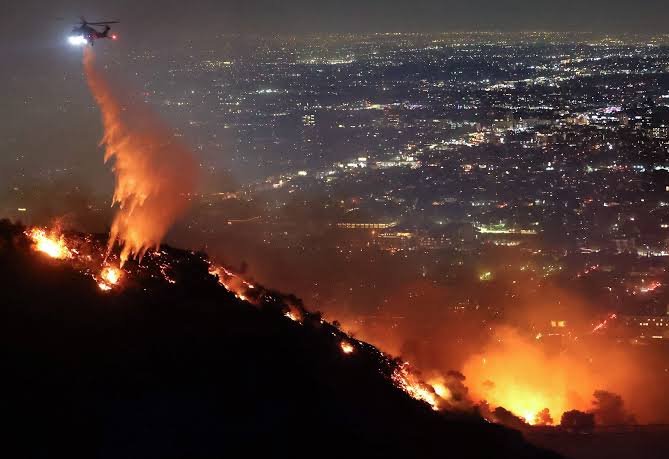
Wildfires can cause extensive damage to natural environments, buildings, infrastructure, and local communities. Although businesses in cities may seem far removed from forests and grasslands, those located near dry vegetation, agricultural fields, hills, or wooded areas can face serious wildfire risks. Smoke and road closures can also affect businesses that are not directly threatened by flames.
For businesses in Pakistan, wildfire preparedness deserves attention in areas where seasonal heat, dry conditions, and nearby vegetation can increase fire danger. The northern regions, forested areas, and locations bordering grasslands may face different risks from densely built urban centres, so businesses should assess their surroundings rather than assume every location faces the same level of danger.
Wildfire safety involves more than keeping a fire extinguisher on the premises. It includes identifying local hazards, maintaining the property, preparing employees, arranging safe evacuation routes, and protecting important business information.
This guide explains why wildfire safety matters, how businesses can reduce their exposure, and how fire detection and emergency planning support a safer workplace.
What Is Wildfire Safety?
Wildfire safety refers to the measures used to reduce the risk and impact of fires that spread through natural vegetation, including forests, grasslands, shrubs, and dry fields.
Unlike a fire confined to a small indoor area, a wildfire can spread across a large landscape. Wind, dry vegetation, terrain, and weather conditions can influence its direction and speed. Burning embers may also travel beyond the main fire and ignite combustible materials around buildings.
For businesses, the effects may include property damage, employee safety concerns, interrupted transport, power outages, smoke exposure, and temporary closure.
A complete wildfire safety plan focuses on three main objectives:
- Prevention: Reduce avoidable ignition sources and combustible hazards.
- Preparedness: Ensure employees know how to receive warnings and evacuate safely.
- Recovery: Help the business resume operations after the immediate danger has passed.
Not every wildfire can be prevented, but suitable planning can reduce avoidable risks and improve a business’s ability to respond.
1. Protect Employees, Customers, and Visitors
The most important reason to prepare for wildfires is to protect human life. Employees, customers, contractors, delivery workers, and visitors may all be present when a wildfire threatens a business.
Without a clear emergency plan, people may waste valuable time deciding whether to leave, which route to use, or where to meet after evacuation.
Businesses should establish clear procedures for receiving official warnings, communicating urgent instructions, and evacuating people when necessary.
A workplace wildfire plan should identify:
- Who monitors official emergency alerts and weather information.
- Who communicates warnings to employees and visitors.
- Which evacuation routes and alternative routes are available.
- Where employees should assemble if the area is safe to reach.
- How managers will account for staff after evacuation.
- How people who need additional assistance will be supported.
The plan should also explain when employees must leave immediately rather than wait for instructions from a manager.
No employee should be expected to remain behind to protect stock, equipment, vehicles, or buildings when evacuation is necessary.
2. Understand the Wildfire Risks Around Your Business
Wildfire safety begins with understanding the location and surroundings of the premises.
A business near a forest, dry hillside, agricultural field, or large area of unmanaged vegetation may face a different level of exposure from a shop in a densely developed commercial district. However, urban businesses can still be affected by smoke, disrupted roads, and nearby fires.
Conduct a basic assessment of the property and its surroundings.
Consider the following questions:
- Is dry grass, brush, or other vegetation close to the building?
- Are there combustible materials stored outdoors?
- Can emergency vehicles reach the property easily?
- Are there several possible evacuation routes?
- Could a nearby wildfire disrupt electricity, water, internet, or transport?
- Are fuel storage areas or other hazardous materials present?
- Does the building have suitable fire detection and emergency warning arrangements?
Review the assessment before periods of elevated fire danger and whenever the property or surrounding area changes.
In Pakistan, the National Disaster Management Authority (NDMA) publishes disaster preparedness information, including guidance addressing forest fires. Businesses should also follow relevant provincial and local authorities for location-specific warnings.
3. Reduce Combustible Materials Around the Building
Vegetation and outdoor materials can influence how fire reaches a business property. Dry grass, dead leaves, branches, cardboard, wooden pallets, and accumulated rubbish may provide fuel for a fire.
Keeping the area around a building tidy is a practical part of wildfire preparedness.
Where appropriate, remove dead vegetation and maintain outdoor areas so combustible materials do not accumulate close to walls, entrances, loading areas, or other vulnerable parts of the property.
Other useful measures include:
- Remove dry leaves and plant debris from suitable outdoor areas.
- Keep rubbish and recycling containers away from vulnerable building features.
- Store wooden pallets and packaging in designated locations.
- Keep access routes clear for employees and emergency responders.
- Maintain vegetation in accordance with local rules and environmental conditions.
- Keep outdoor storage away from identified ignition sources.
The distance and type of clearance needed depend on the site, vegetation, building materials, and local conditions. Businesses should obtain suitable professional advice rather than apply one measurement to every property.
Do not clear vegetation near electrical lines or undertake hazardous tree work without qualified assistance.
4. Make the Building More Resistant to Fire
A wildfire can expose buildings to direct flames, radiant heat, and wind-driven embers. Even when vegetation is not immediately next to a structure, embers can reach roofs, openings, storage areas, and combustible materials.
Businesses in higher-risk locations should assess the building’s external features and identify areas that may be vulnerable.
Depending on the building and local requirements, useful improvements may include:
- Maintaining roofs and removing accumulated combustible debris.
- Repairing damaged exterior surfaces and openings.
- Using suitable fire-resistant building materials during renovations.
- Maintaining doors, windows, vents, and other openings according to professional recommendations.
- Keeping combustible materials away from vulnerable external features.
- Having suitable protective measures assessed by a qualified building or fire safety professional.
Any protective screens, barriers, or building modifications should be appropriate for the specific structure and should not interfere with ventilation, electrical safety, or required emergency exits.
No building improvement guarantees protection from every wildfire. The aim is to reduce vulnerabilities as part of a broader safety strategy.
5. Maintain Safe Electrical and Outdoor Equipment
Electrical faults and unsafe equipment can create ignition hazards. Businesses should therefore include electrical safety in their wildfire prevention arrangements.
Inspect equipment for visible damage and arrange professional maintenance where necessary. Ensure generators, electrical installations, and other equipment are installed and operated according to manufacturer instructions and applicable requirements.
Fuel-powered equipment should be handled carefully, and fuel should be stored in suitable designated areas. Keep ignition sources away from combustible vegetation and materials.
Avoid activities that could create sparks near dry grass or brush, especially during periods of elevated fire danger. Any outdoor work involving heat, sparks, or open flames should follow applicable rules and a suitable risk assessment.
If authorities issue restrictions on burning or outdoor work, businesses should follow them.
Employees should know how to report unusual smells, damaged cables, overheating equipment, or other potential hazards. Faulty equipment should be taken out of service until it has been assessed and made safe.
6. Understand the Role of Fire Alarm Systems
Early warning is an important part of building fire safety. A fire alarm system can alert occupants when a fire-related condition is detected or when someone activates a manual alarm.
For businesses in Pakistan, a suitable fire alarm system in Pakistan should be selected according to the building’s size, occupancy, layout, fire risks, and applicable requirements.
Depending on the installation, a system may include smoke detectors, heat detectors, manual call points, a control panel, and audible or visual warning devices.
These systems primarily address fires or fire-related conditions within the areas they are designed to protect. They do not necessarily detect a wildfire approaching from outside, and a standard building alarm should not be treated as a substitute for official wildfire warnings.
Businesses in wildfire-prone locations should consider several layers of warning:
External warnings: Monitor reliable information from NDMA, relevant provincial disaster management authorities, local administration, and emergency services.
Building detection: Maintain appropriate fire detection and alarm equipment to warn occupants about a developing fire within the protected premises.
Staff communication: Establish a reliable way to communicate evacuation instructions, including arrangements for people who may not hear or see a conventional alarm.
A properly designed fire alarm system should be installed, tested, and maintained by competent professionals. Backup power and communication arrangements should be considered according to the system design and applicable requirements.
An alarm is only one part of the safety plan. Employees must understand what it means and how to respond.
7. Create a Clear Evacuation Plan
Wildfires can affect roads, visibility, air quality, and access to emergency services. Businesses should therefore plan how people will leave the area before an emergency occurs.
Identify the main evacuation route and alternative routes. Review local road conditions and consider whether nearby roads could become congested or closed during an emergency.
Your plan should explain:
- What warnings or conditions trigger evacuation.
- Who communicates the decision.
- Which routes employees should use.
- Where people should go if the designated assembly location is unsafe.
- How managers will confirm that employees are accounted for.
- How visitors and contractors will receive instructions.
- Who will contact emergency services when necessary.
Do not assume that the shortest route is always the safest. Follow official evacuation instructions and avoid roads that emergency authorities have closed.
If authorities direct people to leave an area, employees should not delay evacuation to collect belongings or secure ordinary business assets.
Practise the plan periodically and update it when staffing, premises, or local access routes change.
8. Train Employees Before an Emergency
A written plan is useful only if employees understand it. Training helps staff recognise warnings, follow instructions, and avoid actions that could put them at risk.
Training should cover how to receive official alerts, report a fire, activate the building’s alarm where appropriate, and follow evacuation procedures.
Employees should also understand that smoke can create health risks even when flames are not visible nearby. If an area is affected by wildfire smoke, follow official health and emergency guidance.
Businesses should conduct evacuation exercises when appropriate and review the results. These exercises can reveal blocked routes, unclear responsibilities, communication problems, or confusion about assembly locations.
New employees should receive relevant emergency information as part of their induction. Contractors and temporary workers should also be told about applicable procedures.
Managers must make it clear that employees should not attempt to fight a large outdoor fire or approach a wildfire to protect the premises. Wildfire response requires appropriate training, equipment, and coordination with emergency services.
9. Prepare for Smoke and Poor Air Quality
A wildfire can affect businesses without burning the building itself. Smoke may travel into offices, shops, warehouses, and other workplaces, creating uncomfortable or potentially harmful conditions.
People with asthma and certain heart or lung conditions may be especially vulnerable to smoke exposure.
When official guidance identifies a smoke hazard, businesses should follow the relevant public health advice. Depending on the circumstances, this may involve reducing outdoor work, moving activities indoors, changing working hours, or temporarily closing the premises.
Building managers should understand how their ventilation systems operate and seek professional advice about suitable filtration and air-management arrangements.
Do not assume that moving indoors automatically makes the air safe. Smoke may enter through doors, windows, and ventilation systems.
Employers should communicate clearly with staff and avoid asking people to work in unsafe conditions. If authorities order evacuation, follow that instruction rather than attempting to shelter in an unsuitable building.
10. Protect Business Records and Essential Operations
A wildfire can interrupt business operations even when the premises survive. Power cuts, damaged communication networks, road closures, and temporary evacuation orders can prevent employees from reaching work.
Businesses should prepare for these disruptions in advance.
Back up important digital records and maintain copies of essential documents in secure locations separate from the main premises. Review how staff will communicate if normal phone or internet services become unavailable.
A business continuity plan should identify critical operations, essential suppliers, key contacts, and alternative ways to serve customers where practical.
Consider preparing an emergency kit containing suitable first-aid supplies, drinking water, flashlights, charging equipment, and other items relevant to the workplace and expected disruptions.
Businesses should also review insurance coverage and understand any relevant documentation requirements. Keep an inventory of important equipment and stock so that recovery arrangements are easier to manage.
Never delay an evacuation to protect records or equipment. Backups and planning should reduce the need to make such decisions during an emergency.
11. Coordinate With Local Authorities and Nearby Businesses
Wildfire preparedness is more effective when businesses understand local emergency arrangements.
Establish how to receive official alerts and identify the appropriate emergency contacts for the area. Keep contact details accessible to authorised staff and review them periodically.
Where appropriate, communicate with neighbouring businesses, building management, property owners, and local community organisations about shared access routes and emergency procedures.
Businesses in industrial estates, commercial complexes, or rural locations may depend on shared roads, water supplies, or other infrastructure. Coordinated planning can help identify problems before an emergency occurs.
In Pakistan, the NDMA and relevant provincial disaster management authorities provide useful starting points for understanding disaster preparedness. Local authorities and emergency services should be consulted for instructions that apply to a specific location.
Do not rely solely on social media posts or unverified messages when deciding whether an area is safe.
12. Review and Improve Your Wildfire Safety Plan
Wildfire preparedness should be reviewed regularly rather than treated as a one-time task.
Before periods of elevated fire danger, inspect outdoor areas, review emergency contacts, check the condition of fire protection equipment, and confirm that staff know the evacuation procedures.
After a drill, near miss, or actual emergency, identify what worked and what needs improvement.
A practical review checklist includes:
- [ ] Assess the wildfire risks around the premises.
- [ ] Remove unnecessary combustible materials from suitable outdoor areas.
- [ ] Inspect electrical equipment and arrange repairs when needed.
- [ ] Check fire detection and alarm systems according to the maintenance schedule.
- [ ] Confirm that exits and access routes are clear.
- [ ] Review evacuation routes and alternative arrangements.
- [ ] Train employees and communicate their responsibilities.
- [ ] Check official emergency information sources.
- [ ] Back up essential business records.
- [ ] Review insurance and business continuity arrangements.
This checklist is a general guide. Businesses should adapt it to their site, operations, local conditions, and applicable safety requirements.
Conclusion
Every business benefits from considering wildfire safety, although the level of risk varies by location and type of premises. Businesses near forests, grasslands, dry vegetation, and other fire-prone areas should pay particular attention to prevention, early warnings, evacuation planning, and building protection.
A comprehensive approach includes maintaining the property, managing ignition hazards, training employees, protecting important records, and coordinating with local emergency authorities. A suitable fire alarm system in Pakistan can help warn occupants about a fire inside a protected building, but external wildfire alerts and a clear evacuation plan are also essential.
Wildfires cannot always be prevented, and no single safety measure offers complete protection. Preparing in advance, following official instructions, and reviewing emergency arrangements regularly can help businesses protect people, reduce avoidable losses, and recover more effectively after a disaster.
Frequently Asked Questions (FAQs)
1. Why is wildfire safety important for businesses?
Wildfire safety helps protect employees, customers, buildings, equipment, and business operations. Preparedness can also reduce disruption caused by smoke, road closures, power outages, and evacuation orders.
2. Which businesses should prepare for wildfires?
All businesses should consider natural hazards in their emergency planning. Those near forests, grasslands, dry vegetation, agricultural land, or fire-prone hills may need more detailed wildfire-specific measures based on a local risk assessment.
3. Can a fire alarm system detect an approaching wildfire?
A standard building fire alarm system is generally designed to detect fire-related conditions within its protected areas. It may not detect an approaching outdoor wildfire. Businesses should monitor official emergency alerts and use building alarms as part of a broader fire safety plan.
4. What should employees do if a wildfire threatens their workplace?
Employees should follow official warnings and the workplace evacuation plan. They should leave using a safe route when instructed, avoid closed or dangerous roads, and never delay evacuation to collect belongings or protect business property.
5. How can a business prepare for wildfire season?
Businesses can assess local risks, maintain outdoor areas, manage combustible materials, inspect fire protection equipment, train employees, review evacuation routes, monitor official warnings, and back up important records. The plan should be reviewed regularly and updated when conditions change.