
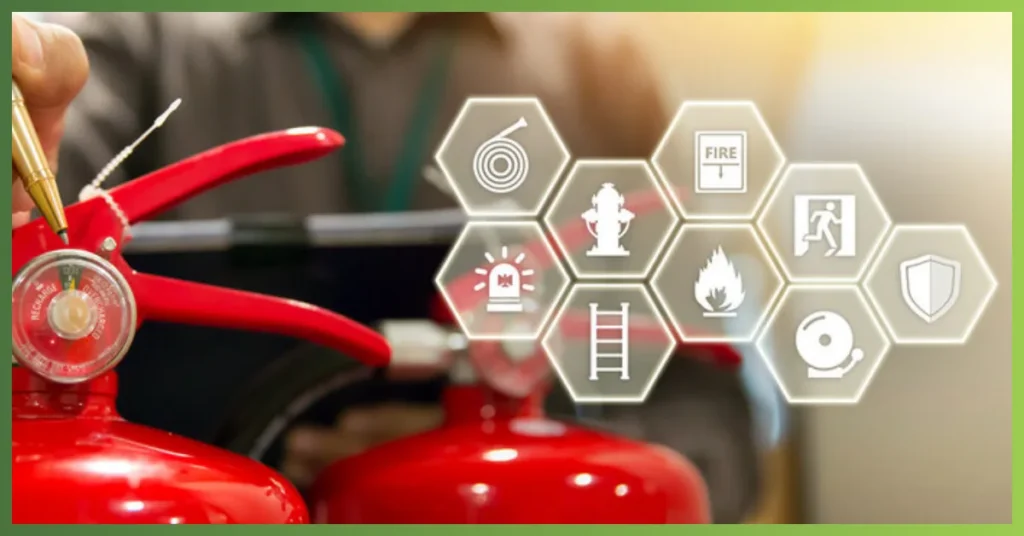
Fire safety is not only a concern for schools. Any business that regularly has employees, customers, visitors, contractors, or large groups of people inside its premises needs a well-planned approach to fire prevention and emergency response. Schools provide a useful example because they often have classrooms, crowded areas, kitchens, laboratories, offices, storage rooms, and multiple evacuation routes. These same types of risks can also exist in offices, shopping centres, restaurants, factories, warehouses, hotels, and other businesses.
The Building Code of Pakistan Fire Safety Provisions 2016 includes specific requirements for educational occupancies. For example, new educational occupancies generally require approved fire alarm systems, subject to the exemptions and conditions specified in the code.
Businesses can learn from this approach by treating fire safety as an essential part of everyday operations rather than something considered only during an inspection.
Why School Fire Safety Principles Matter to Businesses
Schools have a particularly important fire-safety challenge: many people may be unfamiliar with the building and may need clear instructions during an emergency. Businesses can face a similar situation when customers, visitors, temporary workers, or new employees are present.
A good fire-safety plan should therefore consider more than just employees. It should account for everyone who could reasonably be inside the property.
Important considerations include:
- Early fire detection
- Clear alarm notification
- Accessible emergency exits
- Evacuation procedures
- Fire-resistant construction where required
- Appropriate firefighting equipment
- Emergency communication
- Regular inspection and maintenance
- Staff awareness and training
The objective is to make the building easier to evacuate and better prepared to detect and respond to a fire.
Early Detection Is a Business Priority
A fire can develop quickly, particularly when combustible materials, electrical equipment, cooking facilities, machinery, or stored products are involved. Early detection can give occupants more time to respond.
A properly designed fire alarm system in Pakistan can detect signs such as smoke or heat and alert people through appropriate notification devices. Flame Defender states that it designs and installs conventional and addressable fire alarm systems for residential, commercial, and industrial properties across Pakistan. Its solutions include smoke detectors, heat sensors, control panels, and notification equipment.
For businesses, detection should be planned around the actual building rather than simply installing a standard number of devices. Room layout, occupancy, ceiling configuration, environmental conditions, and potential fire hazards can all influence the appropriate design.
What Businesses Can Learn From Educational Buildings
The Building Code of Pakistan identifies educational occupancies as a specific category and provides fire alarm requirements for new educational buildings, with limited exemptions for certain smaller buildings meeting specified conditions.
The principle is relevant beyond schools: buildings with people inside need suitable arrangements for detecting and communicating emergencies.
A business can apply similar thinking by asking:
- How many people normally occupy the building?
- Are visitors familiar with the exits?
- Are there multiple floors?
- Are there areas that may remain unoccupied?
- Are there sleeping occupants?
- Are there kitchens or laboratories?
- Are combustible goods stored on site?
- Could noise prevent people from hearing an alarm?
- Could anyone require additional assistance during evacuation?
These questions can help identify where stronger fire-safety measures may be necessary.
Choose the Right Fire Alarm System
Not every building requires exactly the same alarm configuration.
Smaller buildings with straightforward layouts may use conventional systems where appropriate. Larger or more complex properties may benefit from addressable systems that can provide more specific information about the location of an activated device.
Other technologies may also be suitable for particular environments.
Flame Defender describes conventional, addressable, wireless, intelligent, smoke-detection, heat-detection, and emergency notification solutions as part of its fire alarm services.
The right choice should be based on the building’s design, occupancy, risks, applicable requirements, and professional assessment rather than simply choosing the least expensive system.
Alarm Placement Matters
Installing an alarm system is not enough if detection and notification devices are poorly positioned.
A professional design should consider the building’s rooms, corridors, stairways, occupied spaces, equipment areas, and other relevant locations. Areas with particular hazards may require specialized detection arrangements.
Businesses should also consider whether alarms can be heard or seen throughout the premises.
For example, a loud production area may require different notification arrangements from a quiet office. A large warehouse may also require a different approach from a small retail store.
The purpose is to make sure that people receive an effective warning when an emergency occurs.
Maintenance Is Just as Important as Installation
A fire alarm can become less reliable if it is not maintained.
Dust, humidity, ageing components, electrical problems, damaged wiring, and other conditions can affect system performance. Regular inspection and testing help identify these issues before an emergency.
Flame Defender states that its fire alarm services include regular maintenance, cleaning, testing, calibration, fault identification, repairs, and upgrades.
Businesses should maintain appropriate records of inspections, testing, repairs, and other fire-safety work. Maintenance should follow applicable standards, manufacturer requirements, and the needs of the particular building.
Fire Extinguishers Should Be Part of the Plan
Fire extinguishers can be an important component of a business’s fire-protection arrangements, but simply placing extinguishers around a building does not complete the safety plan.
They should be appropriate for the hazards present and kept accessible. Their condition should also be checked regularly.
Possible problems include physical damage, corrosion, pressure issues, blocked access, or missing components.
Employees should receive appropriate safety information about what to do when a fire occurs. Untrained people should not be expected to tackle a developing fire; evacuation and personal safety should remain the priority.
Consider Different Areas of the Business
Different areas of a business can have very different fire risks.
Offices
Offices may contain computers, electrical equipment, paper, furniture, and other combustible materials. Clear escape routes and suitable detection are important.
Kitchens
Restaurants, cafeterias, and workplace kitchens can have cooking-related fire hazards. Their fire-protection arrangements should reflect the equipment and processes being used.
Warehouses
Warehouses may contain large quantities of packaging, products, chemicals, or other materials. Storage arrangements and fire protection should be evaluated according to the contents and building design.
Workshops and Factories
Machinery, electrical equipment, manufacturing processes, and combustible materials can create different hazards. Fire protection should be designed around the actual processes.
Retail Premises
Retail stores may have large numbers of customers who are unfamiliar with the building. Clear alarm notification and visible, accessible escape routes are particularly important.
Emergency Exits Must Remain Clear
A fire alarm can warn people about danger, but people still need a safe way to leave.
Emergency exits and evacuation routes should remain clear and accessible. Storage, furniture, equipment, decorations, or temporary materials should not be allowed to obstruct designated escape paths.
Businesses should also make sure that employees understand the location of available exits.
Visitors and customers may not know the building, so exit signs and clear communication can be particularly useful.
Emergency Communication Is Important
A siren or alarm provides an important warning, but larger businesses may also benefit from clear emergency communication systems.
Public address systems can help deliver instructions during an evacuation, particularly in larger buildings or premises with multiple areas.
Flame Defender notes that public address systems are used across Pakistan in schools, offices, factories, shopping centres, and other buildings, and can be integrated with fire alarm and evacuation planning where required.
The purpose is to make emergency instructions easier to understand and communicate across the building.
Plan for Visitors and Customers
Businesses should not design evacuation procedures only around permanent employees.
Customers, visitors, delivery personnel, contractors, and other people may also be present.
A practical plan should consider how unfamiliar occupants will receive instructions and how staff will direct people toward safe exits.
This is particularly important for businesses such as:
- Shopping centres
- Hotels
- Restaurants
- Clinics
- Banks
- Educational facilities
- Offices
- Entertainment venues
A person who has never visited the building may not know which exit to use without clear guidance.
Consider People Who Need Additional Assistance
Not everyone can evacuate in exactly the same way.
Businesses should consider the needs of people who may have mobility, hearing, visual, or other accessibility requirements. Emergency planning should identify appropriate arrangements without placing unnecessary responsibility on the person needing assistance.
Staff should understand their roles, and evacuation procedures should be reviewed to ensure they remain practical.
Fire Doors and Compartmentation
Fire doors and fire-resistant construction can help limit the spread of fire and smoke between different areas when properly designed, installed, and maintained.
Doors should not be damaged or improperly modified in ways that could affect their intended performance.
Businesses should also pay attention to openings created for cables, pipes, ducts, and other services. Fire-rated walls and floors can lose their intended performance if penetrations are not appropriately treated.
These aspects should be reviewed by qualified professionals where necessary.
Fire Suppression May Be Appropriate
Some businesses require additional fire suppression beyond portable extinguishers.
Depending on the building and its risks, suppression systems may be considered for commercial, industrial, technical, or other specialized environments.
Flame Defender provides fire suppression services that include site surveys, risk assessment, system design, installation, commissioning, inspection, testing, preventive maintenance, and technical support.
Water-based suppression systems are also used in various building types, including commercial properties, warehouses, hospitals, hotels, and educational facilities.
The appropriate system should always be determined according to the actual hazard and building requirements.
Train Employees Regularly
Fire safety equipment is more effective when people understand the emergency procedures associated with it.
Businesses should provide appropriate fire-safety awareness so employees know:
- What the alarm means
- Where the exits are
- Where to assemble
- How to report an emergency
- Who is responsible for contacting emergency services
- What to do when assisting visitors
- Why blocked exits are dangerous
- When evacuation should take priority
Training should be age-appropriate and focused on safe emergency response. Employees should never be encouraged to take unnecessary risks around fire.
Conduct Fire Drills
Drills can help employees become familiar with evacuation procedures.
A business can use drills to identify issues such as:
- Confusing evacuation routes
- Poor communication
- Blocked exits
- Areas where alarms are difficult to hear
- Problems with assembly arrangements
- Unclear staff responsibilities
The results can then be used to improve the emergency plan.
Drills should be organized responsibly and should not expose employees or visitors to actual fire hazards.
Inspect Fire Equipment Regularly
Fire equipment should be maintained rather than installed and forgotten.
A maintenance program can cover:
- Fire alarm systems
- Smoke and heat detectors
- Fire extinguishers
- Fire doors
- Emergency lighting
- Suppression systems
- Hydrants
- Hose equipment
- Public address systems
The exact inspection and testing requirements depend on the equipment, applicable standards, manufacturer instructions, and building conditions.
The Building Code of Pakistan Fire Safety Provisions 2016 includes provisions concerning fire-safety systems and their maintenance and testing.
Keep Fire Safety Records
Good documentation can help a business understand the condition and history of its fire-protection systems.
Records may include:
- Installation information
- Inspection dates
- Testing results
- Maintenance work
- Repairs
- Replacement components
- Training records
- Fire-drill results
- Identified deficiencies
Keeping organized records can also make it easier to identify recurring problems and schedule future maintenance.
Review Fire Safety After Building Changes
A business’s fire-safety needs can change when its premises change.
Adding new rooms, changing a floor plan, increasing storage, installing new equipment, or changing how a space is used can introduce new risks.
For example, a warehouse that begins storing different products may have different fire-protection requirements from its previous use.
Likewise, an office renovation may alter detector coverage, evacuation routes, or fire-rated partitions.
Fire safety should therefore be reviewed whenever significant changes are made.
Fire Safety Is an Ongoing Responsibility
The biggest mistake a business can make is treating fire safety as a one-time project.
Installing a fire alarm system in Pakistan is an important step, but the system needs appropriate maintenance and testing. Emergency exits must remain accessible. Fire extinguishers need inspection. Employees need awareness. Evacuation plans should be reviewed.
The Pakistan Engineering Council continues to list the Building Code of Pakistan Fire Safety Provisions 2016 among its building-code resources.
A strong safety culture develops when fire protection becomes part of regular building management.
A Practical Business Fire-Safety Checklist
Business owners and managers can use this checklist as a starting point:
- Assess the fire risks specific to the premises.
- Install an appropriately designed detection and alarm system.
- Keep fire alarms maintained and tested.
- Ensure exits and evacuation routes remain clear.
- Provide suitable firefighting equipment where required.
- Keep equipment accessible and properly maintained.
- Consider additional suppression where the risk assessment requires it.
- Provide suitable emergency communication.
- Train employees in emergency procedures.
- Plan for visitors and people requiring additional assistance.
- Conduct appropriate evacuation drills.
- Keep inspection and maintenance records.
- Review fire safety after renovations or changes in building use.
- Seek professional advice for complex or high-risk premises.
This checklist should complement, rather than replace, the requirements applicable to the specific building.
Why Businesses Should Invest in Professional Fire Protection
Professional fire protection is about more than purchasing equipment.
A qualified provider can assess the building, understand its risks, recommend appropriate systems, install equipment correctly, and provide maintenance and testing.
Flame Defender states that it provides fire alarm solutions for offices, commercial properties, factories, warehouses, educational institutions, healthcare facilities, hotels, restaurants, and retail premises across Pakistan.
For businesses with larger or more complicated premises, professional assessment can be particularly valuable because fire detection, alarm notification, suppression, evacuation, and building design need to work together.
Final Thoughts
Every business can learn something from school fire safety. Schools demonstrate why early detection, clear communication, accessible exits, staff awareness, regular maintenance, and organized evacuation procedures matter when many people share a building.
A reliable fire alarm system in Pakistan can provide an important early warning, but it should be considered one part of a wider fire-protection strategy. Businesses also need appropriate equipment, maintained systems, clear procedures, trained staff, and regular reviews.
Fire safety is ultimately about protecting people first. When businesses treat it as an ongoing responsibility rather than a box to tick, they can create safer workplaces and better preparedness for emergencies.
For information about professional fire alarm and fire-protection solutions in Pakistan, visit Flame Defender.
FAQs
1. Why should businesses follow school-style fire safety practices?
Schools often manage large groups of people who may be unfamiliar with the building, making early detection, clear alarms, evacuation planning, and emergency communication especially important. These principles are also valuable for businesses with employees, customers, and visitors.
2. Is a fire alarm system necessary for every business?
The exact requirements depend on the building type, occupancy, size, layout, applicable regulations, and fire risks. Professional assessment can help determine the appropriate detection and alarm arrangements.
3. How often should a business fire alarm system be maintained?
Maintenance frequency depends on the system, manufacturer requirements, applicable standards, and building conditions. Regular inspection and testing should be included in the property’s fire-safety program.
4. What other fire equipment should a business consider?
Depending on the property’s risks, fire safety may include extinguishers, fire doors, emergency lighting, hydrants, hose equipment, suppression systems, detection systems, and emergency communication equipment.
5. Can an existing business install a new fire alarm system?
Yes. Fire alarm systems can be designed for both new and existing buildings. A professional assessment can determine the appropriate system, detector locations, notification methods, and installation requirements for the premises.