
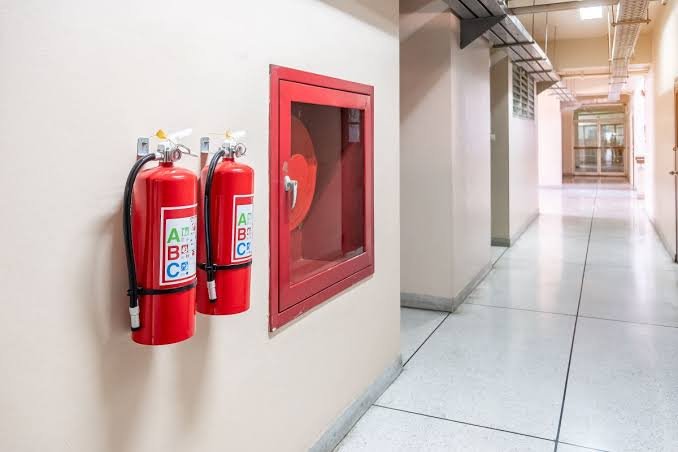
Fire safety is essential for every workplace, but hospitals require a particularly careful approach. Unlike offices, shops, or warehouses, hospitals accommodate people who may be unable to leave a building without assistance. Patients may be recovering from surgery, receiving oxygen therapy, using wheelchairs, or depending on life-support equipment. Even a small fire can become a serious emergency if the right safety measures are missing.
In Pakistan, hospitals and healthcare facilities need reliable fire prevention systems, trained employees, clear emergency procedures, and properly maintained safety equipment. These measures help protect patients, visitors, healthcare professionals, and valuable medical equipment.
Although the title focuses on why every business needs hospital fire safety, the principles apply to a wide range of organizations. Business owners, hospital administrators, facility managers, and building operators can all learn from the planning required to keep healthcare facilities safe.
A dependable Fire alarm system in Pakistan can play an important role in a broader fire-protection strategy. However, alarms alone are not enough. Effective fire safety combines early detection, suitable firefighting equipment, safe building design, staff training, and regular inspections.
This guide explains why hospital fire safety matters, the main risks healthcare facilities face, and the practical steps organizations can take to improve emergency preparedness.
1. Why Is Hospital Fire Safety So Important?
Hospitals operate around the clock and contain different types of fire hazards. Electrical equipment, backup generators, kitchens, storage areas, laboratories, and oxygen-related facilities all require appropriate safety controls.
The greatest challenge is protecting people who cannot evacuate independently. In an ordinary office, many employees may be able to leave through the nearest safe exit. In a hospital, moving patients can require medical supervision, specialized equipment, and coordinated assistance.
The World Health Organization emphasizes that fire safety is an important part of hospital preparedness because healthcare facilities must protect occupants while maintaining essential services during emergencies.
Hospital fire safety is therefore about more than protecting buildings. It is about preserving lives, supporting emergency response, and reducing the risk of interruptions to medical care.
2. Common Fire Hazards in Hospitals
Understanding potential hazards is the first step toward preventing fires. Hospital administrators should assess each department separately because risks vary according to the activities performed there.
Electrical faults and overloaded circuits
Hospitals use monitors, ventilators, diagnostic machines, computers, refrigerators, and many other electrical devices. Damaged cables, faulty connections, unsuitable extensions, and overloaded circuits can increase the risk of electrical fires.
Electrical installations should be inspected by qualified professionals. Staff should report damaged sockets, unusual heat, burning smells, or equipment that repeatedly trips circuit breakers.
Oxygen-rich environments
Oxygen supports combustion and can make fires burn more intensely. Oxygen itself is not a fuel, but oxygen-enriched environments can cause materials to ignite more easily and burn more rapidly.
Medical oxygen systems require appropriate installation, handling, storage, and maintenance. Smoking, open flames, and unsuitable equipment must be controlled wherever oxygen is used or stored.
Hospital kitchens and food preparation areas
Hospital kitchens contain cooking appliances, electrical equipment, and combustible materials such as oils and packaging. Poor cleaning practices, unattended cooking, and faulty equipment can contribute to fire incidents.
Facilities should establish kitchen safety procedures, maintain suitable suppression equipment, and ensure employees understand how to respond to cooking-related fires.
Laundry rooms and storage areas
Laundry operations may involve dryers, heating equipment, lint, and large quantities of textiles. Poor maintenance or accumulated lint can increase fire risk.
Storage rooms can also create problems when combustible supplies are placed near electrical equipment or when corridors and exits are obstructed.
Laboratories and chemical storage
Some healthcare facilities use chemicals, solvents, and other materials that require special storage arrangements. Their risks depend on the substances present and how they are handled.
Hospitals should maintain appropriate inventories, follow safety data sheets, and ensure that staff understand the procedures for handling hazardous materials.
3. The Role of a Fire Alarm System in Hospitals
Early warning gives staff more time to respond to a developing emergency. A properly designed fire alarm system can detect signs of fire, alert occupants, and help emergency teams identify the affected area.
Depending on the building design and applicable requirements, a hospital fire alarm system may include smoke detectors, heat detectors, manual call points, audible alarms, visual notification devices, and a central control panel.
Early detection
Smoke and heat detectors can identify developing fire conditions before flames spread widely. The correct detector type and placement depend on the room’s purpose, environmental conditions, and system design.
For example, a kitchen may require different detection arrangements from a patient ward or an electrical equipment room.
Clear emergency notifications
When an alarm activates, staff need to recognize it and understand the required response. Alarm signals should be audible or visible to the people who need to receive them, including individuals who may have hearing or other accessibility needs.
Hospital emergency procedures should also explain how staff communicate with patients, visitors, security personnel, and emergency responders.
Faster coordination
A properly configured system may help staff identify the area where an alarm originated. This information can support the initial response, although trained personnel must still verify conditions safely.
Organizations looking for a Fire alarm system in Pakistan should consider the building’s occupancy, layout, fire risks, maintenance requirements, and applicable safety provisions rather than choosing equipment based on price alone.
4. Fire Prevention Protects Patients and Staff
Detecting a fire is important, but preventing it from starting is equally essential. A strong prevention programme combines routine inspections, maintenance, safe working practices, and clear responsibilities.
Hospitals should inspect electrical installations, keep combustible materials away from heat sources, maintain suitable housekeeping standards, and ensure that equipment is used according to manufacturer instructions.
Portable heaters and unauthorized electrical appliances should be controlled. Equipment repairs must be handled by qualified personnel, and damaged devices should be taken out of service until they can be assessed safely.
Staff should also know how to report hazards without delay. A simple reporting process can help management address problems before they develop into emergencies.
Fire prevention must extend to contractors and visitors. Maintenance workers, delivery personnel, and construction teams should follow the facility’s safety procedures, especially when their work involves heat, electrical repairs, or flammable materials.
5. Fire Extinguishers and Other Protection Equipment
Fire extinguishers can help trained people respond to certain small fires when it is safe to do so. However, they should never replace evacuation, alarm activation, or emergency assistance.
The correct extinguisher depends on the type of fire. Electrical equipment, ordinary combustible materials, flammable liquids, and cooking oils may require different extinguishing methods.
Hospitals should have a documented process for selecting, positioning, inspecting, and maintaining firefighting equipment. Staff should know where the equipment is located and understand when it is safer to evacuate rather than attempt firefighting.
Other protection measures may include:
- Automatic sprinkler systems where required or appropriate.
- Fire doors and fire-resistant compartmentation.
- Smoke-control measures.
- Clearly marked and illuminated exit routes.
- Fire hose reels or hydrant systems where specified by the building’s design and applicable requirements.
- Emergency lighting and backup power for designated life-safety systems.
These measures work together. A fire alarm may warn people of danger, while fire-resistant doors can help limit the spread of smoke and fire and keep escape routes usable for longer.
6. Planning Safe Evacuation for Hospital Patients
Hospital evacuation requires careful planning because patients have different medical and mobility needs. A single procedure may not be suitable for every department.
The hospital’s emergency plan should identify who makes evacuation decisions, who contacts emergency services, how patient movement is coordinated, and where people should go.
Identify patients who need assistance
Patients may require help because they are unconscious, connected to medical equipment, recovering from surgery, or unable to walk. Staff should understand the assistance required in their assigned areas.
Evacuation planning must be developed with clinical teams so that patient safety and essential treatment needs are considered.
Keep escape routes accessible
Corridors, stairways, exit doors, and access routes must not become storage spaces. Beds, wheelchairs, equipment trolleys, and supplies should not block designated escape routes.
Exit signs and emergency lighting should remain visible and functional. Staff should know alternative routes in case the usual route is affected by smoke or fire.
Consider progressive evacuation
In some hospital designs, moving patients horizontally into a safer fire compartment may be more appropriate as an initial step than immediately moving everyone outside. This approach depends on the building’s fire-resistant construction, approved evacuation strategy, staffing, and applicable regulations.
Hospital management should develop procedures with qualified fire-safety professionals and relevant authorities. Staff must never improvise a patient movement plan during an emergency if an established safe procedure is available.
Coordinate with emergency services
Plans should cover communication with firefighters, ambulance teams, and receiving healthcare facilities when transfers are necessary.
The Pan American Health Organization’s hospital evacuation guidance highlights the importance of advance planning, trained staff, accessible evacuation routes, and arrangements for patient transfer.
7. Staff Training and Fire Drills Save Valuable Time
Fire-safety equipment is only useful when people understand how to respond. Training helps employees recognize alarms, report hazards, follow evacuation procedures, and avoid actions that could put patients or themselves at risk.
Hospitals should provide training appropriate to each employee’s responsibilities. Nurses, doctors, security staff, technicians, housekeeping teams, kitchen workers, and administrative employees may have different duties during an emergency.
Regular fire drills help test whether the plan works in practice. Exercises should consider different shifts, including night duty, when staffing levels and available support may differ.
After each drill, management should review the results. Were alarms heard throughout the building? Did staff understand their responsibilities? Were exit routes accessible? Did communication work as expected?
The purpose of a drill is not simply to complete an exercise. It is to identify weaknesses and improve the emergency plan.
8. Hospital Fire Safety in Pakistan
Hospitals in Pakistan should consider national fire-safety provisions alongside applicable provincial and local requirements. The Building Code of Pakistan: Fire Safety Provisions 2016, developed through the Pakistan Engineering Council with support from the National Disaster Management Authority, provides an important national reference for fire prevention, building protection, and life safety.
However, the requirements that apply to a particular facility may depend on its location, building type, occupancy, design, and the authorities responsible for enforcement. Hospital administrators should confirm applicable requirements with the relevant building-control, fire, and healthcare authorities.
A practical compliance process should include:
- Reviewing applicable building and fire-safety requirements.
- Arranging a professional assessment of fire risks.
- Checking fire detection, alarm, and suppression arrangements.
- Verifying that exits and escape routes are suitable and accessible.
- Maintaining records of inspections, testing, and repairs.
- Training employees and documenting emergency drills.
- Correcting identified safety deficiencies promptly.
Older hospitals may need particular attention because their original layouts or systems may not reflect current needs. Any upgrades should be assessed by qualified professionals to determine suitable improvements without compromising patient care.
9. Why Every Business Can Learn from Hospital Fire Safety
Although hospitals face distinctive challenges, many of their safety principles apply to offices, shopping centres, schools, factories, hotels, and other commercial facilities.
Every organization has a responsibility to identify fire hazards, maintain suitable protection systems, train staff, and establish clear emergency procedures.
Hospitals demonstrate why a fire-safety plan must account for the people inside a building rather than focusing only on the structure. A business may need special arrangements for customers with disabilities, visitors unfamiliar with the building, employees working alone, or people who need assistance to reach an exit.
Businesses can adopt several practical measures:
- Carry out regular fire-risk assessments.
- Install suitable detection and alarm systems.
- Keep exits, corridors, and stairways clear.
- Maintain extinguishers and other required equipment.
- Train staff in emergency procedures.
- Display clear emergency instructions.
- Test systems according to manufacturer guidance and applicable requirements.
- Record faults and ensure repairs are completed.
- Review emergency plans whenever building use or layout changes.
A reliable fire-safety programme can reduce the risk of injury, property damage, operational disruption, and avoidable repair costs. More importantly, it supports a safer environment for employees, customers, and visitors.
10. How to Maintain Hospital Fire-Safety Systems
Installing equipment is only the beginning. Fire alarms, detectors, emergency lighting, extinguishers, sprinklers, and other protection systems require ongoing attention.
Hospitals should create a maintenance schedule that identifies each system, the responsible person, required inspection or testing intervals, and the records that must be retained. The schedule should follow manufacturer instructions, system design requirements, applicable standards, and local regulations.
Fire alarm systems should be checked for faults, damaged devices, power-supply issues, and other problems that could affect operation. Testing should be coordinated with clinical departments so that staff remain aware of the test and any temporary impairment is managed safely.
If a system becomes unavailable, management should follow an established impairment procedure. Depending on the risk and local requirements, this may involve notifying responsible staff, arranging temporary safeguards, and restoring the system promptly.
Maintenance records help demonstrate that the organization takes fire safety seriously and provide useful evidence when investigating recurring faults.
11. The Financial and Operational Benefits of Fire Safety
Fire incidents can cause much more than direct property damage. They may interrupt patient treatment, damage expensive equipment, affect staff availability, and reduce public confidence in a healthcare facility.
Prevention and preparedness require planning and investment, but they can reduce the likelihood and consequences of a serious incident. Early detection, well-maintained systems, and trained staff can help organizations respond more effectively when a hazard develops.
Fire safety can also support business continuity. Hospitals need to protect critical services and consider how they would maintain or transfer essential care if part of a facility became unusable.
For other businesses, the same principle applies: planning ahead can reduce disruption and help protect employees, customers, assets, and records.
The goal is not to eliminate every possible risk, which cannot be guaranteed. The goal is to identify foreseeable hazards, reduce them where possible, and prepare for emergencies in a responsible and organized way.
Conclusion
Hospital fire safety is a vital part of protecting patients, healthcare workers, visitors, and essential medical services. Hospitals face unique challenges because many patients cannot evacuate independently and some depend on equipment or treatments that require careful coordination.
Effective protection combines fire prevention, early detection, suitable firefighting equipment, accessible escape routes, trained staff, regular drills, and planned maintenance. In Pakistan, healthcare facilities should also review the Building Code of Pakistan: Fire Safety Provisions 2016 and confirm which requirements apply to their buildings.
The lessons extend beyond healthcare. Every business can improve safety by assessing its risks, maintaining appropriate equipment, and preparing employees to respond calmly and correctly.
A properly selected and maintained Fire alarm system in Pakistan can contribute to early warning, but it should always form part of a complete fire-safety strategy. By making safety a continuing responsibility rather than a one-time installation, organizations can better protect people and support more resilient operations.
Frequently Asked Questions (FAQs)
1. Why is hospital fire safety important?
Hospital fire safety protects patients, staff, visitors, medical equipment, and essential healthcare services. It is particularly important because some patients cannot evacuate independently and may need medical assistance during an emergency.
2. What fire-safety equipment should a hospital have?
Depending on its design, risks, and applicable requirements, a hospital may need fire alarm systems, smoke or heat detectors, suitable extinguishers, sprinklers, fire doors, emergency lighting, exit signs, and other protection equipment. A qualified professional should assess the facility to determine the appropriate systems.
3. How often should hospital fire alarms be tested?
Testing frequency depends on the system, manufacturer instructions, applicable standards, and local requirements. Hospitals should follow a documented inspection and testing schedule and retain records of results, faults, and repairs.
4. What are the main causes of hospital fires?
Potential causes include electrical faults, overloaded circuits, cooking equipment, poorly maintained machinery, and unsafe handling or storage of combustible materials. Oxygen-enriched environments can also make an existing fire more intense.
5. How can businesses improve fire safety in Pakistan?
Businesses can conduct fire-risk assessments, install suitable alarm and protection systems, maintain equipment, keep escape routes clear, train employees, practise emergency drills, and confirm compliance with relevant national, provincial, and local requirements. A qualified fire-safety professional can help identify the measures appropriate for each building.