
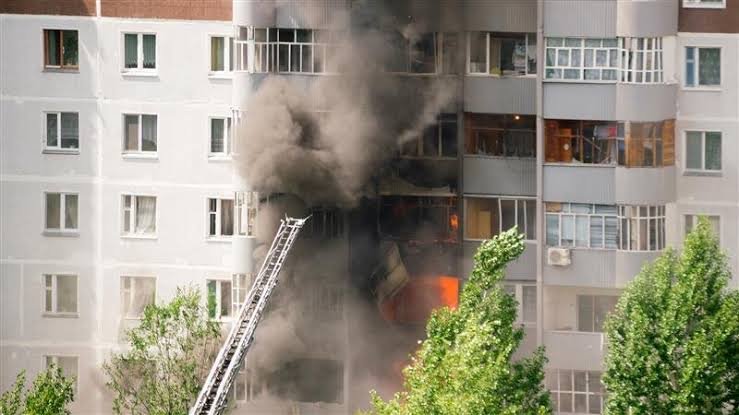
High-rise buildings allow businesses to operate efficiently in limited urban space, but their height creates additional challenges during a fire emergency. A fire on one floor can affect occupants on other floors through smoke, stairways, service shafts, electrical systems, and other building connections.
For businesses operating in offices, hotels, shopping centers, hospitals, residential-commercial towers, or mixed-use buildings, fire safety therefore needs to be treated as an essential part of building management rather than an optional feature.
A comprehensive fire safety strategy combines prevention, early detection, alarm notification, firefighting equipment, protected escape routes, emergency lighting, staff training, evacuation procedures, and regular maintenance.
Pakistan’s Building Code of Pakistan – Fire Safety Provisions 2016 specifically addresses high-rise building fire protection, evacuation, fire drills, means of egress, and other fire-safety requirements. The National Disaster Management Authority (NDMA) also currently publishes Urban Fire Safety Guidelines, issued in March 2026.
What Makes High-Rise Fire Safety Different?
Fire safety in a single-storey building can already be complicated. In a high-rise building, the situation becomes more demanding because occupants may be separated from the ground level by many floors.
Several factors can increase the consequences of a fire:
- Large numbers of occupants
- Long vertical travel distances
- Multiple businesses sharing one building
- Smoke movement through shafts and corridors
- Dependence on protected stairways
- Electrical and mechanical systems spread throughout the building
- Limited access for firefighting operations
- Visitors who may be unfamiliar with the building
- Different evacuation needs among occupants
A business may have excellent internal safety procedures, but it also depends on the building’s shared fire protection systems.
That is why high-rise fire safety needs cooperation between building owners, facility managers, tenants, employees, security staff, and emergency responders.
Why Fire Safety Is an Essential Business Investment
Fire protection is sometimes viewed mainly as a regulatory requirement.
It is much broader than that.
A fire can affect:
- Employees
- Customers
- Visitors
- Business equipment
- Documents
- Computer systems
- Inventory
- Building infrastructure
- Business operations
- Reputation and continuity
A properly planned fire safety program helps reduce the potential consequences of an emergency.
It can also help a business identify hazards before an incident occurs.
The investment may include equipment, inspections, maintenance, training, emergency planning, and building improvements. These measures are intended to work together rather than independently.
The Role of a Fire Alarm System in High-Rise Buildings
A fire alarm system in Pakistan can be a central part of high-rise fire protection because early warning is particularly important when occupants may need to travel several floors to reach safety.
Depending on the building’s design and requirements, a fire detection and alarm system may include:
- Smoke detectors
- Heat detectors
- Manual call points
- Alarm sounders
- Visual notification devices
- Fire alarm control panels
- Backup power
- Monitoring and fault indication
- Interfaces with other building systems
The system should be designed according to the building’s occupancy, layout, environmental conditions, fire risks, and applicable requirements.
The Building Code of Pakistan contains provisions for fire detection and alarm systems and specifies circumstances in which fire alarm systems are required.
Early Detection Gives People More Time
One of the most important principles of fire safety is early warning.
A small fire may initially produce smoke or heat before it develops into a larger incident. Detecting the event promptly can allow occupants and trained personnel to begin the appropriate emergency procedures.
In a high-rise building, time is particularly important because:
- The alarm must reach occupants.
- People need to stop what they are doing.
- They need to follow evacuation instructions.
- Occupants may need to move to protected stairways.
- Large numbers of people may need to exit or relocate.
- Emergency responders need time to reach the affected area.
A reliable alarm system is therefore one part of a broader strategy for managing evacuation and emergency response.
Fire Safety Starts With Prevention
Detection is important, but preventing fires from starting is even better.
Businesses should regularly examine common ignition sources, including:
Electrical equipment
Look for:
- Damaged cables
- Overloaded outlets
- Loose connections
- Improper extension-cord use
- Faulty appliances
- Overheating equipment
Kitchens
Commercial kitchens can involve:
- Cooking oils
- Open flames
- Gas appliances
- Electrical equipment
- Grease deposits
- High temperatures
Storage areas
Businesses should control unnecessary accumulation of:
- Paper
- Cardboard
- Packaging
- Textiles
- Chemicals
- Other combustible materials
Mechanical rooms
Equipment such as generators, boilers, compressors, pumps, and HVAC systems requires appropriate inspection and maintenance.
Fire Doors and Compartmentation
High-rise fire safety is not only about alarms.
The building itself can help control fire and smoke through passive protection.
Fire-resistant walls, floors, doors, shafts, and other barriers can help limit fire movement between areas when properly designed and maintained.
Fire doors are particularly important because doors can separate corridors, stairways, rooms, and other areas.
Businesses should ensure that:
- Fire doors are not unnecessarily propped open.
- Door closers function correctly.
- Doors are not damaged.
- Fire-rated assemblies are not modified without appropriate assessment.
- Service penetrations are properly protected.
A fire alarm can provide warning, but compartmentation can help slow the movement of fire and smoke.
These systems complement one another.
Protected Escape Routes Are Critical
In a high-rise building, occupants generally cannot simply walk out through a nearby ground-floor door.
They may need to use protected stairways or other designated means of egress.
Businesses should know:
- Where the nearest emergency exits are
- Which stairways serve their floor
- Which routes are alternative exits
- Where the assembly area is
- What procedures apply when the alarm activates
Escape routes should remain free of storage, furniture, equipment, and other obstructions.
The Pakistan fire safety provisions include requirements concerning means of egress and building evacuation. They also state that occupants are generally required to leave when a fire alarm system is activated, subject to an approved evacuation plan and specified exceptions.
Why Elevators Require Special Consideration
During a fire emergency, elevators may not be suitable for normal evacuation.
Smoke, heat, power interruption, water from firefighting systems, or changes in building conditions can affect elevator operation.
For this reason, emergency planning should clearly communicate the appropriate evacuation routes and instructions for the particular building.
Businesses should not simply assume that employees know what to do.
Regular training can reduce confusion when an alarm sounds.
Emergency Lighting and Exit Signs
A fire can cause power disruption or reduce visibility because of smoke.
Emergency lighting and clearly visible exit signs can help occupants identify escape routes.
Businesses should make sure:
- Exit signs are visible.
- Emergency lighting is maintained.
- Corridors remain unobstructed.
- Stairway access is available.
- Exit routes are familiar to employees.
These features become particularly important in large buildings where people may be unfamiliar with the layout.
Fire Extinguishers and Other Equipment
Portable extinguishers provide another layer of protection.
The correct extinguisher should be selected according to the potential fire hazards.
For example, a business office may have risks involving ordinary combustibles and electrical equipment, while a commercial kitchen may have cooking-oil hazards requiring different equipment.
Extinguishers should be:
- Correctly selected
- Clearly identified
- Accessible
- Properly maintained
- Regularly inspected
- Located according to the building’s fire protection plan
Employees should also receive appropriate instruction.
However, extinguishers are not intended to encourage people to fight fires that are already large, rapidly spreading, producing heavy smoke, or blocking escape routes.
Fire Hydrants, Hose Reels, and Sprinklers
High-rise buildings may use fixed firefighting systems in addition to portable equipment.
Depending on the building and applicable requirements, these can include:
- Fire hydrants
- Wet or dry risers
- Hose reels
- Automatic sprinklers
- Fire pumps
- Dedicated water storage
- Fire department connections
The specific systems required depend on building design, occupancy, height, applicable codes, and the Authority Having Jurisdiction.
The Pakistan fire safety provisions include specific requirements for high-rise buildings, including fire protection measures during construction.
The important point for businesses is that these systems must not simply exist—they need appropriate inspection, testing, maintenance, and access.
High-Rise Fire Safety During Construction
Fire protection is important even before a high-rise building is fully occupied.
Construction sites can contain:
- Temporary electrical systems
- Welding equipment
- Gas cylinders
- Flammable materials
- Combustible packaging
- Construction debris
- Temporary heating equipment
The Building Code of Pakistan’s fire safety provisions specifically addresses fire protection measures for high-rise buildings during construction, including dry risers and water supplies.
Construction management should therefore treat fire protection as an ongoing requirement rather than something installed only at project completion.
Staff Training Makes Equipment More Effective
A building can have sophisticated equipment and still experience problems if occupants do not understand emergency procedures.
Employees should know:
- How to recognize an alarm
- How to report a fire
- Where emergency exits are located
- Which stairways to use
- Where to assemble
- What to do if smoke is present
- When not to use an extinguisher
- Who has responsibility for emergency coordination
Training should be appropriate to the employee’s role.
Security personnel, facility teams, fire wardens, managers, and ordinary office staff may have different responsibilities.
Fire Drills in High-Rise Businesses
Drills provide an opportunity to test emergency procedures before an actual emergency occurs.
A drill can reveal problems such as:
- Confusing instructions
- Blocked exits
- Slow evacuation
- Inadequate alarm audibility
- Poor communication
- Unclear assembly arrangements
- Difficulties assisting people with disabilities
- Lack of coordination between tenants
The Building Code of Pakistan provides for emergency egress and relocation drills and calls for records of drills to be maintained.
Businesses should treat drills as practical tests rather than simply formal exercises.
Protecting Employees With Different Needs
Not every employee can respond to an emergency in the same way.
Fire plans should consider people who may:
- Have mobility limitations
- Have hearing or visual impairments
- Be temporarily injured
- Be unfamiliar with the building
- Require assistance during evacuation
Visitors and contractors should also be considered.
A high-rise emergency plan should clearly establish responsibilities for providing appropriate assistance without creating additional danger.
Business Continuity After a Fire
The effects of a fire can continue long after flames are extinguished.
A business may lose access to:
- Offices
- Computers
- Documents
- Inventory
- Production equipment
- Communications
- Customer records
Even a relatively contained incident can interrupt operations.
Businesses can improve resilience through:
- Data backups
- Emergency contact lists
- Alternative work arrangements
- Critical equipment inventories
- Insurance documentation
- Business continuity planning
Fire safety therefore connects directly with operational resilience.
Maintenance Is Not Optional
Fire protection equipment requires ongoing attention.
A maintenance program should cover applicable systems such as:
- Fire alarm panels
- Detectors
- Manual call points
- Alarm sounders
- Emergency lighting
- Fire extinguishers
- Fire doors
- Hydrants
- Hose reels
- Sprinklers
- Fire pumps
- Water storage
- Emergency power
The exact inspection and testing schedule depends on the equipment, manufacturer requirements, applicable standards, and building requirements.
A system that worked correctly when installed may not remain reliable without maintenance.
Common High-Rise Fire Safety Mistakes
1. Treating the alarm as the entire fire strategy
An alarm provides warning, but fire protection also involves prevention, compartmentation, suppression, evacuation, and training.
2. Blocking stairways
Boxes, furniture, equipment, or stored materials can obstruct evacuation routes.
3. Ignoring false alarms
Repeated false alarms can lead occupants to stop taking alarms seriously.
Every alarm system should be properly maintained and investigated when faults or recurring unwanted alarms occur.
4. Neglecting fire doors
Damaged or permanently open fire doors can compromise compartmentation.
5. Skipping drills
Employees may not remember emergency procedures simply because they received an orientation once.
6. Failing to coordinate tenants
In multi-tenant buildings, one business’s actions can affect everyone else.
A Practical High-Rise Business Fire Safety Checklist
Businesses can use this checklist as a starting point:
Fire Detection
- [ ] Alarm system inspected
- [ ] Detectors maintained
- [ ] Manual call points accessible
- [ ] Alarm signals audible/visible as required
- [ ] Backup power maintained
Fire Protection
- [ ] Extinguishers accessible
- [ ] Hydrants/hose reels maintained where provided
- [ ] Sprinkler systems maintained where installed
- [ ] Fire pumps inspected where applicable
Evacuation
- [ ] Emergency exits identified
- [ ] Stairways unobstructed
- [ ] Exit signs visible
- [ ] Emergency lighting maintained
- [ ] Assembly area identified
Building Protection
- [ ] Fire doors maintained
- [ ] Fire-rated barriers protected
- [ ] Service penetrations appropriately sealed
- [ ] Combustible storage controlled
People
- [ ] Staff trained
- [ ] Fire wardens designated where appropriate
- [ ] Visitors considered
- [ ] Assistance arrangements established
- [ ] Fire drills conducted as required
Management
- [ ] Inspection records maintained
- [ ] Defects corrected
- [ ] Emergency contacts updated
- [ ] Tenants coordinated
- [ ] Emergency procedures reviewed
Fire Safety Requirements in Pakistan
The Pakistan Engineering Council (PEC) lists the Building Code of Pakistan – Fire Safety Provisions 2016 among its building codes and standards.
The code addresses areas including fire prevention, life safety, fire protection systems, means of egress, evacuation, fire drills, and requirements associated with high-rise buildings.
In addition, NDMA’s current guidance library includes Urban Fire Safety Guidelines, published on March 16, 2026. NDMA has also emphasized risk-informed infrastructure audits as part of its 2026 Infrastructure Audit Program, reflecting a broader focus on identifying vulnerabilities before disasters occur.
The exact requirements for a particular high-rise property depend on factors such as occupancy, building height, design, construction, location, applicable regulations, and the relevant Authority Having Jurisdiction. Businesses should therefore obtain project-specific advice from appropriately qualified professionals.
Final Thoughts
High-rise businesses cannot rely on a single piece of equipment to provide complete fire protection.
A comprehensive strategy combines prevention, early detection, alarm notification, passive fire protection, firefighting systems, protected escape routes, emergency lighting, staff training, evacuation drills, and ongoing maintenance.
A properly designed fire alarm system in Pakistan can provide an important early-warning function, but its effectiveness depends on the wider safety environment around it.
For businesses operating in high-rise buildings, investing in fire safety means investing in people, property, operational continuity, and preparedness.
For more information about fire protection solutions, you can explore .
FAQs
1. Why is fire safety particularly important for high-rise businesses?
High-rise buildings can have large numbers of occupants, long evacuation routes, multiple tenants, and complex electrical and mechanical systems. Smoke and fire can also affect areas away from where a fire begins.
2. What role does a fire alarm system play in a high-rise building?
It provides early warning when a fire or other alarm condition is detected. Depending on the design, it may use smoke or heat detectors, manual call points, alarm sounders, visual notification, and a central control panel.
3. Should employees use elevators during a fire?
Businesses should follow the building’s approved emergency procedures. In general, occupants should use designated emergency evacuation routes rather than treating passenger elevators as normal escape routes during a fire.
4. How often should a business conduct fire drills?
The appropriate frequency depends on the building’s occupancy and applicable requirements. Pakistan’s fire safety provisions include requirements for emergency egress and relocation drills and require records of drills to be maintained.
5. Does Pakistan have specific fire safety provisions for high-rise buildings?
Yes. The Building Code of Pakistan – Fire Safety Provisions 2016 contains provisions addressing high-rise buildings, including fire protection during construction, evacuation, fire drills, and other fire-safety measures.