
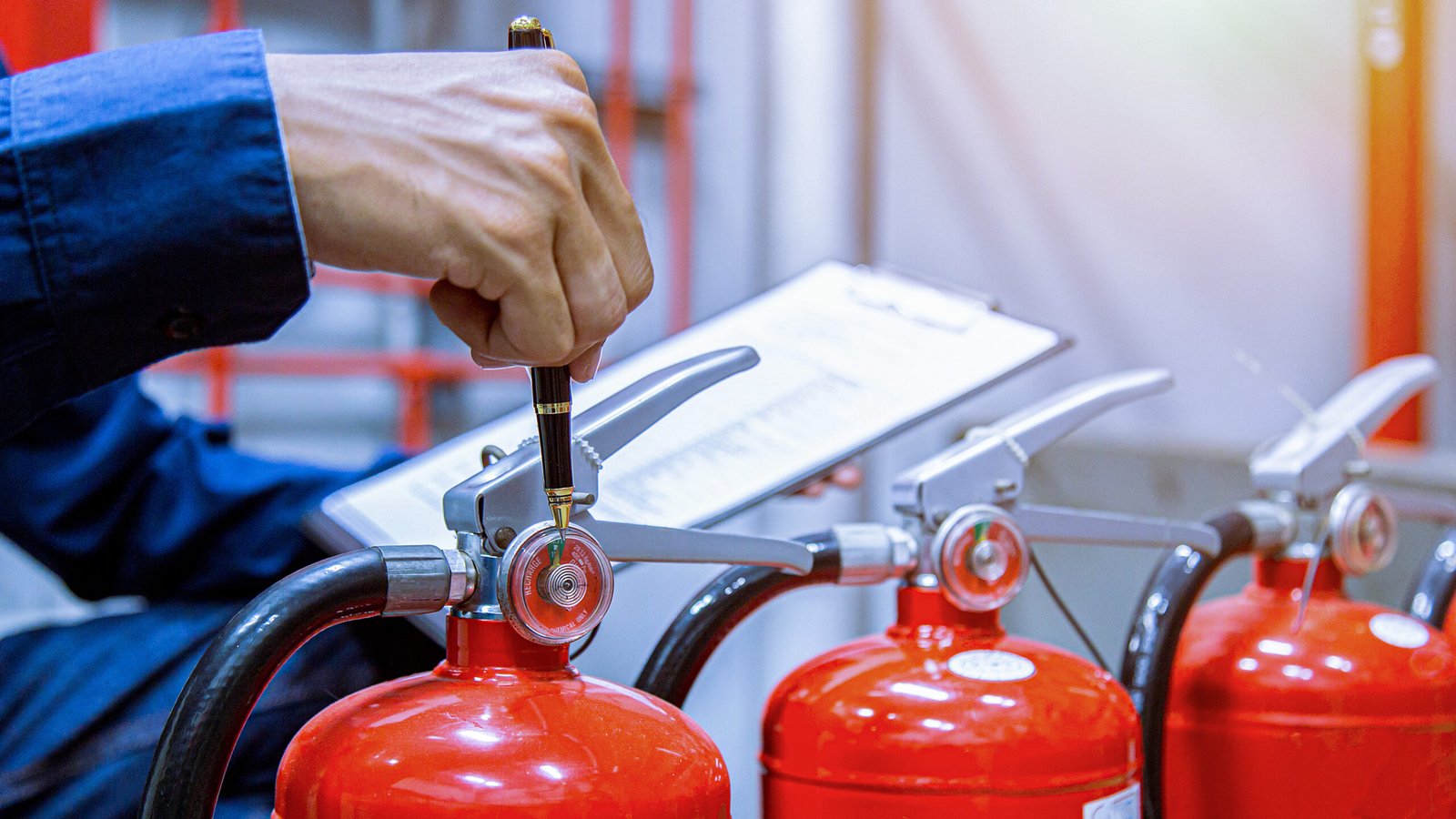
Fire safety is an important responsibility for every business, but it becomes especially important when a workplace, care facility, hotel, hospital, shopping center, restaurant, or residential business serves older adults. Elderly people may need additional time, assistance, or accessible evacuation routes during an emergency. For this reason, businesses should consider their needs when developing fire prevention, detection, warning, and evacuation plans.
A comprehensive fire safety strategy should not depend on one piece of equipment. It should combine fire prevention, smoke detection, alarms, emergency lighting, accessible exits, staff training, evacuation procedures, and appropriate firefighting equipment. In Pakistan, businesses should also consider applicable building and fire-safety requirements when planning their facilities.
The Building Code of Pakistan includes specific provisions for situations where occupants may be unable to evacuate independently because of age or physical or mental disabilities. It also addresses occupant notification and arrangements for staff who may be responsible for assisting such occupants.
Why Elderly People May Need Additional Fire Safety Planning
Not every older person has difficulty responding to an emergency. However, businesses should recognize that some elderly occupants may have mobility, hearing, vision, or other limitations that can affect evacuation.
For example, an older person may:
- Need assistance using stairs
- Move more slowly during an evacuation
- Have difficulty hearing a conventional alarm
- Have difficulty seeing signs or emergency lighting
- Become confused or disoriented during an unexpected emergency
- Need assistance from trained staff
- Depend on mobility equipment
These possibilities make inclusive fire safety planning important.
The objective is not to assume that every elderly person is vulnerable. Instead, businesses should identify the needs of the people who regularly use their premises and make reasonable arrangements to support safe evacuation.
The Importance of Early Warning
Early warning gives occupants and staff more time to respond. Smoke detectors, heat detectors, manual alarm points, and other components can form part of a properly designed fire detection and alarm arrangement.
A fire alarm system in Pakistan should be selected according to the building, its occupancy, fire risks, layout, and applicable requirements rather than using the same design for every property.
The Building Code of Pakistan specifies that occupant notification may involve audible and visible signals. This is particularly relevant when considering people who may have difficulty hearing an alarm.
For elderly occupants, businesses should therefore consider whether alarm signals can be noticed by people with different sensory abilities.
Audible and Visual Alarm Signals
A loud alarm can provide an important warning, but sound alone may not reach everyone effectively.
Some people may have hearing difficulties, particularly in busy environments where background noise is present. Visual notification can provide an additional way of communicating an emergency.
The Building Code of Pakistan’s fire safety provisions states that evacuation notification signals are generally to be audible and visible, subject to the specific provisions and exceptions in the code.
Businesses should have their fire safety professionals assess where notification devices should be installed and how they should operate.
Accessible Emergency Exits
An alarm is only useful if people have a practical way to reach safety.
Emergency exits should be clearly identified, unobstructed, and incorporated into the building’s evacuation plan. Businesses should regularly check that corridors, stairways, exit doors, and designated escape routes are not blocked by furniture, storage, equipment, or other materials.
For older adults who have difficulty walking, evacuation planning may require additional consideration. Depending on the building and its approved evacuation strategy, staff may need specific procedures for helping people reach safe areas.
Elevators should not automatically be treated as ordinary evacuation routes during a fire. The appropriate evacuation procedure depends on the building’s design and emergency plan.
Fire Safety in Care Facilities
Businesses that operate nursing homes, assisted-living facilities, residential care centers, or similar premises have a particularly important responsibility because some residents may not be able to evacuate without assistance.
The Building Code of Pakistan contains provisions for residential board-and-care occupancies and addresses smoke alarms, smoke detection, fire alarm systems, and evacuation considerations. For larger new residential board-and-care occupancies, the code provides for a fire alarm system and smoke alarms in specified locations.
Such facilities should have clearly documented emergency procedures and appropriately trained personnel.
Staff should understand:
- How the alarm system operates
- What to do when an alarm activates
- Which residents may require assistance
- Where emergency exits are located
- Where residents should assemble
- How to communicate with emergency responders
- Who is responsible for checking designated areas
Staff Training Makes a Difference
Fire equipment cannot replace trained people.
Employees should understand their responsibilities before an emergency occurs. Training should be appropriate to their roles and should cover the organization’s approved emergency procedures.
Staff can be trained to recognize alarm signals, report emergencies, guide occupants toward designated exits, and provide appropriate assistance within their training and the facility’s procedures.
Businesses should avoid assuming that employees will automatically know what to do during a real emergency. Regular training and drills can help people become familiar with evacuation routes and responsibilities.
A recent example in Pakistan demonstrates the value of practical preparation: Parliament House in Islamabad conducted a mock fire drill in September 2026 that included evacuation through designated emergency routes and assessment of firefighting and rescue arrangements.
Fire Drills Should Include Everyone
A fire drill should not only be designed around the fastest and most mobile employees.
Businesses serving elderly people should consider how the evacuation plan works for occupants who need assistance. Drills can help identify problems such as:
- Narrow or difficult routes
- Poorly positioned signs
- Inadequate communication
- Confusion about staff responsibilities
- Areas where assistance may be required
- Difficulties reaching assembly points
The purpose of a drill is to identify weaknesses in the plan and improve them.
Drills should be conducted safely and according to the organization’s procedures rather than creating unnecessary risk.
Emergency Lighting and Signage
During a fire, normal electrical power may be affected or visibility may be reduced by smoke. Emergency lighting and clearly visible exit signs can help people identify evacuation routes.
This can be particularly helpful for elderly occupants who may require additional time to understand and follow an escape route.
Signs should be easy to recognize and positioned where people can see them. Emergency routes should also remain free from unnecessary obstacles.
Businesses should have emergency lighting and signage inspected as part of their overall safety program.
Keeping Fire Equipment Accessible
Fire extinguishers, alarm points, emergency exits, and other safety equipment should not be hidden behind furniture, merchandise, storage boxes, or other objects.
Employees should know where relevant equipment is located and understand their responsibilities concerning it.
The aim is not to encourage untrained people to fight dangerous fires. If a fire occurs, the organization’s emergency procedure should prioritize raising the alarm, contacting emergency services, and evacuating occupants according to the approved plan.
Combining Detection With Other Protection Measures
Fire detection is one part of a broader protection strategy. Flame Defender’s range includes fire alarm systems, smoke detectors, fire extinguishers, fire sprinkler systems, fire hydrant systems, fire pumps, emergency equipment, and related fire-safety products.
A business should choose equipment according to its specific building and risk assessment rather than simply purchasing individual products.
You can learn more about fire protection solutions here:
Fire Safety for Offices
An office may not appear to have the same risks as a hospital or care facility, but elderly visitors, customers, employees, or contractors may still be present.
Office managers should consider whether:
- Alarm signals can be noticed throughout the premises
- Emergency exits are clearly marked
- Corridors remain unobstructed
- Staff understand evacuation procedures
- Visitors can be guided safely
- Emergency equipment is accessible
- Fire safety information is communicated clearly
A simple and well-practiced plan can make evacuation more organized.
Fire Safety for Hotels and Hospitality Businesses
Hotels may accommodate older guests who are unfamiliar with the building’s layout. They may also be asleep when a fire alarm activates.
This makes clear notification and evacuation information particularly important.
Hotels should maintain suitable detection and alarm arrangements and provide clear information about emergency exits. Staff should also understand how to respond to guests who require assistance.
Because guests may be unfamiliar with the property, signage and staff guidance can play an important role in the overall emergency plan.
Fire Safety for Hospitals and Healthcare Businesses
Healthcare facilities have complex fire safety requirements because some patients may be unable to move independently.
Hospitals and similar facilities need carefully coordinated emergency procedures covering detection, alarm notification, staff responsibilities, evacuation or relocation strategies, and communication with emergency responders.
The Building Code of Pakistan recognizes situations in which occupants may be incapable of evacuating themselves because of age or disability and provides specific provisions concerning notification of the personnel responsible for evacuation.
The exact evacuation approach should be determined by the facility’s approved emergency and fire safety plan.
Regular Inspection and Maintenance
Installing fire safety equipment is not enough. Systems must remain operational.
Businesses should establish appropriate inspection, testing, and maintenance schedules for fire alarms, smoke detectors, emergency lighting, extinguishers, sprinkler systems, hydrants, fire pumps, and other relevant equipment.
Maintenance can identify problems such as:
- Faulty detectors
- Damaged alarm devices
- Power-supply problems
- Blocked equipment
- Damaged emergency lighting
- Faulty pumps
- Expired or improperly maintained extinguishers
- Communication failures
The exact maintenance requirements depend on the equipment, system design, manufacturer instructions, and applicable regulations.
Fire Safety Requirements in Pakistan
Businesses operating in Pakistan should consider the applicable national, provincial, and local requirements for their type of building.
The Building Code of Pakistan’s Fire Safety Provisions includes requirements relating to fire detection, alarm notification, evacuation, and special occupancy situations.
Requirements can also differ according to location and building type. For example, current fire-safety enforcement in Islamabad demonstrates that authorities are actively reviewing fire safety arrangements in public and private buildings. In January 2026, the Capital Development Authority reported that it had surveyed 6,500 buildings and identified issues including missing fire-safety plan approvals and certificates in many buildings.
Businesses should therefore consult qualified fire safety professionals and the relevant authority when planning or upgrading their systems.
Creating an Inclusive Fire Evacuation Plan
An effective plan should consider the actual people who use the premises.
Businesses can begin by identifying:
- Who may need assistance?
Consider elderly customers, residents, employees, and visitors who may have mobility or sensory limitations. - Where are they normally located?
Understanding the building’s typical occupancy can help staff plan appropriate assistance. - Which routes are available?
Identify primary and alternative evacuation routes. - Who will provide assistance?
Responsibilities should be assigned in advance rather than decided during an emergency. - Where is the assembly point?
The designated location should be accessible and appropriate for the building’s occupants. - How will staff communicate?
Communication procedures should be simple and clear. - How will the plan be tested?
Regular drills can reveal problems that may not be obvious on paper.
Prevention Is Better Than Reaction
Although alarms and firefighting equipment are essential, preventing fires is equally important.
Businesses should control common hazards such as overloaded electrical outlets, damaged electrical equipment, blocked exits, unsafe storage, combustible materials, and poor housekeeping.
Employees should know how to report hazards before they become emergencies.
Fire safety inspections and risk assessments can help businesses identify potential problems and establish corrective measures.
Conclusion
Every business has a responsibility to think about the safety of everyone who enters its premises, including older adults. Elderly people are not automatically unable to evacuate, but some may require additional time, assistance, or accessible communication during an emergency.
A strong fire safety strategy combines prevention, early detection, effective alarms, accessible evacuation routes, trained employees, emergency lighting, appropriate firefighting equipment, regular drills, and proper maintenance.
A fire alarm system in Pakistan should be selected and designed according to the building’s specific requirements and applicable fire safety provisions. For businesses that serve elderly people, the system should also form part of an inclusive emergency plan that considers mobility, hearing, vision, and assistance needs.
Most importantly, fire safety should be planned before an emergency occurs. When equipment, people, procedures, and training work together, businesses are better prepared to protect their customers, employees, visitors, and residents.
Frequently Asked Questions
1. Why is fire safety particularly important for elderly people?
Some elderly people may need additional time or assistance during evacuation because of mobility, hearing, vision, or other limitations. A suitable emergency plan can help address these needs.
2. What should businesses include in their fire safety plan?
A plan can include fire prevention measures, detection and alarms, emergency exits, evacuation procedures, emergency lighting, firefighting equipment, staff responsibilities, assembly points, training, and regular drills.
3. Is an alarm alone enough to protect elderly occupants?
No. An alarm provides an important warning, but effective protection also requires accessible evacuation routes, trained staff, appropriate procedures, and suitable fire protection equipment.
4. How often should businesses conduct fire drills?
The appropriate frequency depends on the building, occupancy, applicable requirements, and the organization’s fire safety plan. Businesses should follow relevant regulations and professional recommendations and use drills to identify weaknesses in their procedures.
5. What should businesses consider when choosing a fire alarm system in Pakistan?
They should consider the building’s size, layout, occupancy, fire risks, people who may need assistance, applicable regulations, system compatibility, installation requirements, and ongoing testing and maintenance. A qualified fire safety professional can help determine the appropriate design.