
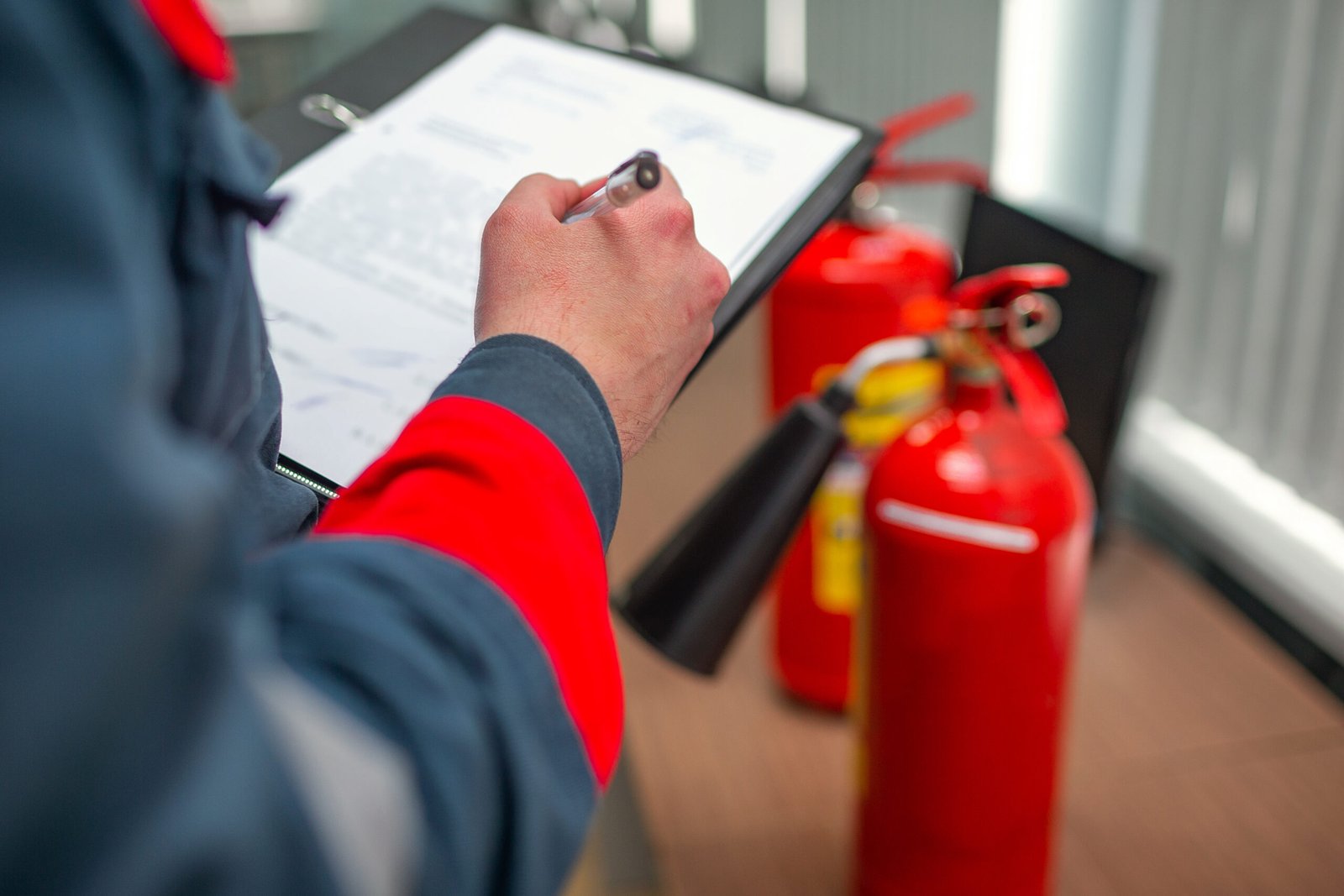
Fire safety is an important responsibility for every business, regardless of its size or industry. Offices, retail shops, restaurants, warehouses, factories, hotels, and other commercial premises all face potential fire hazards. Electrical faults, cooking equipment, heating devices, flammable materials, and poor housekeeping can create conditions that allow a fire to start or spread.
A fire can put employees, customers, contractors, and visitors at risk. It can also damage buildings, destroy stock, interrupt business operations, and create unexpected financial pressure. For smaller businesses, even a short closure can affect customer relationships and daily income.
The good news is that many fire risks can be reduced through better planning, regular maintenance, staff awareness, and responsible daily habits. Fire prevention does not always require complicated changes. It starts with understanding workplace hazards and taking sensible steps to manage them.
In Pakistan, businesses should consider the fire-safety requirements that apply to their premises, including relevant provisions of the Building Code of Pakistan – Fire Safety Provisions 2016. A suitable fire alarm system in Pakistan may also form an important part of a business’s wider fire protection arrangements.
This guide explains why fire prevention matters, how businesses can identify common hazards, and which practical measures can help create a safer workplace.
1. Understand Why Fire Prevention Matters
Fire prevention focuses on reducing the likelihood of a fire starting and limiting its possible consequences. It combines safe working practices, appropriate equipment, regular maintenance, employee awareness, and emergency planning.
For businesses, the benefits extend beyond protecting physical property.
Protecting employees and visitors
People are the most important part of any workplace. A fire can place employees, customers, delivery staff, contractors, and visitors in danger. Preventive measures help reduce exposure to hazards and support a safer environment.
Protecting business assets
Buildings, machinery, computers, stock, documents, and other equipment represent valuable business resources. A serious fire can damage or destroy these assets.
Reducing operational disruption
A fire incident may force a business to close temporarily or suspend important activities. Prevention and emergency planning can help reduce the likelihood of major disruption.
Supporting business continuity
Businesses depend on reliable premises, equipment, staff, and supply arrangements. Fire safety planning helps organisations prepare for unexpected events and protect essential operations.
Building customer confidence
Customers and business partners are more likely to trust organisations that take workplace safety seriously. Visible safety arrangements can demonstrate responsible management.
2. Identify Common Fire Hazards in the Workplace
The first step towards preventing workplace fires is recognising the hazards that may exist inside a building.
Different businesses have different risk profiles. An office may have electrical equipment and paper storage, while a restaurant may have cooking equipment and gas installations. A warehouse may contain large quantities of packaging and stored goods.
Common hazards include:
Electrical faults
Damaged wiring, overloaded circuits, defective appliances, and poorly maintained electrical installations can increase fire risks.
Businesses should arrange inspections and repairs through qualified electrical professionals. Employees should report damaged cables, unusual equipment behaviour, or other concerns instead of attempting unauthorised repairs.
Cooking equipment
Restaurants, hotels, cafeterias, and commercial kitchens use equipment that produces heat. Poor maintenance, unattended cooking activities, and unsuitable storage arrangements can create additional risks.
Kitchen equipment should be maintained according to manufacturer instructions, and employees should follow workplace safety procedures.
Flammable materials
Some businesses store paints, cleaning products, fuels, packaging, or other materials that require special handling.
These products should be stored in suitable designated locations according to their labels, safety data, and applicable requirements. Access should be controlled where necessary.
Heating equipment
Portable heaters and other heating appliances can become hazards when placed near combustible materials or used incorrectly.
Businesses should establish clear rules for approved equipment, safe placement, and maintenance.
Poor housekeeping
Accumulated cardboard, paper, packaging, waste, and other combustible materials can contribute to fire spread. They may also obstruct access to emergency equipment and escape routes.
Regular housekeeping should be part of daily workplace management.
3. Create a Workplace Fire Risk Assessment
A fire risk assessment helps a business understand its hazards and decide which precautions are appropriate.
It should consider the building, business activities, equipment, stored materials, and the people who use the premises.
A useful assessment generally examines:
- Potential sources of ignition.
- Combustible materials and their storage locations.
- Employees, customers, contractors, and visitors who may be at risk.
- Existing detection and warning arrangements.
- Available firefighting equipment.
- Emergency exits and evacuation routes.
- Staff training and emergency procedures.
- Inspection and maintenance arrangements.
The assessment should be recorded where appropriate, and identified problems should be assigned to responsible people for follow-up.
Businesses should review the assessment when they introduce new machinery, change their layout, increase storage, renovate the premises, or begin different activities.
A small shop and a large factory should not automatically use the same safety plan. Prevention measures must reflect the actual risks of each workplace.
4. Maintain Electrical Systems and Equipment
Electrical safety is an important part of fire prevention because businesses often depend on computers, machinery, lighting, air conditioning, and other electrical equipment.
Poor maintenance can create avoidable hazards.
Businesses should consider the following measures:
Arrange professional inspections: Qualified electricians should assess installations according to relevant requirements and the building’s needs.
Replace damaged equipment: Defective cables, plugs, switches, and appliances should be reported and handled through approved maintenance procedures.
Avoid electrical overloading: Electrical circuits and equipment should be used within their designed capacity.
Maintain equipment: Appliances and machinery should receive appropriate servicing according to manufacturer guidance.
Manage temporary installations: Temporary wiring used during repairs, events, or renovations should be professionally assessed and managed.
Employees should understand that electrical repairs are not general housekeeping tasks. Specialist work must be performed by authorised and competent personnel.
5. Keep Workplaces Clean and Organised
Good housekeeping is a simple but valuable fire prevention measure.
A clean workplace makes it easier to identify hazards, maintain access to safety equipment, and keep escape routes clear.
Businesses can improve housekeeping by:
- Removing unnecessary packaging and waste.
- Keeping storage areas organised.
- Avoiding the accumulation of combustible materials.
- Keeping electrical equipment and surrounding areas appropriately maintained.
- Preventing storage in corridors and stairways.
- Keeping emergency exits accessible.
- Assigning responsibility for routine inspections.
Warehouses and factories should pay particular attention to stock arrangements and waste management. Offices should regularly review paper storage, electrical equipment, and shared spaces.
Housekeeping should be treated as an ongoing responsibility rather than an occasional cleaning activity.
6. Store Flammable Materials Responsibly
Some workplaces need flammable or hazardous products for their normal operations. These materials may include certain cleaning agents, paints, solvents, fuels, and industrial chemicals.
Their storage and handling should follow product labels, safety data sheets, manufacturer instructions, and applicable regulations.
A business should:
- Identify materials that require special storage.
- Keep relevant safety information available.
- Use suitable designated storage arrangements.
- Restrict access where necessary.
- Separate materials when required by compatibility guidance.
- Keep storage areas organised and appropriately maintained.
- Ensure employees understand relevant workplace procedures.
Businesses should not assume that every product can be stored together or placed in an ordinary cupboard. A competent safety professional should assess specialised storage requirements.
7. Install Suitable Fire Detection and Alarm Systems
Early warning is an important part of workplace fire protection. Employees and visitors need a reliable way to become aware of a potential fire and begin following the emergency plan.
A fire detection and alarm arrangement may include:
- Smoke detectors.
- Heat detectors.
- Manual call points.
- A fire alarm control panel.
- Audible warning devices.
- Visual warning devices where appropriate.
- Standby power arrangements.
The correct design depends on the building’s size, layout, occupancy, activities, and applicable requirements.
A suitable fire alarm system in Pakistan can support early warning in commercial and industrial premises. However, installing an alarm does not complete a business’s fire safety responsibilities. The system must be properly selected, installed, tested, and maintained by competent professionals.
Employees should know what the alarm sounds or signals mean and understand the required evacuation arrangements. Scheduled testing should also be communicated so that staff and visitors are not confused.
8. Provide Appropriate Fire Protection Equipment
Fire protection equipment should be selected according to the hazards present in a building. Different equipment is designed for different purposes, so businesses should not assume that one type is suitable for every situation.
Depending on the premises, a professional assessment may identify the need for:
- Suitable fire extinguishers.
- Fire hydrants and hose systems.
- Sprinkler installations.
- Fire pumps.
- Smoke and heat detection equipment.
- Emergency lighting.
- Clearly visible safety signs.
Equipment should be accessible, correctly identified, and maintained according to applicable requirements and manufacturer instructions.
Employees should know how to report missing, damaged, or obstructed equipment. Any specialist inspection, repair, or servicing should be handled by competent personnel.
Fire protection equipment should never be used as a reason to delay evacuation. People should follow their training and workplace procedures, with personal safety taking priority.
9. Keep Emergency Exits and Escape Routes Clear
A safe escape route can make an important difference during a workplace emergency.
Employees and visitors should be able to identify how to leave the building without confusion. Businesses should make sure that emergency exits are suitable for the premises and remain accessible.
Important measures include:
Clear access: Boxes, furniture, stock, and equipment should not block exits or corridors.
Visible signs: Emergency exit signs should be easy to recognise and appropriately positioned.
Suitable lighting: Escape routes should have suitable lighting arrangements, including emergency lighting where required.
Accessible arrangements: Businesses should consider people who may need assistance, including individuals with mobility, sensory, or other accessibility needs.
Known assembly points: Employees should understand where to gather after leaving the premises.
Escape arrangements should be reviewed whenever the workplace layout changes.
10. Train Employees in Fire Prevention
Employees play an important role in maintaining workplace safety. They often notice hazards during everyday activities before management becomes aware of them.
Training helps staff recognise problems and understand how to respond appropriately.
A workplace fire safety programme can include:
- Recognising common fire hazards.
- Understanding reporting procedures.
- Knowing the meaning of alarm signals.
- Identifying emergency exits.
- Understanding evacuation responsibilities.
- Knowing where assembly points are located.
- Reporting damaged or missing safety equipment.
- Understanding arrangements for visitors and contractors.
Training should be suitable for employees’ responsibilities and communicated in language they understand.
New employees should receive relevant safety information before starting their duties. Refresher sessions can help reinforce awareness when equipment, procedures, or workplace conditions change.
The Fire Protection Association of Pakistan provides information about professional fire safety training, including workplace fire safety, fire alarm and detection systems, and evacuation drills.
11. Prepare a Written Fire Emergency Plan
Every business should have an emergency plan appropriate to its premises and activities.
The plan should explain how a fire is reported, how occupants are warned, and how people can leave the building safely.
A written plan may cover:
- The method for reporting a fire.
- Alarm and communication procedures.
- Primary and alternative evacuation routes.
- Designated assembly points.
- Responsibilities of assigned personnel.
- Arrangements for visitors and contractors.
- Assistance for people who may need additional support.
- Procedures for contacting emergency services.
- Methods for reviewing an incident or drill.
Employees should know where to find the plan and understand their responsibilities.
Businesses with several floors or separate departments may need additional coordination arrangements. The plan should be reviewed after changes to the building, workforce, or operations.
12. Conduct Regular Fire Drills and Safety Inspections
An emergency plan becomes more useful when employees understand how it works.
Planned evacuation drills can help businesses identify problems with alarm awareness, communication, exit access, and assembly arrangements.
After a drill, management can review:
- Whether employees recognised the alarm.
- Whether instructions were understood.
- Whether escape routes remained clear.
- Whether visitors and contractors were included.
- Whether assembly arrangements were suitable.
- Whether anyone required additional assistance.
Inspections are also important because workplace conditions can change quickly.
A routine safety review should consider electrical installations, storage areas, housekeeping, alarm arrangements, emergency equipment, and exit access.
Findings should be documented, assigned to responsible personnel, and followed up until the relevant concerns are addressed.
13. Understand Fire Safety Responsibilities in Pakistan
Businesses operating in Pakistan should consider the national building code, relevant provincial and local requirements, and directions from the authorities responsible for their premises.
The Building Code of Pakistan – Fire Safety Provisions 2016, published by the Pakistan Engineering Council, provides an important national reference for fire safety in buildings. Its provisions address topics including fire protection, detection and alarm arrangements, means of escape, and emergency planning.
In Punjab, the Civil Defence Department identifies inspection of fire safety measures in industrial, commercial, and high-rise premises among its responsibilities. Its published list of safety measures includes fire detection and alarm systems, firefighting arrangements, fire safety plans, emergency control rooms, and evacuation arrangements.
Requirements can vary according to building type, location, occupancy, and applicable authority. Businesses should therefore confirm the requirements relevant to their own premises rather than assuming that one checklist applies everywhere in Pakistan.
Professional advice can help organisations understand their obligations and identify suitable safety arrangements.
14. Adapt Fire Prevention to Different Business Types
Every industry has its own activities and hazards. Fire prevention measures should reflect how a business operates.
Offices
Offices should pay attention to electrical equipment, paper storage, kitchen facilities, server rooms, and shared escape routes. Staff should know how to report electrical concerns and follow evacuation procedures.
Restaurants and hotels
Restaurants and hotels need particular attention to cooking facilities, kitchen maintenance, gas-related safety, storage, and guest evacuation arrangements.
Staff should understand emergency communication procedures, while management should ensure that visitors can identify exits.
Factories
Factories may use machinery, electrical equipment, industrial materials, and specialised processes. A detailed risk assessment and coordinated maintenance programme are particularly important.
Warehouses
Warehouses should consider combustible stock, packaging, storage arrangements, equipment charging areas, and access routes. Changes in inventory may require a review of existing precautions.
Retail shops
Retail premises must consider customers who may be unfamiliar with the building. Exit signs, accessible routes, staff awareness, and clear communication are important parts of their safety arrangements.
15. Common Fire Prevention Mistakes Businesses Should Avoid
Even businesses with fire protection equipment can make mistakes that weaken their overall safety arrangements.
Ignoring minor faults: A damaged cable, faulty alarm indication, or missing safety sign should be reported and assessed rather than ignored.
Blocking emergency exits: Using corridors and stairways for temporary storage can make evacuation more difficult.
Skipping maintenance: Equipment that is not inspected or serviced appropriately may not remain reliable.
Providing insufficient training: Employees need to understand the procedures that apply to their workplace.
Using unsuitable equipment: Fire protection equipment should match the risks identified in the premises.
Failing to update the emergency plan: Changes in layout, staffing, or business activities may make an old plan unsuitable.
Relying only on equipment: Alarms and extinguishers cannot replace prevention, training, maintenance, and evacuation planning.
Avoiding these mistakes helps create a more consistent workplace safety culture.
16. A Practical Fire Prevention Checklist for Businesses
Business owners and facility managers can use this checklist as a starting point:
- [ ] A workplace fire risk assessment has been completed.
- [ ] Electrical installations and equipment receive appropriate maintenance.
- [ ] Combustible materials are stored responsibly.
- [ ] Waste is removed regularly.
- [ ] Emergency exits and escape routes remain clear.
- [ ] Suitable fire detection and alarm arrangements are installed where required.
- [ ] Fire protection equipment is accessible and maintained.
- [ ] Employees receive relevant fire safety information.
- [ ] Visitors and contractors are informed about emergency arrangements.
- [ ] An emergency plan is available and understood.
- [ ] Evacuation drills are conducted where appropriate.
- [ ] Inspection findings are recorded and followed up.
- [ ] Safety arrangements are reviewed when workplace conditions change.
The checklist should be adapted to the business’s actual hazards and should not replace a professional risk assessment or legal compliance review.
Conclusion
Every business needs fire prevention measures because workplace fires can threaten lives, damage property, interrupt operations, and create serious financial difficulties. The risks may differ between offices, restaurants, factories, warehouses, and retail premises, but the need for responsible safety management remains the same.
An effective programme starts with identifying hazards and maintaining a safe workplace. It also includes suitable detection and alarm arrangements, accessible escape routes, appropriate equipment, employee training, regular inspections, and a clear emergency plan.
In Pakistan, businesses should consider the Building Code of Pakistan – Fire Safety Provisions 2016 and confirm applicable requirements with the relevant local authorities. Professional assessment can help organisations select suitable protection systems and maintain them correctly.
Fire prevention is not a one-time activity. It is an ongoing responsibility that supports employees, customers, visitors, and the long-term stability of a business.
Frequently Asked Questions (FAQs)
1. Why does every business need fire prevention tips?
Every business has potential fire hazards. Prevention measures help protect employees and visitors, reduce property damage, support business continuity, and improve emergency preparedness.
2. What are the most common causes of workplace fires?
Common risk factors include electrical faults, poorly maintained equipment, cooking activities, unsafe storage of combustible materials, heating equipment, and poor housekeeping. The exact hazards depend on the business and its operations.
3. How can a business improve its fire safety?
A business can improve fire safety through regular risk assessments, professional equipment maintenance, suitable alarms, clear escape routes, employee training, housekeeping, and a written emergency plan.
4. Is a fire alarm system important for businesses in Pakistan?
A suitable fire alarm system can provide early warning to building occupants when a fire-related condition is detected. The system should be selected, installed, tested, and maintained according to the building’s needs and applicable requirements.
5. How often should businesses review their fire prevention arrangements?
Businesses should review their arrangements regularly and whenever significant changes occur, such as renovations, new equipment, changes in storage, or different work activities. The review frequency should also reflect applicable requirements and professional advice.