
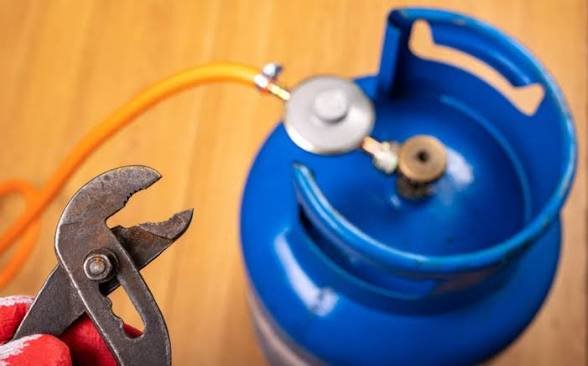
Gas cylinders are used in many Pakistani homes, restaurants, shops, and other facilities, particularly where liquefied petroleum gas (LPG) is used for cooking or heating. They can provide a practical fuel source, but safe use depends on the cylinder’s condition, the quality of its fittings, the supplier’s practices, and the way the equipment is handled and stored.
When people search for where to buy gas cylinder safety in Pakistan, they may be looking for a reliable LPG supplier, a safe cylinder, approved accessories, or professional inspection services. Understanding the difference is important because purchasing a cylinder from an unauthorised source or using damaged equipment can create serious risks.
The safest approach is to obtain LPG cylinders through an authorised distributor associated with a licensed LPG marketing company and to ensure that the cylinder and its fittings meet the relevant safety requirements. Pakistan’s Oil and Gas Regulatory Authority (OGRA) oversees important aspects of the LPG sector, including safety standards and authorised market participants. <Cite refs={[“turn177876search19″,”turn177876search21”]} />
This guide explains what to look for when choosing a supplier, how to recognise potential hazards, and how gas cylinder safety fits into a broader fire prevention plan.
1. Understand What Gas Cylinder Safety Means
Gas cylinder safety is not a single product. It involves several connected measures intended to reduce the likelihood of leaks, fires, and other accidents.
These measures include:
- Using a cylinder manufactured and supplied through authorised channels.
- Ensuring that the cylinder is suitable for its intended use.
- Checking that the valve, regulator, hose, and connections are appropriate and undamaged.
- Keeping cylinders in a suitable, well-ventilated location.
- Preventing exposure to flames, excessive heat, and physical damage.
- Arranging inspection or replacement when a cylinder or fitting is defective.
- Understanding how to respond to a suspected gas leak.
A reliable supplier is an important part of this process, but safe equipment also requires responsible handling and maintenance.
It is useful to distinguish between buying an LPG cylinder, buying approved accessories, and arranging professional inspection. A supplier may provide the cylinder and fuel, while a qualified technician may be needed to assess connections or correct installation problems.
2. Where Should You Look for Gas Cylinders in Pakistan?
For household LPG, begin with an authorised distributor linked to a licensed LPG marketing company. Avoid choosing a supplier based only on price or convenience.
OGRA publishes information about LPG regulations, authorised market participants, and safety requirements. Consumers can use the regulator’s official website to understand the rules and verify relevant information. <Cite refs={[“turn177876search2″,”turn177876search1”]} />
Authorised LPG distributors
A legitimate distributor should be able to identify the LPG marketing company it represents. OGRA’s requirements for authorised distributor premises include displaying information about the distributor and the relevant marketing company.
Ask the seller to explain where the cylinder came from and whether it was filled through an authorised supply chain.
Established fuel suppliers
Choose a supplier that provides clear information about its business, cylinder handling, delivery arrangements, and complaint process. If a seller cannot explain the origin of a cylinder or appears to be operating outside normal safety procedures, consider another authorised source.
Professional inspection and servicing providers
If a cylinder, regulator, valve, hose, or connection appears damaged, do not rely on a general retailer to determine whether it is safe. Contact the authorised supplier or a qualified professional who is competent to assess the equipment.
Important: Do not purchase LPG from informal filling operations or accept gas transferred directly from one cylinder to another at a shop. OGRA identifies unauthorised decanting as a safety concern, and cylinder-to-cylinder transfer is not an appropriate household filling method. <Cite refs={[“turn177876search21″,”turn177876search22”]} />
3. How to Evaluate a Gas Cylinder Supplier
Before accepting a cylinder, consider the supplier’s authorisation, the condition of the equipment, and the information provided with the sale.
Check the supplier’s identity
Look for the distributor’s displayed business information and its relationship with the LPG marketing company. If the information is unclear, contact the marketing company or consult OGRA’s official resources.
Ask about cylinder approval and testing
A supplier should be able to explain the cylinder’s source and applicable inspection or testing arrangements. Pakistan’s LPG policy provides for authorised manufacturers and cylinder testing and revalidation requirements. <Cite refs={[“turn177876search19”]} />
Do not rely on handwritten promises or an informal claim that a cylinder is safe. Where documentation is applicable, ask the supplier to explain it.
Examine the cylinder’s visible condition
Without attempting to dismantle or test the equipment, look for obvious signs of damage such as severe corrosion, dents, visible cracks, or a damaged valve assembly. Also look for missing or unreadable identification markings.
If you notice a concern, do not use the cylinder. Ask the authorised supplier or a qualified professional to assess it safely.
Request clear transaction details
A reputable supplier should be able to explain the product supplied, the amount charged, and the process for reporting a defective cylinder. Keep the receipt or other purchase record where available.
Be cautious about unusually cheap offers
A low price alone does not prove that a cylinder is unsafe, but a seller who cannot explain the source of the cylinder or the filling process presents a reason for concern. Safety and authorisation should take priority over a small saving.
4. Why Authorised Cylinders and Proper Filling Matter
LPG is highly flammable. A leak can allow gas to accumulate in an enclosed area, where it may ignite if an ignition source is present. A cylinder or valve that does not meet the relevant requirements can add to the risk.
Pakistan’s LPG policy places emphasis on safety throughout the supply chain, including manufacturing, storage, bottling, transportation, and distribution. It also describes the role of OGRA in maintaining consistent safety standards and monitoring authorised equipment manufacturers. <Cite refs={[“turn177876search19”]} />
Buying through authorised channels helps provide greater confidence that the equipment has entered the supply chain under the applicable controls.
Never attempt to fill a cylinder yourself, transfer LPG between cylinders, or modify a valve or pressure regulator. These activities require appropriate equipment, authorisation, and technical competence.
If a supplier offers to refill a household cylinder through an improvised hose, pump, or cylinder-to-cylinder transfer, do not accept the service.
5. Understand the Role of Regulators, Hoses, and Connections
A cylinder is only one part of an LPG installation. The regulator, hose, fittings, and appliance connection must also be suitable for the equipment and kept in good condition.
A damaged or incompatible connection may allow gas to escape even when the cylinder itself is in acceptable condition.
Important considerations include:
- Use accessories suitable for the cylinder and appliance.
- Have installation and repair work carried out by a qualified professional.
- Do not modify valves or connections.
- Replace damaged or unsuitable parts through an appropriate supplier or technician.
- Follow the manufacturer’s instructions for the cylinder, regulator, hose, and appliance.
Do not try to repair a suspected leak with improvised materials or by tightening unfamiliar components. If you suspect a problem, stop using the equipment, move away from the danger, and seek qualified assistance.
6. Safe Placement and Storage of Gas Cylinders
The location of an LPG cylinder matters. Poor ventilation or proximity to an ignition source can make a leak more dangerous.
Cylinders should be placed and stored according to the manufacturer’s instructions, applicable requirements, and professional guidance. The location should be suitable for LPG and should not expose the cylinder to unnecessary heat, impact, or damage.
Avoid keeping cylinders in enclosed or poorly ventilated spaces. Do not place them near open flames, hot surfaces, or electrical equipment that could provide an ignition source.
Additional precautions include:
- Keep cylinders secure and protected from accidental impact.
- Prevent children from playing with cylinders, valves, or connections.
- Keep combustible materials away from cooking equipment.
- Do not obstruct exits with fuel containers.
- Do not store cylinders in unsuitable underground or enclosed areas.
- Follow the supplier’s instructions for transport and storage.
The exact storage arrangements depend on the setting. Commercial premises, restaurants, and larger installations may be subject to additional requirements and should be assessed by competent professionals.
7. What Should You Do if You Suspect a Gas Leak?
A suspected LPG leak should always be treated seriously. Do not wait for a visible flame before taking action.
If you smell gas or otherwise suspect a leak:
- Move away from the suspected leak and warn others nearby.
- Avoid flames and do not operate electrical switches or equipment in the affected area. A spark may ignite accumulated gas.
- Leave the area and move to a safe location.
- Contact the appropriate emergency service or qualified gas professional from a safe location.
- Do not return or resume use until the area and equipment have been declared safe by competent personnel.
Do not attempt to locate a leak using a flame, dismantle the regulator, or repair the cylinder yourself.
If a leak is suspected inside a building, prioritise getting people away from the danger. Follow emergency instructions rather than delaying evacuation to collect belongings or investigate the source.
8. Fire Protection Equipment and Gas Safety
Safe cylinder handling is the first priority, but suitable fire protection arrangements are also important in homes and workplaces where LPG is used.
Depending on the premises, fire protection may include appropriate extinguishers, smoke alarms, gas detection equipment where suitable, and an emergency plan.
Different devices have different purposes. A smoke alarm detects smoke, while a suitable gas detector is designed to detect a particular gas or range of gases. Neither should be assumed to replace safe installation, leak prevention, or appropriate ventilation.
A professionally designed fire alarm system in Pakistan can help warn occupants about a fire, depending on the building’s layout, equipment, and applicable requirements. However, a conventional fire alarm does not necessarily detect an LPG leak. Where gas detection is needed, the equipment must be specifically suitable for that purpose and installed according to professional guidance.
Fire extinguishers should be selected for the hazards present and maintained according to their instructions. If gas is leaking or a fire involves a cylinder, do not approach it or attempt to extinguish the fire yourself. Evacuate and contact emergency responders.
9. Gas Cylinder Safety for Homes, Shops, and Restaurants
Different settings have different requirements, but the same principle applies: use appropriate equipment, obtain fuel through authorised channels, and keep people away from hazards.
Homes
Households should use suitable cylinders and appliances, keep the installation in good condition, and ensure that family members know what to do if they suspect a leak.
Shops and small businesses
Business owners should confirm that the supplier and equipment are appropriate for the intended use. Cylinders should not obstruct exits, customer areas, or access for emergency responders.
Restaurants and commercial kitchens
Commercial kitchens may use LPG equipment more intensively than homes. Owners should arrange suitable professional installation and inspection, provide relevant staff training, and maintain clear emergency procedures.
Warehouses and industrial premises
Larger installations may require additional controls for storage, ventilation, separation, access, and fire protection. They should be planned and operated according to the applicable rules and assessed by qualified specialists.
OGRA’s published requirements for authorised LPG distributor premises address issues including ventilation, ignition sources, fire extinguishers, and restrictions on cylinder-to-cylinder filling. These requirements illustrate why a supplier’s premises and procedures matter as well as the cylinder itself. <Cite refs={[“turn177876search21”]} />
10. Common Mistakes to Avoid When Buying or Using Gas Cylinders
Several mistakes can undermine otherwise sensible precautions.
Choosing a supplier without checking authorisation: An informal seller may not follow the same safety controls as an authorised distributor.
Ignoring visible damage: A damaged cylinder or valve should not be used until it has been assessed by a competent professional.
Accepting informal refilling: Cylinder-to-cylinder transfer and unauthorised decanting can create serious hazards.
Using incompatible accessories: A regulator or hose that is unsuitable for the equipment may compromise the installation.
Storing cylinders in unsuitable spaces: Poor ventilation and nearby ignition sources can increase the consequences of a leak.
Attempting DIY repairs: Unqualified modifications can make the equipment less safe.
Relying only on alarms or extinguishers: Detection and firefighting equipment cannot compensate for unsafe fuel handling or defective equipment.
Avoiding these mistakes helps reduce unnecessary risks and supports a safer LPG supply chain.
11. A Practical Gas Cylinder Safety Checklist
Before accepting a cylinder or using an existing installation, consider the following checklist:
- [ ] The supplier’s identity and authorisation can be verified.
- [ ] The cylinder’s origin and applicable testing arrangements are clear.
- [ ] There is no obvious damage or serious corrosion.
- [ ] Identification markings are present and legible.
- [ ] The valve and visible fittings appear undamaged.
- [ ] The regulator and hose are suitable for the installation.
- [ ] No informal cylinder-to-cylinder filling has taken place.
- [ ] The cylinder is kept in an appropriate location.
- [ ] Ignition sources are kept away from the storage area.
- [ ] Household members know how to respond to a suspected leak.
- [ ] Defective equipment is taken out of use and assessed professionally.
This checklist is a general guide, not a technical inspection or guarantee of safety. Follow the applicable requirements and seek professional advice when needed.
12. Where to Find Reliable Safety Information in Pakistan
When you need to confirm whether a supplier, cylinder, or installation meets applicable requirements, consult official sources rather than relying only on social media posts or informal advice.
The Oil and Gas Regulatory Authority publishes LPG rules, standards, public notices, and information about authorised distributors and equipment requirements. Its resources can help consumers understand the regulatory framework and identify questions to ask a supplier. <Cite refs={[“turn177876search2″,”turn177876search1”]} />
For technical concerns, contact the authorised LPG supplier or a qualified professional. For a suspected leak or immediate danger, move away from the affected area and contact the appropriate emergency service.
Do not assume that a cylinder is safe merely because it fits an appliance or because someone has used it previously without an incident. Safety depends on the condition and suitability of the entire installation.
Conclusion
Finding a safe gas cylinder in Pakistan means more than locating a nearby seller. Consumers should prioritise authorised suppliers, appropriate equipment, clear product information, safe storage, and professional assistance when a cylinder or connection is damaged.
OGRA’s published requirements and LPG policy provide useful guidance on authorised supply chains, equipment standards, and safe distribution practices. Consumers can use official resources to understand these requirements and ask informed questions before accepting a cylinder.
Safe use also depends on what happens after purchase. Keep cylinders in suitable locations, avoid unauthorised refilling and repairs, recognise the signs of a possible leak, and know how to leave the area safely.
Gas cylinder safety is a shared responsibility between manufacturers, distributors, professionals, businesses, and consumers. Choosing an authorised supplier and following proper safety procedures can help reduce preventable risks for homes and workplaces throughout Pakistan.
Frequently Asked Questions (FAQs)
1. Where should I buy an LPG gas cylinder in Pakistan?
Start with an authorised distributor associated with a licensed LPG marketing company. Check the supplier’s identity and consult OGRA’s official resources for relevant regulatory information. Avoid informal filling operations and sellers who cannot explain the cylinder’s source.
2. How can I tell whether a gas cylinder may be unsafe?
Visible damage, severe corrosion, a damaged valve, or missing identification markings are reasons to stop using the cylinder and seek professional assessment. A visual check cannot guarantee safety, so applicable testing and inspection requirements also matter.
3. Is it safe to refill one gas cylinder from another?
No. Do not accept informal cylinder-to-cylinder gas transfer. It can create serious risks, and OGRA identifies unauthorised decanting as a safety concern. Use the authorised LPG supply chain.
4. What should I do if I smell gas near a cylinder?
Move away, warn others, avoid flames and electrical switches in the affected area, and contact the appropriate emergency service or qualified gas professional from a safe location. Do not try to locate or repair the leak yourself.
5. Does a fire alarm system detect gas leaks?
Not necessarily. A conventional fire alarm system is designed to provide fire warnings, while gas detection equipment must be specifically suitable for the gas involved. Consult a qualified professional to determine whether separate gas detection is appropriate for your premises.