
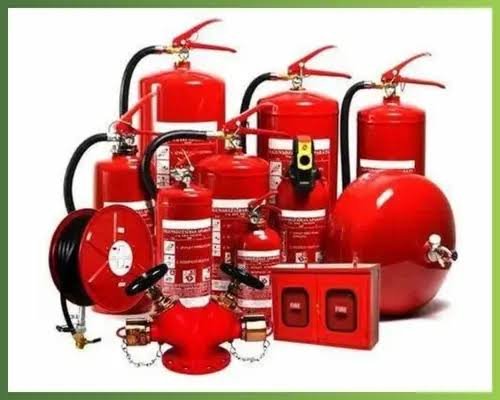
Fire safety is essential for protecting homes, offices, shops, factories, warehouses, restaurants, schools, and other buildings. Fires can start unexpectedly because of electrical faults, cooking accidents, gas leaks, flammable liquids, or combustible materials. Having suitable fire protection equipment can help people respond to a small fire before it spreads.
However, buying a fire extinguisher is not simply about choosing a cylinder based on its price, size, or appearance. Different extinguishers are designed for different types of fires. Using the wrong extinguisher can make a dangerous situation worse, especially when electricity, cooking oil, flammable liquids, or reactive metals are involved.
In Pakistan, property owners and business managers should understand the different types of fire extinguishers, their intended applications, and the important features to check before purchasing one. The right choice depends on the hazards present, the building’s layout, the people expected to use the equipment, and applicable fire safety requirements.
A fire alarm system in Pakistan is also an important part of a comprehensive fire protection plan. While extinguishers are used to tackle certain small fires, alarm systems help alert occupants so they can evacuate promptly and emergency services can be contacted.
This guide explains what to check before buying fire extinguishers, how common types differ, and how to make an informed decision for your property.
1. Understand the Different Classes of Fire
Before selecting an extinguisher, identify the materials and hazards that could catch fire in the area. Fire classifications help match the extinguishing agent to the type of fuel involved.
Class A: Ordinary Combustible Materials
Class A fires involve ordinary combustible materials such as:
- Wood and wooden furniture
- Paper and cardboard
- Cloth and textiles
- Some plastics and rubber products
These materials are commonly found in homes, offices, schools, shops, and warehouses.
Water and certain multipurpose dry chemical extinguishers may be suitable for Class A fires, depending on their labels and ratings.
Class B: Flammable Liquids
Class B fires involve flammable liquids or similar combustible substances, including:
- Petrol and other fuels
- Paints and solvents
- Certain industrial liquids
These hazards may be present in workshops, garages, fuel-handling areas, factories, and storage facilities.
Foam, carbon dioxide, and suitable dry chemical extinguishers may be used for specific Class B hazards. The exact product rating and application must be checked.
Class C: Flammable Gases
In some fire classification systems, Class C refers to fires involving flammable gases, such as propane, butane, and methane.
Gas-related fires require particular care. If it is safe to do so, the gas supply should be isolated, but only by someone who can do so without approaching the fire or creating additional danger. Extinguishing flames while gas continues to escape can allow unburned gas to accumulate and create an explosion hazard.
Follow the site’s emergency procedure and evacuate when necessary.
Electrical Fire Hazards
Electrical equipment includes wiring, distribution boards, computers, generators, and machinery.
Fire classification systems differ between countries and standards. Some use Class C for energized electrical equipment, while others use Class C for flammable gases and treat electrical involvement separately.
Do not rely on the letter alone. Read the extinguisher’s label to confirm whether it is suitable for energized electrical equipment.
Class D: Combustible Metals
Class D fires involve certain combustible metals, such as magnesium, sodium, or lithium in specific forms and conditions.
These fires require extinguishing agents specifically designed for the metal involved. Ordinary water or general-purpose extinguishers may be unsuitable.
Cooking Oil and Fat Fires
Commercial kitchens may experience fires involving heated cooking oils and fats. These hazards require an extinguisher specifically rated for cooking appliances, often a wet chemical type.
A standard water extinguisher must not be used on burning cooking oil or fat.
2. Compare the Main Types of Fire Extinguishers
Understanding the common extinguisher types helps buyers compare their applications and limitations.
Water Fire Extinguishers
Water extinguishers are primarily intended for ordinary combustible materials, such as paper, wood, and textiles.
Common applications:
- Suitable Class A hazards in appropriate settings
- Some storage areas containing ordinary combustible materials
- Certain offices or buildings where the risk assessment supports their use
Important limitations:
- Do not use on energized electrical equipment.
- Do not use on burning cooking oil or grease.
- Do not use on flammable-liquid fires unless the equipment is specifically designed and rated for that application.
Before buying, confirm the extinguisher’s fire classification and instructions.
Foam Fire Extinguishers
Foam extinguishers are commonly used for certain Class A and Class B hazards. The foam can help cover the fuel surface and reduce the release of flammable vapours.
Common applications:
- Workshops
- Garages
- Certain industrial locations
- Areas with suitable flammable-liquid hazards
Important limitations:
- Check whether the specific model is suitable for electrical risks before use.
- Do not assume all foam extinguishers are appropriate for every fuel or chemical.
- Follow the product’s instructions regarding the fire type and safe operating distance.
ABC Dry Chemical Powder Extinguishers
ABC dry chemical powder extinguishers are designed to cover several common fire classes, typically Class A, B, and C under the relevant rating system.
They are often considered for mixed-risk environments because they can address a range of ordinary combustible, flammable-liquid, and flammable-gas hazards when correctly rated.
Common applications:
- Homes and small businesses
- Offices and shops
- Some vehicles
- Certain warehouses and industrial spaces
Important limitations:
- Powder can reduce visibility and create breathing or cleanup concerns.
- Residue may affect electronics and machinery.
- They are not a substitute for extinguishers designed for specialized hazards, such as combustible metals or commercial cooking oils.
Check the label carefully to confirm the exact classes covered.
BC Dry Chemical Powder Extinguishers
BC powder extinguishers are intended for particular flammable-liquid and flammable-gas hazards under the applicable classification system.
They may be relevant in some industrial or fuel-related environments.
However, buyers should not assume that a BC extinguisher can handle ordinary combustible materials such as wood, paper, or textiles. If those hazards are present, the risk assessment may call for additional or different equipment.
Carbon Dioxide (CO₂) Fire Extinguishers
Carbon dioxide extinguishers discharge CO₂, which helps suppress a fire by reducing the oxygen available around it.
They are commonly considered for certain electrical equipment and flammable-liquid risks where avoiding powder residue is important.
Common applications:
- Electrical equipment areas
- Some offices and laboratories
- Certain machinery and control-panel locations
Important limitations:
- They may be less effective on ordinary solid materials that can continue smouldering.
- The discharge can create cold-contact injury risks.
- Use in confined or poorly ventilated spaces requires particular caution because CO₂ can displace breathable air.
Always verify the exact extinguisher rating and suitability for the location.
Wet Chemical Fire Extinguishers
Wet chemical extinguishers are designed for certain cooking-oil and fat fires, particularly those involving commercial cooking equipment.
They are commonly considered for:
- Restaurant kitchens
- Hotel kitchens
- Catering facilities
- Cafeterias and commercial food preparation areas
The extinguishing agent helps suppress the fire and can form a layer over the burning cooking medium.
Check that the extinguisher is specifically labelled for the cooking hazard present.
Specialised Class D Extinguishers
Class D extinguishers use agents intended for particular combustible-metal fires.
They are relevant in facilities that handle combustible metals or conduct processes where such hazards are identified.
Because different metals can react differently, the extinguishing agent must match the specific material. A general-purpose extinguisher should not be assumed suitable.
3. Identify the Fire Risks in Your Building
Before purchasing equipment, conduct a basic fire hazard review. For larger or higher-risk properties, obtain a professional fire risk assessment.
Homes and Apartments
Potential hazards include cooking equipment, electrical appliances, heating devices, gas appliances, furniture, and stored household materials.
Choose equipment based on the actual hazards, household layout, and the ability of occupants to operate it safely.
Offices and Commercial Buildings
Offices may contain paper, furniture, electrical equipment, server rooms, kitchens, and storage areas.
A single extinguisher type may not be appropriate for every room. Areas with sensitive electronics or different fire risks may need separate equipment.
Factories and Warehouses
Industrial facilities can contain combustible stock, machinery, chemicals, fuel, electrical equipment, and processes that generate heat.
The selection should consider the materials handled, how they are stored, the size of the area, and the hazards associated with production.
Restaurants and Commercial Kitchens
Cooking equipment, oils, gas appliances, electrical systems, and combustible packaging can create different fire hazards.
A kitchen may require specialized cooking-oil protection as well as other extinguishers for separate risks.
4. Check the Extinguisher’s Fire Rating
A fire extinguisher’s label provides essential information about the types of fires it is designed to handle.
Before buying, check:
- The fire classes listed on the label
- Any numerical fire rating
- The extinguishing agent
- The manufacturer’s instructions
- The approved or certified standard, where applicable
Numerical ratings can indicate relative extinguishing performance for certain fire classes. They should not be treated as a guarantee that the extinguisher can safely control any fire of a particular size.
Compare products according to the same applicable standard rather than relying on cylinder appearance or marketing claims.
5. Choose the Appropriate Capacity and Weight
Fire extinguishers are available in different capacities and weights. A larger unit may contain more extinguishing agent, but it may also be harder for some people to lift, carry, and operate.
Consider:
- Who may need to use the extinguisher
- Whether the unit can be reached quickly
- The size and nature of the hazard
- The expected discharge duration and range
- Whether a portable or wheeled unit is appropriate
For a large or high-hazard facility, do not decide the number and size of extinguishers based only on a general online guide. A site-specific assessment is important.
6. Examine the Cylinder and Components
Inspect the extinguisher before purchase. It should appear properly manufactured, intact, and suitable for its intended environment.
Cylinder Condition
Look for dents, corrosion, damaged seams, or other visible defects. Avoid purchasing equipment with unexplained damage.
Pressure Gauge
For models equipped with a gauge, check whether the indicator is within the manufacturer’s specified operating range. A gauge reading alone does not establish that every part of the extinguisher is functional.
Safety Pin and Seal
Check that the safety pin is present and the tamper seal is intact, unless the unit is being inspected under an authorized procedure.
Hose and Nozzle
Look for cracks, blockages, damage, or loose fittings. The discharge components should match the manufacturer’s design.
Operating Instructions
The label should provide clear instructions and identify the fire classes for which the extinguisher is intended.
If information is missing, illegible, or inconsistent, ask the supplier for clarification before buying.
7. Verify the Manufacturer and Supplier
Purchasing from a supplier that can provide reliable product information and after-sales support can make maintenance easier.
Ask the seller for:
- Manufacturer and model details
- Product documentation
- Applicable testing or certification information
- Manufacturing or service information, where relevant
- Warranty terms
- Refilling and maintenance arrangements
- Availability of compatible replacement parts
Do not rely only on verbal assurances such as “works on every fire” or “no maintenance required.”
A reliable supplier should be able to explain the extinguisher’s intended use and limitations.
8. Check the Manufacturing Date and Service Requirements
Fire extinguishers require inspection and maintenance. The precise requirements depend on the extinguisher type, manufacturer, applicable standards, and local requirements.
Before purchasing, find out:
- When the extinguisher was manufactured
- Whether it has been previously used or refilled
- What inspections are required
- How often professional servicing is needed
- Whether the cylinder has any required testing or service history
- Which service provider can maintain the model
Avoid buying used or refilled equipment without appropriate documentation and confirmation that it is safe and serviceable.
9. Consider the Installation Location
Buying the correct extinguisher is only one part of fire preparedness. It must also be installed where people can find and access it.
Consider:
- Visibility and clear signage
- Accessibility during normal operations
- Safe distance from likely fire hazards
- Protection from damage and unsuitable environmental conditions
- Mounting arrangements recommended by the manufacturer
- Whether the unit could become blocked by stock, furniture, or equipment
Do not place an extinguisher where a person would have to move toward a fire to reach it.
The number, placement, and type of extinguishers should be determined according to the building’s hazards and applicable fire safety requirements.
10. Understand the Difference Between Fire Alarms and Extinguishers
Fire extinguishers and fire alarm systems perform different roles.
A fire extinguisher is intended to help control certain small fires when conditions allow safe use. A fire alarm system detects or receives signals of a fire condition and alerts occupants so they can respond.
A complete fire protection plan may include:
- Suitable portable extinguishers
- Smoke or heat detection where appropriate
- Audible and visual alarm notification
- Clear evacuation routes
- Emergency lighting and exit signage
- Staff or household fire safety training
- Regular inspections and maintenance
For property owners researching a fire alarm system in Pakistan, the important point is that alarms and extinguishers should be planned together, not treated as interchangeable equipment.
An alarm does not put out a fire, and an extinguisher does not alert everyone throughout a building.
11. Compare Total Cost, Not Just Purchase Price
The lowest purchase price may not represent the full cost of owning a fire extinguisher.
Consider the total cost over its service life, including:
- Initial purchase
- Installation and mounting
- Inspection and maintenance
- Refilling after discharge
- Required testing
- Replacement parts
- Eventual replacement of the unit
Ask suppliers for a clear quotation that explains what is included and what will cost extra.
When comparing prices in Pakistan, make sure you are comparing similar extinguisher types, capacities, ratings, and service arrangements. A lower-priced unit with an unsuitable rating is not an equivalent purchase.
12. Ask About Training and Safe Use
An extinguisher is only useful if someone can identify the correct type and operate it safely.
Before purchasing, ask whether the supplier can provide operating instructions or training. Employers should arrange suitable fire safety instruction for workers based on the hazards and emergency procedures at their premises.
In general, extinguisher use should only be considered when:
- The fire is small and contained.
- The correct extinguisher is available.
- The person has been trained or understands its safe operation.
- An alarm has been raised and emergency services contacted as appropriate.
- A safe exit remains available behind the person.
If the fire grows, smoke becomes heavy, the extinguisher is ineffective, or there is any doubt about safety, leave immediately and follow the evacuation procedure.
Property protection should never take priority over human life.
13. Common Mistakes to Avoid When Buying Fire Extinguishers
Buyers can reduce avoidable problems by avoiding these mistakes:
- Choosing by price alone: A cheap extinguisher may not suit the hazard.
- Assuming one type works on every fire: Different agents have different applications.
- Ignoring electrical risks: Check the exact electrical-use rating and instructions.
- Buying the wrong capacity: The unit must be manageable for its intended users and appropriate for the hazard.
- Overlooking service support: Maintenance and refilling arrangements matter.
- Ignoring the label: The label identifies important limitations and operating instructions.
- Placing equipment out of reach: An inaccessible extinguisher may be ineffective in an emergency.
- Treating extinguishers as a complete fire plan: Detection, warning, evacuation, and training are also important.
14. A Practical Buying Checklist
Use this checklist when comparing fire extinguishers for your home or business.
- Identify the likely fire hazards in each area.
- Confirm the extinguisher’s fire classes and rating.
- Check the agent and any use limitations.
- Choose a manageable capacity for intended users.
- Inspect the cylinder, gauge, pin, seal, hose, and nozzle.
- Verify manufacturer and supplier documentation.
- Check manufacturing date and service requirements.
- Confirm local maintenance and refilling support.
- Plan accessible installation locations and signage.
- Arrange suitable training and emergency procedures.
Conclusion
Choosing the right fire extinguisher requires more than comparing brands, cylinder sizes, or prices. Buyers should first identify the fire hazards in their property, understand the different extinguisher types, check product ratings, and confirm that the equipment can be safely operated and properly maintained.
Water, foam, dry chemical powder, carbon dioxide, wet chemical, and specialized metal-fire extinguishers each have specific applications and limitations. The correct selection depends on the materials present, the environment, and applicable fire safety requirements.
In Pakistan, homes and businesses should also consider how portable extinguishers fit into a broader fire protection plan. A suitable fire alarm system in Pakistan, clear evacuation routes, accessible equipment, staff training, and regular maintenance all contribute to preparedness.
The most important step is to select equipment that matches the actual hazards and to ensure people know when it is safe to use it—and when they must evacuate instead.
For more information about fire protection products and systems, visit Flame Defender.
Frequently Asked Questions (FAQs)
1. What should I check before buying a fire extinguisher?
Check the fire classes and rating, extinguishing agent, capacity, cylinder condition, manufacturer information, service requirements, and suitability for the location where it will be installed.
2. Which types of fire extinguishers are commonly available in Pakistan?
Common types include water, foam, ABC and BC dry chemical powder, carbon dioxide (CO₂), wet chemical, and specialized extinguishers for combustible-metal fires. Availability and suitability vary by supplier and application.
3. Can one fire extinguisher be used for every type of fire?
No. Extinguishers are designed for particular fire hazards. Always check the label and choose equipment appropriate for the materials and risks present.
4. How often should a fire extinguisher be serviced?
The inspection and maintenance schedule depends on the extinguisher type, manufacturer instructions, applicable standards, and local requirements. Follow the service schedule and use a qualified provider when professional maintenance is required.
5. Is a fire extinguisher enough to protect a building?
No. Extinguishers are only one part of fire protection. Buildings may also need suitable detection and alarm systems, clear evacuation routes, emergency lighting, training, and regular maintenance, based on their hazards and applicable requirements.