
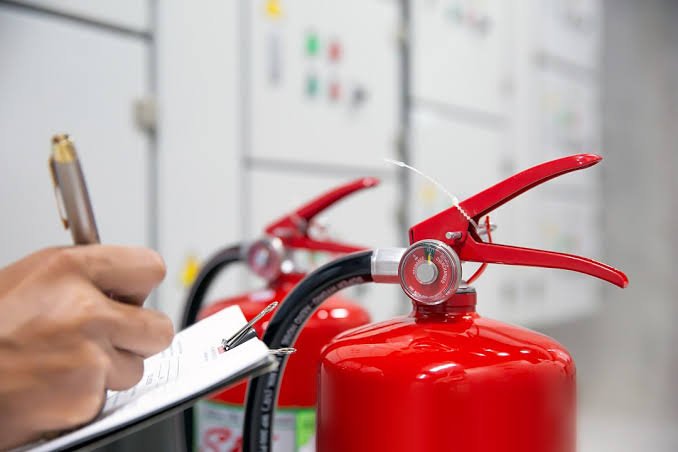
Fire safety is an important part of running any small business. Whether you operate a retail shop, office, restaurant, workshop, warehouse, school, clinic, or small factory, a fire can quickly put people, property, equipment, documents, and business operations at risk.
For many small businesses in Pakistan, buying fire safety equipment can seem simple. However, choosing the cheapest extinguisher or installing a few alarms is not always enough. Fire safety equipment should match the building, business activities, possible fire hazards, number of occupants, and applicable safety requirements.
The Building Code of Pakistan Fire Safety Provisions 2016 includes requirements covering fire protection systems and portable fire extinguishers, while international standards such as NFPA 72 provide detailed guidance for fire alarm and signaling systems.
Before purchasing fire safety equipment, business owners should therefore understand what they actually need.
1. Start With a Fire Risk Assessment
The first thing to check before buying fire safety equipment is the actual fire risk in your business.
Every business has different hazards. An office may mainly face electrical and ordinary combustible risks, while a restaurant may have cooking-related hazards. A workshop may contain machinery, fuels, chemicals, packaging, or other materials that require different protection.
Look at areas such as:
- Electrical panels and wiring
- Computers and office equipment
- Kitchens and cooking appliances
- Storage rooms
- Flammable materials
- Machinery
- Gas appliances
- Packaging and paper products
- Generators
- Workshops and production areas
- Areas where customers or employees gather
The goal is not simply to buy more equipment. It is to identify the equipment that provides appropriate protection for the hazards present.
A professional fire-safety assessment can be particularly useful for businesses with complicated layouts or higher-risk activities.
2. Understand What Your Fire Alarm System Needs to Do
A fire alarm system is one of the most important parts of a business fire-safety plan because its primary purpose is to provide warning when a fire or smoke condition is detected.
NFPA 72 covers fire alarm and signaling systems and includes provisions related to installation, inspection, testing, and maintenance.
Before purchasing an alarm system, consider:
- Building size
- Number of rooms
- Number of floors
- Number of employees
- Customer areas
- Storage areas
- Sleeping areas, if applicable
- Cooking areas
- Electrical rooms
- Areas where smoke or heat may develop
- Whether the building has existing fire protection systems
A small business should not choose an alarm simply because it is inexpensive. The system should be suitable for the building and designed or installed according to applicable requirements.
In Pakistan, the need for a particular fire alarm arrangement can depend on the building type and applicable regulations. The Building Code of Pakistan states that fire alarm systems are provided where required by the applicable fire-safety provisions.
3. Check the Type of Fire Extinguisher
Fire extinguishers are another basic part of many business fire-safety plans. However, one extinguisher type does not automatically work for every type of fire.
The Building Code of Pakistan refers to NFPA 10 or an approved equivalent for the selection, installation, inspection, maintenance, recharging, and testing of portable fire extinguishers.
Before buying an extinguisher, identify the likely fire hazards in the area.
Common categories include:
- Class A: Ordinary combustible materials such as paper, wood, cloth, and similar materials.
- Class B: Flammable liquids.
- Class C: Energized electrical equipment.
- Class D: Combustible metals.
- Class K: Certain cooking-oil and cooking-fat fires.
The correct extinguisher depends on the hazard. A business should therefore avoid buying an extinguisher simply because it is marketed as a general-purpose product.
4. Check the Extinguisher’s Condition and Certification
Price should not be the only consideration when purchasing fire extinguishers.
Check the product carefully before accepting it. Look for clear labeling, manufacturer information, appropriate ratings, and documentation. The extinguisher should be suitable for the environment where it will be installed.
Businesses should also consider future servicing. An extinguisher that cannot be properly inspected, serviced, recharged, or maintained is not a good long-term investment.
The Pakistan Engineering Council’s fire-safety provisions specifically address inspection, maintenance, recharging, and testing of portable extinguishers.
Ask the supplier:
- Who will service the extinguisher?
- Are replacement parts available?
- Can it be recharged locally?
- Is maintenance documentation provided?
- What inspection schedule is recommended?
- Is the product appropriate for the intended hazard?
These questions can prevent problems later.
5. Think About Equipment Placement
Buying fire safety equipment is only the first step. Employees must also be able to find it when necessary.
Fire extinguishers, manual alarm devices, alarm panels, emergency equipment, and other safety systems should not be hidden behind boxes, furniture, stock, or other obstructions.
During an emergency, people may have limited time to respond. Equipment that cannot be quickly located may provide little practical value.
When planning placement, consider:
- Visibility
- Accessibility
- Employee movement
- Exit routes
- Areas with higher fire risks
- Potential obstructions
- Building layout
- Applicable requirements
For larger or more complex premises, equipment placement should be evaluated by a competent fire-safety professional.
6. Do Not Ignore Emergency Exits
Fire safety is much more than alarms and extinguishers.
Employees and visitors need safe ways to leave the building. Before purchasing equipment, inspect the business premises and make sure emergency exits and escape routes are practical and usable.
Check whether:
- Exit routes are clear
- Doors can be opened as intended
- Emergency routes are properly identified where required
- People can reach exits without passing through unnecessary hazards
- Stock is not blocking escape paths
- Employees understand where to go during an emergency
The Building Code of Pakistan includes means-of-egress provisions alongside fire alarm and other fire-protection requirements.
A small business should treat evacuation planning as part of its overall fire-safety investment.
7. Consider Smoke and Heat Detection
Different areas of a business can have different environmental conditions.
Smoke detection may be useful in many spaces, but some locations may require different detection approaches because of heat, dust, cooking activity, or other conditions.
For example, a detector installed in an unsuitable location may experience nuisance alarms or may not provide the intended level of protection.
Before buying detection equipment, consider:
- Room purpose
- Ceiling height
- Ventilation
- Dust
- Steam
- Cooking activity
- Temperature
- Possible sources of nuisance alarms
- Required detection coverage
The design should be based on the building and applicable standards rather than simply installing the same detector everywhere.
8. Check Alarm Notification
Detecting a fire is only useful if people can receive the warning.
When evaluating a fire alarm system, consider whether employees and visitors throughout the premises will be able to recognize the alarm.
A professional assessment may consider:
- Audible notification
- Visual notification where appropriate
- Background noise
- Room layout
- Occupant needs
- Multiple floors
- Separate areas of the building
NFPA 72 addresses fire alarm and signaling systems, including notification and system inspection, testing, and maintenance.
For a small business, the right system should be understandable to employees and suitable for the environment.
9. Ask About Backup Power
A fire alarm system should not become useless simply because the normal electrical supply is interrupted.
When purchasing a system, ask the supplier about its backup power arrangement and how the system behaves during a power outage.
This is particularly relevant in areas where electrical interruptions can occur.
Ask:
- Does the system have backup power?
- How is the backup power maintained?
- Will the system indicate a power or battery problem?
- How often should batteries be checked?
- What happens if the main power fails?
The exact requirements depend on the system design and applicable standards, so businesses should obtain professional advice rather than choosing backup equipment based only on price.
10. Check Installation Quality
Good equipment can still provide poor protection if it is installed incorrectly.
Installation should be performed by appropriately qualified professionals who understand the system and relevant requirements.
This is particularly important for a complete fire alarm system involving control panels, detectors, notification appliances, wiring, power supplies, and other components.
Pakistan Engineering Council’s professional specialization listings include installation, commissioning, and maintenance of fire detection, alarm, and suppression systems and related equipment.
Before hiring an installer, ask about:
- Relevant experience
- Qualifications
- Previous commercial projects
- Testing and commissioning procedures
- Documentation
- Maintenance support
- Availability for future repairs
Do not select an installer solely because they offer the lowest price.
11. Think About Maintenance Before You Buy
One common mistake small businesses make is thinking about maintenance only after purchasing equipment.
Fire protection systems need ongoing attention. NFPA guidance emphasizes inspection, testing, and maintenance as important parts of keeping fire alarm systems operational.
Ask the supplier to explain:
- Routine inspection requirements
- Testing requirements
- Battery replacement
- Repairs
- Replacement components
- Service response
- Documentation
- Maintenance contracts
The Building Code of Pakistan also places responsibility on owners or designated representatives for maintaining certain fire-protection systems in good working condition.
A lower purchase price may not represent a lower overall cost if replacement parts and servicing are difficult to obtain.
12. Check Whether Your Business Needs More Than Extinguishers
Small businesses sometimes assume that a few portable extinguishers are enough.
That may not be appropriate for every property.
Depending on the building and risk level, a business may need a combination of:
- Fire alarm systems
- Smoke or heat detection
- Portable extinguishers
- Emergency lighting
- Exit signage
- Fire doors
- Emergency communication
- Sprinkler protection
- Fire hose systems
- Specialized suppression systems
- Carbon monoxide detection where appropriate
The exact combination depends on the occupancy, building characteristics, hazards, applicable requirements, and professional assessment.
The purpose is to create layers of protection rather than relying on one product.
13. Consider Your Business’s Future Growth
A small business may become larger over time.
You may add employees, equipment, storage space, new rooms, additional floors, or new business activities. These changes can alter the fire risk.
Before buying a fire alarm or other system, ask whether it can accommodate reasonable future changes.
For example, a system that is adequate for a very small premises may become unsuitable after expansion.
Planning ahead can reduce the need for expensive replacement or major modifications later.
14. Review the Supplier’s Documentation
A professional supplier should be able to provide useful documentation for the equipment being supplied.
Depending on the product, this may include:
- Product specifications
- Installation instructions
- Operating instructions
- Maintenance information
- Testing records
- Warranty information
- Service details
- Applicable approvals or certifications
Keep these records in an organized location.
Documentation can help business owners understand what was installed and help future technicians inspect or maintain the equipment.
15. Train Employees
Fire safety equipment is only one part of the safety plan.
Employees should know what the alarm sounds like, where exits are located, how to report a fire, and where to assemble after evacuation.
Training should be appropriate to the employees’ roles and should not encourage untrained people to take unnecessary risks.
For example, employees should understand that evacuation and calling for professional emergency assistance take priority when a fire is growing or conditions are unsafe.
Fire protection training and properly maintained systems work together to improve preparedness. NFPA also emphasizes the importance of well-maintained fire protection systems and professional knowledge.
16. Compare Total Cost, Not Just Purchase Price
A cheap product is not always the most economical choice.
When comparing suppliers, consider the complete cost of ownership:
Purchase price + installation + testing + maintenance + replacement parts + future servicing
A slightly more expensive system may offer better support, easier maintenance, better documentation, or greater suitability for the business.
Ask suppliers for a complete quotation rather than comparing only the price of individual devices.
17. Create a Simple Buying Checklist
Before placing an order, a small business can use this checklist:
Fire Safety Buying Checklist
- Identify major fire hazards.
- Review the building layout.
- Determine the required fire alarm arrangement.
- Select extinguishers according to the hazards.
- Check equipment ratings and documentation.
- Plan suitable equipment locations.
- Review emergency exits.
- Consider detection and notification needs.
- Ask about backup power.
- Use competent installation professionals.
- Confirm testing and commissioning.
- Ask about maintenance services.
- Check warranty and spare parts.
- Keep equipment records.
- Train employees.
- Review the system whenever the business changes.
This approach helps prevent unnecessary purchases while ensuring that important protection is not overlooked.
Fire Safety in Pakistan: What Small Businesses Should Remember
Fire safety requirements can vary according to building type, occupancy, location, size, and applicable regulations. Business owners should therefore avoid assuming that one solution is suitable for every property.
The Building Code of Pakistan Fire Safety Provisions 2016 provides requirements covering areas such as portable extinguishers and fire-protection systems.
For fire alarm design and maintenance, NFPA 72 is a widely recognized technical reference covering fire alarm and signaling systems.
Businesses should also check requirements from the relevant local authority or authority having jurisdiction before finalizing a fire-protection installation.
For professional fire-safety products and services, businesses can explore Flame Defender as part of their research.
Final Thoughts
Buying fire safety equipment for a small business is not simply about purchasing a few extinguishers or installing an alarm.
The right approach starts with understanding the business’s hazards and building layout. From there, owners can choose appropriate detection, alarm, extinguishing, evacuation, and emergency equipment.
Before buying, check the equipment type, quality, installation, placement, maintenance requirements, documentation, employee training, and future needs. Most importantly, do not treat fire safety as a one-time purchase. Equipment needs to remain accessible, maintained, tested, and ready for use.
A well-planned fire safety system can help a small business protect employees, customers, property, and business continuity while supporting compliance with applicable safety requirements.
Frequently Asked Questions
1. What fire safety equipment does a small business need?
The exact equipment depends on the business and building. Common equipment may include fire extinguishers, fire alarm systems, smoke or heat detection, emergency lighting, exit signage, and other systems where required. A fire-risk assessment can help determine what is appropriate.
2. How do I choose the right fire extinguisher for my business?
Start by identifying the types of fires that could reasonably occur in the business. Different extinguishers are designed for different fire classes, so the extinguisher should match the hazard. The Building Code of Pakistan references NFPA 10 or an approved equivalent for portable extinguisher selection and related activities.
3. Is a fire alarm system necessary for every small business?
Not necessarily in exactly the same form. Requirements can depend on factors such as building type, occupancy, size, layout, and applicable regulations. The Building Code of Pakistan provides for fire alarm systems where required by applicable fire-safety provisions.
4. How often should business fire safety equipment be maintained?
Maintenance schedules depend on the type of equipment, manufacturer instructions, applicable codes, and local requirements. Fire alarm systems should have an appropriate inspection, testing, and maintenance program, while portable extinguishers also require inspection and maintenance.
5. What should I check before buying fire safety equipment in Pakistan?
Check the fire hazards, equipment suitability, product documentation, installation quality, accessibility, maintenance support, spare parts, warranty, testing arrangements, and applicable local requirements. Avoid selecting equipment based only on the lowest price.