
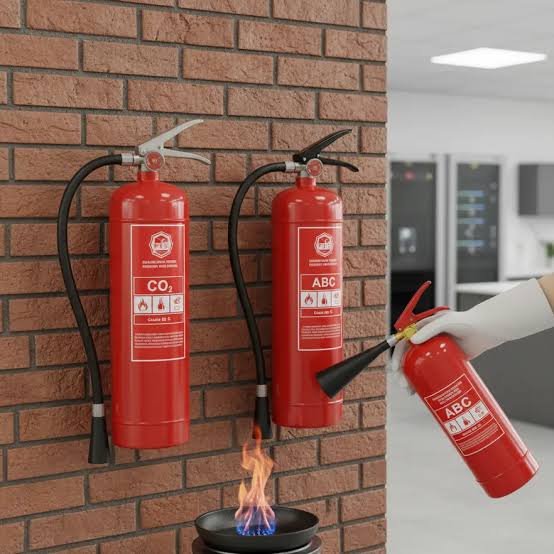
Fire safety is an essential part of protecting homes, offices, schools, factories, restaurants, and other buildings. A small fire can quickly become a serious emergency when the correct precautions are missing or people do not know how to respond. Understanding fire hazards, maintaining safety equipment, and preparing an emergency plan can help reduce risks and protect lives.
Fire extinguishers are among the most recognisable pieces of firefighting equipment. However, not every extinguisher is suitable for every fire. Different models contain different extinguishing agents, and using the wrong type can make a dangerous situation worse. For example, water should not be used on burning cooking oil or live electrical equipment.
In Pakistan, fire safety is important across residential and commercial properties, where electrical appliances, cooking equipment, generators, fuel storage, and industrial processes may create different hazards. A suitable extinguisher, a working Fire alarm system in Pakistan, clear emergency exits, and proper staff training can all contribute to a safer environment.
This guide explains the main types of fire extinguishers, their intended uses, how to choose appropriate equipment, and the maintenance practices that support effective fire protection.
Why Are Fire Extinguishers Important?
Fire extinguishers are portable devices designed to control certain small fires when the equipment is appropriate and the situation is safe. They contain an agent that helps interrupt the fire process by cooling burning material, separating fuel from oxygen, or interrupting the chemical reaction that sustains combustion.
A correctly selected extinguisher can be an important first line of defence against a limited fire. It may help prevent damage to equipment, furniture, stock, and other property.
However, extinguishers have limitations. They are not designed to make every fire safe to approach, and they cannot replace fire detection systems, evacuation plans, or professional emergency response.
Before selecting equipment, property owners should identify the likely fire hazards in each area. A kitchen, an electrical room, a warehouse, and a residential lounge may require different types of protection.
Understanding Fire Classes
Fire classifications help identify the types of materials involved in a fire. The exact class labels can differ between standards and countries, so buyers in Pakistan should follow the classifications printed on approved equipment and confirm suitability with a qualified fire safety professional.
Common classifications include:
- Class A: Ordinary combustible materials such as wood, paper, fabric, and some plastics.
- Class B: Flammable liquids, including petrol, certain oils, solvents, and paints.
- Class C: Flammable gases in classification systems that use this designation.
- Class D: Combustible metals, such as magnesium and certain metal powders.
- Electrical fires: Fires involving electrical equipment that is still energised. Some standards designate these as a separate class, while others treat electricity as a hazard requiring a suitable non-conductive extinguishing agent.
- Class F or Class K: Fires involving cooking oils and fats, particularly in commercial cooking equipment.
Because classification systems vary, never rely on a fire-class letter alone without reading the extinguisher’s label. The agent must be appropriate for the specific hazard.
1. Water Fire Extinguishers
Water extinguishers are primarily designed for Class A fires involving ordinary combustible materials, such as paper, wood, cloth, and certain other solid materials.
How They Work
Water helps control fire by cooling the burning material and reducing its temperature below the point needed to sustain combustion.
Where They May Be Suitable
Depending on the product rating and the property’s risk assessment, water extinguishers may be suitable for certain areas containing ordinary combustible materials, including some offices, storage areas, and residential settings.
Important Limitations
Water must not be used on live electrical equipment or burning flammable liquids. It can conduct electricity and may spread burning liquid, creating additional danger.
It must also never be poured onto burning cooking oil. People should evacuate and seek emergency assistance if a fire cannot be managed safely.
Before selecting a water extinguisher, confirm that the expected fire risks are suitable for that equipment.
2. Foam Fire Extinguishers
Foam extinguishers are commonly designed for certain Class A and Class B fires, depending on the product’s approval and rating.
How They Work
Foam helps cool burning material and can form a layer over suitable flammable liquids, limiting contact between the fuel and the air. This can help control the fire and reduce the risk of re-ignition under appropriate conditions.
Where They May Be Suitable
Foam extinguishers may be used in selected commercial, industrial, storage, or workshop environments where ordinary combustible materials and certain flammable liquids are present.
Important Limitations
Standard foam extinguishers should not be used on live electrical equipment unless the specific product is expressly rated for that application.
They are also not a universal solution for every liquid fire. The substance involved, the product rating, and the conditions of the incident all matter.
Property owners should select foam equipment according to a professional risk assessment and the manufacturer’s instructions.
3. Dry Powder Fire Extinguishers
Dry powder extinguishers use a powdered agent to help interrupt the combustion process. Some are designed for particular fire classes, while multipurpose ABC-rated models cover a wider range of common hazards.
How They Work
The powder helps interrupt the chemical reaction sustaining the fire. Multipurpose agents may also form a coating over burning solid materials, helping limit further combustion.
Where They May Be Suitable
Depending on the rating, dry powder extinguishers may be appropriate for selected homes, offices, workshops, vehicles, and industrial environments.
Their versatility makes them useful in some locations where more than one type of fire hazard is present.
Important Limitations
Powder discharge can reduce visibility and leave residue on surfaces, machinery, and electronic equipment. It may also be unsuitable for certain specialist environments.
Not every dry powder extinguisher is rated for the same fire classes. Always check the label rather than assuming that every powder model is multipurpose.
4. Carbon Dioxide (CO₂) Fire Extinguishers
Carbon dioxide extinguishers contain pressurised carbon dioxide gas. They are commonly used for certain flammable-liquid fires and fires involving electrical equipment, subject to the product’s rating.
How They Work
Carbon dioxide helps suppress fire by reducing the availability of oxygen around the burning material. Its discharge also produces a cooling effect.
Where They May Be Suitable
CO₂ extinguishers may be appropriate in selected electrical rooms, offices, laboratories, and areas containing sensitive equipment where minimising residue is important.
Unlike powder extinguishers, CO₂ equipment generally does not leave a solid extinguishing residue.
Important Limitations
Carbon dioxide may be less effective on deep-seated burning materials that can reignite after the gas disperses. It can also create an asphyxiation hazard in confined spaces.
The discharge horn can become extremely cold, so users must follow the manufacturer’s handling instructions.
A CO₂ extinguisher should never be treated as a universal solution. Its suitability depends on the fire class, environment, and safety conditions.
5. Wet Chemical Fire Extinguishers
Wet chemical extinguishers are designed primarily for fires involving cooking oils and fats. They are particularly relevant to commercial kitchens and certain food preparation environments.
How They Work
The extinguishing agent helps cool the burning oil and forms a surface layer that reduces the chance of the fire reigniting.
Where They May Be Suitable
Wet chemical equipment may be appropriate in restaurants, hotels, commercial kitchens, and other premises using deep-fat fryers or large quantities of cooking oil.
Kitchen protection should be planned as a complete arrangement that may include suitable extinguishers, cooking equipment safeguards, ventilation maintenance, and fixed suppression systems where required.
Important Limitations
Wet chemical extinguishers are designed for specific hazards and should not be assumed suitable for every type of fire.
Never throw water onto burning cooking oil or carry a burning pan to another location. If the fire is spreading or conditions are unsafe, evacuate immediately and contact emergency services.
6. Specialised Extinguishers for Combustible Metals
Some industrial processes involve combustible metals such as magnesium, titanium, or certain metal powders. These materials can react dangerously with unsuitable extinguishing agents.
Specialised Class D extinguishers are designed for particular combustible-metal hazards.
The appropriate agent depends on the metal and the conditions involved. Equipment intended for one metal may not be suitable for another.
These hazards require a professional risk assessment, specialised equipment, and trained personnel. General-purpose extinguishers should not be assumed suitable for combustible-metal fires.
Most homes do not require specialised metal-fire equipment, but relevant industrial facilities must assess their processes and select protection accordingly.
How to Choose the Right Fire Extinguisher
Selecting an extinguisher involves understanding the environment rather than simply choosing the cheapest or largest model.
Assess the Fire Risks
Identify likely ignition sources, combustible materials, electrical equipment, cooking appliances, and flammable liquids in the area.
A residential kitchen may have different needs from a server room, factory, petrol station, or warehouse. The equipment should match the hazards identified.
Check the Extinguisher Rating
Read the product label to confirm which types of fires the extinguisher is designed to address. Verify the manufacturer’s instructions, certification or conformity documentation, and any applicable local requirements.
Do not rely only on a seller’s verbal assurance that a product can handle every type of fire.
Consider the Location and Users
The equipment should be appropriate for the space, accessible without obstructing an escape route, and manageable for the intended adult users.
Specialist areas may require equipment designed for particular environmental or operational conditions.
Buy From a Reliable Supplier
Choose a supplier that can provide clear product specifications, maintenance guidance, and relevant documentation. Qualified fire safety professionals can help determine the number, size, type, and placement of extinguishers required for a property.
In Pakistan, owners should also confirm the applicable building and fire safety requirements with the relevant authority.
The Role of Fire Alarm Systems in Fire Protection
Extinguishers are only one part of an effective fire safety plan. People must also be alerted to danger and given an opportunity to leave safely.
A fire alarm system may include detectors, manual call points, audible or visual warning devices, a control panel, and backup power, depending on the building’s design.
A suitable Fire alarm system in Pakistan can help occupants recognise an emergency in homes, offices, factories, schools, hotels, and other buildings where such arrangements are required or appropriate.
Fire detection and alarms are particularly important in larger premises where people may be far from the location of a fire. Early warning can help residents, workers, and visitors follow the evacuation procedure before conditions become more dangerous.
However, an alarm does not extinguish a fire. It must work alongside suitable equipment, clear exits, maintenance, staff training, and an emergency plan.
The Punjab Civil Defence guidance on fire safety inspections identifies fire detection and alarm systems, firefighting arrangements, and emergency exit and evacuation planning among the measures assessed for covered premises.
Fire Extinguisher Maintenance and Inspection
Even a suitable extinguisher may fail to perform as intended if it is damaged, discharged, or poorly maintained.
Check the Condition
Inspect the equipment according to the manufacturer’s instructions. Look for visible damage, corrosion, leakage, blocked nozzles, missing components, or signs of tampering.
If the cylinder appears damaged, do not attempt to repair it yourself.
Check the Pressure Indicator Where Fitted
For models with a pressure gauge, confirm that the indicator is within the manufacturer’s specified range. Not every extinguisher uses the same gauge arrangement, so follow the product instructions.
Keep Equipment Accessible
Extinguishers should remain visible and accessible, with their labels readable and access routes unobstructed.
Do not store boxes or furniture in front of firefighting equipment or use an extinguisher as a doorstop.
Arrange Professional Servicing
Inspection, maintenance, recharging, and replacement schedules depend on the extinguisher type, manufacturer, condition, and applicable standards.
Use a qualified service provider and retain maintenance records where appropriate. Any extinguisher that has been discharged should be assessed and serviced or replaced according to the manufacturer’s requirements.
Fire Safety Considerations in Pakistan
Fire safety requirements can differ according to the building type, occupancy, location, and applicable regulations. Owners and managers should confirm which provisions apply to their premises.
The Building Code of Pakistan — Fire Safety Provisions 2016 is an important reference for building fire protection. The selection of extinguishers should take account of the type of fire likely to occur, the hazards in the area, and nearby electrical equipment.
Punjab Civil Defence also identifies firefighting arrangements, detection and alarm systems, and evacuation planning among the safety measures assessed for covered premises.
For more information, consult the Punjab Civil Defence fire safety inspection guidance and the Building Code of Pakistan — Fire Safety Provisions 2016.
Where a building has specialised hazards, such as industrial chemicals or combustible metals, a qualified professional should assess the risks and specify the appropriate equipment.
What to Do if a Fire Occurs
Personal safety must always come first. A portable extinguisher is intended for a limited fire only when the correct equipment is available and the situation is safe.
If a fire occurs:
- Raise the alarm and alert other occupants when safe to do so.
- Contact the appropriate emergency service.
- Evacuate if the fire is spreading, smoke is heavy, or your escape route may be threatened.
- Never enter a smoke-filled area or delay leaving to protect property.
- Do not re-enter the building until emergency personnel say it is safe.
Only appropriately trained adults should consider using an extinguisher, and only when the fire is small, the extinguisher is suitable, and a safe exit remains available. If there is any doubt, evacuate instead.
Conclusion
Understanding the types of fire extinguishers is an important part of building a safer home or workplace. Water, foam, dry powder, carbon dioxide, wet chemical, and specialised metal-fire extinguishers all have different purposes and limitations.
The right choice depends on the likely fire hazards, the product’s rating, and the environment where it will be used. Regular maintenance, reliable suppliers, and professional advice help ensure that equipment remains appropriate and ready for service.
In Pakistan, extinguishers should form part of a broader fire protection plan that may include a suitable Fire alarm system in Pakistan, smoke detection, clear evacuation routes, emergency lighting, and staff training.
Most importantly, no extinguisher is worth risking a person’s life. When a fire is spreading or escape is uncertain, leave immediately and contact emergency services. Prevention, early warning, and safe evacuation remain the foundations of effective fire safety.
Frequently Asked Questions (FAQs)
1. What are the main types of fire extinguishers?
The main types include water, foam, dry powder, carbon dioxide, wet chemical, and specialised extinguishers for combustible metals. Each is designed for particular fire hazards, so the label and rating should always be checked before selection.
2. Which fire extinguisher is suitable for a home in Pakistan?
The appropriate choice depends on the home’s hazards and the product’s rating. A multipurpose ABC dry powder extinguisher may be suitable for some common fire risks, but it is not appropriate for every situation. Consult a qualified fire safety professional when selecting equipment.
3. Can water extinguishers be used on electrical fires?
No. Ordinary water extinguishers should not be used on live electrical equipment because water can conduct electricity and create a risk of electric shock. Use only equipment specifically rated for the hazard, and evacuate if the situation is unsafe.
4. Why are wet chemical extinguishers used in commercial kitchens?
Wet chemical extinguishers are designed for fires involving cooking oils and fats. Their agent helps cool the burning oil and form a surface layer that can reduce the risk of re-ignition. They should be selected according to the kitchen’s hazards and applicable requirements.
5. How often should fire extinguishers be inspected?
Follow the manufacturer’s inspection and servicing schedule and all applicable local requirements. Check for visible damage and blocked access, and arrange professional servicing when required. Extinguishers should also be assessed after use.