
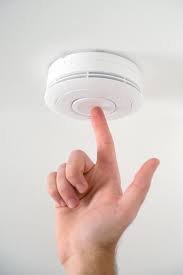
Smoke alarms are among the most important safety devices in a home. They can detect smoke and provide an early warning that a fire may be developing, giving occupants an opportunity to respond and move to safety. However, even a well-installed smoke alarm may fail to provide a warning if its battery is missing, depleted, incorrectly installed, or no longer capable of powering the device.
Many people remember to install smoke alarms but overlook one essential detail: maintaining their power supply. A small battery can make a significant difference to whether an alarm is ready when it is needed.
In Pakistan, homes and buildings may contain electrical appliances, cooking equipment, wiring, generators, and other potential sources of fire. Smoke alarms, appropriate electrical maintenance, clear escape routes, and emergency planning can help reduce the risks associated with household fires.
Battery maintenance is also relevant to the wider discussion of a fire alarm system in Pakistan. While a standalone battery-powered smoke alarm is different from a building-wide fire alarm system, both depend on suitable installation, reliable operation, and regular maintenance.
This article explains how smoke alarm batteries work, when they may need replacement, how to recognise warning signals, and why routine testing is an important part of fire safety.
1. Why Smoke Alarm Batteries Matter
A smoke alarm is designed to warn people when smoke is detected. Depending on its design, it may operate using replaceable batteries, a sealed long-life battery, or a connection to the building’s electrical supply with a backup battery.
The battery provides the power needed for the alarm to operate when required. In battery-powered models, it may be the primary source of power. In hardwired models, a backup battery can help maintain operation during a mains power interruption.
If the battery becomes depleted or is removed, a battery-dependent alarm may no longer provide the intended protection.
This matters because fires can develop while people are asleep, occupied in another room, or unaware of a problem elsewhere in the building. An audible warning can alert occupants to investigate safely or evacuate according to their emergency plan.
A working smoke alarm does not prevent a fire from starting, and it cannot guarantee that everyone will escape unharmed. Its purpose is to provide an early warning that supports a prompt response.
For this reason, battery maintenance should be treated as a regular household safety task rather than something to consider only when an alarm starts making unusual sounds.
2. Understanding Different Types of Smoke Alarm Batteries
Not every smoke alarm uses the same type of battery. Understanding the design of the device helps people maintain it correctly.
Replaceable batteries
Some smoke alarms use replaceable batteries, such as compatible 9-volt or AA batteries. These batteries need to be changed according to the alarm manufacturer’s instructions.
The required battery type varies by model. Using an incompatible battery can prevent the alarm from operating correctly or may damage the device.
Always check the label or user manual before replacing a battery.
Sealed long-life batteries
Some alarms contain a sealed battery designed to power the unit for its specified service life, which may be up to ten years depending on the model.
These batteries are not intended to be replaced by the user. When the device reaches the end of its service life or develops a fault, the entire alarm may need replacement.
Do not open a sealed unit or attempt to modify its power supply.
Hardwired smoke alarms with backup batteries
Hardwired alarms receive power from the building’s electrical supply and may include a backup battery.
The backup battery helps the alarm continue operating during certain power interruptions. It still requires maintenance according to the manufacturer’s instructions.
Electrical installation and repairs should be handled by a qualified electrician.
The U.S. Fire Administration explains these common power arrangements and recommends following the instructions supplied with each alarm. The correct maintenance schedule depends on the type of device installed. <Cite refs={[“turn673796search0”]} />
3. How Often Should Smoke Alarm Batteries Be Replaced?
There is no single battery replacement schedule that applies to every smoke alarm. The correct timing depends on whether the alarm uses a replaceable battery, a sealed long-life battery, or a backup battery.
For alarms with replaceable batteries, follow the manufacturer’s recommended replacement schedule. Some models require annual replacement, while other models may specify a different schedule or use a long-life battery.
For hardwired alarms, check the manufacturer’s guidance for the backup battery. Do not assume that a connection to the electrical supply means the alarm never needs battery maintenance.
For sealed long-life models, follow the instructions for testing and end-of-life replacement. If the unit reaches the end of its rated service life, replace the entire alarm as directed.
A practical household routine includes:
- Checking the alarm’s instructions to identify the correct battery type.
- Testing the alarm at least once a month using its test button.
- Replacing batteries according to the manufacturer’s schedule.
- Responding promptly to low-battery warnings.
- Checking the alarm’s manufacture or replacement date.
- Replacing the entire unit when required by its service life or when it cannot function correctly.
Do not wait until a battery has completely failed before taking action. A routine schedule makes it easier to identify problems before an emergency occurs.
4. What Does a Chirping Smoke Alarm Mean?
An occasional short chirp often indicates a low battery, a fault, or another maintenance issue. The exact meaning depends on the alarm’s model and warning pattern.
A repeated low-battery signal should never be ignored. Consult the device’s manual to confirm what the sound means and what action is required.
Possible causes include:
Low battery: The alarm may be warning that its battery needs replacement.
Incorrect battery installation: A replaceable battery may not be fitted correctly or may not match the manufacturer’s specifications.
A power interruption: A hardwired alarm may be indicating a problem with its electrical supply or backup power.
Dust or contamination: Accumulated dust may interfere with some alarm models or trigger maintenance warnings.
End of service life: Some alarms produce a specific warning when the unit needs to be replaced.
A device fault: The alarm may have developed a problem that cannot be resolved by changing the battery.
If the chirping continues after the recommended maintenance has been completed, check the manual and contact the manufacturer or a qualified professional as appropriate.
Do not assume every alarm sound is a low-battery warning. A continuous or distinctive alarm pattern may indicate smoke or fire. If there is any sign of a fire, leave the building and contact emergency services rather than spending time troubleshooting the device.
5. How to Test a Smoke Alarm Properly
Testing helps confirm that an alarm’s warning function is operating. The U.S. Fire Administration and the National Fire Protection Association recommend testing smoke alarms at least once a month. <Cite refs={[“turn673796search0″,”turn673796search3”]} />
A basic testing routine is straightforward:
- Read the manufacturer’s instructions for the particular alarm.
- Tell household members that you are carrying out a test.
- Press and hold the designated test button as instructed.
- Confirm that the alarm produces the expected warning sound.
- Check the device’s indicators and follow the manual if the test fails.
- Record the test date if you maintain a household safety checklist.
A successful test is an important check, but it does not prove that every component will perform perfectly during a real fire. Follow the manufacturer’s instructions for any additional maintenance or inspection that is required.
If the alarm does not sound during the test, investigate the issue according to the manual. This may involve replacing a permitted replaceable battery, checking the power supply, or replacing a faulty or expired unit.
Never deliberately create smoke or use an open flame to test an alarm. Use the built-in test function and any approved testing method specified by the manufacturer.
6. Why You Should Never Remove a Battery to Silence an Alarm
A smoke alarm may activate because of cooking fumes, steam, dust, or another condition that is not a fire. Although a nuisance alarm can be frustrating, removing the battery or permanently disabling the device creates a serious safety gap.
If the alarm sounds while cooking, follow the manufacturer’s instructions. Where the model includes a hush or silence function, use it only as directed and only after confirming that there is no fire emergency.
Other appropriate steps may include improving ventilation or addressing the placement of the alarm if it is repeatedly affected by normal cooking activities. Any relocation should follow the manufacturer’s guidance and applicable safety requirements.
If the alarm continues to activate unnecessarily, identify and correct the underlying cause rather than leaving the device disabled.
Never leave a smoke alarm without its required power source. If a device is faulty, arrange a prompt repair or replacement and take appropriate temporary safety precautions until protection is restored.
A functioning alarm is an important part of a household’s fire safety arrangements, particularly during sleeping hours.
7. Where Should Smoke Alarms Be Installed?
A smoke alarm is useful only if it is installed in an appropriate location and can provide an effective warning.
The exact placement should follow the manufacturer’s instructions, applicable building requirements, and the design of the home.
General guidance from the U.S. Fire Administration and the National Fire Protection Association recommends smoke alarms inside bedrooms, outside separate sleeping areas, and on every level of a home. Interconnected alarms can provide additional warning because when one activates, the others also sound. <Cite refs={[“turn673796search0″,”turn673796search3”]} />
Other considerations include:
- Installing alarms on the ceiling or high on a wall as directed by the manufacturer.
- Avoiding locations where normal cooking fumes or steam are likely to cause repeated nuisance alarms, while still following required coverage guidance.
- Keeping the alarm clear of obstructions.
- Checking whether the building needs interconnected alarms.
- Ensuring household members can hear the warning from sleeping areas.
Homes in Pakistan vary in layout, size, and construction. Some properties include multiple floors, separate sleeping areas, enclosed stairways, or rooms used for storage. A suitable placement plan should account for the actual layout.
For larger residential buildings and commercial premises, the required detection arrangements may be more complex than standalone household alarms. A competent professional should assess the building’s needs.
8. Smoke Alarms and Fire Alarm Systems in Pakistan
Smoke alarms and building-wide fire alarm systems are related but are not interchangeable terms.
A standalone smoke alarm is a self-contained device that detects smoke and sounds a local warning. A building-wide fire alarm system may include multiple detectors, manual call points, control equipment, warning devices, and other components designed to operate together.
In Pakistan, the Building Code of Pakistan Fire Safety Provisions 2016 provides an important reference for fire protection in buildings. The Pakistan Engineering Council publishes the code, which addresses fire detection, alarm systems, and other life-safety measures. Applicable requirements depend on the building’s use, characteristics, and the relevant authority. <Cite refs={[“turn673796search24″,”turn673796search5”]} />
Punjab Civil Defence also identifies fire detection and alarm systems among the fire safety measures considered during inspections of industrial, commercial, and high-rise premises. <Cite refs={[“turn673796search2”]} />
When evaluating a fire alarm system in Pakistan, property owners and managers should consider the appropriate system design, installation, testing, maintenance, and backup power arrangements.
Battery-powered smoke alarms can provide important protection in homes, but they do not automatically satisfy every requirement that may apply to a larger or regulated building.
A complete fire safety plan should also include clear exits, suitable firefighting equipment, emergency instructions, and regular training where required.
9. Smoke Alarm Battery Maintenance in Pakistan’s Climate
Temperature, dust, humidity, and everyday household conditions can affect the maintenance needs of electrical devices.
In Pakistan, homes and workplaces may experience hot summers, dusty conditions, power interruptions, and varying indoor environments. These factors make it important to follow the alarm manufacturer’s storage, installation, and maintenance instructions.
Keep alarms clean
Dust may accumulate around the device and interfere with its operation. Clean the alarm as directed by the manufacturer, using only the recommended method.
Do not pour water or cleaning liquids into the device.
Use the correct replacement battery
Choose the specified battery type and check its compatibility before installation. Avoid using damaged, leaking, or visibly deteriorated batteries.
Follow temperature guidance
Do not place or store alarms or spare batteries in conditions outside the manufacturer’s recommended temperature range. Avoid exposing devices to direct heat or unsuitable moisture.
Check backup power after interruptions
If a hardwired alarm loses power during an outage, follow its instructions for checking its status and backup battery. Arrange professional help if the alarm indicates a fault that cannot be resolved safely.
Keep a maintenance record
A simple written record can help household members remember when alarms were tested and when batteries or units need attention.
The goal is not to overcomplicate maintenance. A regular, consistent routine can help keep smoke alarms ready to perform their intended function.
10. When Should You Replace the Entire Smoke Alarm?
Changing a battery will not solve every smoke alarm problem. The complete unit may need replacement when it reaches the end of its service life, develops a fault, or cannot pass the manufacturer’s recommended tests.
Many common smoke alarms have a service life of around ten years, but the exact period depends on the model. Always check the manufacture date and the replacement instructions.
Consider replacing the entire unit when:
- The alarm has reached the replacement date specified by the manufacturer.
- The device repeatedly fails its test.
- A fault warning continues after the recommended troubleshooting steps.
- The alarm has been damaged or exposed to unsuitable conditions.
- The manufacturer advises replacement.
Do not assume that a new battery makes an old alarm reliable again. Sensors and other components may deteriorate over time.
If an alarm is hardwired, consult a qualified electrician or suitable service provider for replacement where necessary. Follow local requirements for electrical work and building fire protection.
Replacing an alarm at the appropriate time is part of maintaining a reliable warning system, not an unnecessary purchase.
11. Create a Simple Smoke Alarm Maintenance Routine
A maintenance routine helps make smoke alarm care easier to remember. It does not need to be complicated.
Every month: Test each alarm using its test button and the manufacturer’s instructions.
When a warning sounds: Determine whether it indicates smoke, a low battery, a fault, or the end of the unit’s service life. Treat a possible fire alarm as an emergency.
According to the battery instructions: Replace permitted replaceable batteries and backup batteries on the recommended schedule.
During routine household checks: Look for visible damage, obstructions, or dust that requires cleaning according to the manual.
At the manufacturer’s replacement date: Replace the entire alarm when required.
When moving or renovating: Review whether the alarm’s location remains suitable and whether any changes affect the home’s fire safety arrangements.
Families can assign responsibility for testing and record the dates on a household checklist. In rented homes and shared buildings, occupants should clarify maintenance responsibilities with the landlord or building manager.
For businesses, maintenance should be part of the formal fire safety programme and should be documented according to applicable requirements.
Conclusion
Smoke alarm batteries may seem like a small detail, but they are an essential part of keeping battery-dependent alarms operational. A missing, depleted, or unsuitable battery can prevent a device from providing the warning it was designed to deliver.
Regular testing, correct battery replacement, prompt attention to warning signals, and timely replacement of expired alarms all contribute to better fire preparedness.
In Pakistan, households and building managers should also consider the broader requirements for fire detection and alarm arrangements that apply to their premises. A suitable fire alarm system in Pakistan, combined with working smoke alarms where appropriate, clear escape routes, and a practiced emergency plan, can support a more complete approach to fire safety.
Do not wait for an alarm to chirp before checking its condition. A simple maintenance routine can help ensure that your smoke alarms are ready when they are needed most.
Frequently Asked Questions (FAQs)
1. How often should smoke alarm batteries be replaced?
The schedule depends on the alarm model and battery type. Follow the manufacturer’s instructions, and replace low batteries promptly. Some alarms use sealed long-life batteries and require replacement of the entire unit at the end of its service life.
2. Why does my smoke alarm keep chirping?
A short, repeated chirp may indicate a low battery, a fault, or an end-of-life warning. Check the manufacturer’s instructions to identify the signal and take the recommended action. If the alarm indicates smoke or fire, evacuate rather than troubleshooting it.
3. How often should a smoke alarm be tested?
Test smoke alarms at least once a month using the built-in test button and the manufacturer’s instructions. If the alarm fails, follow the recommended troubleshooting steps and arrange repair or replacement as necessary.
4. Can I remove the battery if my smoke alarm sounds while cooking?
No. Do not leave the alarm without its required power source. Follow the manufacturer’s guidance and use the hush function if available and appropriate after confirming there is no fire. Address recurring nuisance alarms rather than disabling the device.
5. Are smoke alarms the same as a fire alarm system in Pakistan?
No. A standalone smoke alarm usually detects smoke and sounds a local warning. A building-wide fire alarm system may connect multiple detectors, manual call points, control equipment, and warning devices. The appropriate arrangement depends on the building and applicable requirements.