
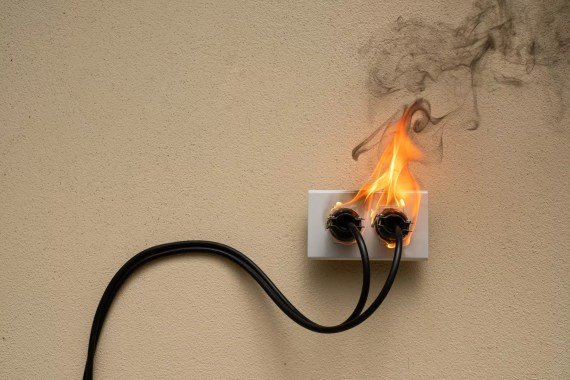
Electrical appliances make everyday life easier, but electricity can also become a serious fire risk when wiring, sockets, switches, or appliances are damaged or overloaded. One of the common electrical problems in homes is a short circuit. Understanding how short circuits happen and taking sensible preventive measures can help reduce the risk of electrical fires.
For homeowners in Pakistan, electrical safety is particularly important because homes may contain many appliances operating at the same time, including air conditioners, refrigerators, washing machines, televisions, computers, water pumps, microwave ovens, chargers, and other devices.
Short circuit prevention should not be treated as a one-time activity. It should be part of regular home maintenance. Along with safe electrical practices, an appropriate fire alarm system in Pakistan can provide an additional layer of protection by warning occupants when smoke or heat indicates a possible fire.
Pakistan Engineering Council lists the Pakistan Electric and Telecommunication Safety Code 2014 and the Building Code of Pakistan Fire Safety Provisions 2016 among its building and safety codes. (pec.org.pk)
What Is a Short Circuit?
A short circuit happens when electricity follows an unintended path with very low resistance. This can cause a sudden increase in electrical current, potentially producing heat, sparks, or damage to electrical components.
A short circuit can happen because of damaged insulation, loose connections, faulty appliances, incorrect wiring, moisture, or other electrical problems.
The consequences depend on the specific circumstances. A protective electrical device may interrupt the circuit, but a serious fault can also cause overheating or an electrical fire.
This is why electrical problems should be addressed promptly rather than ignored.
Why Short Circuits Can Cause Fires
Electrical energy can generate heat when current passes through resistance. Under abnormal conditions, such as a fault or damaged connection, excessive current or localized heating can occur.
If nearby materials are combustible, the heat may contribute to a fire.
Homes contain many materials that can burn, including:
- Curtains
- Furniture
- Paper
- Cardboard
- Clothing
- Carpets
- Wooden furniture
- Plastic household items
Preventing electrical faults is therefore an important part of overall fire prevention.
1. Avoid Overloading Electrical Sockets
One of the simplest ways to improve electrical safety is to avoid overloading outlets.
Connecting too many high-power appliances to one outlet, extension lead, or power strip can place excessive demand on the electrical circuit.
Instead of connecting numerous appliances to one point, homeowners should ensure that electrical loads are appropriately distributed and that wiring and protective devices are suitable for the intended use.
High-power appliances such as air conditioners, heaters, washing machines, and cooking equipment may have specific electrical requirements. These should be connected according to the manufacturer’s instructions and appropriate electrical standards.
If an outlet repeatedly becomes hot, trips the circuit protection, or shows signs of damage, it should be inspected by a qualified electrician.
2. Check Cables and Wiring Regularly
Damaged electrical cables can create serious risks.
Over time, wires may become damaged because of:
- Age
- Heat
- Physical pressure
- Bending
- Rodents
- Poor installation
- Moisture
- Improper repairs
Signs such as exposed conductors, cracked insulation, burn marks, unusual smells, or repeated electrical faults should not be ignored.
Homeowners should not attempt to repair dangerous electrical wiring themselves. A qualified electrician should inspect and repair electrical faults.
Hidden Wiring Also Matters
Not every electrical problem is visible.
Wiring inside walls, ceilings, distribution boards, or other inaccessible locations can deteriorate or become damaged.
If a home experiences repeated circuit trips, flickering lights, unexplained electrical smells, or unusual heating around electrical equipment, professional inspection can help identify the underlying problem.
3. Use Electrical Appliances Properly
Electrical appliances should be used according to their manufacturer’s instructions.
An appliance with a damaged plug, cable, switch, or casing should not continue to be used without proper inspection.
Some warning signs include:
- Burning smells
- Sparks
- Unusual buzzing
- Excessive heat
- Repeated tripping
- Flickering during operation
- Visible damage
These signs can indicate an electrical fault.
Ignoring them may allow a small problem to develop into a more serious one.
4. Keep Electricity Away From Water
Water and electricity can create dangerous conditions.
Electrical appliances and connections should be kept away from unnecessary moisture. This is especially important in kitchens, bathrooms, laundry areas, and outdoor spaces.
Wet hands should not be used to operate electrical equipment when it creates a safety risk.
If an electrical appliance becomes wet or is exposed to water, it should be handled according to appropriate safety procedures and inspected by a qualified professional before being returned to service when necessary.
5. Install Appropriate Circuit Protection
Electrical protection devices are an important part of a home’s electrical system.
Depending on the installation, protective devices can help disconnect a circuit when abnormal electrical conditions occur.
Circuit breakers and other protective devices should be appropriately selected and installed as part of the electrical system.
Homeowners should not replace protective devices with unsuitable alternatives simply because a circuit keeps tripping. Repeated tripping is a warning that should be investigated.
The correct response is to identify the underlying problem rather than repeatedly resetting the protection without understanding why it activated.
Why a Fire Alarm Is Important at Home
Preventing electrical faults is the first priority, but no prevention strategy can guarantee that a fire will never occur.
This is where fire detection becomes important.
A properly designed fire alarm system in Pakistan can provide early warning when smoke or heat is detected. Early warning can help occupants respond according to their emergency plan and leave the property safely.
The Building Code of Pakistan Fire Safety Provisions includes requirements for building fire alarm and automatic fire detection systems where they are required by the applicable provisions. (pec.org.pk)
Flame Defender provides fire alarm installation services for residential structures as well as commercial and industrial properties in Pakistan. Its services include conventional and addressable systems, smoke detectors, heat sensors, control panels, installation, testing, maintenance, and upgrades. (flame-defender.com)
A fire alarm should not replace safe electrical practices. Instead, prevention and detection should work together.
How Smoke and Heat Detection Can Help
Different types of detection technology are designed for different environments.
Smoke Detection
Smoke detectors can provide an early warning when smoke particles reach the sensing chamber.
They are commonly used in areas such as bedrooms, hallways, living spaces, and other locations where smoke detection can provide useful warning.
Heat Detection
Heat detectors respond to a rise in temperature or a specified temperature threshold.
They may be useful in locations where environmental conditions could make smoke detection less suitable.
The correct placement and type of detection should depend on the building layout, environmental conditions, and applicable requirements.
Why Early Warning Is Especially Important at Night
An electrical fault can occur while a home is unoccupied or while people are asleep.
A fire that starts unnoticed can develop before occupants become aware of it.
An alarm can provide an audible warning when smoke or heat is detected, helping occupants recognize that an emergency may be occurring.
This is one reason fire detection is an important complement to electrical safety.
Keep Electrical Panels Accessible
The electrical distribution board should remain accessible to appropriately trained adults and should not be blocked by furniture, boxes, or stored household items.
The area around the panel should be kept clean and dry.
If the panel shows signs of burning, unusual heat, repeated tripping, damaged components, or other problems, it should be inspected by a qualified electrician.
Electrical panels should not be opened or repaired by people without the appropriate knowledge and qualifications.
Be Careful With Extension Leads
Extension leads can be useful when used correctly, but they should not become a permanent substitute for adequate electrical outlets.
Using multiple extension leads together can create unnecessary electrical risks.
Extension equipment should be suitable for the intended load and kept away from conditions that could damage the cable.
Cables should not be placed where they can be crushed, repeatedly bent, or damaged by doors, furniture, or foot traffic.
Avoid Unsafe DIY Electrical Repairs
Electrical repairs are not a good area for experimentation.
Incorrect connections can create hidden problems that may not become obvious immediately.
Homeowners should use qualified electricians for wiring, distribution-board work, major repairs, and other electrical tasks that require professional knowledge.
A proper inspection can identify problems that may otherwise remain hidden.
Watch for Warning Signs
Homeowners should pay attention to changes in electrical equipment.
Warning signs can include:
- A socket becoming unusually hot
- Burning or melted plastic
- Flickering lights
- Sparks from outlets
- Repeated circuit trips
- Unusual buzzing sounds
- Burning smells
- Damaged cables
- Appliances behaving unexpectedly
These signs should be treated as reasons to stop using the affected equipment where appropriate and obtain professional assistance.
The longer an electrical problem is ignored, the greater the opportunity for damage to develop.
Keep Combustible Materials Away From Electrical Equipment
Good housekeeping can also reduce fire risk.
Paper, clothing, curtains, cardboard, cleaning materials, and other combustible items should not be unnecessarily placed near heat-producing electrical appliances.
Heating appliances deserve particular attention because they can become hot during normal operation.
Furniture and other materials should be positioned according to the manufacturer’s safety instructions for appliances that generate heat.
Fire Safety for Different Areas of the Home
Different rooms can have different fire risks.
Kitchen
Kitchens contain cooking equipment, electrical appliances, oils, and other potential hazards. Electrical appliances should be maintained properly, and cooking equipment should never be left in an unsafe condition.
Bedroom
Bedrooms may contain chargers, lamps, heaters, computers, and other electrical devices. Cables should be kept in good condition, and electrical equipment should be used according to manufacturer instructions.
Living Room
Televisions, entertainment systems, fans, air conditioners, and other appliances can create electrical loads. Avoid overcrowding sockets with multiple connections.
Garage or Utility Area
These areas may contain power tools, pumps, washing machines, or other equipment. Electrical equipment should be appropriate for the environment and maintained properly.
What to Do When You Notice an Electrical Problem
If you notice smoke, sparks, burning smells, or another serious electrical warning sign, do not investigate by touching or opening the equipment.
Move away from the hazard and seek help from a qualified adult or electrician as appropriate.
If a fire occurs, follow the home’s emergency plan and evacuate. Do not take unnecessary risks trying to investigate or fight a dangerous fire.
Emergency services should be contacted when required.
Combining Prevention With Detection
The strongest approach to home fire safety combines several layers.
Layer 1: Prevention
Maintain electrical equipment, avoid overloading circuits, and address faults promptly.
Layer 2: Protection
Use appropriate electrical protective devices and maintain the electrical installation.
Layer 3: Detection
Install suitable smoke or heat detection where appropriate.
Layer 4: Notification
Ensure alarms can effectively alert occupants.
Layer 5: Evacuation
Keep escape routes accessible and make sure household members know what to do during an emergency.
No single measure can eliminate every fire risk. Together, these measures can create a stronger safety strategy.
Professional Inspection Can Identify Hidden Risks
A professional electrical inspection can be valuable, particularly in older homes or properties that have undergone multiple renovations.
An electrician can assess areas such as:
- Wiring condition
- Distribution boards
- Circuit protection
- Earthing
- Socket condition
- Appliance connections
- Electrical load
- Visible installation problems
Similarly, a fire-safety professional can assess whether the property’s detection and alarm arrangements are appropriate.
PEC identifies ME02 as a specialized engineering category covering installation, commissioning, and maintenance of fire detection, alarm, and suppression systems and allied equipment. (pec.org.pk)
Why Maintenance Should Be a Routine Habit
Fire safety is not something that should only be considered after an emergency.
Electrical systems and fire alarms both require ongoing attention.
Homeowners should periodically check for visible electrical damage and arrange professional inspections when appropriate.
Fire alarm systems should also be tested and maintained according to the manufacturer’s instructions and applicable requirements.
Flame Defender states that regular fire alarm maintenance can include cleaning, testing, calibration, fault identification, and replacement or upgrading of components where needed. (flame-defender.com)
A Simple Home Electrical Fire-Safety Checklist
Use this checklist as a general starting point:
- Do not overload electrical outlets.
- Replace damaged cables and plugs.
- Do not ignore burning smells or unusual sounds.
- Keep electrical equipment away from unnecessary moisture.
- Keep combustible materials away from heat-producing appliances.
- Use appliances according to manufacturer instructions.
- Have serious electrical problems checked by a qualified electrician.
- Keep the electrical distribution board accessible.
- Do not repeatedly reset a tripped circuit without finding the cause.
- Maintain smoke and fire detection equipment.
- Keep emergency exits and routes accessible.
- Make sure household members know the basic evacuation plan.
Final Thoughts
Short circuit prevention is an important part of home fire safety. Many electrical problems can be reduced through good maintenance, appropriate circuit protection, responsible appliance use, and professional electrical inspections.
However, prevention cannot guarantee that an electrical fire will never occur. That is why early detection is also important.
A properly designed fire alarm system in Pakistan can provide an additional layer of protection by alerting occupants when smoke or heat is detected. The Building Code of Pakistan’s fire-safety framework recognizes fire alarm and automatic detection systems where required, while PEC also identifies fire detection and alarm installation and maintenance as a specialized engineering field. (pec.org.pk)
For homeowners, the best approach is simple: prevent electrical problems where possible, take warning signs seriously, maintain the electrical system, and use suitable fire detection.
For professional fire alarm installation, testing, maintenance, and upgrades in Pakistan, Flame Defender provides fire alarm solutions for residential and other properties. (flame-defender.com)
Electrical safety is not about eliminating every possible risk. It is about identifying hazards early, maintaining equipment properly, and making sure the home has appropriate protection if something goes wrong.
Frequently Asked Questions
1. What causes a short circuit in a home?
Short circuits can result from damaged insulation, faulty appliances, loose connections, incorrect wiring, moisture, or other electrical faults. A qualified electrician should investigate recurring electrical problems.
2. Can a short circuit cause a house fire?
Yes. Depending on the circumstances, an electrical fault can produce excessive heat, sparks, or other conditions that may contribute to a fire. Appropriate electrical protection and regular maintenance can help reduce the risk.
3. How can I prevent electrical short circuits?
Avoid overloading outlets, maintain appliances and wiring, replace damaged cables, keep electricity away from unnecessary moisture, and have electrical problems inspected by qualified professionals.
4. Why is a fire alarm important if my home’s electrical system is safe?
Even a well-maintained electrical system cannot eliminate every possible fire risk. A suitable alarm provides an additional layer of protection by warning occupants when smoke or heat is detected.
5. Does a home fire alarm system need maintenance?
Yes. Fire alarms should be tested and maintained according to the manufacturer’s instructions and applicable requirements. Maintenance helps identify problems with detectors, batteries, control equipment, and notification devices before an emergency occurs.