
A home is more than just a building. It is a place where families sleep, prepare meals, spend time together, and keep their valuable belongings. Protecting this environment requires more than strong doors and secure windows. Fire safety is an essential part of maintaining a safe and comfortable home.
Many residential fires can begin with everyday activities, such as cooking, using electrical appliances, operating heaters, or handling gas equipment. Small problems, including damaged wires, blocked escape routes, or poorly maintained fire alarms, can create serious risks when left unattended.
Regular fire safety maintenance helps homeowners identify potential hazards, check essential equipment, and prepare family members for emergencies. It also helps ensure that safety measures remain useful as the household changes over time.
In Pakistan, homes may rely on electricity, natural gas, LPG cylinders, generators, and different heating appliances. These arrangements make it important to understand how fire hazards develop and how they can be reduced through regular inspections.
This guide explains practical maintenance tips for home fire safety, including electrical inspections, smoke alarm testing, kitchen precautions, fire extinguisher maintenance, and emergency planning.
1. Why Home Fire Safety Maintenance Is Important
Fire safety maintenance involves regularly checking the home for hazards and ensuring that protective equipment remains in working condition.
Installing safety equipment is only the beginning. Smoke alarms need testing, extinguishers require maintenance, electrical appliances need inspection, and escape routes must remain clear.
Without regular maintenance, important safety measures may become unreliable.
Protecting Family Members
A residential fire can produce flames, smoke, and dangerous gases that make evacuation difficult.
Children, elderly family members, and people with mobility limitations may require additional time or assistance to leave the building.
Regular maintenance helps identify problems that could delay evacuation or prevent occupants from receiving an early warning.
Protecting Property
Fire can damage furniture, electrical appliances, household documents, clothing, and the structure of a building.
Smoke and soot may also affect rooms that are not directly touched by flames.
Identifying hazards early can help reduce the likelihood of preventable incidents and the disruption they cause.
Avoiding Unexpected Expenses
Damaged wiring, defective appliances, and neglected safety equipment can create repair expenses.
Regular inspections allow homeowners to identify maintenance needs before a minor issue becomes a more complicated problem.
However, maintenance cannot eliminate every fire risk. Its purpose is to reduce avoidable hazards and improve preparedness.
2. Inspect Electrical Wiring and Appliances Regularly
Electrical safety should be a major part of every home maintenance routine.
In Pakistani households, electrical systems may supply fans, refrigerators, air conditioners, water pumps, heaters, kitchen appliances, and backup power equipment.
Damaged wiring, loose connections, and overloaded sockets can create overheating and fire hazards.
Check Electrical Cords
Inspect accessible appliance cords for visible damage.
Look for:
- Frayed or exposed wires.
- Cracked insulation.
- Loose plugs.
- Burn marks around sockets.
- Cables that become unusually hot.
- Signs of melting or electrical arcing.
Stop using damaged equipment and arrange repair or replacement through a qualified professional.
Avoid Overloading Electrical Sockets
Connecting too many appliances to a single socket or extension board can create an electrical hazard.
High-power appliances should have suitable electrical connections and should be used according to their manufacturer’s instructions.
Avoid using damaged extension cords or running cables beneath carpets, rugs, or furniture where they may be crushed or overheated.
The U.S. Fire Administration advises homeowners to avoid overloaded outlets and replace damaged electrical cords.
Arrange Professional Electrical Inspections
A visual inspection cannot reveal every wiring defect.
If your home has old wiring, repeated circuit breaker trips, flickering lights, loose outlets, or unusual burning smells, arrange an assessment by a licensed electrician.
Pakistan’s National Electric Power Regulatory Authority advises regular inspection of internal wiring by licensed electricians and recommends that people avoid attempting electrical repairs themselves.
Do not open electrical panels or attempt repairs on live circuits.
3. Keep Your Kitchen Safe and Well Maintained
The kitchen is an important area to include in a home fire safety inspection because it combines heat, fuel, electrical equipment, and combustible materials.
Routine cleaning and safe cooking habits can help reduce avoidable fire hazards.
Clean Cooking Equipment
Grease and food residue can accumulate on stovetops, cooking surfaces, and nearby areas.
Clean cooking equipment according to its manufacturer’s instructions and keep surrounding surfaces free from unnecessary combustible materials.
Regularly inspect accessible appliance components for damage.
Never Leave Cooking Unattended
Stay in the kitchen when frying, grilling, or cooking with high heat.
If you need to leave, turn off the cooking equipment when it is safe to do so.
Keep towels, paper packaging, plastic bags, and loose clothing away from flames and hot surfaces.
Understand Cooking Oil Fires
Cooking oil fires require special care.
Never pour water onto burning oil. Water can cause burning oil to spread and produce dangerous flames.
If a small pan catches fire, turn off the heat if it is safe, do not move the pan, and cover it with a suitable metal lid only if this can be done without approaching the flames dangerously.
If the fire continues or there is any risk to occupants, evacuate immediately and call emergency services.
Maintain Gas Appliances
Inspect visible gas hoses and connections for signs of deterioration.
Gas appliances should receive appropriate servicing from qualified technicians.
If you suspect a gas leak, avoid flames and electrical switches. Leave the area and contact the relevant gas emergency service from a safe location.
4. Test and Maintain Your Fire Alarm System
A fire alarm system can provide an early warning when smoke or another detected fire condition is present.
This warning may give household members additional time to respond and evacuate.
A system that is damaged, disconnected, or poorly maintained may not operate as intended.
Test Smoke Alarms Regularly
Smoke alarms should be tested according to the manufacturer’s instructions.
The U.S. Fire Administration recommends testing smoke alarms monthly and replacing alarms when they reach the end of their service life, commonly around ten years from manufacture. Always check the specific device’s instructions.
During a routine check:
- Use the test button as instructed.
- Confirm that the alarm produces its warning sound.
- Check that the device is securely installed.
- Make sure the alarm is not covered or obstructed.
- Replace batteries when required.
- Check the alarm’s manufacture date and replacement guidance.
If the alarm fails its test, follow the manufacturer’s troubleshooting instructions and replace or repair the device as appropriate.
Keep Smoke Alarms Clean
Dust and debris can affect alarm performance.
Clean the device using the method recommended by its manufacturer. Avoid spraying cleaning products directly into the alarm or opening the unit unless the instructions specifically permit it.
Do not paint over smoke alarms or cover their openings.
Check Alarm Placement
Homeowners should consider smoke alarms on every level of the home, inside bedrooms, and outside sleeping areas, following the applicable requirements and manufacturer’s installation instructions.
The correct placement depends on the type of alarm, ceiling design, room layout, and potential sources of nuisance alarms.
For larger properties or complicated installations, seek professional advice.
Choosing a Fire Alarm System in Pakistan
When considering a fire alarm system in Pakistan, homeowners should evaluate:
- The size and layout of the home.
- The number of floors and sleeping areas.
- The type of detection required.
- The available power supply and backup arrangements.
- The need for interconnected alarms.
- Applicable local building and fire safety requirements.
A small home may use standalone smoke alarms, while a larger residence or shared building may need a professionally designed system.
The selection should be based on the property’s risks and installation requirements.
For information about fire safety equipment and related services, homeowners can visit Flame Defender .
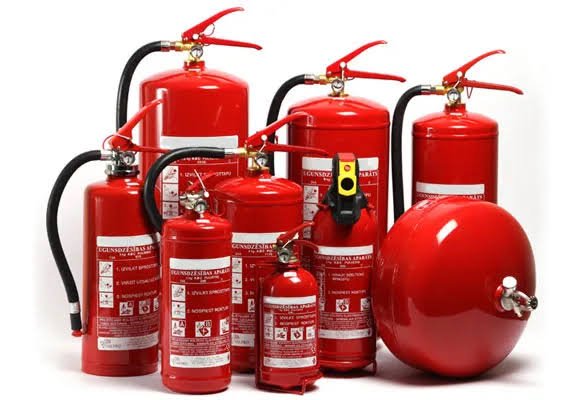
5. Maintain Fire Extinguishers Properly
A suitable fire extinguisher can help control certain small fires when used correctly.
However, it should never replace a safe escape route or delay evacuation when a fire is spreading.
Choose Equipment for the Correct Fire Hazard
Different extinguishers are designed for different types of fire.
For example, ordinary combustible materials, flammable liquids, energized electrical equipment, and cooking oils may require different extinguishing agents.
Ask a qualified fire safety professional which extinguisher is suitable for your household.
Check the Extinguisher’s Condition
During routine maintenance, check:
- Whether the extinguisher is accessible.
- Whether it shows visible damage or corrosion.
- Whether the operating instructions are readable.
- Whether the pressure indicator, if fitted, is within its marked range.
- Whether the unit requires servicing or replacement.
Follow the manufacturer’s inspection and maintenance schedule.
Do not use an extinguisher that appears damaged or discharged.
Learn How to Use It Safely
People should understand the instructions for their specific extinguisher before an emergency occurs.
Only attempt to extinguish a small fire if you have the correct equipment, know how to use it, and have a clear escape route.
If the fire grows, produces heavy smoke, or threatens your exit, leave immediately.
6. Inspect Heating Equipment Before Use
Heating appliances can introduce fire hazards when they are damaged, incorrectly installed, or placed too close to combustible materials.
This is particularly relevant during colder months in Pakistan, when households may use electric heaters, gas heaters, and other heating arrangements.
Check Electric Heaters
Inspect portable heaters for damaged cables, loose plugs, broken controls, or other visible defects.
Keep heaters away from curtains, bedding, furniture, clothing, and paper.
Place them on stable surfaces and follow the manufacturer’s required clearances.
Do not use portable heaters to dry clothes.
Maintain Gas Heaters
Gas heaters require appropriate installation, servicing, and ventilation.
Never use an appliance in a way that contradicts its instructions or creates a carbon monoxide hazard.
If a gas heater produces unusual smells, visible soot, or signs of malfunction, stop using it and arrange professional inspection.
Be Careful With Carbon Monoxide
Carbon monoxide is an invisible, odorless poisonous gas that can be produced by fuel-burning appliances.
Do not operate portable fuel-powered generators indoors, including in garages or enclosed spaces.
Consider carbon monoxide alarms where appropriate, particularly where fuel-burning equipment is used. A smoke alarm alone does not necessarily detect carbon monoxide.
7. Maintain Safe Generator Arrangements
Generators may be used in Pakistani homes during electricity interruptions.
Although they can provide backup power, improper operation can introduce fire, electrical shock, and carbon monoxide hazards.
Keep Generators Outdoors
Portable fuel-powered generators must not be operated inside a home, garage, basement, or other enclosed space.
Position the generator outdoors in accordance with the manufacturer’s instructions, away from doors, windows, and ventilation openings.
Keep exhaust directed away from buildings.
Check Fuel Storage
Follow the generator manufacturer’s instructions and applicable requirements for fuel storage.
Keep fuel in approved containers and away from ignition sources.
Never refuel a hot or running generator. Turn it off and allow it to cool according to the manual before refueling.
Inspect Electrical Connections
Do not connect a generator directly to household wiring using improvised cables or plugs.
A qualified electrician should install an appropriate transfer switch or approved connection system where required.
Regularly inspect the equipment for visible damage and arrange professional servicing according to its maintenance schedule.
8. Keep Emergency Exits Clear
A home should provide a practical way for occupants to leave if a fire occurs.
Even when alarms and extinguishers are available, blocked exits can make evacuation more difficult.
Inspect Doors and Hallways
Keep hallways, staircases, and exit doors clear of furniture, shoes, boxes, bicycles, and other stored items.
Check that doors needed for emergency escape can be opened promptly from inside.
Keep keys for necessary doors or windows in a consistent, accessible location known to household members.
Review Security Grilles and Windows
Security grilles may provide protection against unauthorized entry, but they should not create an unsafe escape arrangement.
Consider how occupants could leave if the usual exit became blocked.
Any changes to grilles, locks, or escape openings should be assessed carefully to preserve security while supporting emergency evacuation.
Consider Upper Floors
People living on upper floors may have different evacuation challenges.
Review available stairs and exits, and consider how children, elderly residents, and people with mobility limitations would leave safely.
Do not plan to escape by jumping from a balcony or window.
9. Inspect Fire Blankets and Other Safety Equipment
Fire blankets may be suitable for certain small cooking fires or specific emergency situations when used according to their instructions.
If you keep one in your kitchen, check that it is accessible and that its packaging and instructions are intact.
Do not assume that a fire blanket is suitable for every type of fire.
Other household safety equipment may include:
- Smoke alarms.
- Carbon monoxide alarms.
- Suitable fire extinguishers.
- Emergency torches.
- First-aid supplies.
- Emergency contact information.
The equipment needed depends on the home’s layout and potential hazards.
Safety equipment should be stored where adults can find it quickly without creating an obstruction to escape.
10. Maintain a Family Fire Escape Plan
A fire escape plan helps everyone understand how to respond when an alarm sounds or a fire is discovered.
The plan should be simple and suitable for every household member.
Create Escape Routes
Identify the primary route from each sleeping area and consider an alternative route where the building layout allows.
Make sure the routes are not blocked by furniture or stored items.
Choose an Outdoor Meeting Point
Select a safe meeting location away from the building.
Everyone should know where to gather after leaving the home.
This helps family members confirm that everyone has reached safety.
Practise the Plan
Discuss the escape plan with children, visitors, and other household members.
Practise leaving the home and reaching the meeting point.
Review the plan when the household changes, when someone moves into the home, or after renovations alter the layout.
Teach Emergency Actions
Everyone should understand that they must:
- Leave the building promptly when there is a fire.
- Stay low if smoke is present and the route is passable.
- Avoid opening a door that feels hot.
- Call emergency services from a safe location.
- Never re-enter the building to collect belongings.
11. Pay Attention to Bedrooms and Living Areas
Fire hazards can occur anywhere in the home, so maintenance should not focus exclusively on the kitchen.
Bedroom Safety
Keep heaters and electrical equipment away from bedding and curtains.
Avoid using damaged chargers or cables.
Check smoke alarms near sleeping areas and make sure family members can hear them.
Living Room Safety
Inspect electrical appliances, lamps, extension boards, and decorative lighting.
Keep candles and other open flames away from curtains, furniture, and other combustible materials.
Turn off equipment when it is not needed, following the manufacturer’s instructions.
Storage and Garage Safety
Store combustible materials and flammable liquids appropriately.
Keep them away from heating equipment, electrical hazards, and other ignition sources.
Maintain clear access to doors, electrical panels, and safety equipment.
12. Create a Home Fire Safety Maintenance Schedule
A regular maintenance schedule helps homeowners remember important tasks and keep track of repairs.
The schedule should reflect the equipment installed and the manufacturer’s instructions.
Monthly Checks
- Test smoke alarms according to their instructions.
- Check that escape routes remain clear.
- Look for visible electrical damage.
- Confirm that safety equipment is accessible.
- Review any unresolved hazards.
Seasonal Checks
Before winter, inspect heating equipment and review generator arrangements.
Before periods of heavy appliance use, check electrical equipment and arrange professional attention for any warning signs.
Review emergency procedures whenever household conditions change.
Annual or Manufacturer-Specified Maintenance
Arrange required servicing for fire extinguishers, gas appliances, generators, and installed fire protection systems.
Have electrical installations assessed as needed by a qualified professional.
Keep records of servicing, repairs, replacements, and inspection dates.
The exact schedule should follow applicable requirements and the instructions for each item of equipment.
13. Common Home Fire Safety Maintenance Mistakes
Even careful homeowners can overlook important details.
Ignoring Warning Signs
A burning smell, damaged cable, repeated circuit breaker trip, or malfunctioning alarm should not be ignored.
Investigate the problem safely and arrange qualified assistance when needed.
Removing Smoke Alarm Batteries
Never disable an alarm because it sounds during cooking or another nuisance event.
Use the manufacturer’s hush function where provided, improve ventilation if safe, and address the source of repeated nuisance alarms.
Using the Wrong Fire Extinguisher
An extinguisher may be unsuitable for the fire involved.
Learn which equipment is appropriate for the hazards present in your home.
Blocking Escape Routes
Storing household items in stairways or hallways can create obstacles during evacuation.
Keep emergency routes clear as part of routine cleaning and maintenance.
Attempting Technical Repairs Without Training
Electrical wiring, gas connections, and complex fire protection equipment require appropriate knowledge.
Use qualified professionals for work that is beyond basic visual checks and manufacturer-approved maintenance.
14. A Practical Home Fire Safety Maintenance Checklist
Use this checklist to organize a basic visual review of your property.
- Electrical cords, plugs, and accessible sockets show no obvious damage.
- High-power appliances have suitable electrical connections.
- Cooking equipment is clean and maintained.
- Gas appliances and visible connections have been checked.
- Smoke alarms are tested according to their instructions.
- Alarm batteries and replacement dates have been reviewed.
- Fire extinguishers are accessible and within their service requirements.
- Heating appliances are undamaged and correctly positioned.
- Generators are operated outdoors according to safety instructions.
- Emergency exits and stairways are clear.
- Combustible materials are stored away from heat sources.
- Family members understand the evacuation plan.
- Emergency contact information is available.
If an item cannot be checked, record the problem and arrange appropriate corrective action.
This checklist is a starting point for household maintenance. It does not replace a professional inspection or establish legal compliance.
15. Professional Fire Safety Maintenance in Pakistan
Some fire safety tasks can be handled through routine household checks, while others require qualified assistance.
The requirements for residential, commercial, and shared buildings may differ according to their use, location, design, and applicable regulations.
Punjab Civil Defence identifies fire detection and alarm systems, firefighting arrangements, fire safety plans, and emergency exits among the measures inspected in certain industrial, commercial, and high-rise premises. These requirements should not automatically be assumed to apply identically to every private home.
Homeowners should seek professional guidance when dealing with:
- Complex fire alarm installations.
- Electrical wiring and distribution panels.
- Gas appliances and connections.
- Generator transfer switches.
- Fixed firefighting systems.
- Uncertain building evacuation arrangements.
A professional assessment can help identify technical issues and determine which corrective actions are appropriate for the property.
Conclusion
Home fire safety maintenance is an ongoing responsibility that helps families identify hazards, maintain protective equipment, and prepare for emergencies.
Regular inspections of electrical wiring, cooking equipment, heating appliances, smoke alarms, fire extinguishers, and escape routes can help reduce avoidable risks.
For homeowners in Pakistan, special attention to gas appliances, electrical supply, backup generators, and seasonal heating equipment can form an important part of a practical safety routine.
A properly maintained fire alarm system, suitable firefighting equipment, and a clear evacuation plan all contribute to household preparedness.
Start with simple checks, keep a record of maintenance, and seek qualified assistance whenever a problem requires technical knowledge.
The most useful fire safety maintenance plan is one that becomes a regular household habit rather than something remembered only after an emergency.
Frequently Asked Questions (FAQs)
1. How Often Should I Check Fire Safety Equipment at Home?
Smoke alarms should be tested according to the manufacturer’s instructions, commonly once a month. Fire extinguishers, gas appliances, generators, and installed systems should receive the inspections and servicing required for their equipment type and applicable standards.
2. Why Is a Fire Alarm System Important in a Home?
A fire alarm system can provide an early warning of smoke or another detected fire condition. This can help household members recognize danger and begin evacuation. Regular testing and maintenance help ensure the equipment remains operational.
3. What Are the Most Common Home Fire Hazards in Pakistan?
Common hazards include damaged electrical wiring, overloaded sockets, unsafe cooking practices, poorly maintained gas appliances, improperly used heaters, and generators operated in enclosed spaces.
4. Can I Maintain My Home Fire Safety Equipment Myself?
You can perform basic visual checks, test smoke alarms according to their instructions, keep exits clear, and review your escape plan. Electrical repairs, gas work, and complex fire protection system maintenance should be handled by qualified professionals.
5. What Should I Do If My Smoke Alarm Does Not Work?
Follow the manufacturer’s troubleshooting instructions and check whether the battery needs replacement. If the alarm still fails, repair or replace it as appropriate. Do not leave the home without suitable working smoke detection while waiting for a permanent solution.