
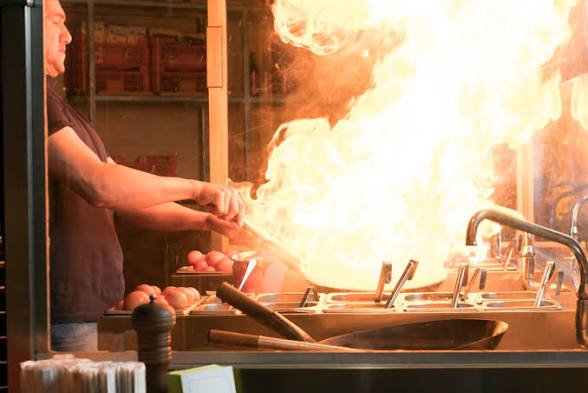
The kitchen is one of the busiest areas in any home. Families use it every day to prepare meals, heat water, and operate appliances. However, cooking equipment, gas connections, electrical devices, hot surfaces, and combustible materials can create fire hazards when proper precautions are overlooked.
Kitchen fire safety is not simply about purchasing equipment. It involves understanding everyday risks, maintaining appliances, keeping the cooking area organised, recognising warning signs, and knowing how to respond safely during an emergency.
In Pakistan, kitchens may use gas stoves, electric cookers, ovens, microwaves, and other appliances. Different homes have different layouts and ventilation arrangements, so safety measures should reflect the equipment being used and the needs of the household.
A reliable fire alarm system in Pakistan can contribute to a wider home fire protection plan, but prevention and early warning must work together. This article explores ten important aspects of kitchen fire safety and explains why making safety a priority is a valuable investment for every household.
1. Understand the Most Common Kitchen Fire Hazards
The first step towards a safer kitchen is recognising the activities and conditions that can lead to a fire.
Cooking involves heat, electricity, gas, and materials that may catch fire. When these elements are not managed carefully, a small problem can become a serious household emergency.
Some common kitchen fire hazards include:
Unattended cooking: Leaving food cooking without supervision can allow a developing problem to go unnoticed.
Grease and oil accumulation: Grease deposits around cooking equipment can increase fire risks, particularly when surfaces are not cleaned regularly.
Electrical faults: Damaged wiring, faulty appliances, and overloaded sockets can create dangerous conditions.
Gas-related problems: Poorly maintained connections and appliances may create fire or gas-leak hazards.
Combustible materials: Paper towels, curtains, plastic packaging, cloth, and cleaning materials can catch fire if kept too close to heat sources.
Unsafe appliance placement: Electrical equipment positioned too close to water or heat sources may create additional risks.
Understanding these hazards helps families make better decisions. Kitchen safety should be part of everyday household routines rather than something considered only after an incident.
2. Never Leave Cooking Unattended
One of the most important kitchen safety habits is paying attention while cooking.
A person who leaves the kitchen while food is being prepared may not notice smoke, unusual heat, or an appliance problem immediately. Even a short interruption can create unnecessary risks.
The United States Fire Administration identifies unattended cooking equipment as a major contributing factor in home cooking fires. Its guidance recommends staying attentive and turning off cooking equipment when leaving the kitchen.
Families can follow several simple habits:
- Remain attentive while cooking.
- Use a timer when preparing food.
- Avoid becoming distracted by television or mobile devices.
- Keep children away from active cooking areas.
- Avoid cooking when excessively tired.
- Make sure appliances are switched off after use.
If you need to leave the kitchen, do not leave cooking equipment operating without appropriate supervision.
These habits are simple, but they can make a meaningful difference in reducing household fire risks.
3. Maintain Gas Connections and Cooking Appliances
Many households in Pakistan use gas appliances for everyday cooking. Proper installation and maintenance are therefore important parts of kitchen fire prevention.
Gas appliances, regulators, connections, and hoses should be inspected by qualified professionals when required. Damaged or unsuitable components should not be ignored or used simply because the appliance still appears to function.
Families should pay attention to warning signs such as unusual gas smells, damaged connections, or appliances that do not appear to operate normally.
If a gas leak is suspected, treat it as an emergency. Avoid flames and do not operate electrical switches in the affected area. Move everyone away to a safe location and contact the relevant gas service provider or emergency service.
Other good practices include:
- Keeping cooking equipment clean and maintained.
- Following the manufacturer’s operating instructions.
- Ensuring suitable ventilation.
- Keeping combustible materials away from cooking appliances.
- Reporting damaged connections promptly.
- Avoiding unauthorised repairs.
Gas safety should never depend on guesswork. Technical installation, inspection, and repair work should be handled by competent professionals.
4. Keep Electrical Appliances in Good Condition
Modern kitchens often contain refrigerators, microwaves, electric kettles, blenders, ovens, and other electrical equipment. These appliances make daily tasks easier, but damaged equipment can create fire and electrical hazards.
Electrical safety starts with choosing suitable appliances and using them according to their instructions.
Avoid using appliances with damaged plugs, cracked cables, or visible signs of deterioration. Do not overload extension boards by connecting several high-power appliances to one outlet.
Water and electricity also require particular care. Keep electrical accessories in suitable locations away from splashes and wet surfaces.
Warning signs that should be reported include:
- Burning smells near electrical equipment.
- Damaged sockets or plugs.
- Exposed wiring.
- Unusual buzzing sounds.
- Repeated electrical interruptions.
- Appliances showing signs of overheating.
If an appliance appears faulty, stop using it if it is safe to do so and arrange for professional inspection.
In Pakistan, power interruptions and voltage fluctuations can also affect household appliances. Suitable electrical equipment and professionally maintained installations can help reduce related risks.
5. Keep the Kitchen Clean and Organised
A clean kitchen is easier to use and easier to maintain safely. Grease, food residue, packaging, and unnecessary household items can create additional hazards.
Regular cleaning helps prevent grease accumulation around cooking equipment and reduces the amount of combustible waste in the room.
Families should pay attention to:
Cooking surfaces: Keep areas around appliances reasonably clean and free from unnecessary materials.
Storage areas: Store paper products, plastic packaging, and cleaning materials away from heat sources.
Waste bins: Remove accumulated waste regularly and keep bins in appropriate locations.
Floors: Keep floors clean and dry to reduce slipping risks.
Ventilation areas: Avoid blocking ventilation openings with furniture, boxes, or other objects.
Kitchen organisation is especially important in smaller homes where cooking, dining, and storage areas may share limited space.
A simple cleaning routine can help households identify damaged equipment, unusual smells, and other potential problems before they become more serious.
6. Keep Children Away from Cooking Hazards
Children often spend time with family members in the kitchen, but the area contains hot surfaces, electrical appliances, and other potential hazards.
Parents and caregivers should establish clear household rules that explain which areas children should avoid while cooking is taking place.
Children should understand that they must not touch cooking equipment, gas connections, electrical sockets, or hot appliances without responsible adult supervision.
Families can support children’s awareness by:
- Explaining why cooking areas require extra care.
- Keeping matches and lighters out of children’s reach.
- Keeping unnecessary objects away from cooking equipment.
- Teaching children how to alert an adult when they notice a problem.
- Explaining the household evacuation arrangement.
- Making sure children know how to contact a trusted adult.
Children should never be expected to investigate a fire, operate unfamiliar safety equipment, or attempt to control an emergency.
The goal is to develop awareness without placing responsibility for household fire prevention on children.
7. Install Suitable Smoke Detection and Alarm Equipment
Early warning is an important part of kitchen fire safety. A smoke alarm can alert household members when smoke is detected, helping them recognise a potential emergency.
However, alarm placement requires careful consideration. Normal cooking activities can produce smoke, steam, and airborne particles that may cause nuisance alarms if a detector is installed too close to a cooking appliance.
The National Fire Protection Association advises that ordinary residential smoke alarms should generally be kept away from cooking appliances, following the manufacturer’s instructions and applicable installation guidance. Some specialised devices are designed to reduce nuisance alarms.
Households should consider the following:
- Install suitable smoke alarms in recommended areas.
- Follow the manufacturer’s placement instructions.
- Ensure warning sounds can be heard in sleeping areas.
- Consider interconnected alarms where appropriate.
- Test alarms regularly according to the manufacturer’s guidance.
- Replace damaged or expired equipment.
A fire alarm system in Pakistan may range from standalone smoke alarms in a house to a connected system in a larger residential or commercial building.
The correct arrangement depends on the building’s size, design, occupancy, and risks. Professional advice can help ensure that alarms provide effective warning without unnecessary nuisance alerts.
Most importantly, never disconnect or remove an alarm because it sounds inconvenient during normal cooking.
8. Understand the Importance of Kitchen Ventilation
Ventilation helps maintain a comfortable kitchen environment and supports the removal of cooking fumes, heat, and moisture.
Poor ventilation can allow smoke, cooking odours, and airborne particles to accumulate. It may also make it more difficult to notice changes in the condition of an appliance or cooking area.
Families should make sure that ventilation arrangements are suitable for the appliances installed in the kitchen.
Where extractor fans or other ventilation equipment are used, they should be maintained according to the manufacturer’s instructions. Filters should receive appropriate attention, and ventilation openings should not be blocked.
Gas appliances require particular care because their safe operation depends on suitable installation and ventilation.
A qualified professional should assess ventilation arrangements where there are concerns about gas appliances, indoor air quality, or the suitability of the kitchen layout.
Ventilation is not a substitute for smoke alarms or safe cooking habits. It is one part of a wider approach to maintaining a healthy and safer kitchen.
9. Prepare a Household Kitchen Emergency Plan
Even a well-maintained kitchen cannot guarantee that an emergency will never occur. Families should therefore understand what to do if smoke, flames, or another serious hazard appears.
A household emergency plan should be simple enough for everyone to understand.
It should cover:
Warning: Everyone should know how to recognise the household alarm and alert other occupants.
Evacuation: Family members should know the safest available exit and where to meet outside.
Communication: Keep important family and emergency contact details accessible.
Additional assistance: Consider the needs of young children, older adults, and people with mobility or hearing difficulties.
Emergency reporting: Make sure someone knows how to contact the appropriate emergency service from a safe location.
If a kitchen fire develops, people should not take unnecessary risks trying to save food, appliances, or belongings. Leave the dangerous area, alert others, and contact emergency services.
Cooking fires involving oil or grease can be particularly dangerous. Never use water on a grease or oil fire. Children and untrained household members should never attempt to tackle a fire. The safest response to a serious or spreading fire is to evacuate and seek professional help.
Families should discuss the plan in advance so that everyone understands their responsibilities.
10. Make Kitchen Fire Safety a Regular Investment
Kitchen fire safety should be treated as an ongoing household priority. Purchasing equipment once is not enough if it is not maintained or if family members do not understand how to respond to warnings.
A practical safety investment includes suitable equipment, professional maintenance, responsible daily habits, and awareness.
Households should consider the following areas:
Detection equipment: Suitable smoke alarms and warning devices can provide early notification.
Electrical maintenance: Qualified professionals should inspect and repair electrical problems.
Gas safety: Gas appliances and connections should be maintained appropriately.
Ventilation: Suitable ventilation arrangements should be kept in good condition.
Household awareness: Everyone should understand basic prevention measures and evacuation procedures.
Regular reviews: Families should check their safety arrangements when appliances, household layouts, or living arrangements change.
A small investment in prevention and maintenance may help avoid serious property damage and protect the people who live in the home.
Kitchen Fire Safety in Pakistan
Kitchen arrangements differ across Pakistan. Some homes use piped gas, while others may use LPG cylinders or electrical cooking appliances. Apartment buildings, independent houses, and shared accommodation also have different layouts and safety requirements.
This means that a single approach may not be suitable for every household.
Families should make sure that gas equipment is suitable for the appliance, electrical installations are properly maintained, and cooking areas have appropriate ventilation.
The Building Code of Pakistan Fire Safety Provisions 2016 provides an important national reference for building fire and life safety. Specific requirements depend on the building’s type, occupancy, design, and applicable local or provincial rules.
For larger residential buildings, restaurants, and commercial kitchens, additional fire protection and maintenance arrangements may be necessary.
A professionally designed fire alarm system can support early warning in suitable buildings. However, it should be combined with safe appliance use, regular inspections, and clear evacuation arrangements.
A Practical Kitchen Fire Safety Checklist
Families can use this checklist to review everyday kitchen safety:
- [ ] Cooking is supervised and not left unattended.
- [ ] Gas appliances and connections are maintained appropriately.
- [ ] Electrical equipment is in good condition.
- [ ] Sockets and extension boards are not overloaded.
- [ ] Combustible materials are kept away from heat sources.
- [ ] Cooking surfaces are cleaned regularly.
- [ ] Ventilation openings are not blocked.
- [ ] Children understand basic kitchen safety rules.
- [ ] Suitable smoke alarms are installed in appropriate locations.
- [ ] Alarm equipment is tested and maintained as instructed.
- [ ] Household members know the emergency exit route.
- [ ] Everyone understands that serious fires require evacuation and professional assistance.
This checklist is a general awareness guide. It does not replace professional inspections or the manufacturer’s instructions for individual appliances.
Conclusion
Kitchen fire safety is an essential investment because it helps protect families, homes, and valuable household equipment. Cooking activities, gas connections, electrical appliances, and combustible materials can all create risks when proper precautions are overlooked.
Preventing kitchen fires begins with everyday habits: supervising cooking, maintaining appliances, keeping surfaces clean, and ensuring suitable ventilation. Early warning systems and a household emergency plan provide additional protection.
In Pakistan, kitchens may have different equipment and layouts, so families should choose safety arrangements that reflect their specific needs. Professional inspection and maintenance are particularly important for gas and electrical installations.
A reliable fire alarm system is a valuable part of wider home protection, but it cannot replace careful cooking practices or a clear evacuation plan. By making kitchen fire safety a regular priority, households can create a safer environment for everyone.
Frequently Asked Questions
1. What are the most common causes of kitchen fires?
Common causes include unattended cooking, accumulated grease, electrical faults, damaged appliances, unsafe gas connections, and combustible materials placed near heat sources. Regular maintenance and careful cooking habits can help reduce these risks.
2. Why is a smoke alarm important in a kitchen area?
Smoke alarms provide early warning when smoke is detected. However, their placement should follow the manufacturer’s instructions because normal cooking can cause nuisance alarms when detectors are too close to cooking equipment.
3. How can families prevent kitchen fires at home?
Families should supervise cooking, maintain gas and electrical appliances, keep combustible materials away from heat sources, clean cooking areas regularly, and make sure everyone understands the household emergency plan.
4. What should someone do if a kitchen fire develops?
Everyone should move away from danger, alert other household members, evacuate using a safe exit, and contact emergency services. Children and untrained people should never attempt to fight a fire. Water must never be used on a grease or oil fire.
5. Is a fire alarm system necessary for homes in Pakistan?
Suitable smoke alarms and fire warning arrangements can improve household safety by providing early notification. The appropriate equipment depends on the home’s layout, occupancy, and risks. Larger residential buildings may require more comprehensive systems.