
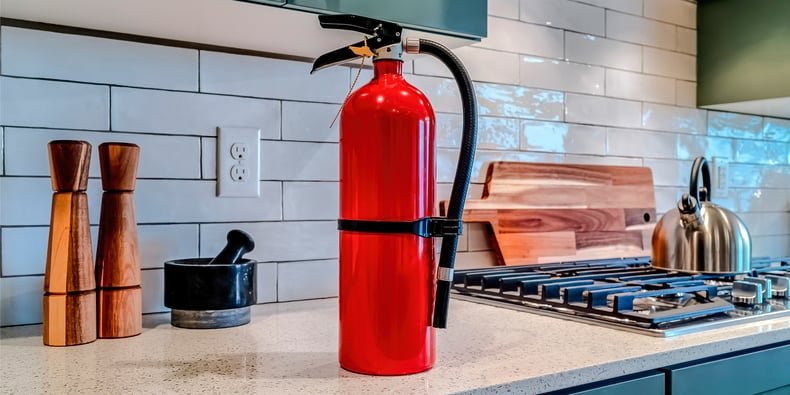
The kitchen is one of the most important areas of any home, restaurant, hotel, school, hospital, and commercial building. It is also a place where heat, cooking appliances, electricity, gas, and combustible materials are commonly present at the same time. When these hazards are not properly managed, a small incident can quickly become a serious fire emergency.
Kitchen fire safety is therefore not only about protecting property. It is mainly about protecting people, providing early warning, reducing preventable hazards, and helping occupants respond safely during an emergency. A well-planned kitchen fire safety approach combines prevention, detection, suitable fire protection equipment, maintenance, emergency exits, and staff awareness.
In Pakistan, fire safety provisions developed by the Pakistan Engineering Council include requirements and guidance related to fire protection, fire alarm systems, maintenance, inspection, and safe building operation. The Building Code of Pakistan – Fire Safety Provisions 2016 emphasizes reasonable levels of life safety and property protection from actual and potential fire hazards.
Why Kitchen Fire Safety Matters
Cooking areas contain several potential sources of fire. Gas burners, electrical appliances, hot surfaces, cooking oils, wiring, exhaust systems, and nearby combustible materials can all contribute to a fire if something goes wrong.
The risk can become greater in commercial kitchens because cooking takes place for longer periods and several appliances may operate simultaneously. Restaurants, hotels, bakeries, canteens, and other food businesses may also have staff working close to hot equipment throughout the day.
A kitchen fire can create several dangers at once:
- Flames can spread to nearby materials.
- Smoke can reduce visibility.
- People may become confused during an emergency.
- Heat can damage equipment and building materials.
- Electrical systems may become hazardous.
- Gas-related incidents can create additional risks.
- Fire and smoke can affect areas outside the kitchen.
Good kitchen fire safety reduces these risks before an emergency happens and helps occupants react appropriately if a fire occurs.
Common Causes of Kitchen Fires
Understanding common hazards is an important part of prevention.
Unattended Cooking
Leaving cooking equipment operating without supervision can increase the possibility that an abnormal situation goes unnoticed. A responsible person should remain aware of active cooking operations and follow the equipment manufacturer’s safety instructions.
Electrical Problems
Damaged cables, overloaded circuits, faulty connections, or poorly maintained appliances can create electrical hazards. Electrical equipment in kitchens should be suitable for its intended environment and maintained properly.
Gas-Related Hazards
Where gas is used for cooking, cylinders, connections, regulators, pipes, and appliances should be properly maintained and installed according to applicable requirements. Gas equipment should not be modified or repaired casually.
Pakistan’s regulatory framework includes specific oversight of LPG-related activities through the Oil and Gas Regulatory Authority (OGRA), including safety awareness and regulatory activities.
Combustible Materials Near Heat
Paper products, packaging, cloth, curtains, cleaning materials, and other combustible items should not be unnecessarily stored close to cooking equipment.
Poor Maintenance
Grease, damaged equipment, blocked ventilation, worn electrical components, or neglected fire protection systems can increase risk. Regular inspection is therefore an essential part of kitchen safety.
Keep the Kitchen Clean and Organized
Cleanliness is an important part of fire prevention.
Cooking areas should be kept free from unnecessary combustible materials. Spills should be dealt with appropriately, and equipment should be cleaned and maintained according to the manufacturer’s instructions.
In commercial kitchens, cleaning schedules should be documented where appropriate. Staff should understand which areas require regular inspection and who is responsible for maintenance.
Good housekeeping also keeps walkways and emergency routes clear. During an emergency, people need to move quickly and safely without encountering unnecessary obstacles.
Safe Use of Cooking Equipment
Cooking appliances should be used according to their intended purpose and manufacturer’s instructions.
Important practices include:
- Inspect equipment regularly.
- Do not use visibly damaged appliances.
- Keep combustible materials away from heat sources.
- Avoid unauthorized modifications.
- Make sure ventilation systems are maintained.
- Keep access around equipment clear.
- Have faults inspected by qualified personnel.
- Follow applicable building and fire-safety requirements.
The Building Code of Pakistan emphasizes the use of listed or approved equipment and installation according to applicable limitations and manufacturer instructions.
For certain specialized occupancies, the Building Code of Pakistan also contains provisions concerning cooking equipment, cooking hoods, shutoffs, timers, and portable fire extinguishers. Requirements vary according to building use and occupancy, so professional assessment is important.
The Importance of Early Fire Detection
Early detection can make a major difference during an emergency.
A fire may begin when few people are present nearby. If smoke or other signs of a developing fire are detected early, occupants may have more time to react, alert others, leave the building, and contact emergency services.
This is where a properly designed fire detection and alarm system becomes an important part of a wider fire-safety strategy.
A fire alarm system can provide an audible or visual warning when its initiating devices detect conditions associated with fire. The exact type and arrangement of detection equipment should depend on the building, occupancy, environment, and applicable requirements.
For anyone researching a Fire alarm system in Pakistan, it is important to understand that an alarm system is not a replacement for safe cooking practices. Detection and prevention work together.
Fire Alarm Systems in Kitchens
Kitchen environments require careful consideration when selecting and positioning detection equipment.
Normal cooking activities can produce heat, steam, smoke, and other conditions that may affect certain types of detectors. For this reason, the detection strategy should be designed for the specific environment rather than simply installing a detector in any convenient location.
Professional fire-safety designers can assess factors such as:
- Kitchen size
- Cooking equipment
- Ventilation
- Building occupancy
- Expected environmental conditions
- Nearby rooms and escape routes
- Applicable fire-safety requirements
Pakistan’s Building Code framework includes fire alarm and fire protection requirements, while PEC also recognizes installation, commissioning, and maintenance of fire detection, alarm, and suppression systems as a specialized engineering service.
Fire Protection Equipment
Fire protection equipment should be appropriate for the hazards present.
Depending on the building and its risk profile, kitchen fire protection may include suitable portable extinguishers, fire detection and alarm systems, emergency lighting, suppression systems, and other protective equipment.
Equipment should be:
- Appropriate for the hazard.
- Properly installed.
- Clearly accessible.
- Regularly inspected.
- Maintained according to applicable requirements.
- Used only by people who have been properly trained.
A fire extinguisher should never be treated as a reason to delay evacuation. If a fire is growing, producing significant smoke, or creating an unsafe environment, people should prioritize getting to safety and contacting emergency services.
Emergency Exits Must Remain Clear
A fire alarm is useful only when people can respond safely.
Kitchen doors, corridors, stairways, and emergency exits should remain accessible. Storage should never block an escape route.
Everyone working in a commercial kitchen should know:
- Where the nearest safe exit is.
- Where alternative exits are located.
- Where the assembly area is.
- How to raise the alarm.
- Who is responsible for emergency coordination.
Building occupants should not wait until a fire occurs to discover that an exit is blocked or difficult to use.
Emergency Planning Saves Time
An emergency plan helps turn confusion into organized action.
Homes, restaurants, hotels, and other facilities should consider developing an emergency procedure appropriate to their size and occupancy. Staff should receive suitable training, and evacuation drills can help people become familiar with the process.
The Building Code of Pakistan specifically recognizes emergency evacuation drills and emergency action plans among fire-safety records and responsibilities in applicable buildings.
An emergency plan may address:
- How a fire is reported.
- How the alarm is activated.
- How occupants evacuate.
- Who contacts emergency services.
- Where people gather after evacuation.
- How staff account for occupants where applicable.
- How emergency responders are supported.
What to Do When a Kitchen Fire Is Discovered
The correct response depends on the circumstances, but personal safety should always come first.
If a fire is discovered:
- Alert people nearby.
- Activate the fire alarm if one is available.
- Leave the area if conditions are unsafe.
- Use a safe exit.
- Contact the appropriate emergency service.
- Do not return to the building simply to collect belongings.
- Follow instructions from emergency responders.
People should never take unnecessary risks attempting to control a fire that is spreading or producing dangerous smoke.
Only appropriately trained adults should consider using fire-extinguishing equipment, and only when the situation is suitable, the correct equipment is available, and a safe escape route remains accessible.
Gas Safety and Kitchen Fire Prevention
Gas-powered cooking equipment requires particular attention.
Gas appliances, cylinders, regulators, and connections should be maintained and inspected appropriately. If a person suspects a gas leak, they should prioritize moving away from the hazard and obtaining help rather than attempting an unsafe repair.
Gas safety and fire safety are closely connected. A kitchen may need both fire detection and appropriate gas-related safety measures depending on its design and risk.
In commercial or specialized environments, gas detection systems may form part of a broader safety strategy. The Building Code of Pakistan 2021 includes provisions in certain hazardous-gas occupancies for gas detection, audible and visual alarms, and specified automatic gas shutoff arrangements.
These requirements are not automatically applicable to every home kitchen. The correct system depends on the building type and applicable regulations.
Electrical Safety in the Kitchen
Modern kitchens often contain refrigerators, ovens, microwaves, mixers, exhaust equipment, water heaters, and other electrical appliances.
Using many appliances at once can place significant demands on an electrical system. Electrical installations should therefore be designed appropriately and maintained by qualified professionals.
Basic safety principles include:
- Do not use damaged electrical equipment.
- Keep electrical equipment appropriate for its environment.
- Avoid unsafe temporary connections.
- Have electrical faults inspected professionally.
- Keep combustible materials away from electrical heat sources.
- Maintain electrical and fire protection systems properly.
Electrical safety should be considered alongside cooking and gas safety rather than treated as a separate issue.
Commercial Kitchen Fire Safety
Restaurants and commercial kitchens have additional responsibilities because employees and customers may be present.
A commercial kitchen should have a structured fire-safety program that considers:
- Cooking appliances
- Exhaust and ventilation systems
- Electrical equipment
- Gas supplies where applicable
- Fire detection
- Alarm systems
- Fire protection equipment
- Emergency exits
- Staff training
- Emergency procedures
- Inspection and maintenance
Staff should know what the alarm sounds like, where the exits are, and what actions they are expected to take during an emergency.
Fire-safety responsibilities should also be clearly assigned so that important inspections and maintenance are not overlooked.
Maintenance Is as Important as Installation
Installing fire-safety equipment is only the beginning.
Fire alarms, detection devices, extinguishers, emergency systems, and other protective equipment need appropriate inspection and maintenance.
The Building Code of Pakistan places responsibilities on building owners, operators, lessees, or occupants and includes keeping records of maintenance, inspections, testing, fire alarm systems, emergency evacuation drills, and emergency action plans where required.
A maintenance program should therefore answer questions such as:
- When was the system last inspected?
- Were faults identified?
- Were faults corrected?
- Are emergency exits accessible?
- Are fire extinguishers appropriately maintained?
- Are alarms functioning as intended?
- Have staff received appropriate training?
- Are emergency procedures still suitable?
Regular documentation makes it easier to identify problems before an emergency occurs.
Kitchen Fire Safety in Homes
Kitchen fire safety is not limited to commercial buildings.
Homes can also benefit from simple precautions such as keeping cooking areas organized, maintaining appliances, keeping exits accessible, and making sure family members understand what to do during an emergency.
Children should not be responsible for handling a kitchen fire or operating fire-protection equipment during an emergency. Adults should take responsibility for household fire-safety planning and professional maintenance.
Families can also discuss:
- How to raise the alarm.
- Which exit to use.
- Where to meet outside.
- How to contact emergency services.
- Why nobody should return inside after evacuation unless emergency responders say it is safe.
Why Fire Safety Training Matters
Equipment cannot replace awareness.
People need to know how to recognize an emergency and respond appropriately. In workplaces, training can help employees understand alarm procedures, evacuation routes, emergency responsibilities, and the limitations of fire-extinguishing equipment.
Training should be suitable for the person’s role. People should never be pressured to fight a fire if doing so would put them at risk.
A Simple Kitchen Fire Safety Checklist
A basic checklist can help identify common problems:
- Cooking equipment is maintained.
- Electrical appliances are in safe condition.
- Gas equipment is professionally maintained where applicable.
- Combustible materials are kept away from heat sources.
- Kitchen areas are clean and organized.
- Emergency exits remain clear.
- Fire alarms are maintained.
- Appropriate fire protection equipment is available.
- Staff know the emergency procedure.
- Emergency drills are conducted where appropriate.
- Inspection and maintenance records are maintained where required.
- Damaged equipment is removed from service until properly assessed.
This checklist does not replace a professional fire-risk assessment or applicable legal requirements.
The Role of a Fire Alarm System in Pakistan
Fire alarm systems are an important part of modern building safety because they can provide early warning and support evacuation.
However, a fire alarm should be viewed as one component of a complete fire-safety program. Safe cooking practices, appropriate equipment, good housekeeping, emergency exits, staff training, maintenance, and emergency planning all contribute to reducing risk.
For organizations looking for information about fire-safety equipment and systems in Pakistan, Flame Defender provides a relevant starting point for understanding available fire-safety solutions.
The appropriate fire alarm or protection system should always be selected according to the building’s characteristics, fire risks, applicable codes, and professional assessment.
Conclusion
Kitchen fire safety can save lives because it addresses a fire before, during, and after an emergency. Prevention reduces the chance of a fire developing. Early detection provides valuable warning. Proper emergency planning helps people evacuate. Suitable fire protection equipment can support trained responders when conditions are safe. Regular inspection and maintenance help ensure that safety systems are ready when needed.
In Pakistan, fire-safety planning should take applicable building codes and the specific characteristics of the property into account. The Pakistan Engineering Council’s fire-safety provisions emphasize life safety, property protection, approved equipment, maintenance, inspection, testing, and emergency preparedness.
Whether the kitchen is in a family home, restaurant, hotel, school, hospital, or commercial facility, the basic principle remains the same: preparation is safer than waiting for an emergency to happen.
FAQs
1. Why is kitchen fire safety important?
Kitchen fire safety helps reduce fire hazards, provide early warning, support safe evacuation, and protect people and property from cooking-related emergencies.
2. Does every kitchen need a fire alarm system?
The appropriate fire detection and alarm arrangements depend on the building type, occupancy, size, hazards, and applicable requirements. A qualified fire-safety professional can determine what is appropriate.
3. What are common causes of kitchen fires?
Common hazards include unattended cooking, electrical faults, gas-related problems, excessive heat, combustible materials near cooking equipment, and inadequate maintenance.
4. How often should kitchen fire-safety equipment be checked?
Inspection and maintenance schedules depend on the type of equipment, building, manufacturer’s instructions, and applicable requirements. Fire protection systems should be maintained and tested appropriately rather than ignored after installation.
5. What should people do during a kitchen fire emergency?
People should alert others, activate the alarm where available, evacuate using a safe route, contact the appropriate emergency service, and follow emergency responders’ instructions. No one should take unnecessary risks trying to control a spreading fire.